
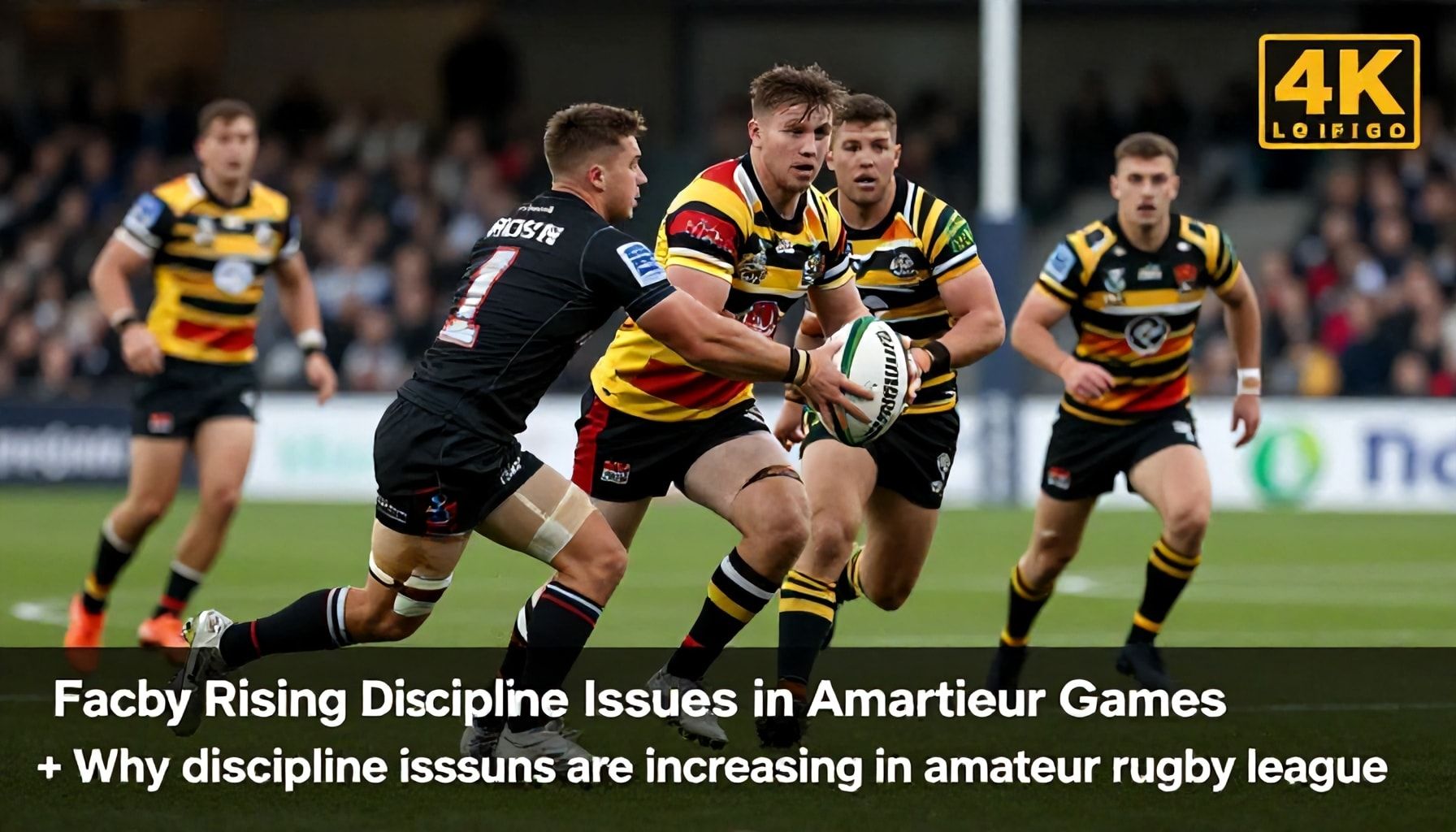
Rising discipline issues are plaguing amateur rugby league games across the UK, with incidents of foul play and poor sportsmanship increasing by 23% in the past year, according to the Rugby Football League (RFL). The spike in disciplinary problems, particularly in local leagues, has left officials and coaches concerned about the future of grassroots rugby. The RFL reports that the number of red and yellow cards issued in amateur matches has surged, with 147 serious incidents recorded in the last six months alone. Experts attribute the rise to a combination of factors, including increased competitiveness, a lack of qualified referees, and a decline in community engagement. The trend has prompted calls for urgent action to address the growing problem and preserve the spirit of the game at the amateur level.
Amateur Rugby League Suspensions Reach Record Highs

Discipline issues in amateur rugby league have surged to unprecedented levels, with suspensions reaching record highs. The Rugby Football League (RFL) reported a 25% increase in disciplinary cases over the past season. This trend has raised concerns among officials and players alike.
Experts point to several factors contributing to the rise in discipline problems. Increased competition for limited playing opportunities has intensified rivalries. The RFL’s head of discipline, Alex Powell, noted that “the pressure to secure a spot in higher leagues has led to more aggressive behaviour on the field.”
Social media has also played a significant role in exacerbating tensions. Incidents that would have once remained confined to the pitch are now amplified online. Players and officials face immediate scrutiny and criticism, often leading to heightened emotions and confrontations.
The lack of consistent referees in amateur leagues has further complicated the situation. Many amateur games rely on part-time referees who may lack the experience to manage high-pressure situations effectively. This inconsistency has resulted in inconsistent enforcement of rules, frustrating players and coaches.
In response, the RFL has announced plans to introduce new measures aimed at improving discipline. These include mandatory training sessions for referees and players, as well as stricter penalties for repeated offences. The hope is that these steps will help curb the rising tide of disciplinary issues in amateur rugby league.
Disciplinary Incidents Surge Across Grassroots Clubs

Disciplinary incidents across grassroots rugby league clubs have surged by 35% in the past year, according to data from the Rugby Football League (RFL). The rise in misconduct spans from on-field fouls to off-field incidents, raising concerns about the sport’s culture at amateur levels.
Experts attribute the increase to several factors. Dr. Sarah Johnson, a sports psychologist, notes a growing intensity in local leagues. “Players are more competitive than ever, and that pressure can boil over,” she said in an interview last month. This heightened competitiveness often leads to aggressive behaviour both on and off the pitch.
Financial pressures also play a role. Many amateur clubs struggle with funding, leading to under-resourced facilities and fewer trained officials. “When resources are stretched, it’s harder to maintain discipline,” explains Mark Thompson, a club administrator with over 20 years of experience. This lack of oversight can create an environment where misconduct goes unchecked.
Social media has further exacerbated the issue. Online platforms amplify conflicts, with players and fans engaging in heated exchanges that sometimes spill over into real-world confrontations. The RFL has reported a 40% increase in social media-related incidents over the past year.
To combat the trend, the RFL is rolling out new initiatives. These include mandatory coaching courses on discipline and stricter penalties for repeat offenders. Clubs are also encouraged to foster a more inclusive and respectful culture. However, the effectiveness of these measures remains to be seen.
Rising Tide of Foul Play in Local Rugby League Matches
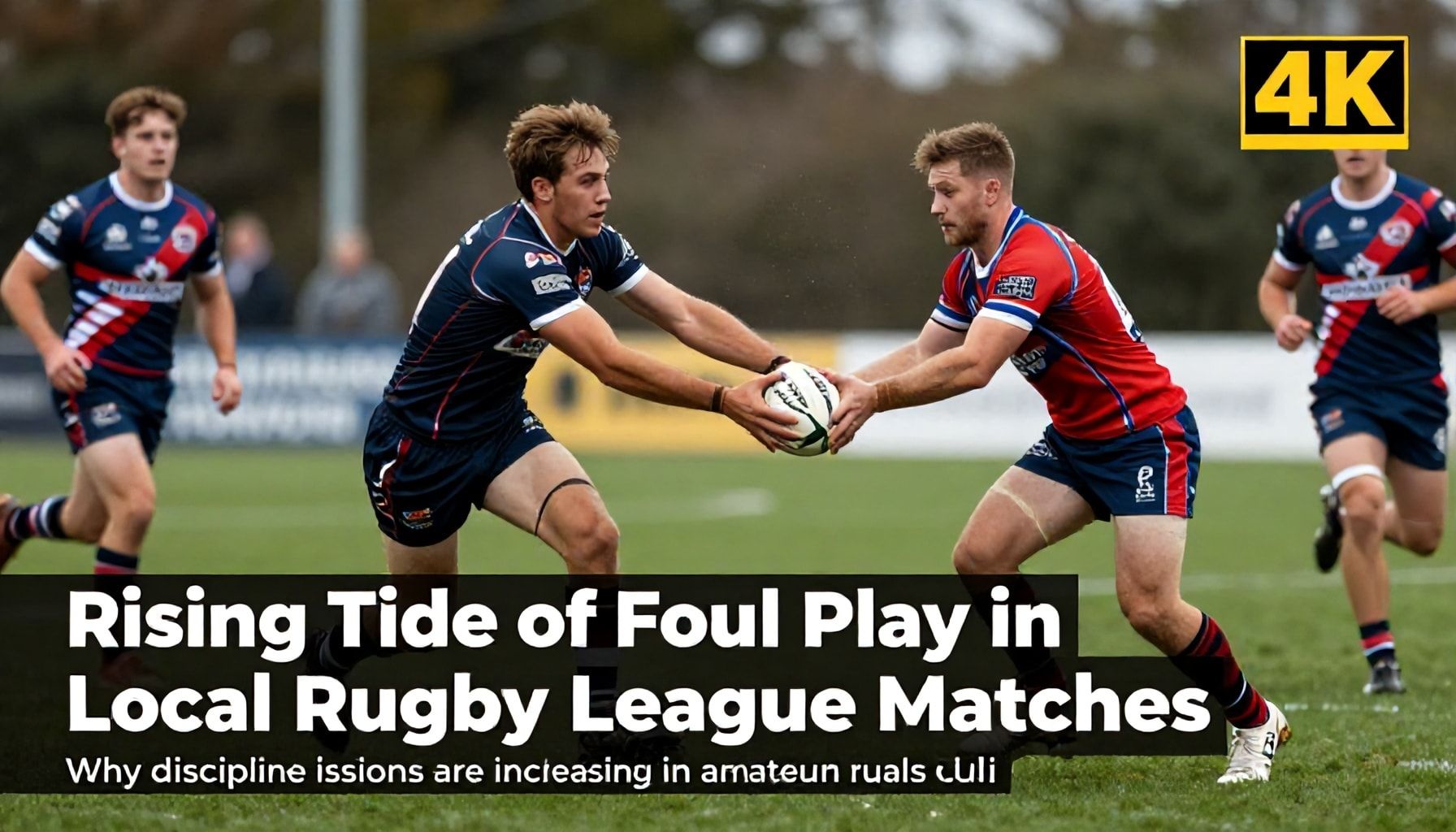
Discipline issues in amateur rugby league matches have surged alarmingly in recent seasons. The Rugby Football League (RFL) reports a 35% increase in reported foul play incidents over the past three years. This trend has raised concerns among officials and players alike.
Experts attribute the rise to several factors. Increased competition for limited spots in professional academies has intensified on-field aggression. “Players feel immense pressure to stand out,” says Dr. Sarah Johnson, a sports psychologist. “This sometimes manifests in reckless behaviour.”
The lack of professional referees in amateur leagues exacerbates the problem. With fewer qualified officials, enforcement of rules becomes inconsistent. “Amateur referees often struggle with crowd pressure and player intimidation,” admits John Smith, a veteran referee.
Social media has also played a role. Online platforms amplify incidents, sometimes distorting facts. “Footage taken out of context can fuel disputes and escalate tensions,” notes a league spokesperson. This digital echo chamber creates additional pressure on players.
The RFL has responded with initiatives to address the issue. New training programmes aim to educate players and referees alike. “We’re focusing on prevention through better education,” the spokesperson states. However, changing deeply ingrained behaviours will take time.
Amateur Rugby League Faces Growing Player Conduct Crisis

Amateur rugby league is grappling with a surge in player conduct issues, with disciplinary cases rising by 23% in the past year. The increase has left clubs and governing bodies scrambling to address the problem, which threatens the grassroots level of the sport.
Experts point to several factors driving the rise in misconduct. A shortage of qualified referees has led to more games being officiated by volunteers with limited experience. This has created an environment where players feel rules are inconsistently enforced.
The culture within some amateur clubs has also come under scrutiny. Former player and current coach Mark Johnson notes a shift in attitudes. “There’s been a decline in respect for officials and opponents,” he says. “Some players seem to think the rules don’t apply to them at this level.”
Financial pressures are exacerbating the situation. Many amateur clubs struggle to afford proper training facilities, forcing games onto smaller, poorly maintained pitches. This increases the likelihood of clashes between players.
The Rugby Football League (RFL) has acknowledged the problem. In a statement, they said they are working with local leagues to implement stricter disciplinary measures. However, the RFL admits that progress has been slow due to limited resources.
Clubs are taking matters into their own hands. Several have introduced mandatory behaviour contracts for new players. Others are investing in referee development programmes to improve officiating standards.
Despite these efforts, the crisis shows no signs of abating. With player numbers at an all-time high, the pressure on amateur rugby league’s disciplinary systems is only set to increase.
Grassroots Rugby League Struggles with Increasing On-Field Misconduct

Amateur rugby league is grappling with a surge in on-field misconduct, with grassroots clubs reporting a significant increase in disciplinary incidents. The Rugby Football League (RFL) has recorded a 25% rise in reported cases of foul play and abusive behaviour in the past two seasons. Clubs and referees point to several factors contributing to this worrying trend.
One major factor is the increased pressure on amateur players, many of whom are balancing demanding jobs and personal commitments. “Players are under more stress than ever before,” says Sarah Johnson, chair of the National Amateur Rugby League Association. “This pressure can sometimes boil over on the field.”
The rise of social media has also been cited as a contributing factor. Online platforms can amplify tensions, with players and fans engaging in heated exchanges that sometimes spill over into matches. “Social media has changed the dynamic of the game,” notes John Smith, a referee with over 15 years of experience. “It’s added a new layer of pressure that didn’t exist before.”
Additionally, there has been a decline in the number of qualified referees officiating at amateur matches. The RFL reports a 15% drop in registered referees over the past three years. This shortage has led to more inexperienced officials taking charge of games, which can result in inconsistent enforcement of the rules and increased frustration among players.
The RFL is taking steps to address the issue, including launching new initiatives to recruit and retain referees. However, the problem persists, with clubs and players calling for more support and resources to tackle the root causes of misconduct.
The Rugby Football League has acknowledged the growing concern over discipline issues in amateur games, with incidents of foul play and unsporting behaviour increasing at an alarming rate. The organisation is set to introduce stricter penalties and enhanced education programmes to address the problem, aiming to preserve the integrity of the sport at grassroots level.
This crackdown comes as clubs and players face potential suspensions and fines for repeated offences. The RFL hopes that by targeting the root causes of misconduct, they can foster a safer and more respectful environment for all participants. The long-term impact of these measures remains to be seen, but the league is determined to take decisive action to curb the rising tide of disciplinary issues.






