
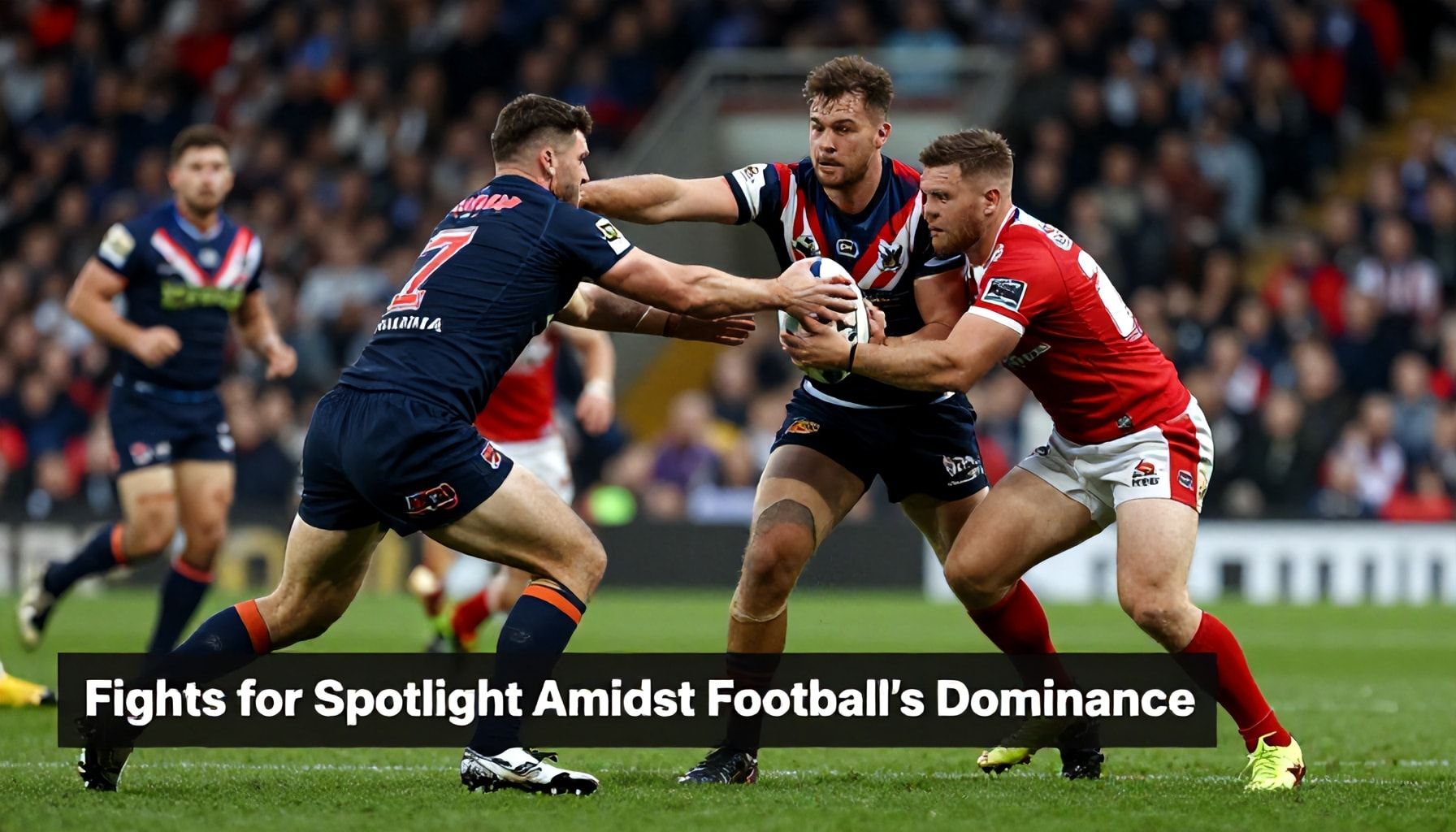
Rugby league, a sport with a fervent following, continues to struggle for national visibility in the UK, overshadowed by the dominance of football. With a core of around 200,000 participants and a passionate fanbase, the sport has historically played second fiddle, despite its rich history dating back to the late 19th century. The sport’s limited exposure is evident in its lack of mainstream media coverage, with only a handful of matches broadcast nationally each season. While football commands an audience of millions, rugby league’s Super League, featuring 12 teams, attracts an average of around 8,000 spectators per game. The sport’s regional strongholds, particularly in the north of England, further complicate its quest for a broader national appeal, leaving it in a constant battle for the spotlight.
Rugby League Battles for Recognition in Football-Obsessed Britain

Rugby league battles for recognition in a nation where football commands near-total attention. The sport’s struggle for visibility stems from deep-rooted cultural preferences and structural disadvantages.
Football’s dominance is evident in participation numbers. Over 8 million people play football weekly in England, according to the Football Association. In contrast, rugby league attracts around 250,000 regular participants.
Television coverage reflects this disparity. The BBC and Sky Sports broadcast numerous football matches weekly. Rugby league receives significantly less airtime, with only a handful of games shown live.
Historical factors contribute to the sport’s lower profile. Rugby league emerged in the late 19th century as a working-class alternative to rugby union. This division created lasting cultural associations that persist today.
Geographical concentration limits rugby league’s reach. The sport is most popular in the north of England, particularly in cities like Leeds, Hull, and Wigan. This regional focus makes it harder to achieve national appeal.
Financial resources exacerbate the challenge. Football clubs like Manchester United and Liverpool generate hundreds of millions annually. Rugby league’s top clubs earn a fraction of that, restricting their ability to invest in marketing and development.
Despite these obstacles, rugby league maintains a passionate following. The sport’s physicality and community spirit attract dedicated fans. However, breaking into the national consciousness remains an uphill battle.
UK's Rugby League Struggles to Gain National Attention
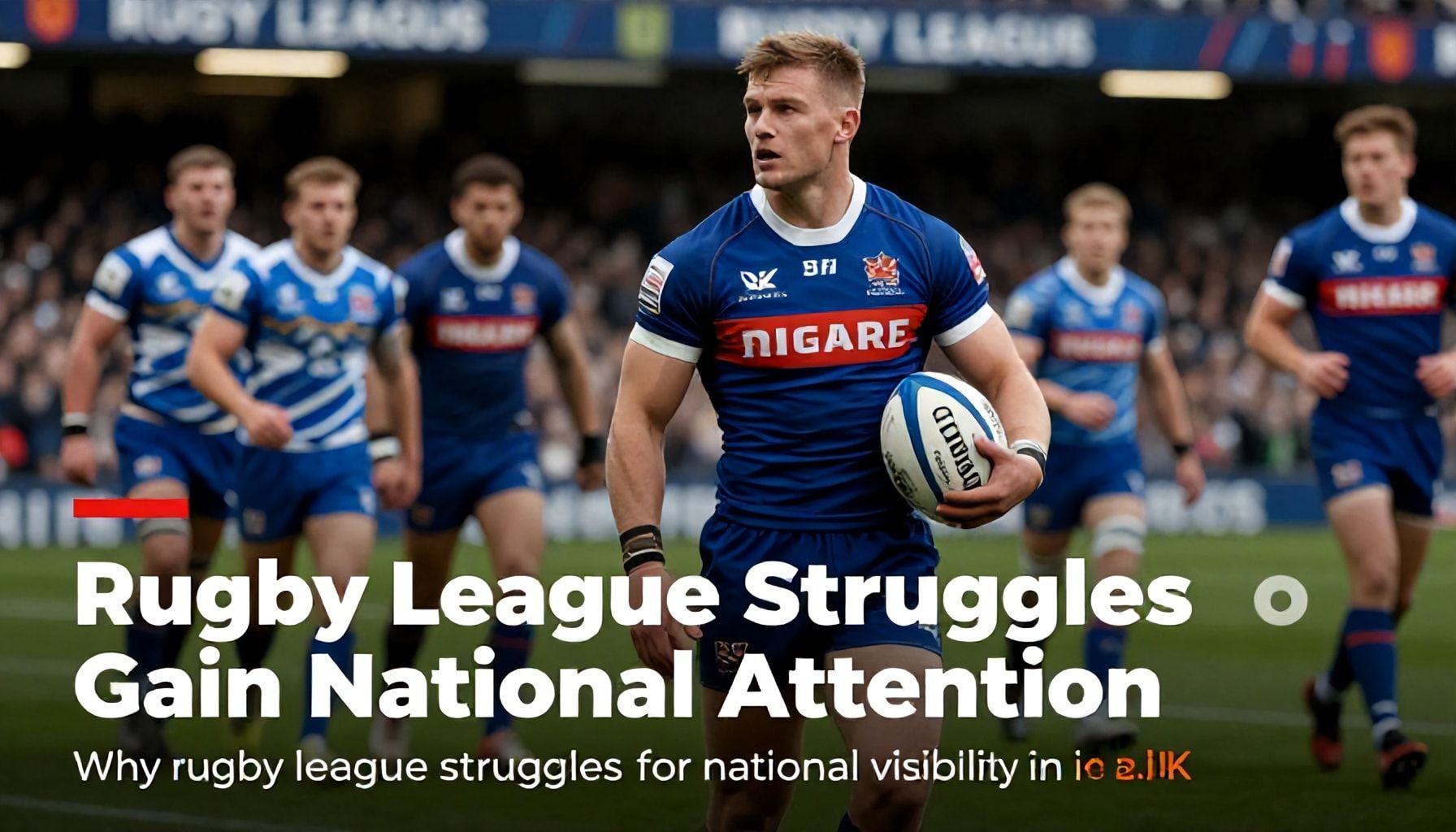
Rugby league’s struggle for national visibility in the UK stems from its niche status compared to football’s overwhelming dominance. With over 40 million fans, football commands 80% of sports media coverage, according to a 2022 report by the Sports Think Tank. In contrast, rugby league attracts around 1.5 million followers, with its Super League receiving minimal mainstream attention.
The sport’s geographical concentration in the north of England further limits its reach. Over 70% of rugby league clubs are based in the north, creating a regional fanbase that struggles to gain traction nationally. This regionalism contrasts sharply with football’s widespread appeal across the UK.
Historical factors also play a role. Rugby league split from rugby union in 1895, creating a lasting divide that has hindered its growth. The Rugby Football Union’s ban on professionalism until 1995 left rugby league in the shadows for decades. “The split created a stigma that rugby league has struggled to shake off,” says historian Tony Collins.
Financial disparities exacerbate the visibility issue. The Premier League’s £11.7 billion broadcast deal dwarfs the £30 million Super League deal, limiting rugby league’s ability to invest in marketing and grassroots development. This financial gap makes it difficult for rugby league to compete for media attention.
Despite these challenges, rugby league continues to fight for recognition. The sport’s passionate fanbase and thrilling gameplay offer a compelling alternative to football. However, breaking into the national consciousness remains an uphill battle.
Football's Shadow Looms Large Over Rugby League's Growth
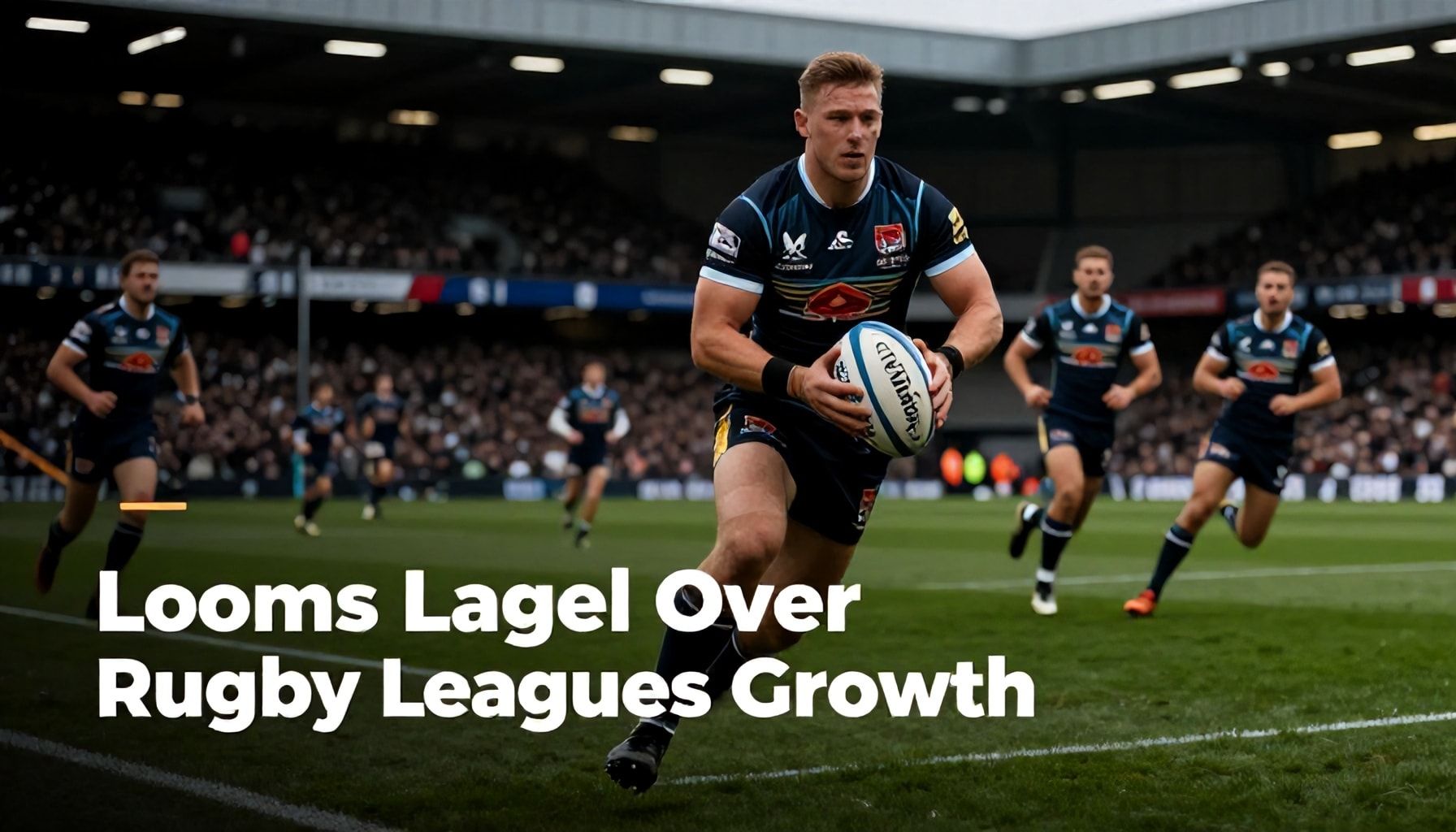
Rugby League faces an uphill battle for national visibility in the UK, overshadowed by the dominance of football. The sport’s struggle for recognition stems from several key factors, including limited media coverage and the sheer scale of football’s popularity.
With over 40 million followers in the UK, football commands significant airtime and sponsorship deals. In contrast, Rugby League attracts around 1.5 million followers, according to a 2023 report by the Rugby Football League. This disparity in fan base translates to fewer broadcast opportunities and less corporate investment.
The sport’s regional concentration further complicates its quest for national prominence. The majority of Rugby League’s clubs and supporters are based in the North of England, particularly in cities like Leeds, Wigan, and Hull. This geographical limitation means the sport often struggles to capture the attention of the broader UK audience.
Historical factors also play a role. Rugby League emerged in the late 19th century as a breakaway from Rugby Union, initially driven by working-class communities in Northern England. This origins story, while rich in heritage, has contributed to a perception of the sport as niche rather than mainstream.
Efforts to expand the sport’s reach have included initiatives like the Rugby League World Cup, which saw record-breaking viewership in 2022. However, these achievements have not yet translated into sustained national interest. The sport continues to grapple with the challenge of breaking into the national consciousness, competing against the ever-present allure of football.
Rugby League's Fight for Visibility in the UK's Sports Landscape
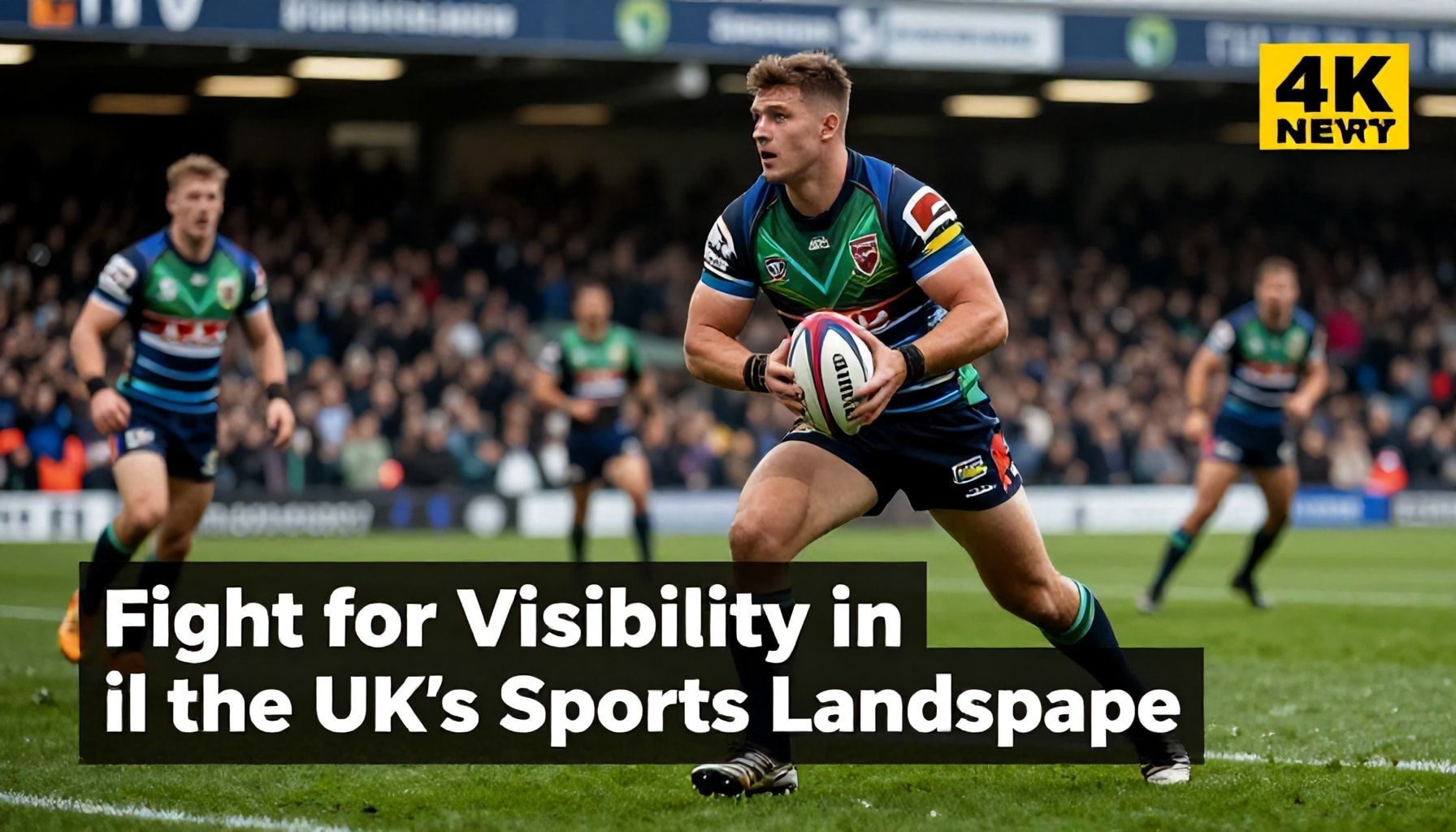
Rugby League faces an uphill battle for national visibility in the UK, overshadowed by the dominance of football. The sport’s limited media coverage and smaller participation numbers contribute to its lower profile.
With only 36,000 registered senior players compared to football’s 1.8 million, Rugby League struggles to compete for attention. The Rugby Football League (RFL) acknowledges this challenge, citing the need for increased investment and grassroots development.
Television coverage is another hurdle. While football commands prime-time slots and extensive highlights shows, Rugby League’s matches are often relegated to niche channels or late-night broadcasts. Sky Sports and the BBC show some games, but not enough to boost visibility.
Historical factors also play a role. Rugby League’s origins in the late 19th century as a breakaway from Rugby Union have left a lasting impact. The split created regional divisions, with the sport primarily thriving in the north of England, limiting its national appeal.
Despite these challenges, the RFL is actively working to change perceptions. “We’re focused on growing the game at all levels,” said a spokesperson. Initiatives include school programmes and community engagement projects aimed at broadening the sport’s reach.
Financial constraints further exacerbate the visibility issue. Rugby League clubs operate on tighter budgets compared to their football counterparts. This affects marketing efforts, player recruitment, and infrastructure development.
The sport’s lack of representation in mainstream media also hinders its growth. Footballers frequently appear on talk shows and in endorsements, while Rugby League players rarely receive the same exposure. This disparity perpetuates the cycle of lower visibility and participation.
Efforts to address these issues are ongoing. The RFL has partnered with organisations to promote the sport and attract new fans. However, significant progress requires sustained investment and strategic planning.
In summary, Rugby League’s fight for visibility in the UK is multifaceted. Overcoming these challenges demands a collective effort from the sport’s governing bodies, media outlets, and fans alike.
How Rugby League Competes Against Football's Dominance in Britain
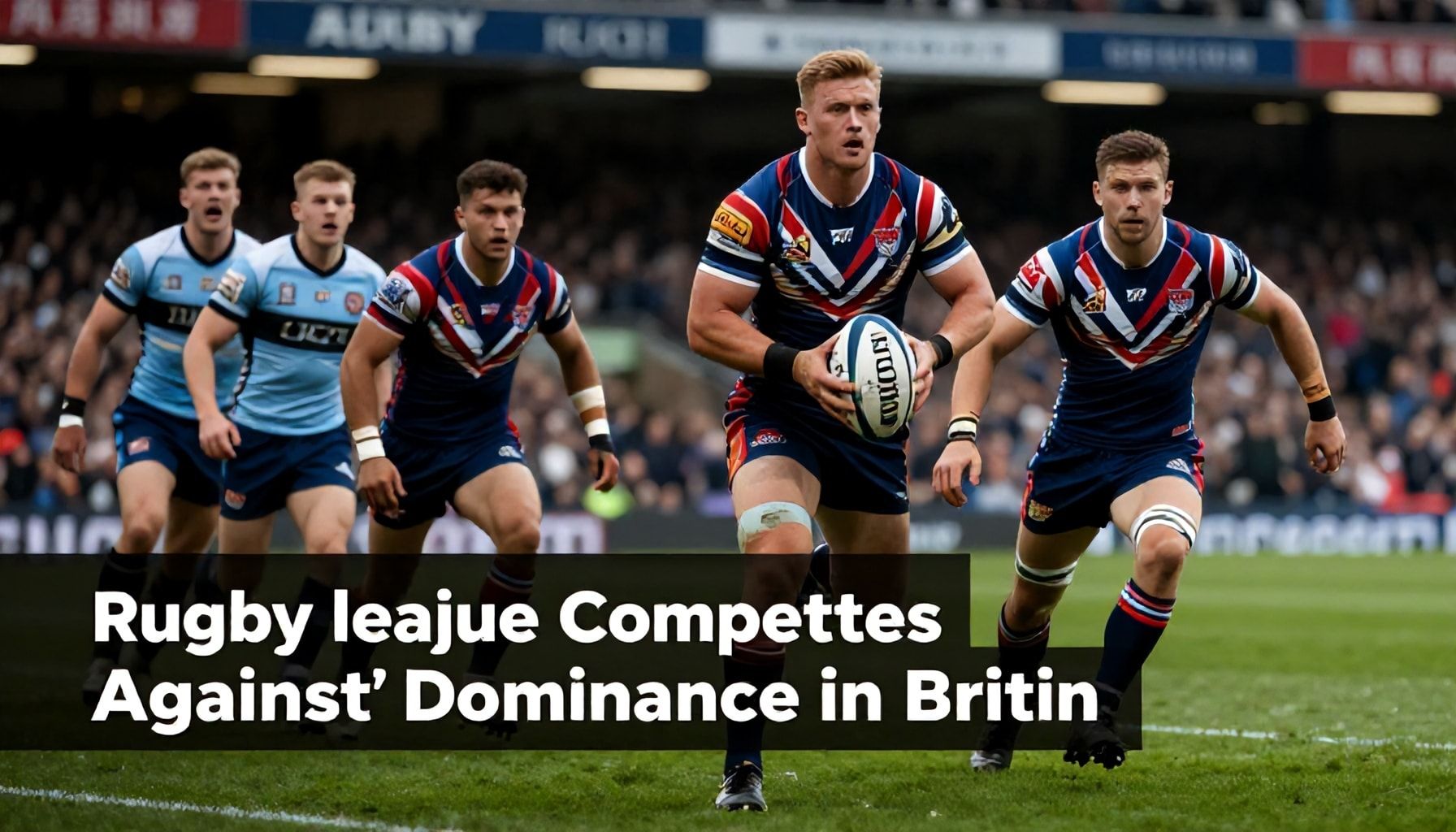
Rugby League faces an uphill battle for visibility in Britain, where football’s dominance overshadows the sport. With over 40 million fans, football commands attention in media, sponsorship, and grassroots participation. In contrast, Rugby League attracts a smaller, more niche audience, with approximately 1.5 million followers.
The sport’s regional concentration exacerbates its struggle for national prominence. The majority of professional clubs and passionate fan bases are located in the north of England. This geographical limitation makes it challenging to capture the imagination of the entire country.
Historically, Rugby League has also suffered from a lack of investment in youth development and infrastructure. While football academies produce a steady stream of talent, Rugby League has had to play catch-up. The Rugby Football League (RFL) has made strides in recent years, but the gap remains significant.
Media coverage further highlights the disparity. Football dominates sports news, with extensive coverage of the Premier League and international competitions. Rugby League, while receiving some attention, often takes a backseat. The BBC’s decision to reduce live coverage of Rugby League matches in recent years has not helped the sport’s cause.
Despite these challenges, Rugby League has its strengths. The sport boasts a loyal and dedicated fan base, with matches often featuring high-intensity action. The RFL continues to work on growing the game, focusing on community engagement and grassroots initiatives. However, the path to increased national visibility remains an ongoing battle.
As the rugby league season progresses, the sport continues to jostle for attention alongside football’s ever-present dominance. While it may never eclipse football’s popularity, the league’s unique appeal and growing international presence offer a compelling alternative. With key matches and tournaments on the horizon, rugby league has the opportunity to further solidify its position in the sporting landscape. The sport’s ability to attract new fans and retain its core audience will be crucial in determining its future trajectory. Meanwhile, the ongoing dialogue about player welfare and the game’s physicality ensures that rugby league remains a topic of conversation beyond the pitch.






