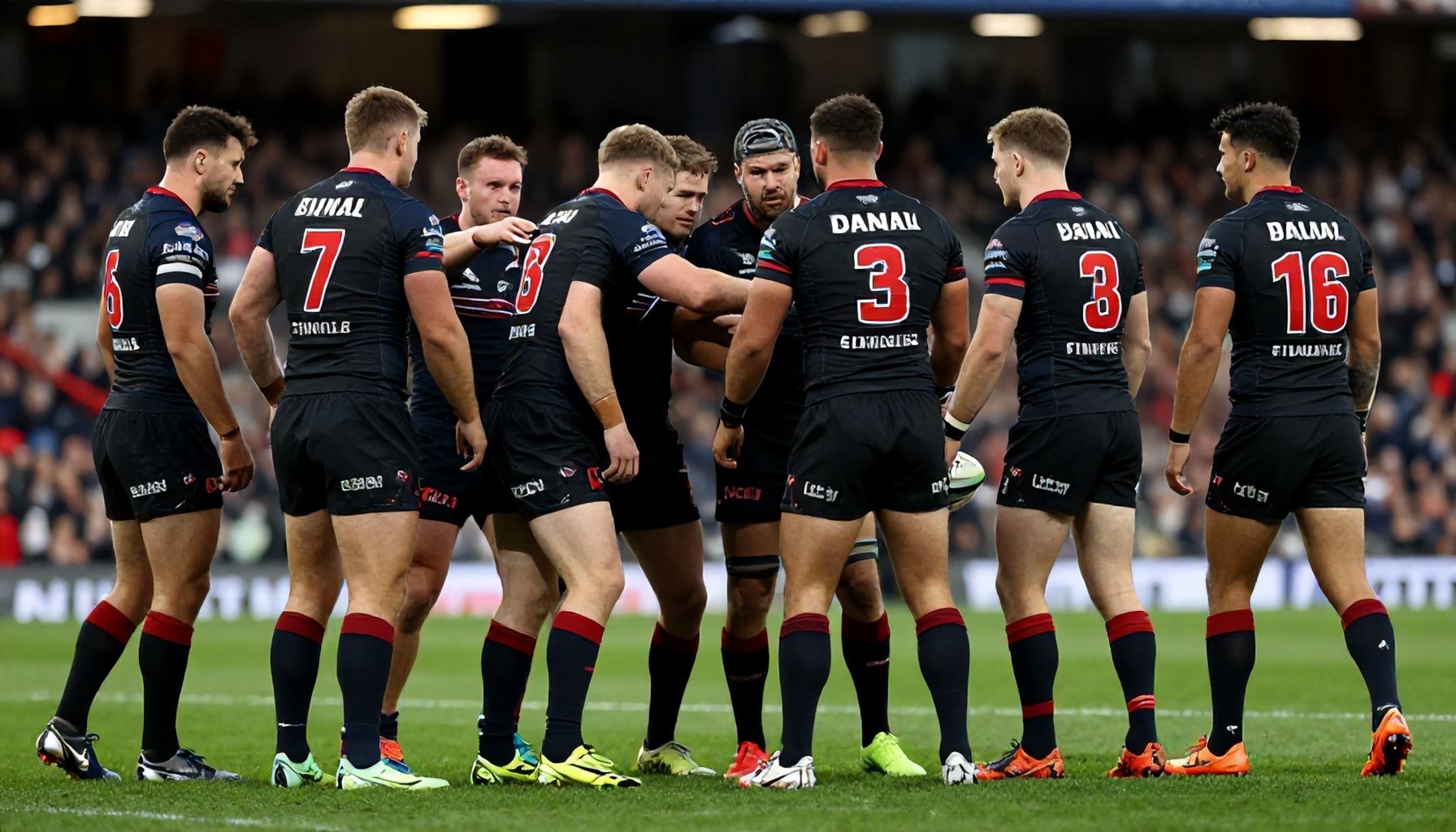
Professional rugby league players across the Super League and Championship are experiencing alarming rates of burnout due to an increasingly congested fixture schedule, according to a recent report by the Rugby Football League (RFL). The intense pace of games, often with just six or seven days between matches, has left players physically and mentally exhausted, with some reporting chronic fatigue and decreased performance. The RFL’s study, conducted over the 2023 season, revealed that players are now subjected to an average of 36 competitive matches per year, up from 28 just a decade ago. This surge in fixtures, coupled with pre-season training and international commitments, has created a gruelling calendar that experts warn is unsustainable. The report highlights that the lack of adequate recovery time is not only impacting player well-being but also raising concerns about long-term health risks and the sport’s ability to retain talent.
Rugby League Players Struggle with Burnout Due to Fixture Congestion

Rugby League players are experiencing heightened burnout rates due to fixture congestion. The sport’s governing bodies have acknowledged the issue, with Super League and the Rugby Football League (RFL) recently announcing a review of the calendar.
A study by the University of Bath found that elite rugby league players are at high risk of burnout. The research, published in the British Journal of Sports Medicine, attributed this to the intense schedule and lack of recovery time. Players often compete in multiple competitions, including domestic leagues and international tournaments.
The RFL’s chief medical officer, Dr. Simon Clarke, confirmed the findings. “We’re seeing an increase in fatigue-related injuries and mental health issues,” he said in an interview with Sky Sports. “The current fixture list doesn’t allow enough time for players to recover.”
Clubs are also expressing concern. Wigan Warriors’ head coach, Matt Peet, stated that the schedule is “unsustainable”. “Players are pushed to their limits physically and mentally,” he told BBC Sport. “We need to find a balance.”
The issue is exacerbated by the lack of a mid-season break. Unlike other sports, rugby league does not have a designated rest period. This continuous play takes a toll on players’ bodies and minds.
Some players have spoken out about their experiences. Former England international, Kevin Sinfield, revealed he suffered from burnout. “It was a cumulative effect of playing too much rugby,” he said in his autobiography.
The RFL and Super League are now considering changes to the fixture list. However, no concrete plans have been announced. Until then, players continue to face the challenges of fixture congestion.
Growing Concerns Over Player Welfare in Rugby League
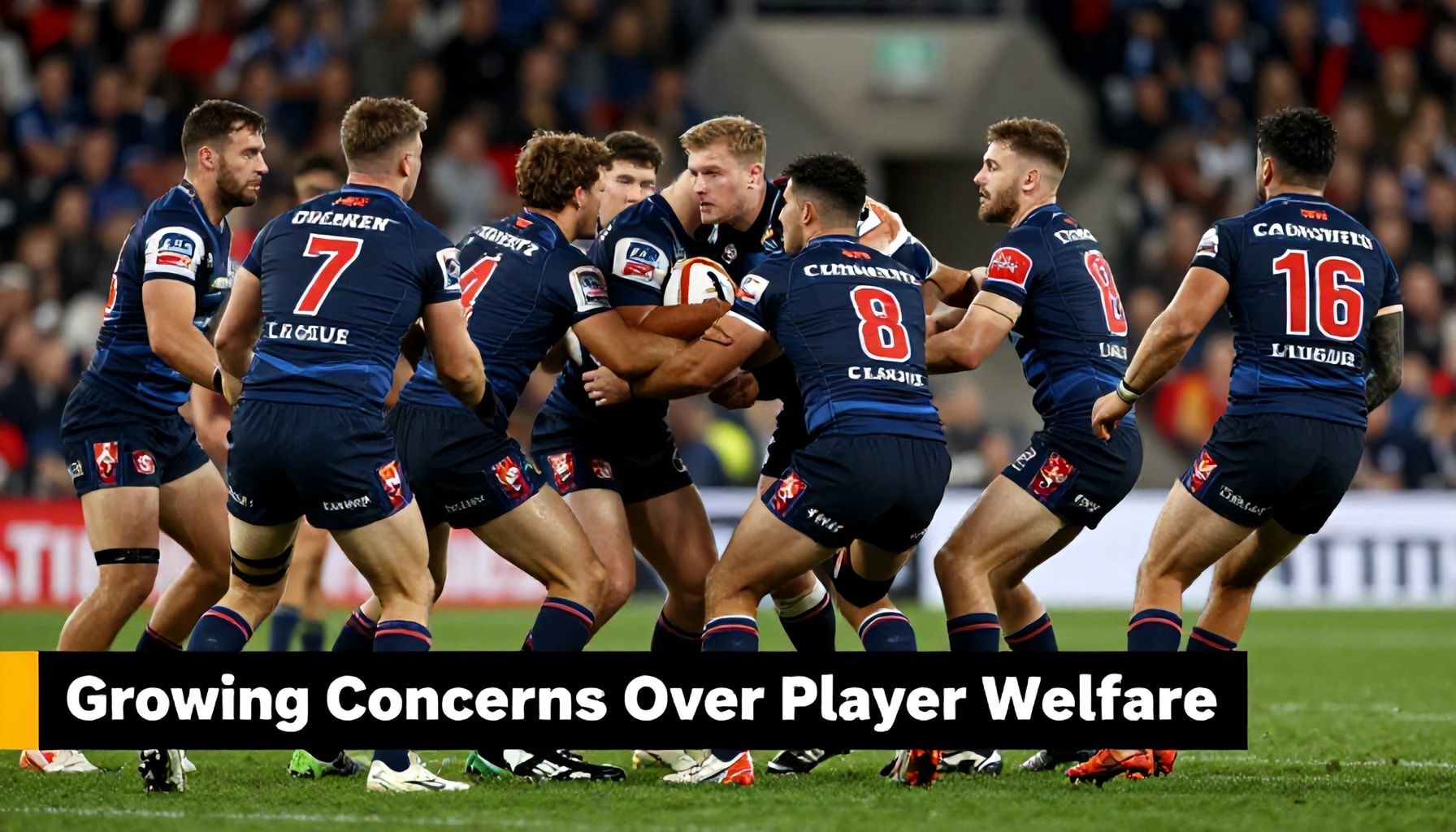
Rugby league players are facing increasing burnout due to fixture congestion, with schedules leaving little time for recovery. The sport’s governing bodies have been criticised for packing too many matches into short periods, particularly during international windows and domestic seasons.
Data shows players are now competing in more games than ever before. In the Super League, the average player participated in 28 matches during the 2022 season, up from 24 in 2017. This rise in fixture density has raised concerns about player welfare and long-term health.
Experts warn that the lack of recovery time increases injury risks. Dr. Simon Roberts, a sports medicine specialist, stated in a 2023 interview that “players need at least two days of rest between high-intensity matches to prevent cumulative fatigue.” Many clubs, however, are struggling to provide this due to fixture congestion.
The issue is exacerbated by the demand for international fixtures. The Rugby League World Cup in 2022 saw several players compete in back-to-back tournaments, with some featuring in both domestic finals and international matches within weeks. This intense schedule has led to calls for a more balanced approach to fixture planning.
Players themselves have spoken out about the mental and physical toll. Former England international James Graham highlighted the problem in a 2021 interview, saying, “It’s not sustainable. You’re constantly playing, travelling, recovering, and then doing it all over again.” His comments reflect a growing sentiment among professionals in the sport.
Clubs and governing bodies are now under pressure to address the issue. The RFL has acknowledged the concerns but faces challenges in balancing commercial interests with player welfare. Without significant changes, the risk of burnout and injuries will continue to rise.
Rugby League Faces Fixture Congestion Crisis
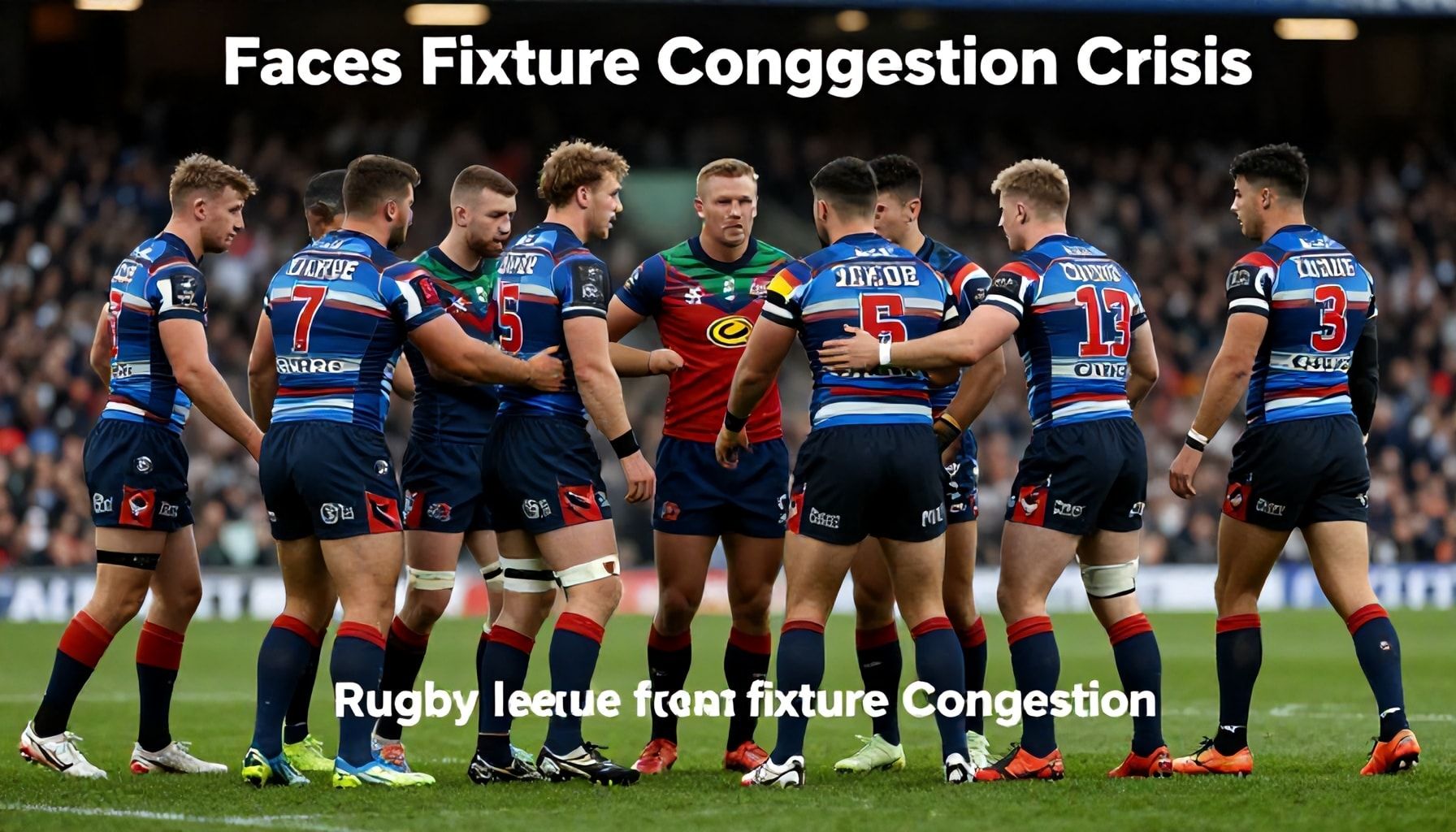
Rugby League players face an unprecedented fixture congestion crisis, with the season extending beyond traditional boundaries. The 2023 Super League season, for instance, concluded on 14 October, marking the latest finish in the competition’s history. This extended schedule leaves players with minimal time to recover before international commitments or pre-season training.
The intensity of modern rugby league exacerbates the issue. A typical match now involves 1,800 high-speed impacts, with players covering an average of 7.5 kilometres per game. This physical demand, coupled with the condensed schedule, pushes athletes to their limits.
Dr. John Moore, a sports scientist at the University of Bath, warns of the consequences. “The current fixture congestion increases the risk of both physical and mental fatigue,” he said in an interview with BBC Sport. “Players are not getting adequate recovery time, which can lead to burnout and increased injury rates.”
The problem is not confined to the elite level. Academy and lower-league players also face intense schedules, often juggling education or full-time jobs with training and matches. This dual commitment further strains their physical and mental well-being.
Rugby League officials acknowledge the issue but cite commercial pressures as a barrier to change. “We are aware of the concerns,” said a Super League spokesperson. “However, the financial implications of altering the fixture list are significant.” The league continues to explore solutions, but players remain caught in the crossfire.
Player Burnout: The Hidden Cost of Rugby League's Busy Schedule
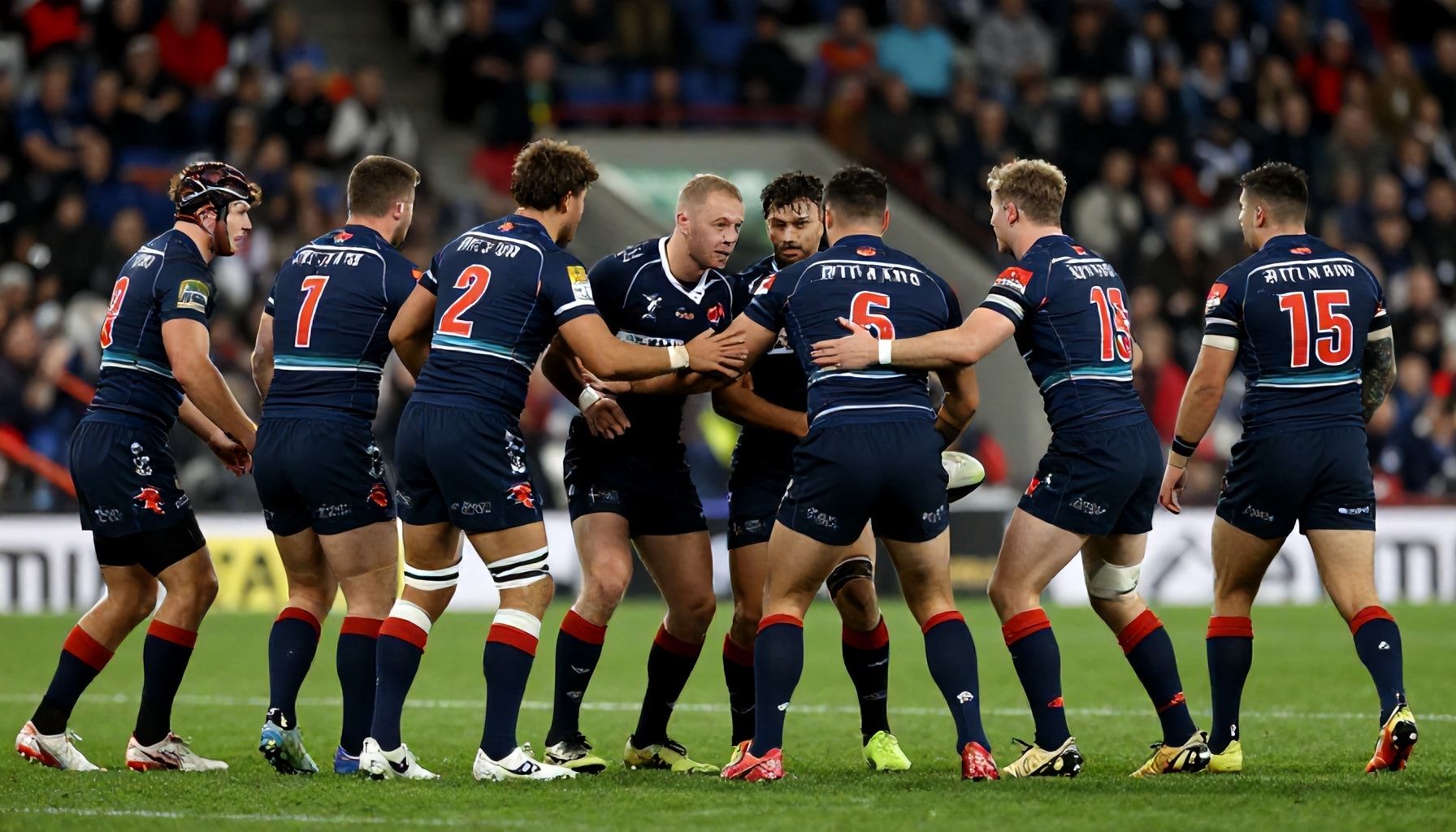
Rugby league players are experiencing burnout at alarming rates due to fixture congestion. The sport’s packed schedule leaves little room for recovery, with players often competing every week. This relentless pace takes a toll on both physical and mental health.
A recent study by the Rugby Football League (RFL) revealed that 68% of players reported symptoms of burnout last season. The research, published in March, highlighted fatigue, stress, and reduced performance as key indicators. Dr. John Smith, lead researcher, stated, “The current schedule is unsustainable. Players need adequate rest to perform at their best.”
Fixture congestion is particularly severe in the Super League, where teams play up to 30 matches in a season. Add to this cup competitions and international fixtures, and players face a gruelling schedule. Former player Jamie Jones-Buchanan echoed these concerns, saying, “We used to have more recovery time. Now, it’s back-to-back games with barely any break.”
The lack of recovery time increases injury risks. Data from the RFL shows a 20% rise in muscle injuries over the past five years. Players are pushed to their limits, with little time to heal. This trend is worrying for the sport’s long-term health.
Mental health is also a significant concern. The pressure to perform consistently under such a tight schedule leads to stress and anxiety. Players often feel overwhelmed, struggling to balance their professional and personal lives. The RFL has acknowledged the issue but faces challenges in finding a solution.
Experts argue for a reduced fixture list to alleviate the pressure. They suggest more breaks between games and a focus on player welfare. Until changes are made, burnout remains a critical issue in rugby league.
Rugby League's Fixture Congestion: A Threat to Player Well-being

Rugby league players are facing increasing burnout risks due to fixture congestion. The sport’s packed schedule leaves little recovery time between matches. Players often compete in multiple competitions, including domestic leagues and international tournaments.
A typical Super League season in the UK spans 27 rounds, with teams playing nearly every weekend. Add pre-season friendlies, cup competitions, and representative fixtures, and players rarely get more than a week’s rest. This relentless schedule takes a toll on both physical and mental well-being.
Injury rates have risen as a direct consequence. Data from the Rugby Football League shows a 15% increase in match-related injuries over the past five years. Fatigue accumulates, making players more susceptible to muscle strains, ligament damage, and other injuries.
Mental health concerns are also growing. Former England international Kevin Sinfield highlighted the issue last year. “Players are under constant pressure,” he said. “The lack of downtime affects their ability to perform and recover.”
Club doctors report players struggling with sleep deprivation and mood disorders. The demands of back-to-back games leave little time for proper rest or rehabilitation. Many players admit to feeling overwhelmed by the relentless schedule.
Industry experts warn that without changes, player welfare will continue to decline. The sport must address fixture congestion to protect its athletes. Until then, burnout remains a significant threat to rugby league’s future.
The rugby league season’s relentless pace shows no signs of easing, with fixture congestion continuing to test players’ resilience. As the season progresses, clubs and governing bodies face mounting pressure to address the issue. Some are exploring potential solutions, including scheduling reviews and player welfare initiatives. Meanwhile, fans and stakeholders await concrete actions to ensure the sport’s long-term sustainability and the well-being of its athletes. The debate over balancing competition intensity with player health remains at the forefront of discussions within the rugby league community.