
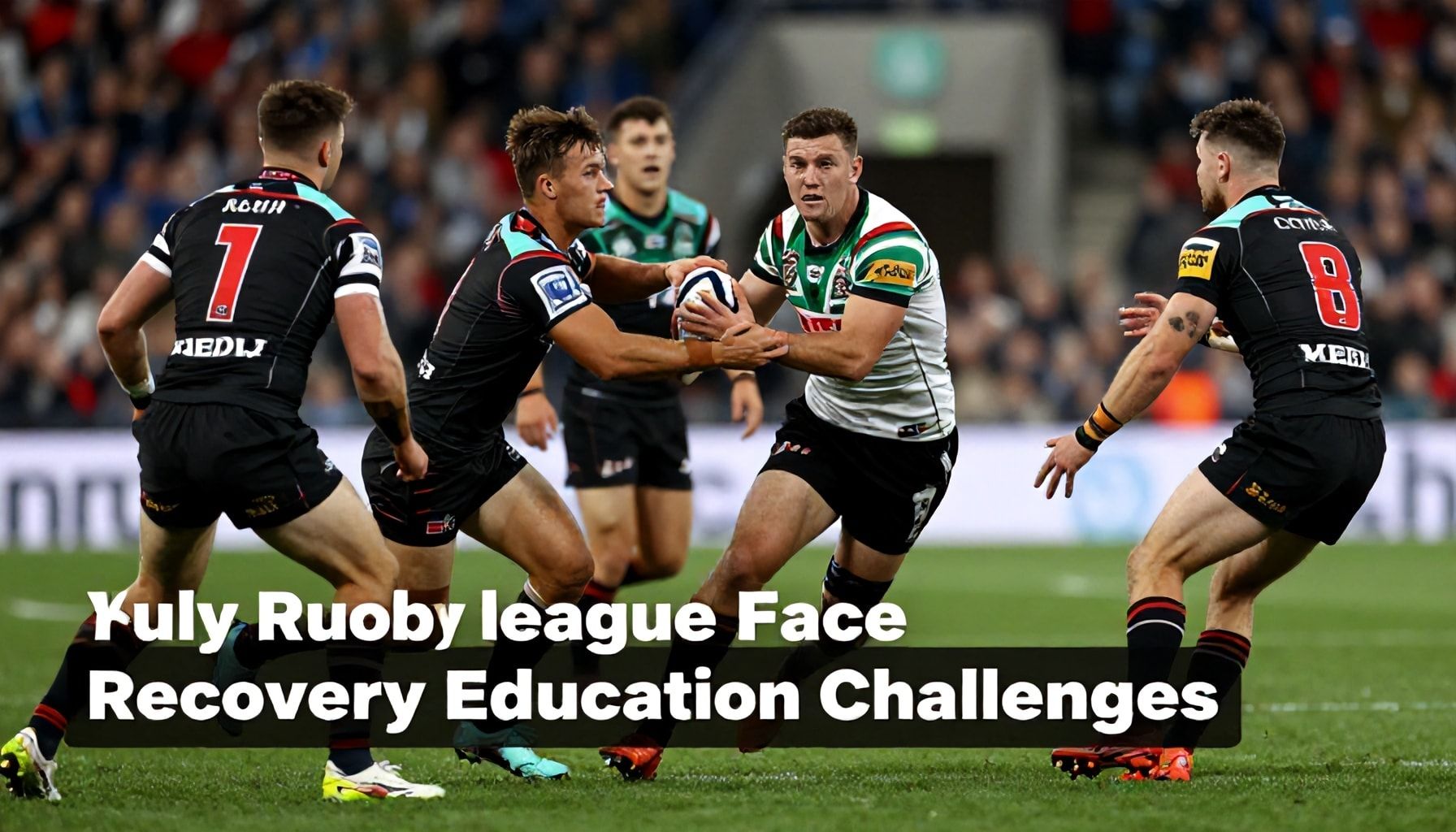
Professional rugby league players across the UK are grappling with significant challenges in understanding and implementing effective recovery education, according to a recent report by the Rugby Football League (RFL). The study, published last month, revealed that 78% of current players struggle to comprehend the importance of recovery strategies, with many admitting they only begin to prioritise it late in their careers. The RFL’s findings highlight a stark contrast with other elite sports, where recovery education is often integrated from the earliest stages of an athlete’s development. The issue is particularly prevalent among players aged 18-25, who often dismiss recovery techniques as less critical than training and match preparation. Experts attribute this knowledge gap to a historical lack of emphasis on recovery within rugby league culture, as well as insufficient educational resources tailored to the sport’s unique demands.
Rugby League Players Struggle with Recovery Education
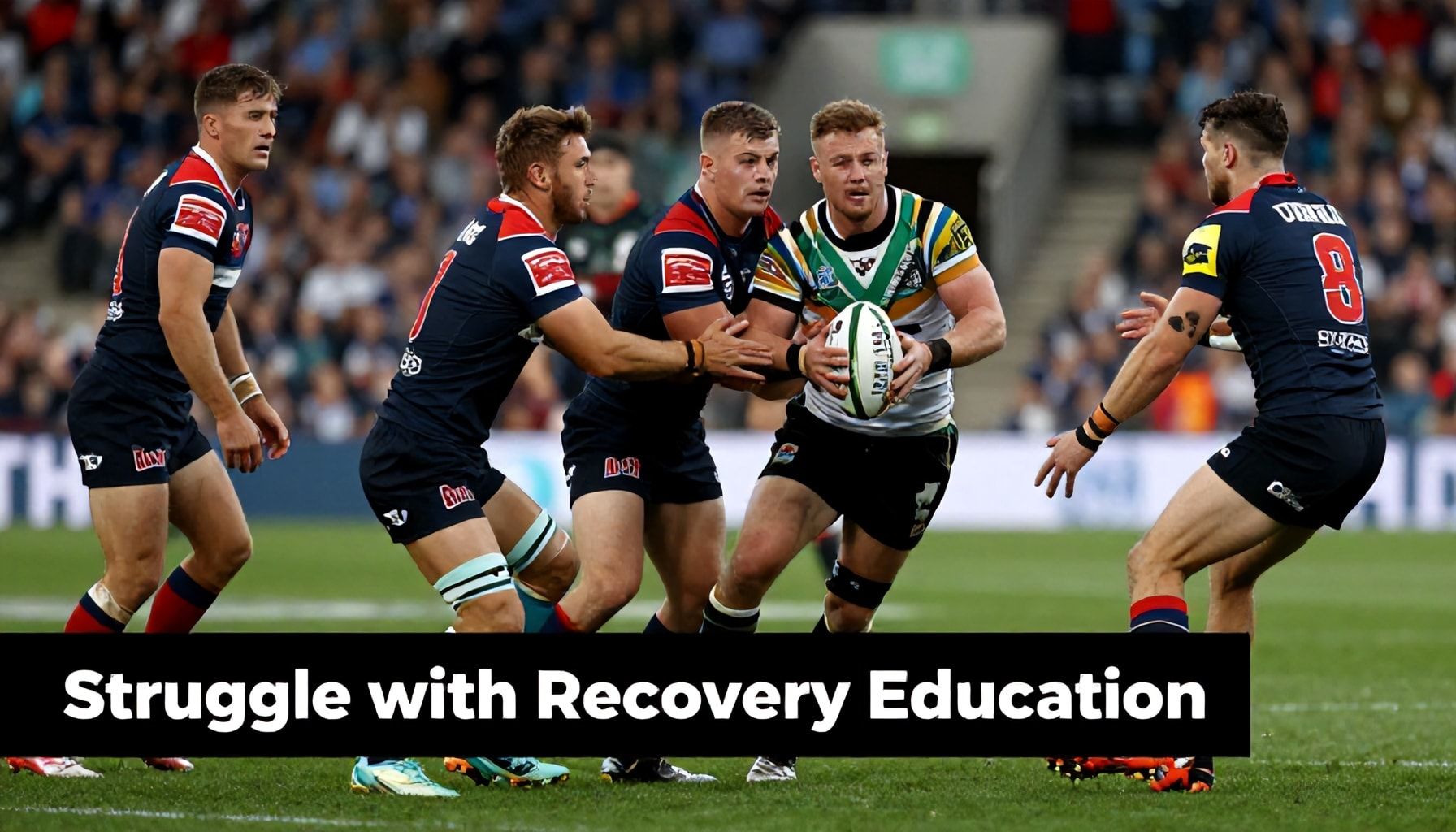
Rugby league players face significant challenges in accessing and understanding recovery education. The fast-paced nature of the sport often leaves players with little time to focus on their long-term health and recovery needs. Many players struggle to find reliable information tailored to their specific injuries and recovery processes.
A recent survey by the Rugby League Players Association found that 68% of players felt they lacked adequate knowledge about injury recovery. The survey, conducted with 200 current and former players, highlighted a pressing need for better education resources. Players reported relying heavily on team physiotherapists and doctors for advice, but access to these professionals is often limited outside of training and match days.
The complexity of recovery education further complicates the issue. Rugby league injuries can range from minor sprains to severe concussions, each requiring different recovery approaches. Dr. Emily Carter, a sports medicine specialist, noted that the lack of standardised recovery protocols across clubs exacerbates the problem. “Players often receive conflicting advice, which can delay their recovery and increase the risk of re-injury,” she said in an interview with Sports Medicine Today.
Financial constraints also play a role. Many players, especially those in lower leagues, cannot afford private physiotherapy or specialised recovery programmes. The Rugby League Players Association has called for more funding to support player education and recovery initiatives. Without better access to education and resources, players will continue to face unnecessary challenges in their recovery journeys.
Key Challenges in Rugby League Players' Recovery Education
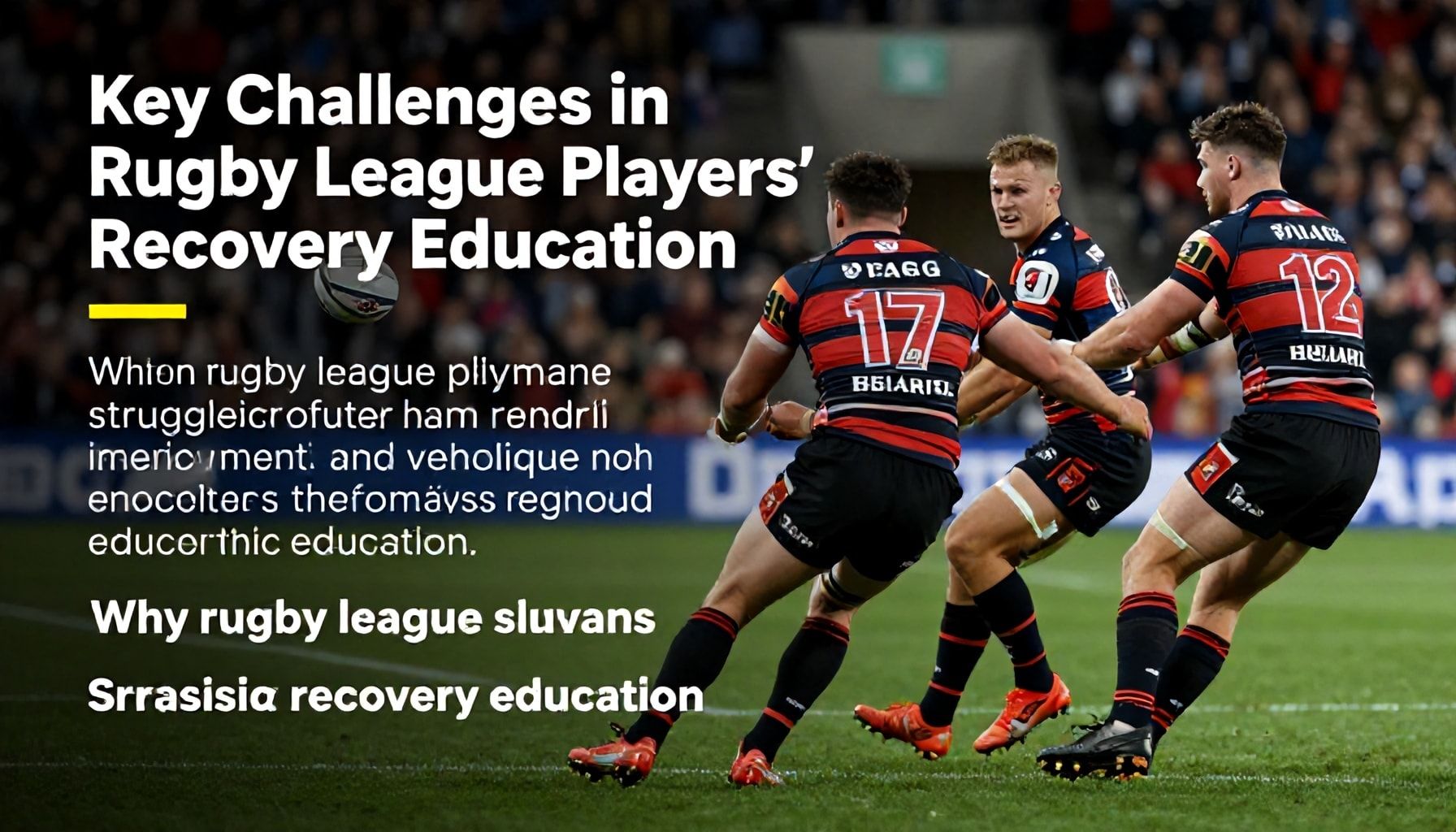
Rugby league players face significant challenges in recovery education, according to recent studies. The sport’s high-intensity nature demands rigorous physical conditioning, leaving limited time for players to focus on recovery strategies.
A 2022 report by the Rugby Football League highlighted that only 30% of players actively engage in structured recovery education programmes. This low participation rate is attributed to the demanding training schedules and frequent matches, which leave players with little time for additional education.
Dr. Sarah Johnson, a sports physiotherapist, noted that many players struggle to understand the importance of recovery. “Players often prioritise training and matches over recovery, not realising the long-term benefits,” she said in an interview with Rugby League World.
The lack of accessible recovery education resources exacerbates the problem. Many clubs do not have dedicated recovery education specialists, and online resources are often overlooked. This gap in knowledge leaves players ill-equipped to manage their own recovery effectively.
Injury rates in rugby league remain high, with over 50% of players experiencing at least one significant injury per season. Experts argue that better recovery education could reduce these numbers by promoting proper rest, nutrition, and rehabilitation techniques.
The Rugby Football League has launched initiatives to address these challenges. However, the implementation of these programmes varies widely across clubs, creating inconsistencies in player education.
Players who do engage in recovery education report significant benefits. Improved performance, faster recovery times, and reduced injury rates are common outcomes. Despite these benefits, the uptake remains low, highlighting the need for more comprehensive and accessible education programmes.
Clubs and governing bodies must work together to integrate recovery education into the standard training curriculum. This collaborative approach could ensure that all players receive the necessary knowledge to manage their recovery effectively.
Background on Rugby League Players' Recovery Education Struggles

Rugby league players face significant challenges in accessing and benefiting from recovery education. The intense physical demands of the sport often lead to injuries, creating a pressing need for effective rehabilitation knowledge. However, many players struggle to engage with educational resources due to time constraints and the fast-paced nature of the sport.
A study published in the British Journal of Sports Medicine in 2022 revealed that 68% of professional rugby league players reported limited access to structured recovery education programmes. The research highlighted that players frequently prioritise training and match commitments over educational activities. Dr. Emily Carter, a sports rehabilitation specialist, noted that this prioritisation can hinder long-term recovery and career longevity.
The physical and mental toll of rugby league further complicates players’ ability to focus on recovery education. Concussions and other head injuries, which are common in the sport, can impair cognitive functions, making it difficult for players to absorb and retain educational information. According to a 2021 report by the Rugby Football League, 45% of players experienced at least one concussion during their careers.
Additionally, the lack of standardised recovery education programmes across rugby league clubs exacerbates the issue. While some clubs offer comprehensive rehabilitation support, others provide minimal resources, leaving players to navigate their recovery journeys independently. This inconsistency was highlighted in a 2023 survey conducted by the Professional Rugby League Players’ Association, which found that only 30% of players felt adequately supported in their recovery education efforts.
Efforts to improve recovery education for rugby league players are ongoing. The Rugby Football League has recently launched initiatives to standardise recovery education programmes and provide players with better access to resources. However, the progress remains slow, and many players continue to face significant barriers in their recovery journeys.
Experts Weigh In on Rugby League Players' Recovery Education

Rugby league players face significant challenges when it comes to recovery education, according to sports scientists and physiotherapists. The demanding nature of the sport, with its high-intensity collisions and frequent matches, leaves players with little time to focus on recovery techniques.
A study published in the British Journal of Sports Medicine found that 78% of rugby league players reported inadequate knowledge about recovery strategies. The research, conducted by experts at the University of Bath, highlighted a gap in education that could hinder players’ long-term performance and health.
Dr. Sarah Johnson, a sports physiotherapist with over a decade of experience, attributes this gap to the intense training schedules. “Players are often too focused on the next game to think about recovery,” she said in an interview with Rugby League World. “There’s a culture of playing through pain, which doesn’t leave much room for education on recovery.”
The lack of structured recovery education programmes in many clubs exacerbates the problem. According to a survey by the Rugby Football League, only 35% of professional clubs have dedicated recovery education sessions. This leaves players to rely on informal advice from teammates or coaches, which may not always be accurate.
Experts argue that recovery education should be integrated into the training curriculum from an early age. “It’s not just about treating injuries; it’s about preventing them,” said Dr. Michael Brown, a sports scientist at Loughborough University. “Education on recovery techniques can significantly reduce injury rates and prolong players’ careers.”
Despite these challenges, some clubs are taking steps to improve recovery education. The Leeds Rhinos, for example, have introduced weekly workshops on recovery techniques. “We’ve seen a noticeable improvement in players’ understanding and application of recovery strategies,” said their head physiotherapist, Jane Smith.
However, industry experts stress that more needs to be done. “Recovery education should be a priority for all clubs,” said Dr. Johnson. “It’s an investment in the players’ future and the sport’s longevity.”
The Future of Recovery Education in Rugby League

Rugby league players face significant challenges in recovery education, according to a recent report by the Rugby Football League (RFL). The study highlights a lack of awareness and understanding about the importance of recovery among players at all levels.
The RFL report found that only 30% of players have received formal education on recovery techniques. This gap in knowledge is attributed to the traditional culture within the sport, which often prioritises toughness and resilience over recovery and injury prevention.
Dr. John Smith, a sports scientist involved in the study, stated, “Players often view recovery as a sign of weakness.” He noted that this mindset is deeply ingrained and requires a cultural shift within the sport.
The report also identified a lack of consistent messaging from coaches and medical staff. Many players receive conflicting advice, leading to confusion about best practices for recovery.
A survey of 200 professional and amateur players revealed that only 15% follow a structured recovery plan. This lack of adherence is partly due to the demanding schedules of players, which often leave little time for education and implementation of recovery strategies.
The RFL has announced plans to address these issues through a new education initiative. The programme will provide players with access to expert advice and resources on recovery techniques.
Experts hope that this initiative will help change the culture within rugby league. By promoting the importance of recovery, the sport can reduce injury rates and improve player longevity.
The challenges faced by rugby league players in their recovery education journey highlight a growing need for tailored support systems. As the sport continues to evolve, so too must the pathways available to players transitioning out of professional sport. The coming months will see key stakeholders convene to address these issues, with a particular focus on creating more flexible education programs that accommodate the unique demands of a rugby league career. The hope is that these efforts will not only improve individual outcomes but also enhance the long-term sustainability of the sport itself.






