
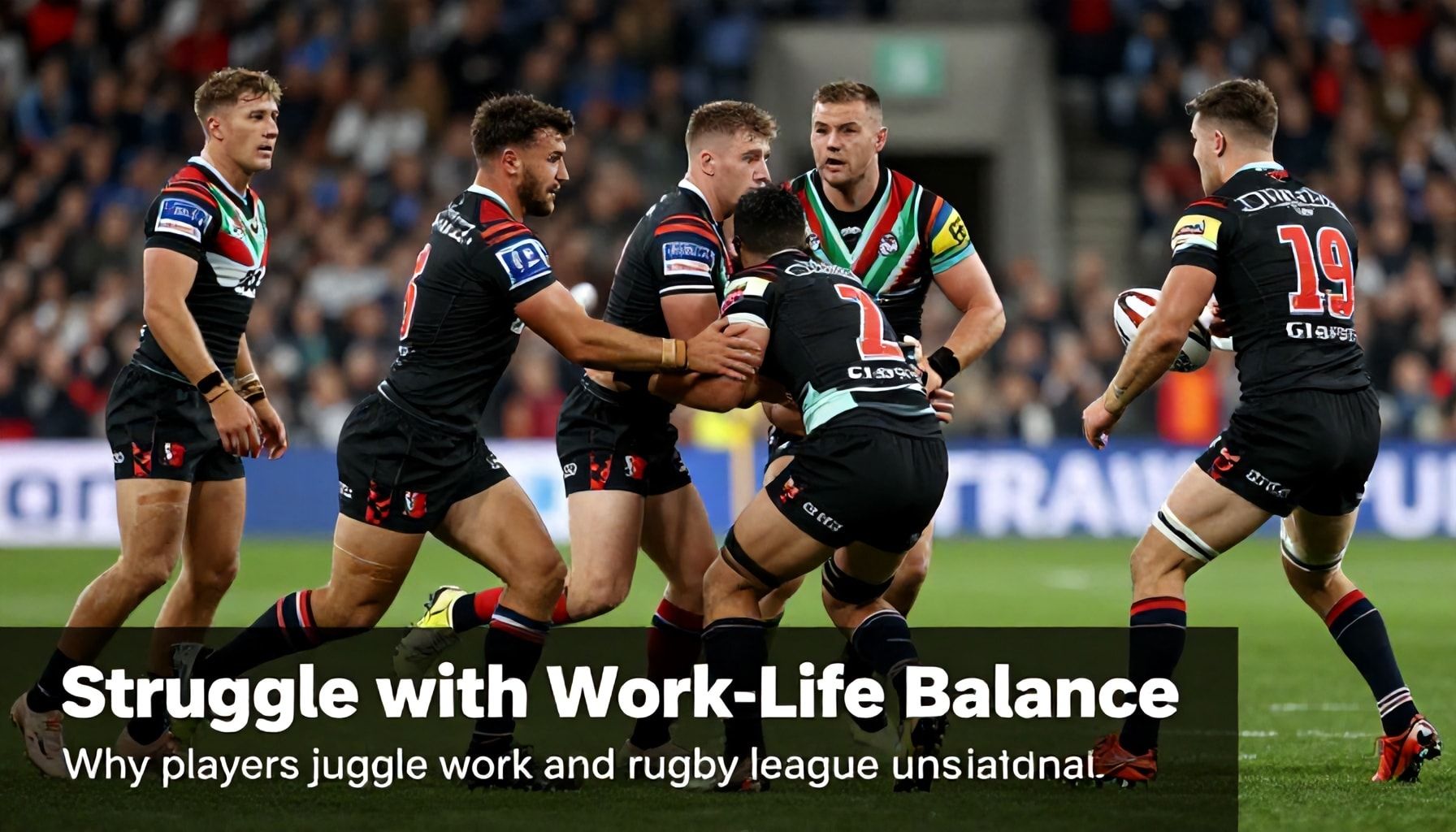
Professional rugby league players in the UK are increasingly struggling to maintain a sustainable work-life balance, with many forced to juggle full-time employment alongside gruelling training schedules. The issue has intensified as the sport’s semi-professional nature leaves players, particularly those outside Super League squads, with no choice but to seek additional income. Recent data from the Rugby Football League reveals that 68% of Championship and League 1 players hold down second jobs, often working 40-hour weeks while training up to 15 hours alongside. The problem is most acute in northern towns, where rugby league clubs lack the financial muscle of their southern counterparts. Experts warn that the current model risks player burnout and long-term health consequences, with many athletes forced to choose between their careers and financial stability.
Rugby League Players Face Unsustainable Work-Life Balance
Professional rugby league players often juggle gruelling training schedules with part-time jobs to make ends meet. Many players, especially those outside elite Super League squads, rely on secondary employment to supplement their income. The Rugby Football League (RFL) reports that nearly 60% of players in the Championship and League 1 divisions work part-time.
The demands of professional rugby league leave little time for additional work. Players typically train for 30-40 hours per week, with matches adding to the physical and mental strain. This intense schedule makes it difficult to maintain a stable job outside of rugby.
Some players take on flexible or seasonal work to accommodate their rugby commitments. Roles in construction, hospitality, and personal training are common among players. However, these jobs often provide inconsistent income and lack job security.
The financial pressures are particularly acute for players in lower leagues. The average salary in League 1 is around £300-£500 per week, well below the UK living wage. Many players struggle to cover basic living expenses, let alone save for the future.
Former player and current coach, Gary Hetherington, highlights the unsustainable nature of this lifestyle. “Players are often exhausted from training and matches, yet they still need to work to support themselves,” he said in an interview with BBC Sport. “It’s a tough balance to maintain over the long term.”
The RFL acknowledges the issue but states that financial constraints limit their ability to offer higher wages. “We are working on initiatives to improve player welfare, but significant challenges remain,” an RFL spokesperson said. The organisation is exploring partnerships with businesses to provide better employment opportunities for players.
Without sustainable solutions, many players face burnout or early retirement. The physical toll of rugby league, combined with the stress of financial instability, creates a precarious situation. Addressing this issue requires collaborative efforts from the RFL, clubs, and external stakeholders.
Demands of Dual Roles Challenge Players' Well-being

Rugby league players face immense pressure to balance professional careers with their sporting commitments. Many players work full-time jobs to supplement their income, often in physically demanding roles such as construction or manual labour. This dual workload leaves little time for recovery and training, creating an unsustainable lifestyle.
The financial reality of rugby league drives many players to seek additional employment. According to a 2022 report by the Rugby Football League, the average part-time player earns just £20,000 annually from their sport. This figure pales in comparison to the living wage, forcing players to seek extra income.
Players often struggle to find employers who understand their demanding schedules. “It’s a constant battle,” said one player, who works as a bricklayer. “Some employers don’t appreciate the need for time off during the season.” This lack of flexibility adds to the stress and fatigue experienced by players.
The physical toll of combining work and rugby is significant. Players report exhaustion, increased injury risk, and diminished performance on the field. A study by the University of Leeds found that players with full-time jobs had 30% more injuries than those who played full-time.
Mental health also suffers under these conditions. The pressure to perform at work and on the pitch can lead to anxiety and burnout. “It’s a lot to handle,” admitted another player. “Sometimes it feels like you’re failing at both.” The lack of support systems exacerbates these issues, leaving players to cope alone.
Despite these challenges, many players persist due to their passion for the game. However, the long-term sustainability of this lifestyle remains in question. Without significant changes, the well-being of rugby league players will continue to be at risk.
Work Commitments Clash with Rugby League Training
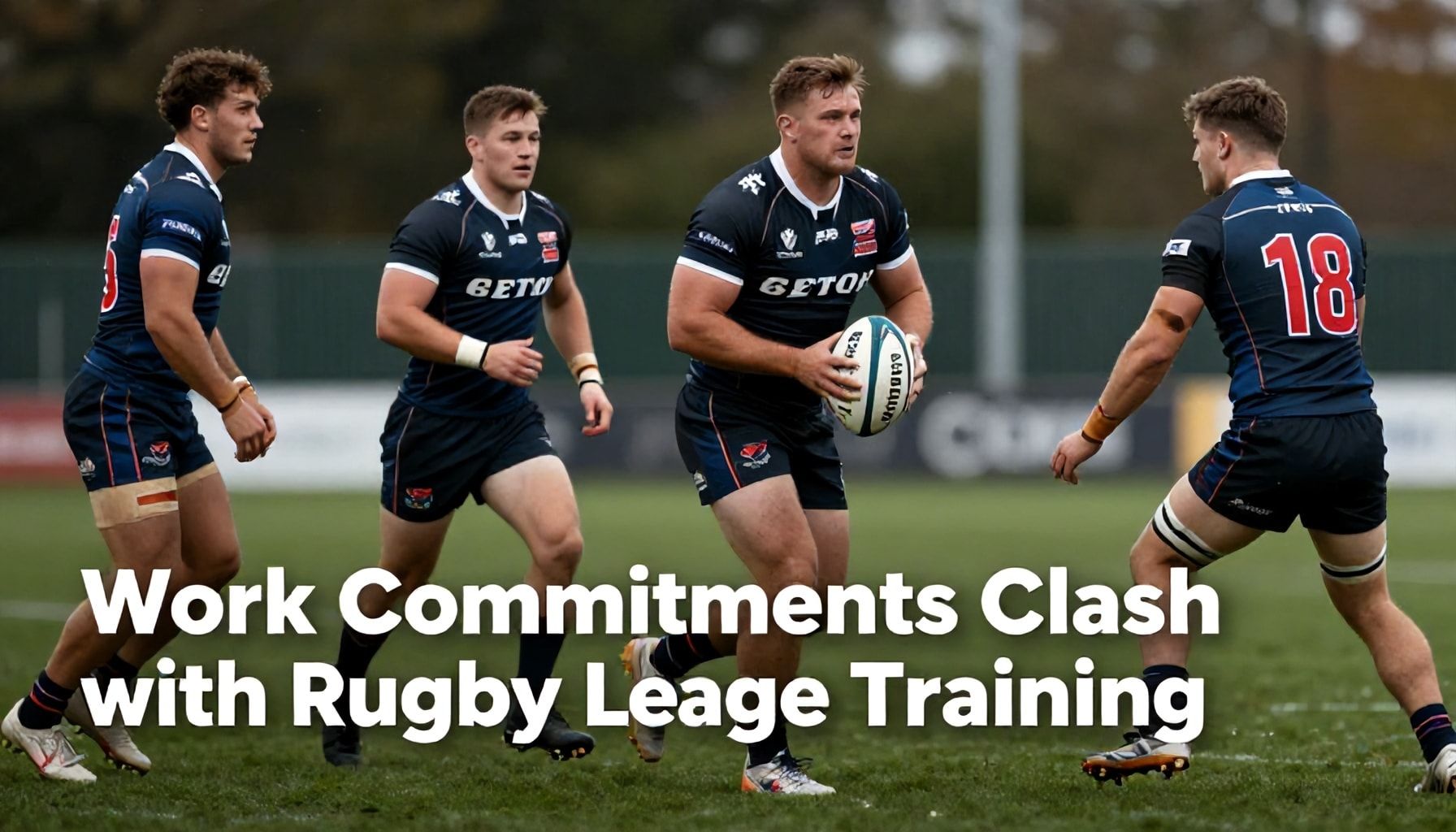
Rugby league players are increasingly struggling to balance demanding work commitments with rigorous training schedules. Many players hold full-time jobs outside of rugby to supplement their income, as professional contracts often fail to provide a living wage. This dual commitment leaves players exhausted and at risk of burnout.
According to a recent survey by the Rugby League Players’ Association, 68% of players reported working additional jobs alongside their training. The survey, conducted over three months, highlighted the financial pressures faced by players, particularly those in lower leagues. “It’s a constant battle,” said one player, who wished to remain anonymous.
The physical demands of rugby league training are intense, requiring players to be at peak fitness. Training sessions typically involve high-intensity drills, strength conditioning, and tactical meetings. Balancing this with a full-time job often means players are left with little time for rest and recovery.
Employers also face challenges in accommodating the unique schedules of rugby league players. Some players have reported being penalised for time off required for training and matches. “It’s a tough situation,” said a club coach, speaking on condition of anonymity. “We understand the need for players to work, but it impacts their performance on the field.”
The lack of sustainable financial support for rugby league players is a growing concern. Many players are forced to choose between their careers and their passion for the sport. Without adequate financial backing, the future of the sport at grassroots levels remains uncertain.
Players Struggle to Maintain Performance and Employment
Rugby League players often juggle demanding work commitments with their sporting careers, creating an unsustainable balance. Many players work full-time jobs to supplement their income, as rugby league wages often fail to provide financial stability. The average player earns around £20,000 annually, pushing them to seek additional employment.
The physical and mental demands of rugby league exacerbate the struggle. Players train rigorously, often early in the morning or late in the evening, around their work schedules. This leaves little time for rest and recovery, increasing the risk of injury and burnout.
Employers also face challenges accommodating players’ training and match schedules. Some players report losing jobs due to their unavailability during crucial times. “It’s a constant battle,” said one player, who wished to remain anonymous. “You’re always trying to prove yourself at work and on the field, but something has to give.”
The Rugby Football League (RFL) acknowledges the issue but states that financial constraints limit their ability to support players fully. They encourage clubs to offer part-time contracts, but these remain scarce. Meanwhile, players continue to grapple with the realities of balancing work and sport.
Balancing Act: Rugby League and Full-Time Jobs

Rugby League players often juggle full-time jobs with their sporting commitments, creating an unsustainable work-life balance. Many players, particularly those outside the top tier, rely on secondary employment to supplement their income. The average salary for a Super League player is around £200,000, but for those in lower leagues, earnings can be significantly less.
The demands of professional rugby league leave little time for additional work. Training schedules, matches, and travel commitments can exceed 30 hours per week. Players often work evenings, weekends, or take on flexible roles to accommodate their sporting commitments.
Injuries and fatigue are common consequences of this dual lifestyle. A study by the Rugby Football League found that players with full-time jobs were 40% more likely to suffer from overuse injuries. Dr. Simon Roberts, a sports medicine specialist, noted that “balancing physical demands with work can lead to chronic fatigue and increased injury risk.”
Some players resort to jobs that offer flexibility but may not align with their long-term career goals. Common roles include personal training, coaching, or gig economy work. However, these jobs often lack job security and benefits, adding to the financial strain.
The lack of financial support for lower-league players exacerbates the issue. Many clubs operate on tight budgets, leaving players to find alternative income sources. This financial pressure forces players to make difficult choices between their careers and their sport.
Players often feel they have no choice but to work while playing. “It’s a tough situation,” said one player who wished to remain anonymous. “You love the game, but you also need to pay the bills.” The lack of financial stability in lower leagues pushes players into unsustainable work patterns.
The rugby league season’s gruelling schedule continues to test players’ ability to maintain work-life balance. With the season extending into October, families face prolonged periods without their loved ones, and players struggle to find time for personal commitments. The sport’s governing bodies are increasingly aware of these challenges, with discussions underway about potential calendar reforms to provide players with more downtime. Meanwhile, clubs are being encouraged to offer better support systems for players’ mental health and well-being. The hope is that these measures will help create a more sustainable environment for those involved in the sport.






