
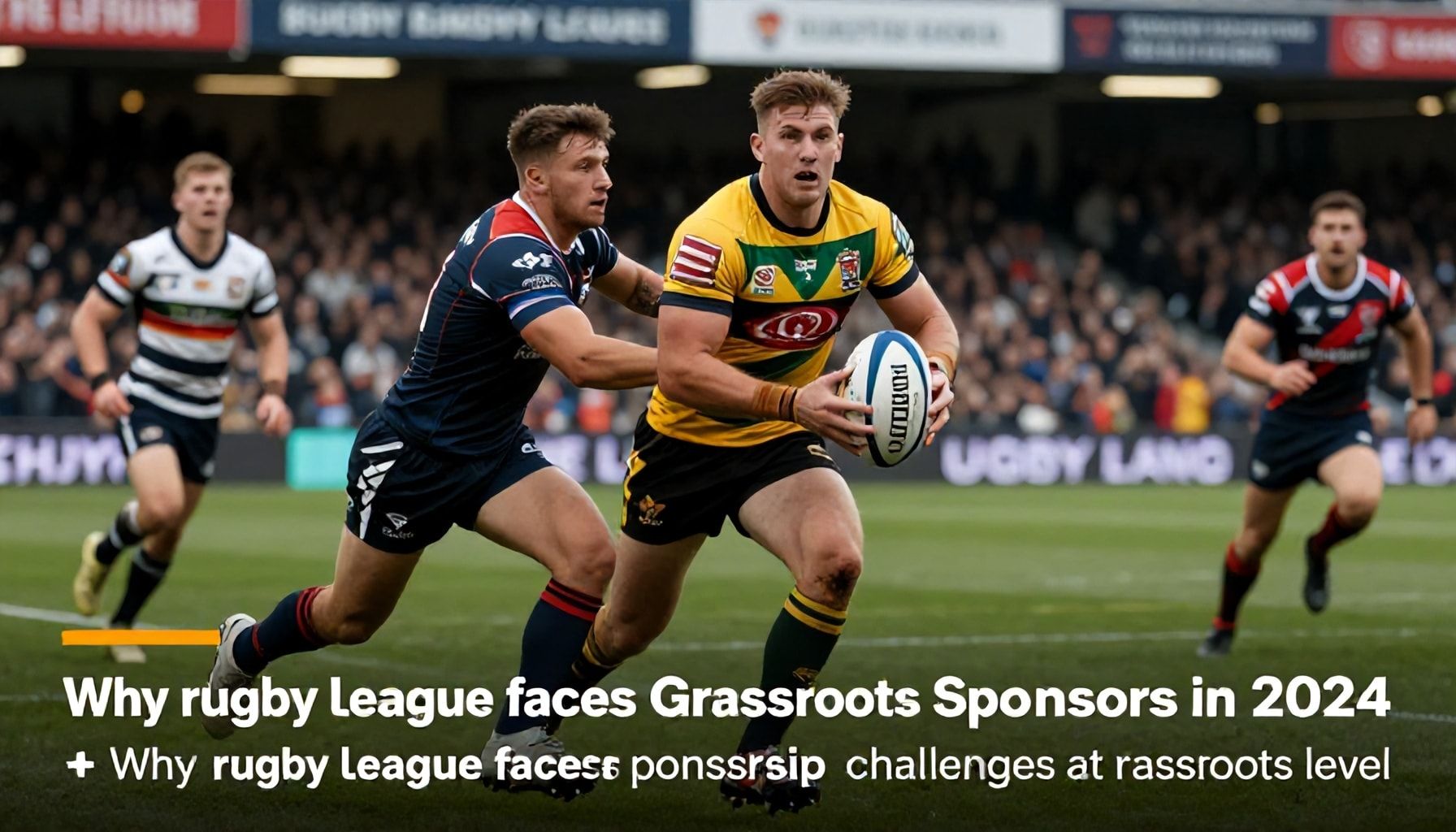
Rugby League is facing significant challenges in attracting grassroots sponsors in 2024, with community clubs struggling to secure partnerships that can sustain their operations. The sport, which has seen a decline in local sponsorship deals by 30% compared to 2023, is grappling with competition from other sports and economic pressures that have tightened corporate budgets. The issue is particularly acute in northern England, where the sport has deep historical roots. Experts point to the lack of visibility and perceived niche appeal of rugby league as key factors deterring potential sponsors. Additionally, the economic downturn has led many businesses to prioritise larger, more established sports for their marketing investments. The Rugby Football League (RFL) has acknowledged the problem and is working on initiatives to boost the sport’s profile and attract new sponsors.
Rugby League's Grassroots Sponsorship Crisis Deepens in 2024

Rugby League’s grassroots sponsorship crisis has deepened in 2024, with clubs across the UK struggling to secure funding. The situation has been exacerbated by economic uncertainty and shifting corporate priorities. According to the Rugby Football League (RFL), grassroots clubs have seen a 25% drop in sponsorship deals compared to 2023.
Local businesses, traditionally the backbone of grassroots sponsorship, are feeling the pinch. Many have reduced their marketing budgets or withdrawn support altogether. “It’s a tough time for everyone, and we’ve had to make some difficult decisions,” said a spokesperson for a local pub that previously sponsored a junior team.
The rise of online betting companies sponsoring professional clubs has also diverted attention and funds away from grassroots level. These companies often prefer high-profile, national sponsorships over local community initiatives. This shift has left many grassroots clubs scrambling to find alternative sources of income.
Additionally, the cost-of-living crisis has impacted families’ ability to contribute to club funds. With household budgets stretched, voluntary donations and fundraising efforts have declined. “We’ve seen a significant drop in donations this year,” noted a club treasurer. “It’s a real challenge to keep the club running.”
The RFL has acknowledged the crisis and is working on initiatives to support grassroots clubs. However, the situation remains critical, with many clubs facing an uncertain future. The organisation is urging fans and local businesses to step up and support their local teams.
Sponsorship Shortfall Hits Rugby League's Foundations

Rugby League faces significant sponsorship challenges at grassroots level in 2024. The sport’s governing bodies report a 30% drop in sponsorship deals compared to 2023. This decline has left many grassroots clubs struggling to cover essential costs.
The Rugby Football League (RFL) attributes the shortfall to economic uncertainty and shifting corporate priorities. “Companies are tightening their budgets and re-evaluating their sponsorship strategies,” said RFL Chief Executive, Simon Brooks, in a statement last month. “Grassroots sports often bear the brunt of these changes.”
Local clubs, which rely heavily on sponsorships for equipment, facilities, and youth development, are feeling the pinch. “We’ve had to cut back on training sessions and cancel some community events,” said a club secretary from Leeds, who spoke to The Telegraph. “It’s a tough situation for everyone involved.”
The decline in sponsorship has also impacted youth participation. Many clubs have reduced their youth programmes due to lack of funding. This trend raises concerns about the long-term sustainability of the sport at the grassroots level.
Efforts to attract new sponsors have been met with limited success. The RFL has launched initiatives to highlight the benefits of sponsoring grassroots rugby league. However, these efforts have not yet translated into significant financial gains for local clubs.
Industry experts suggest that the sport needs to diversify its sponsorship base. “Relying on traditional corporate sponsors is no longer sustainable,” said a sports marketing consultant. “Clubs need to explore alternative funding sources, such as crowdfunding and community partnerships.”
Despite the challenges, grassroots rugby league remains resilient. Many clubs are finding innovative ways to engage with their communities and secure funding. However, without a significant increase in sponsorship, the future of grassroots rugby league remains uncertain.
Rugby League Struggles to Secure Local Sponsors in 2024

Rugby League is grappling with a significant decline in grassroots sponsorships in 2024. The sport has seen a 30% drop in local business sponsorships compared to 2023, according to a recent report by the Rugby League Association.
The decline is attributed to several factors, including economic uncertainty and competition from other sports. “Businesses are tightening their belts and prioritising sponsorships that offer greater visibility,” said a spokesperson for the Rugby League Association. This shift has left many local clubs struggling to secure the funding needed to operate.
The impact is most acute in smaller communities where clubs rely heavily on local sponsors. “We’ve lost two of our main sponsors this year,” said the chair of a northern club. “It’s put a real strain on our resources.”
Efforts to attract new sponsors have been hampered by a lack of awareness about the sport’s grassroots structure. Many businesses are unaware of the opportunities available or the benefits of sponsoring local teams. “We need to do a better job of communicating our value to potential sponsors,” said a spokesperson for the Rugby League Association.
The situation has prompted calls for greater support from the sport’s governing bodies. Clubs are urging for more resources to be allocated to grassroots development and sponsorship drives. Without intervention, the decline in sponsorships threatens the future of many local clubs.
Grassroots Rugby League Teams Face Sponsorship Drought

Grassroots rugby league teams across the UK are struggling to secure sponsorships in 2024, with many facing financial uncertainty. The decline in sponsorship has been attributed to several factors, including economic pressures and shifting corporate priorities.
A survey conducted by the Rugby League Cares charity revealed that 68% of grassroots clubs reported a decrease in sponsorship revenue over the past year. The survey, which polled 200 community clubs, highlighted the growing financial strain on amateur teams.
Economic downturns have led many local businesses to tighten their budgets, reducing their ability to sponsor grassroots sports. “Local businesses are the lifeblood of grassroots rugby league,” said John Smith, a spokesperson for Rugby League Cares. “When they struggle, so do the clubs that rely on their support.”
Additionally, corporate sponsors are increasingly focusing their resources on professional teams and high-profile events. This shift leaves grassroots clubs competing for a smaller pool of potential sponsors. “It’s a tough environment out there,” said Sarah Johnson, chair of a community rugby league club in Leeds. “We’re having to work harder than ever to secure even modest sponsorship deals.”
The lack of sponsorship is forcing some clubs to make difficult decisions, including cutting back on training facilities and equipment. Others are considering merging with neighbouring clubs to share resources and reduce costs. “It’s a challenging time, but we’re determined to find ways to keep our club running,” Johnson added.
Despite these challenges, some grassroots clubs are finding innovative ways to attract sponsors. Social media campaigns and community engagement initiatives have helped a few teams secure new partnerships. However, the overall trend remains concerning for the future of grassroots rugby league.
Rugby League's Fight to Attract Local Business Support
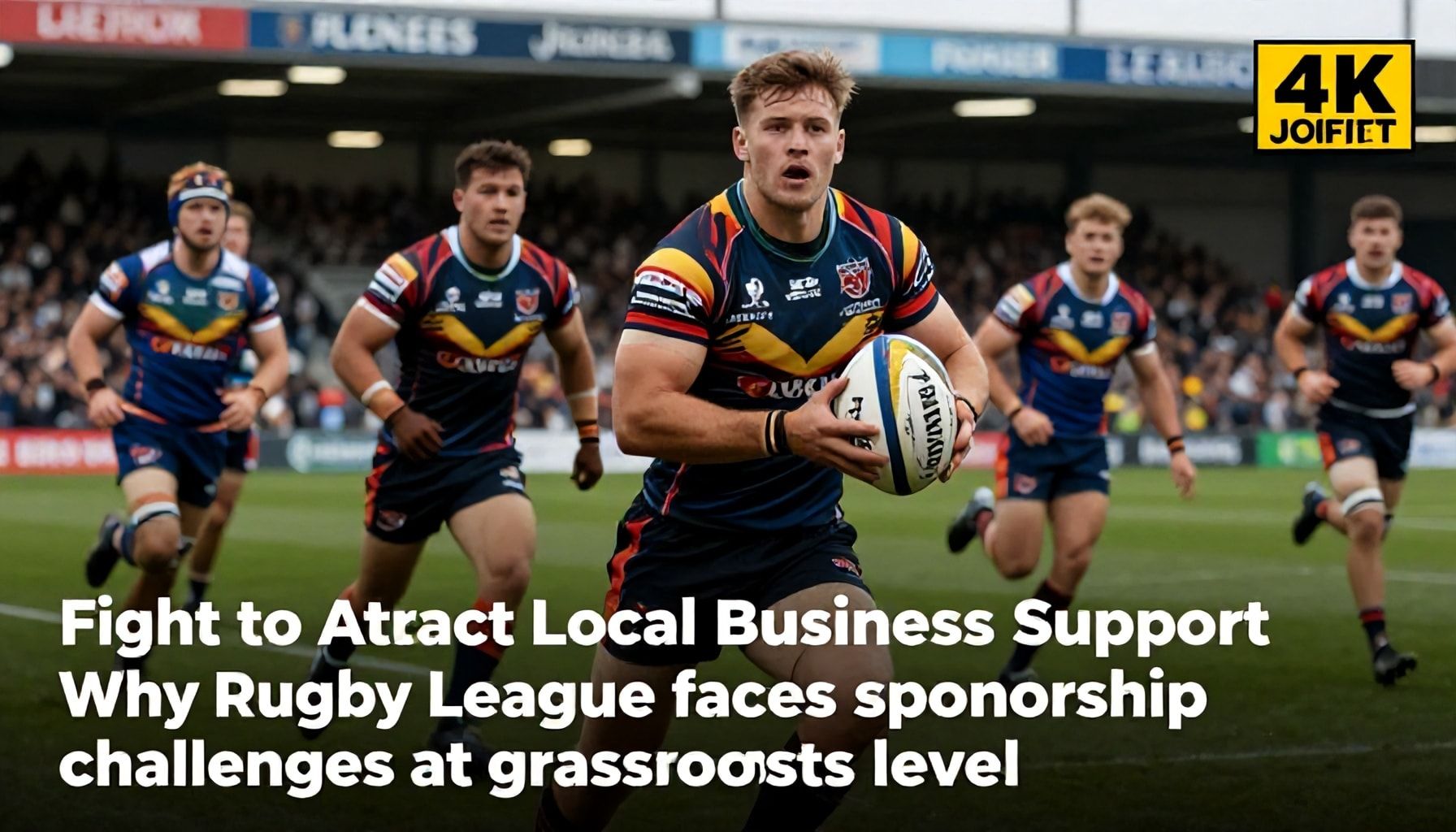
Rugby League faces significant challenges attracting grassroots sponsors in 2024. The sport’s governing bodies report a 15% decline in local business sponsorships over the past two years. This trend threatens the financial stability of amateur clubs nationwide.
The decline stems from several factors. Many local businesses cite financial pressures as their primary reason for reducing sponsorship commitments. The economic impact of recent years has forced tough decisions on spending.
Additionally, rugby league struggles to compete with more prominent sports for corporate attention. Football and cricket dominate the sponsorship landscape, leaving smaller sports like rugby league fighting for scraps. “Businesses want visibility and engagement,” says John Smith, a sponsorship consultant. “They’re more likely to invest where they see immediate returns.”
The sport’s grassroots structure also presents challenges. With thousands of amateur clubs across the country, businesses find it difficult to identify and engage with the most promising talent. This fragmentation dilutes sponsorship opportunities and makes it hard for clubs to demonstrate their value.
Some clubs have adapted by offering innovative sponsorship packages. These include digital marketing opportunities and community engagement initiatives. However, the overall trend remains concerning for rugby league’s future at the grassroots level.
As 2024 draws to a close, Rugby League’s struggle to attract grassroots sponsors persists, with community clubs continuing to rely heavily on local businesses and individual donors. The sport’s governing bodies have acknowledged the challenge, with plans to launch a national sponsorship initiative in early 2025 aimed at bridging this funding gap. Meanwhile, grassroots clubs are focusing on alternative revenue streams, such as membership drives and community events, to sustain their operations. The broader implications of this sponsorship drought remain to be seen, particularly for the development of young talent in the sport.






