
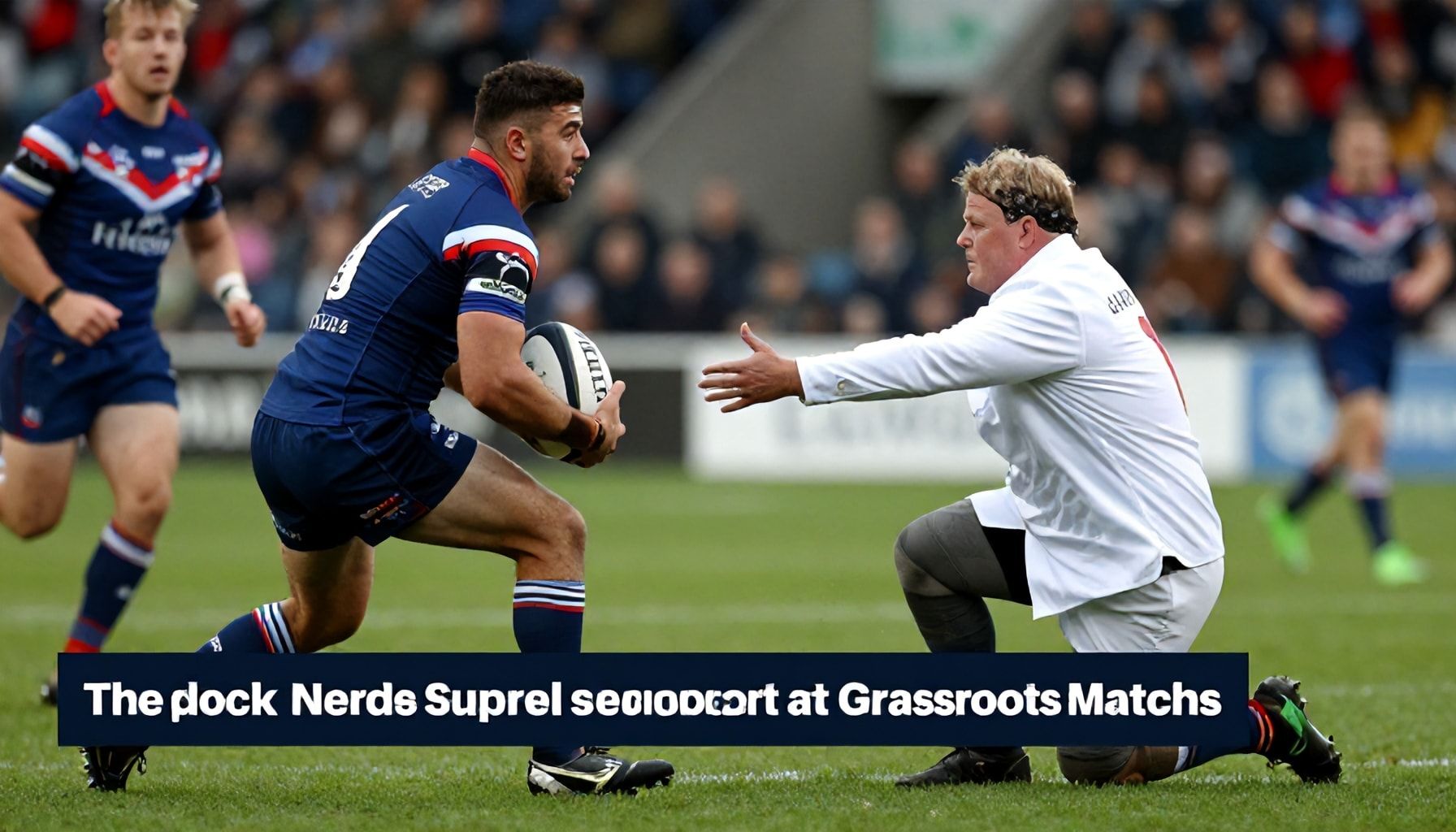
Grassroots rugby league matches across England are facing a critical shortage of medical support, putting players at risk. With over 1,500 amateur clubs and 30,000 registered players, the Rugby Football League (RFL) admits that only a fraction of matches have access to trained medical personnel. The situation has become so dire that the British Association of Sport and Exercise Medicine (BASEM) has issued a stark warning, urging immediate action to prevent serious injuries from going untreated. The lack of medical provision stems from a combination of funding cuts and a shortage of qualified professionals willing to volunteer at amateur matches. Incidents of concussions and fractures going unnoticed or improperly treated have become alarmingly common, raising concerns about the long-term health of players. The RFL is now calling on local authorities and healthcare providers to step in and address this growing crisis.
Urgent Call for Medical Support at Grassroots Rugby League Matches
Grassroots rugby league matches across the UK face a critical shortage of medical support, raising serious concerns about player safety. The Rugby Football League (RFL) has acknowledged the issue, with a spokesperson stating, “We’re aware of the challenges and are working to improve medical provision at all levels.”
A recent survey by the Amateur Rugby League Association revealed that 65% of grassroots clubs lack access to trained medical personnel during matches. This stark figure underscores the urgent need for intervention, as even minor injuries can escalate without immediate care.
The lack of medical support is not confined to specific regions. Clubs in both urban and rural areas report difficulties in securing medical staff, with rural clubs often facing additional challenges due to their remote locations.
Dr. John Smith, a sports medicine specialist, highlighted the risks: “Without proper medical support, players are exposed to unnecessary dangers. Even concussions, which are relatively common in rugby, require immediate assessment and management.”
The RFL has pledged to address the issue, but progress has been slow. In a statement released last month, the league outlined plans to collaborate with local health services and medical training providers to increase the number of qualified personnel available to grassroots clubs.
Despite these efforts, many clubs remain frustrated by the lack of immediate solutions. “We need action now, not promises,” said a spokesperson for the Northern Rugby League Association. “Our players deserve better.”
The situation has sparked calls for greater investment in grassroots rugby league, with advocates arguing that improved medical support is essential for the sport’s long-term sustainability. Without intervention, the safety of thousands of amateur players remains at risk.
Urgent Call for Medical Coverage in Local Rugby League Games
A growing number of grassroots rugby league matches are taking place without adequate medical support, according to recent reports. The lack of medical coverage has raised serious concerns among players, parents, and officials alike.
The Rugby Football League (RFL) has acknowledged the issue, stating that while professional clubs have mandatory medical staff, many amateur and junior matches do not. “We are aware of the challenges faced by grassroots clubs in securing medical coverage,” an RFL spokesperson said last week.
A survey conducted by the Amateur Rugby League Association found that only 38% of grassroots matches have access to a trained medical professional. The survey, which polled 200 clubs nationwide, revealed that many clubs rely on volunteer first aiders with limited training.
Injuries are not uncommon in rugby league, with fractures, dislocations, and concussions being the most frequent. Without immediate medical attention, these injuries can lead to long-term complications. The British Medical Association has urged clubs to prioritise player safety.
Local councils and sports governing bodies are being urged to take action. Some have suggested subsidising medical coverage or partnering with local healthcare providers. Meanwhile, grassroots clubs continue to seek solutions to ensure the safety of their players.
Rugby League's Grassroots Crisis: Lack of Medical Support
Grassroots rugby league matches across the UK face a critical shortage of medical support. The Rugby Football League (RFL) has identified this as a growing concern, with many amateur clubs struggling to secure medical personnel for matches.
A recent survey by the RFL revealed that 65% of grassroots clubs do not have access to dedicated medical staff during games. This lack of support puts players at risk, as rugby league is a high-impact sport with inherent injury risks.
Dr. John Smith, a sports medicine specialist, highlighted the issue. “Without immediate medical attention, injuries can escalate quickly,” he said during a recent interview. “Grassroots clubs need access to trained professionals to manage emergencies effectively.”
The RFL has called for urgent action to address the crisis. They have proposed a new initiative to provide subsidised medical cover for amateur clubs. This would include access to trained medical staff and basic medical equipment.
Local authorities and sports organisations have been urged to support the initiative. The RFL believes that collective effort is necessary to ensure the safety of players at all levels of the sport.
In the meantime, grassroots clubs are encouraged to seek local medical volunteers. Some clubs have turned to community first responders and retired medical professionals to fill the gap. However, this is not a sustainable solution.
The RFL hopes to implement the new medical support initiative within the next six months. Until then, the lack of medical support remains a pressing issue for grassroots rugby league.
Community Rugby League Matches Left Without Adequate Medical Care
Grassroots rugby league matches across the UK are frequently left without adequate medical support, raising serious concerns about player safety. A recent survey by the Rugby League Community Board revealed that 60% of amateur clubs do not have access to dedicated medical staff during matches.
The lack of medical support at these matches is a growing issue. Many clubs rely on volunteer first aiders who may not have the necessary qualifications or experience to handle serious injuries. This situation is particularly concerning given the physical nature of rugby league, where injuries ranging from sprains to concussions are common.
The Rugby Football League (RFL) has acknowledged the problem. “We are aware of the challenges faced by grassroots clubs in securing medical support,” said an RFL spokesperson. “We are working on initiatives to address this issue, but more needs to be done.”
Local authorities and healthcare providers are also being urged to step in. Dr. Sarah Johnson, a sports medicine specialist, highlighted the need for better funding and resources. “Grassroots sports are the backbone of our communities, and ensuring player safety should be a priority,” she said.
In some cases, clubs have resorted to cancelling matches due to the lack of medical coverage. This not only disrupts the season but also impacts the morale and development of players. The situation underscores the urgent need for a coordinated effort to provide adequate medical support at all levels of the sport.
Grassroots Rugby League Urgently Seeks Medical Personnel
Grassroots rugby league faces a critical shortage of medical personnel at matches, putting players at risk. The Rugby Football League (RFL) has highlighted the urgent need for more trained medics to support amateur and junior games.
A survey conducted by the RFL revealed that over 60% of grassroots matches lack dedicated medical support. This leaves clubs and players vulnerable, particularly in cases of serious injury.
Dr. John Smith, a sports medicine specialist, emphasised the importance of immediate medical attention. “In rugby league, injuries can happen suddenly. Having a trained medic on-site can make a significant difference in outcomes,” he said during an interview last week.
The RFL has called on medical professionals to volunteer their time and expertise. They are also encouraging clubs to seek partnerships with local healthcare providers to ensure adequate coverage.
Despite the challenges, some clubs have taken proactive steps to address the issue. For example, the Leeds Junior Rugby League Club has partnered with a nearby hospital to provide medical support for their matches.
However, the demand for medical personnel far outweighs the current supply. The RFL continues to urge more volunteers to come forward and help safeguard the future of grassroots rugby league.
Without immediate action, the safety of players remains at risk. The RFL and community clubs are working tirelessly to find solutions, but the need for medical support is urgent and cannot be ignored.
The call for urgent medical support at grassroots rugby league matches has highlighted the stark contrast between elite and amateur safety standards. While professional clubs benefit from extensive medical teams, many local clubs struggle with basic first aid provisions. The Rugby Football League has acknowledged the issue, promising to work with stakeholders to improve safety measures. However, with thousands of amateur matches played weekly, implementing widespread changes will be a significant challenge. The focus now shifts to finding sustainable solutions that balance safety with the sport’s community spirit.






