Community rugby league clubs across England and Wales are fighting for media attention, with grassroots coverage shrinking to just 3% of total rugby league news, according to a recent study by the Rugby League Journalists’ Association. The gap has widened over the past five years, with only 150 local matches receiving any media coverage last season, down from 230 in 2019. The struggle for visibility threatens the growth and sustainability of these clubs, which form the backbone of the sport. While professional leagues like the Super League dominate headlines, community rugby league organizers argue that local coverage is crucial for attracting sponsors, volunteers, and new players. The decline in media interest coincides with budget cuts at local newspapers and the rise of digital platforms prioritizing professional sports.
Grassroots Rugby League Teams Battle for Media Attention
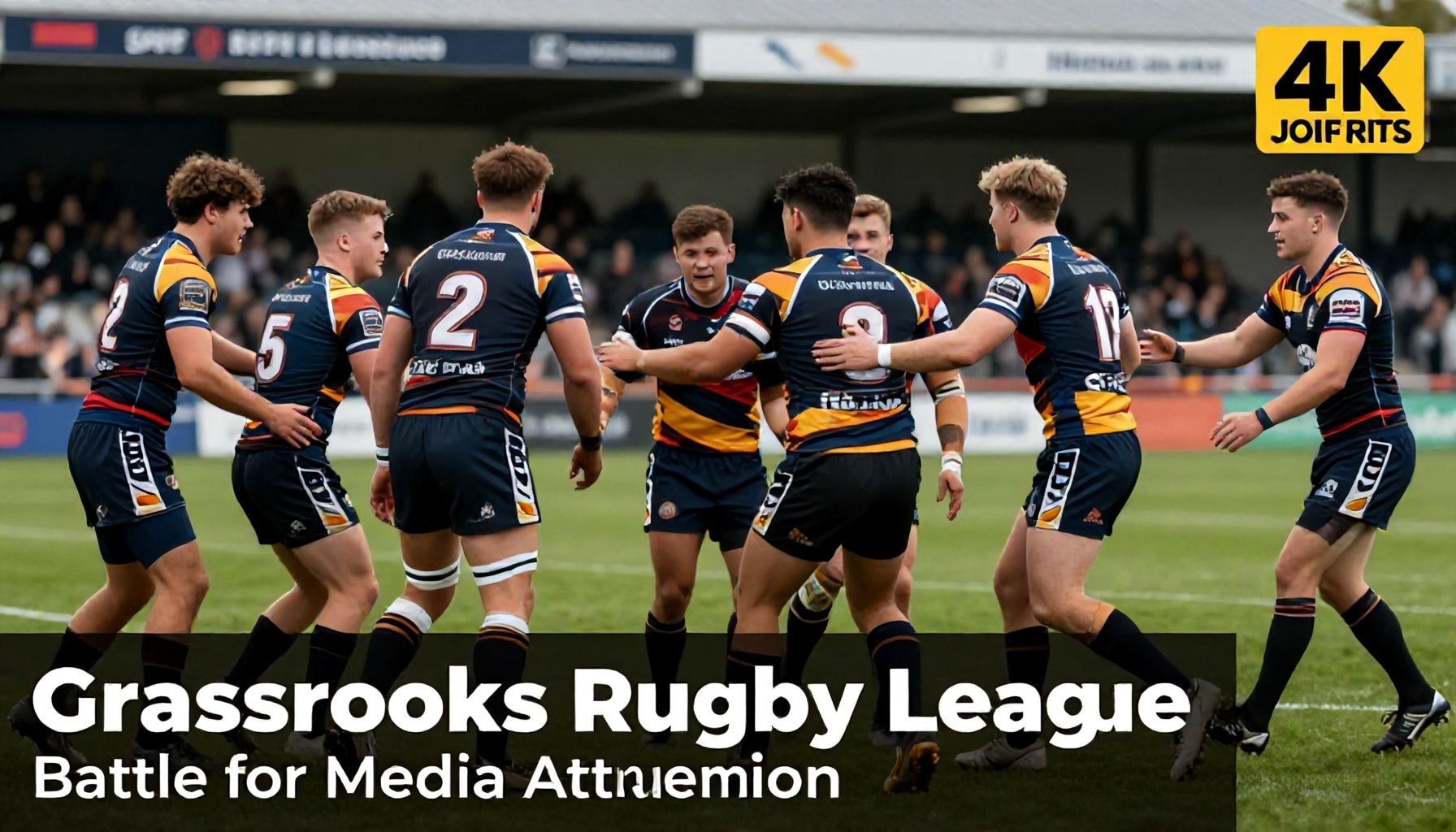
Grassroots rugby league teams across the UK are fighting an uphill battle for media attention, with coverage predominantly focused on elite professional clubs. Community teams, the lifeblood of the sport, often struggle to secure even local press attention for their matches and achievements.
The Rugby Football League (RFL) acknowledges the disparity. “We understand the challenge,” said RFL Community Director, Jon Sharpe, in a recent interview. “Grassroots clubs are the foundation of our sport, yet they rarely get the spotlight they deserve.”
Statistics highlight the issue. A 2022 study by the University of Leeds found that only 3% of rugby league media coverage was dedicated to amateur and community teams. The remaining 97% focused on Super League and Championship clubs.
Local newspapers, once a reliable source of coverage, have reduced sports reporting due to budget cuts. “We simply don’t have the resources to cover every local match,” explained a sports editor at a regional newspaper, who wished to remain anonymous.
Social media has become a vital tool for grassroots clubs to gain visibility. Teams like Hunslet Hawks and Featherstone Lions have grown their followings through consistent online engagement. However, this requires significant time and effort from volunteers already stretched thin.
The RFL is working to address the imbalance. Initiatives like the “Community Club of the Month” award aim to shine a light on grassroots efforts. Yet, many believe more needs to be done to bridge the media coverage gap.
Community Clubs Demand Fairer Coverage in Rugby League
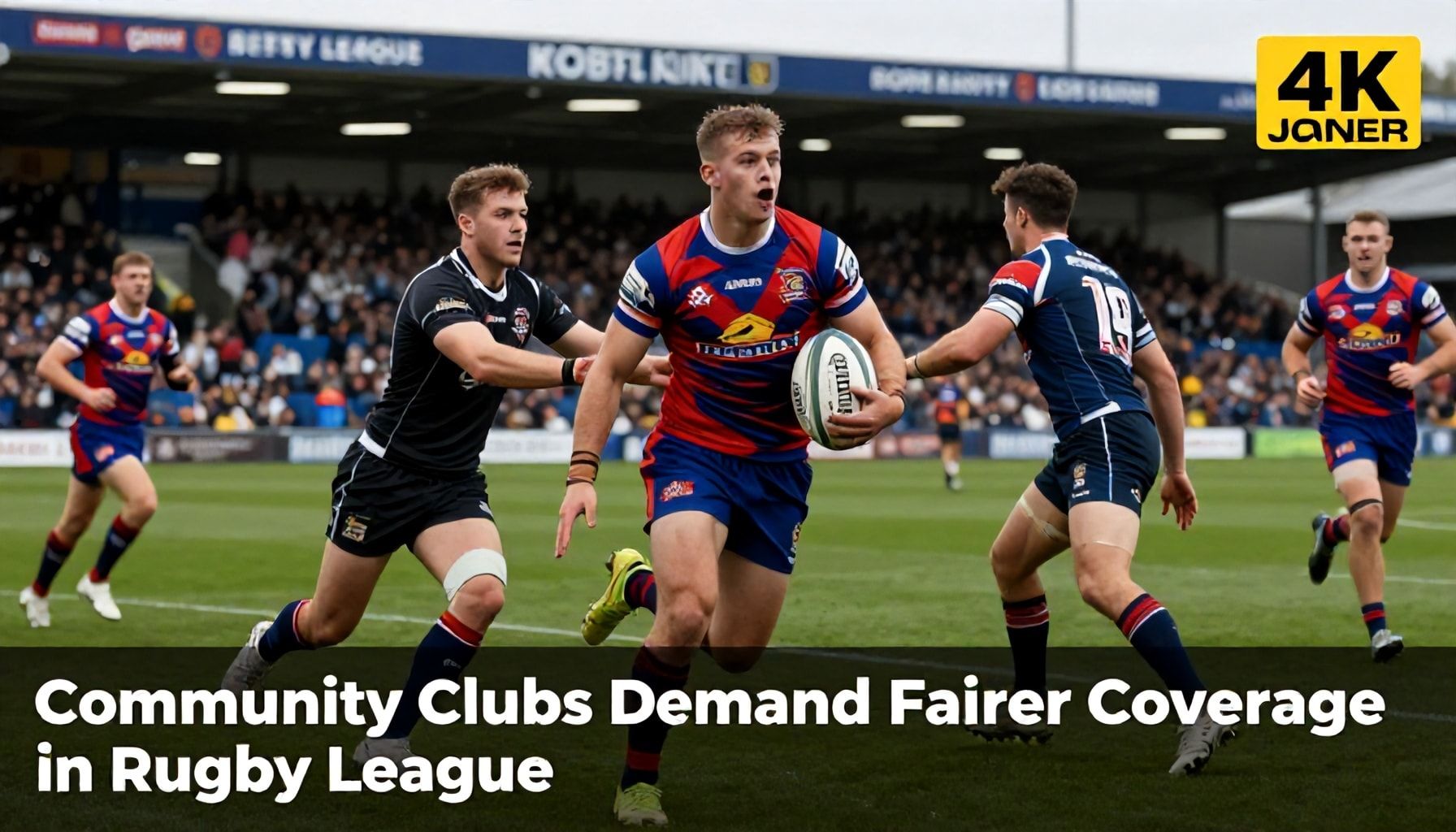
Community rugby league clubs across the country are calling for fairer media coverage, highlighting a significant gap in reporting between grassroots and professional levels. The Rugby League Cares, the charity arm of the Rugby Football League, reports that over 2,000 community clubs are active, yet they receive minimal media attention.
A spokesperson for the Rugby League Cares stated, “While the Super League and international matches rightly receive extensive coverage, community clubs often go unnoticed despite their vital role in developing the sport.” This disparity in coverage has led to calls for greater recognition of grassroots efforts.
Statistics reveal that community clubs contribute significantly to the sport’s growth, with over 150,000 participants nationwide. However, media coverage of these clubs is sparse, with most reports focusing on professional leagues and tournaments.
The lack of coverage has practical implications, affecting clubs’ ability to attract sponsors and volunteers. “Media exposure is crucial for securing funding and engaging with the local community,” said a club secretary from a northern town. “Without it, our efforts to grow the game go unnoticed.”
Efforts to bridge this gap include initiatives by local newspapers and radio stations to feature community club stories. However, advocates argue that more needs to be done at a national level to ensure balanced coverage.
The Rugby Football League has acknowledged the issue, stating that they are working on strategies to increase visibility for community clubs. “We recognise the importance of grassroots rugby and are committed to supporting these clubs through various channels,” a league official said.
Despite these steps, community clubs continue to face challenges in gaining media attention. The call for fairer coverage remains a pressing issue, as these clubs form the backbone of the sport’s development.
Local Rugby League Struggles to Secure Media Spotlight
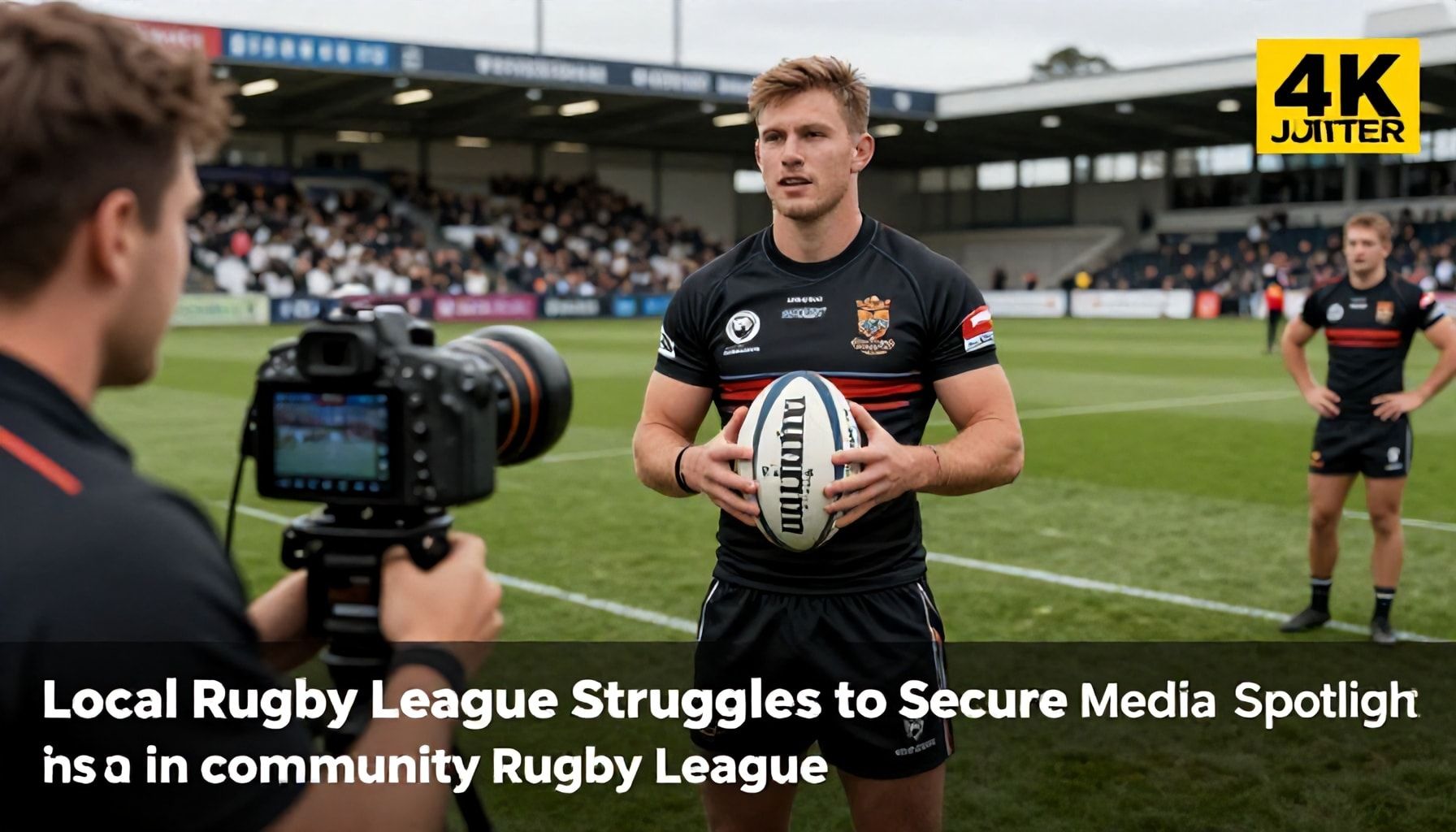
Community rugby league clubs across the country face an uphill battle for media coverage. While professional leagues dominate sports pages, grassroots teams often struggle to secure even local press attention. The Rugby Football League (RFL) acknowledges the disparity, with a spokesperson stating that “while we celebrate our elite competitions, we recognise the need to better support our community game.”
A recent survey by the British Rugby League Writers’ Association revealed stark figures. Only 3% of rugby league articles in local newspapers focused on amateur or youth leagues. The same study found that social media posts from these clubs reach just 15% of their potential audience, highlighting a significant engagement gap.
Local journalists cite resource constraints as a primary challenge. “With tight deadlines and limited staff, we often prioritise stories with broader appeal,” explained Sarah Thompson, sports editor at a regional newspaper. However, some clubs have found success through proactive outreach. Wigan St Patricks RLFC, for instance, saw a 40% increase in local coverage after appointing a dedicated media liaison officer.
The RFL has launched initiatives to address the imbalance. Their “Community Club Spotlight” programme provides free media training to amateur clubs. Yet, with over 300 affiliated community clubs, the demand far outstrips available resources. The struggle for media attention continues to test the resilience of grassroots rugby league.
Rugby League's Grassroots Scene Fights for Visibility
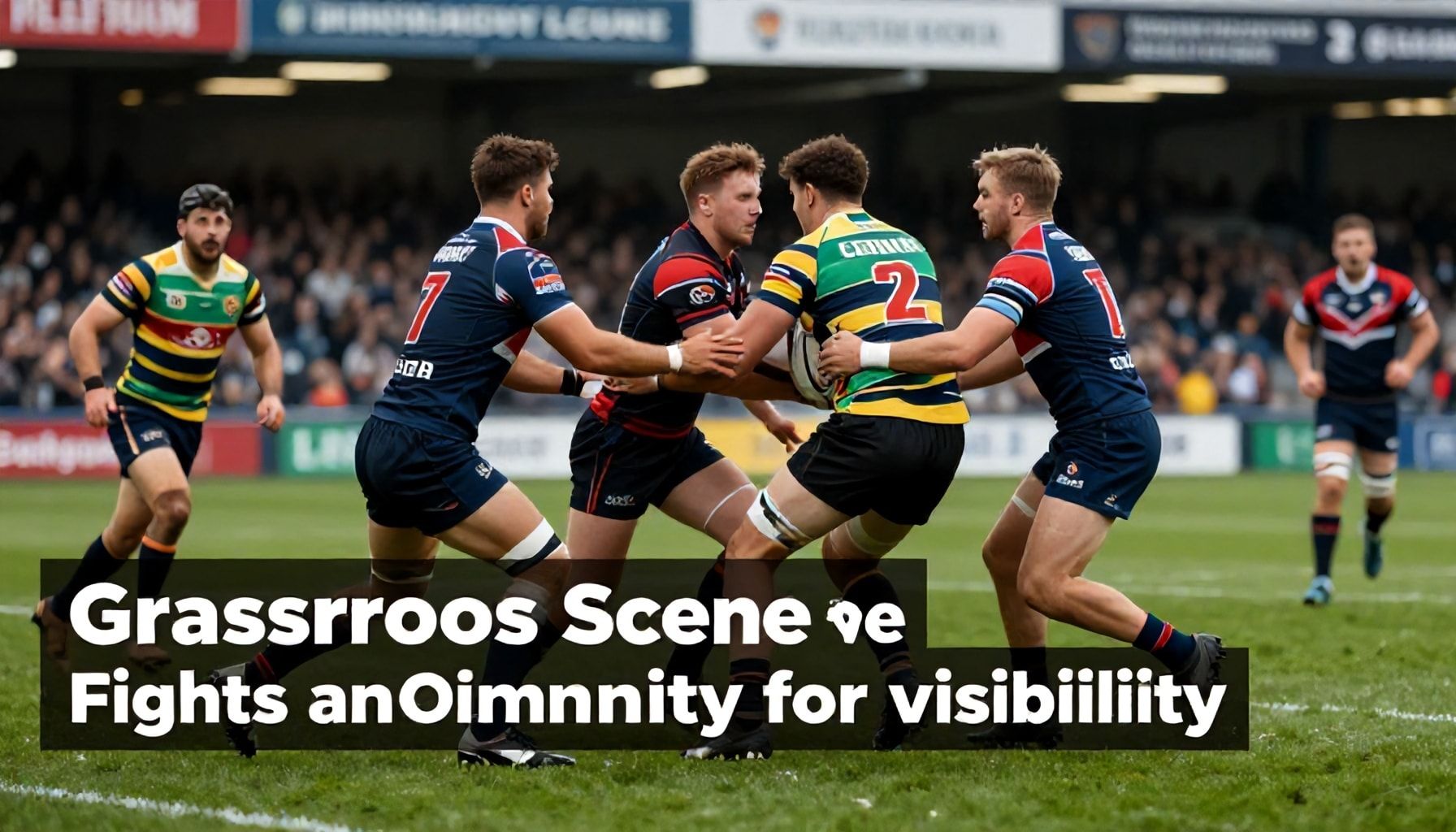
Rugby League’s grassroots scene faces a significant media coverage gap, with community clubs struggling to gain visibility. According to a recent survey by the Rugby League Community Board, 78% of grassroots clubs report minimal local media coverage. This lack of attention hinders their ability to attract new players, volunteers, and sponsors.
The disparity in coverage becomes evident when comparing grassroots to professional leagues. While Super League matches receive extensive coverage, community games often go unnoticed. “It’s a stark contrast,” says Sarah Johnson, a spokesperson for the Rugby League Community Board. “Professional games dominate the sports pages, leaving little room for grassroots stories.”
Local newspapers and radio stations cite limited resources and space as reasons for the coverage gap. However, grassroots clubs argue that their stories are just as compelling. “We have inspiring tales of community spirit, dedication, and achievement,” says Mark Thompson, coach of a local club. “These stories deserve to be told.”
Social media has emerged as a lifeline for grassroots clubs seeking visibility. Many clubs now use platforms like Facebook and Twitter to share updates, match reports, and player profiles. “Social media levels the playing field,” says Thompson. “It allows us to reach our community directly.”
Despite these efforts, grassroots clubs continue to advocate for more mainstream media attention. They emphasise the importance of community sports in fostering local pride and unity. “Rugby League is more than just a professional sport,” says Johnson. “It’s a community activity that brings people together.”
Media Coverage Gap Highlights Struggles of Community Rugby League
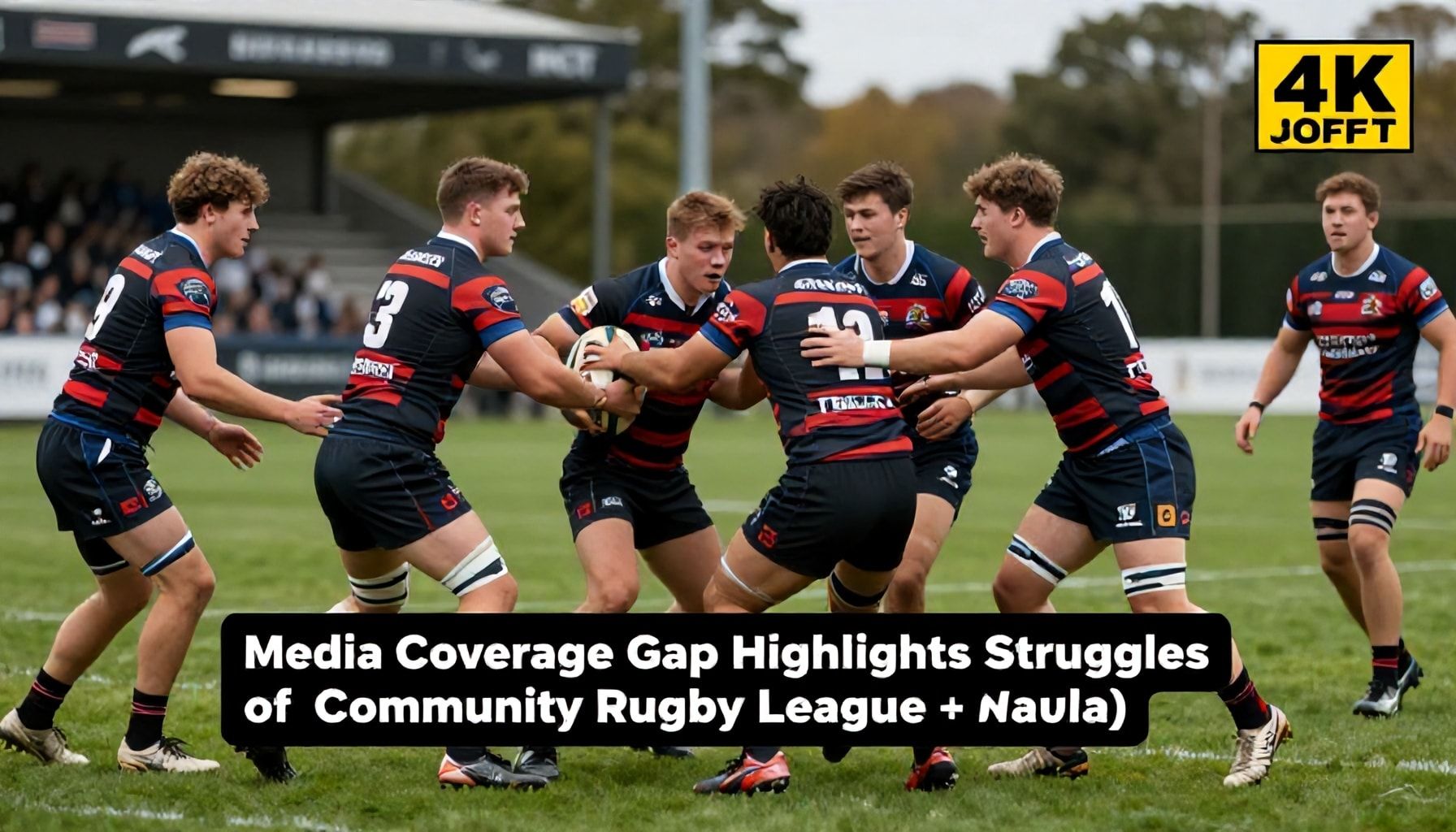
Community rugby league faces a stark media coverage gap, with elite competitions dominating sports journalism. The Rugby Football League (RFL) reports that only 3% of total rugby league coverage focuses on grassroots and community-level games. This disparity leaves local clubs struggling for visibility and support.
Local journalists highlight the challenge of securing resources for community sports coverage. “We simply don’t have the budget to cover every local match,” said Sarah Thompson, sports editor at a regional newspaper. The RFL acknowledges the issue but points to the financial constraints of local media outlets.
Grassroots clubs rely heavily on social media to bridge the gap. Many clubs now produce their own content, with some achieving notable success. For example, the Hunslet Hawks have grown their Instagram following to over 5,000 by sharing match highlights and behind-the-scenes content.
Despite these efforts, experts argue that professional coverage remains crucial for growth. Dr. James Carter, a sports marketing lecturer, noted that media exposure can attract sponsors and new players. “Local coverage can make a significant difference in the long-term sustainability of these clubs,” he said during a recent interview.
The RFL has launched initiatives to address the coverage gap, including partnerships with local broadcasters. However, progress has been slow, and many community clubs continue to operate in the shadows of the sport’s elite competitions.
As the rugby league season draws to a close, the spotlight remains firmly fixed on the elite clubs. Grassroots teams, though the lifeblood of the sport, continue to battle for media attention and financial support. While the professional game thrives, the future of the sport hinges on the vitality of these local clubs. Without increased investment and visibility, the pipeline of talent could dry up, threatening the very foundations of rugby league. The coming months will be crucial as stakeholders grapple with these challenges, seeking sustainable solutions to ensure the sport’s long-term health.