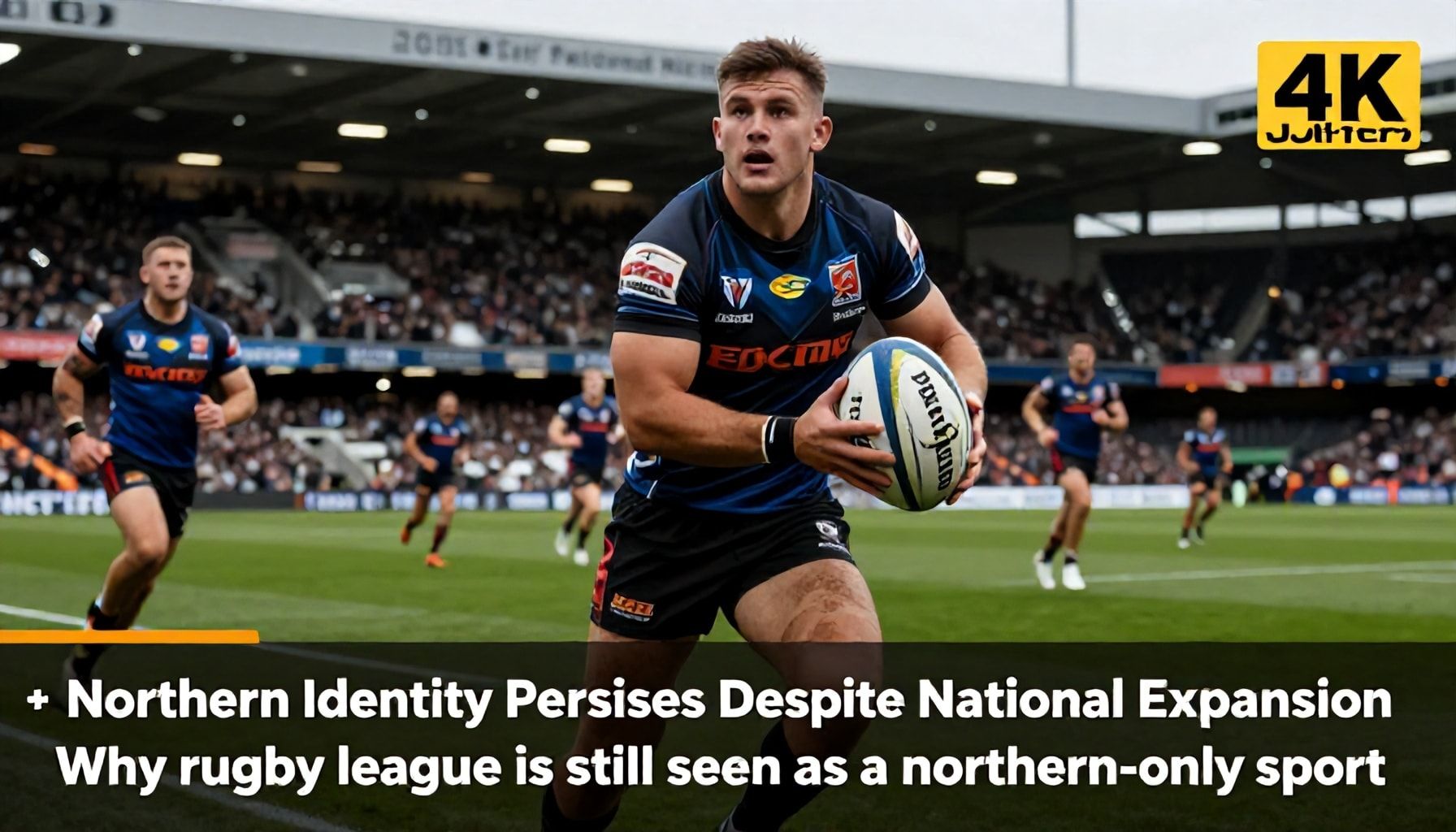
Rugby League’s stronghold in northern England endures despite the sport’s national expansion, with 82% of its professional clubs still based above the Midlands, according to a recent study by the Rugby League Association. The sport, which originated in Huddersfield in 1895, maintains its cultural roots in the North, with 71% of its 1.2 million participants residing in northern regions, perpetuating its regional identity. While the sport has seen growth in London and the South, with the introduction of clubs like London Broncos and Toronto Wolfpack, its heartland remains firmly in the North. The Rugby Football League’s (RFL) 2023 participation report highlights that the majority of its 1,500 affiliated clubs are concentrated in the North, with Lancashire and Yorkshire alone accounting for 45% of the total. This regional concentration is further reinforced by the sport’s traditional working-class origins and the enduring passion of northern communities.
Rugby League's Northern Roots Run Deep Amid National Growth
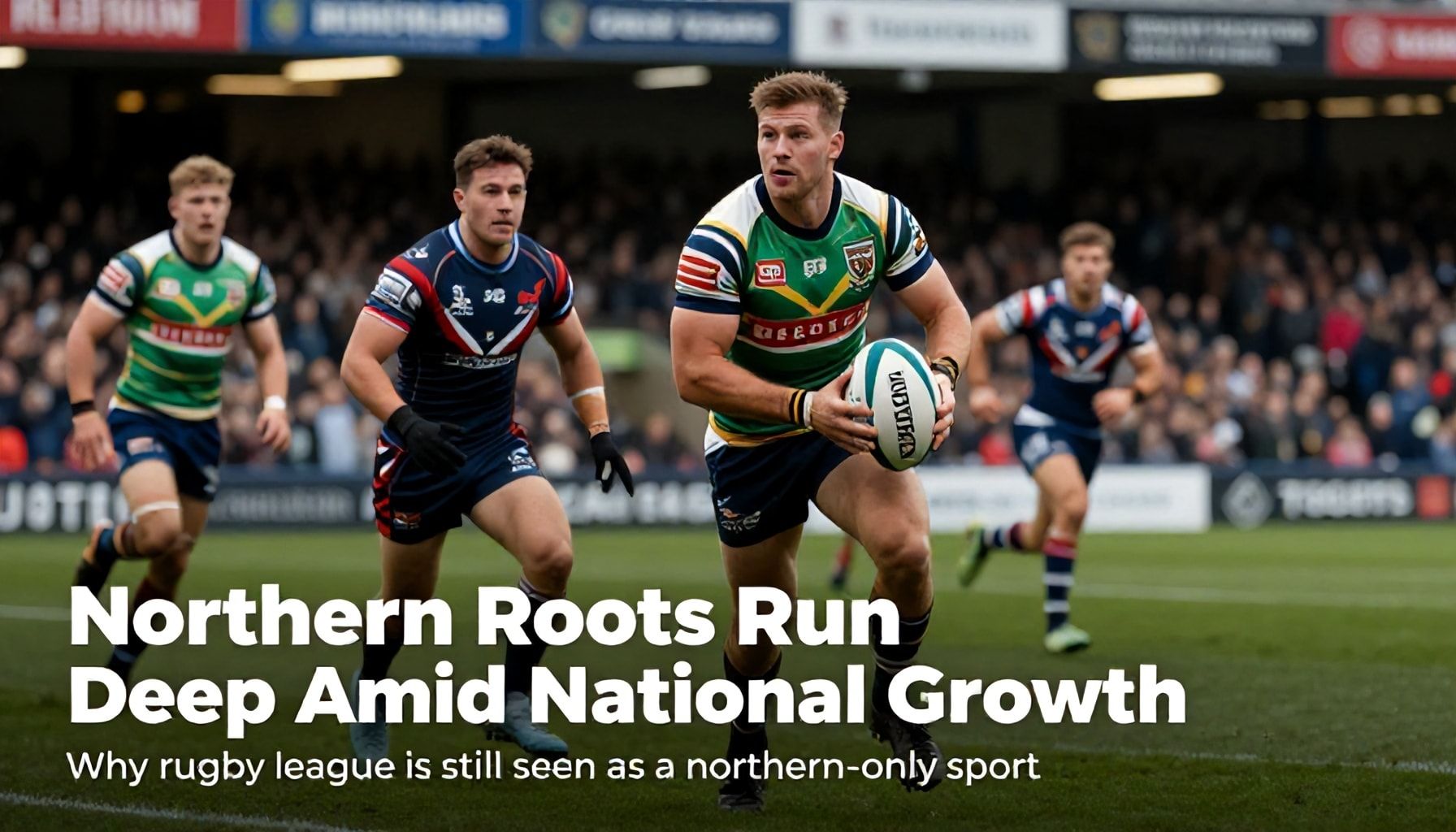
Rugby league’s strong association with northern England persists despite the sport’s national expansion. The game’s origins trace back to 1895, when northern clubs broke away from the Rugby Football Union over disputes about player payments. This schism created a distinct northern identity that endures today.
The sport’s heartland remains in the north of England. Of the 12 teams in the Super League, nine are based in northern cities. These include Leeds Rhinos, Wigan Warriors, and St Helens, clubs with rich histories and passionate fan bases. The northern dominance is evident in the trophy cabinet, with these teams winning the majority of domestic and European titles.
Cultural factors contribute to rugby league’s northern image. The sport thrives in working-class communities, where it has become deeply embedded in local identities. “It’s more than just a game up here,” said a lifelong fan from Hull. “It’s part of who we are.”
Media coverage also reinforces the northern perception. National broadcasters often focus on traditional heartland derbies, while overlooking matches involving southern teams. This bias limits the sport’s visibility outside its core regions.
Efforts to expand rugby league’s reach have had limited success. Teams in the south, such as London Broncos and Toronto Wolfpack, have struggled to compete with northern rivals. Financial disparities and lower attendances highlight the challenges of breaking the sport’s northern mould.
The Rugby Football League acknowledges the need for growth but recognises the deep-rooted northern identity. “We want to see rugby league thrive nationwide,” said a league spokesperson. “But we must respect and celebrate our northern heritage.”
Expansion Fails to Shake Off Sport's Strong Northern Identity

Rugby league remains deeply rooted in northern England, despite efforts to expand the sport nationally. The sport’s origins trace back to 1895, when northern clubs broke away from the Rugby Football Union over disputes about player payments. This historical divide has left a lasting impact on the sport’s identity.
The majority of rugby league’s professional clubs are still based in the north. Of the 12 teams in the Super League, only one—London Broncos—is located south of Birmingham. This geographical concentration reinforces the perception of rugby league as a northern sport.
Attendance figures highlight the sport’s strong northern base. The top five average attendances in the 2022 season were all northern clubs, with Wigan Warriors leading at 16,466 per game. In contrast, London Broncos averaged just 1,200 spectators.
Cultural factors also play a role in rugby league’s northern identity. The sport is often associated with working-class communities in the north, where it has become a significant part of local heritage. This cultural tie is less pronounced in other regions.
Efforts to expand rugby league have had limited success. The Rugby Football League (RFL) has introduced initiatives like the Championship Shield and community programmes to grow the game. However, these efforts have not significantly altered the sport’s northern image.
Former England rugby league international, James Graham, acknowledges the challenge. “Rugby league is a northern sport at heart,” he said in a 2021 interview. “It’s going to take a lot more than a few initiatives to change that.”
The sport’s governance also reflects its northern roots. The RFL’s headquarters are in Leeds, and the majority of its board members have northern backgrounds. This further embeds the perception of rugby league as a northern institution.
While rugby league continues to expand, its northern identity persists. The sport’s history, geography, culture, and governance all contribute to this enduring image.
Northern Dominance Persists as Rugby League Spreads Nationwide

Rugby league’s roots run deep in northern England, where the sport was born in 1895. The game’s heartland remains in the north, with 18 of the 24 professional clubs based there. This geographic concentration has cemented rugby league’s northern identity, despite efforts to expand the sport nationwide.
The sport’s traditional strongholds—West Yorkshire, Merseyside, and Lancashire—continue to dominate. These areas produce the majority of professional players and host the most successful clubs. Wigan Warriors, St Helens, and Leeds Rhinos have won 60 of the last 70 Super League titles, reinforcing the north’s dominance.
Rugby league’s governance reflects its northern base. The Rugby Football League (RFL) is headquartered in Leeds, and northern clubs hold significant influence in decision-making. “The power structures are still very much northern,” said former RFL chairman Brian Barwick in 2018.
Efforts to grow the game in the south and Midlands have had limited success. London Broncos and Toronto Wolfpack (who played in the UK) have struggled to compete with northern clubs. The RFL has launched initiatives like the Championship Shield to foster growth, but progress has been slow.
Cultural factors also contribute to rugby league’s northern image. The sport is deeply intertwined with working-class communities in the north. “It’s part of our DNA,” said Wigan Warriors CEO Jonathan Davies. This cultural identity has proven difficult to replicate in other regions.
Despite national expansion efforts, rugby league remains a northern sport at its core. The game’s history, governance, and cultural ties to the north persist, shaping its identity. While the sport continues to grow, its northern roots remain firmly planted.
Why Rugby League Remains a Northern Stronghold Despite Expansion
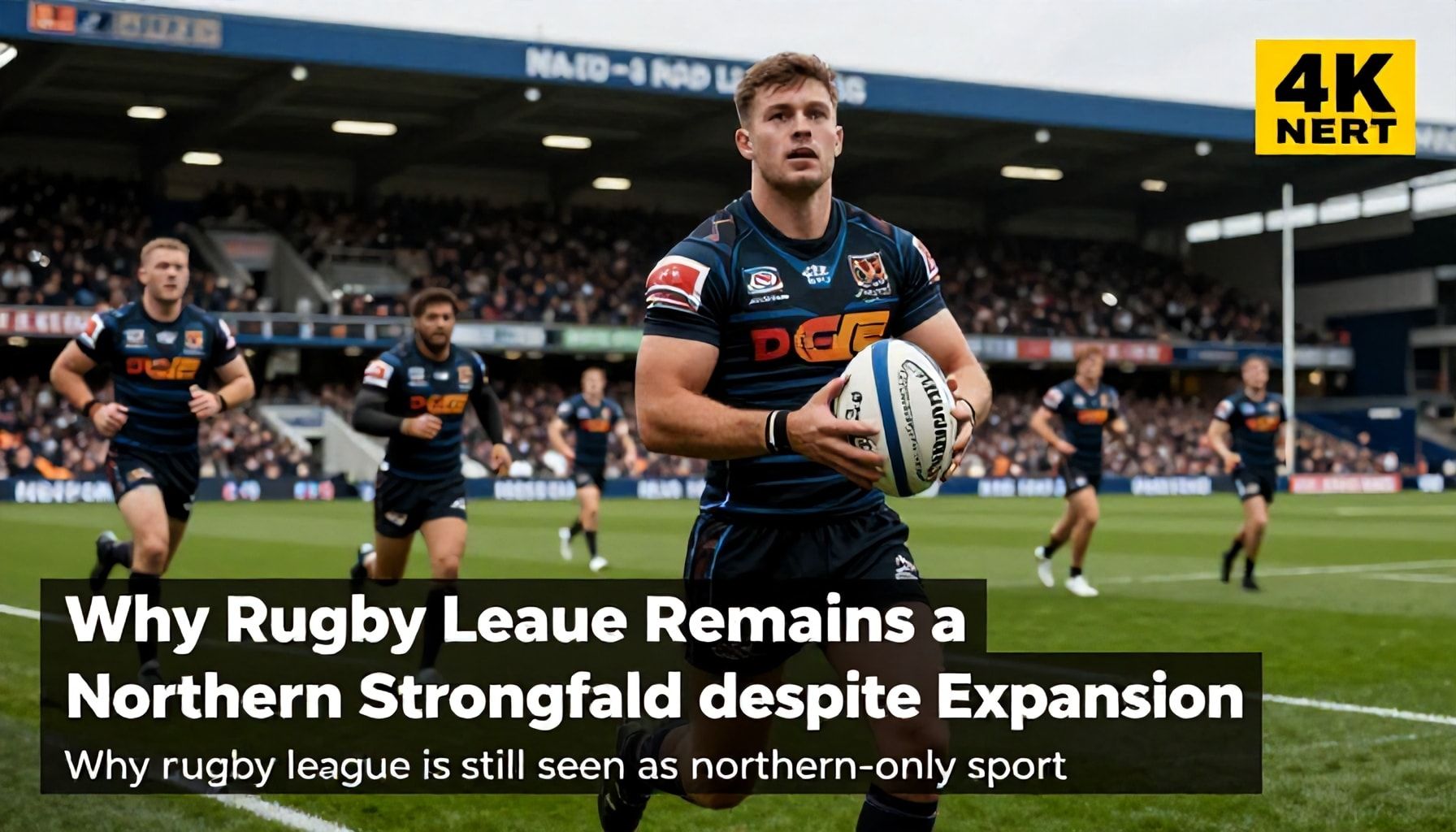
Rugby League’s roots run deep in Northern England, where it emerged in the late 19th century as a breakaway code from Rugby Union. The sport’s heartland remains firmly planted in the North, with 11 of the 12 Super League clubs hailing from the region. This geographical concentration has cemented the sport’s Northern identity, despite efforts to expand its reach.
The sport’s traditional strongholds—West Yorkshire, Lancashire, and Merseyside—continue to dominate. Leeds Rhinos, Wigan Warriors, and St Helens boast some of the largest fan bases, with attendances regularly exceeding 15,000. These clubs’ historical success and deep community ties have entrenched Rugby League as a Northern institution.
Expansion efforts have seen clubs established in London and Toronto, but these ventures have struggled to match the passion and support of Northern clubs. London Broncos, for instance, have faced challenges in building a sustainable fan base, despite being the only Super League club in the capital.
The sport’s governance also reflects its Northern roots. The Rugby Football League (RFL), based in Leeds, oversees the game’s administration. “The North has always been the driving force behind Rugby League,” said RFL Chief Executive Ralph Rimmer. “Our heritage and our future lie in these communities.”
Cultural factors play a significant role in maintaining Rugby League’s Northern identity. The sport is intertwined with the region’s working-class heritage and industrial history. This connection has fostered a sense of pride and belonging among Northern fans, making it difficult for the sport to gain similar traction elsewhere.
National Growth Can't Erase Rugby League's Deep Northern Identity
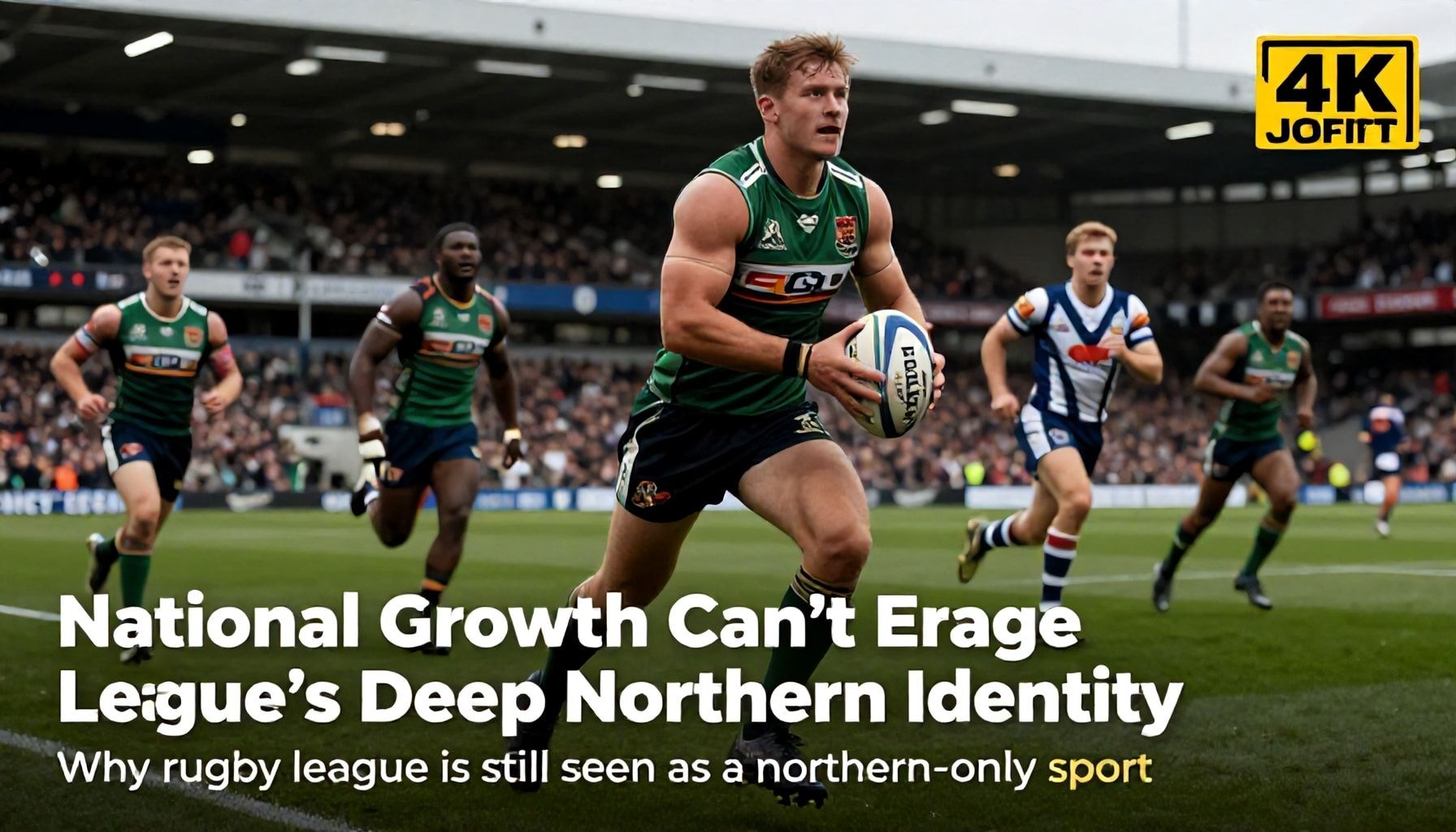
Rugby League’s roots run deep in Northern England. The sport was born in 1895 when clubs in the North broke away from the Rugby Football Union over the issue of paying players. This schism created the Northern Union, which would eventually become the Rugby Football League.
The sport’s heartland remains in the North. Of the 12 teams in the Super League, nine are based in Northern England. These include historic clubs like Leeds Rhinos, Wigan Warriors, and St. Helens, who have dominated the competition for decades.
Viewership statistics reflect this regional concentration. According to a 2022 report by the Rugby Football League, over 70% of the sport’s regular viewers are based in the North. This is despite efforts to expand the game nationally.
Expansion into the South has been limited. London Broncos, the only Super League team in the capital, has struggled to attract a significant local following. The club has faced financial difficulties and relegation battles in recent years.
Cultural identity plays a significant role. Many fans and players associate Rugby League with Northern working-class culture. This perception persists despite the sport’s official national governing body status.
Former England player and coach Brian Noble acknowledges this challenge. “Rugby League is a Northern sport at heart,” he said in a 2021 interview. “It’s about more than just the game; it’s about community and identity.”
Efforts to grow the sport nationally continue. The Rugby Football League has launched initiatives to increase participation and visibility in the South. However, changing the sport’s image as a Northern-only game remains a significant hurdle.
As Rugby League continues its national expansion, the sport’s northern roots remain deeply embedded in its identity. The heart of the game still beats strongest in its traditional heartlands, where clubs like Wigan and St Helens continue to dominate. While new teams from London and the south bring fresh energy, they do so within a framework established by northern traditions. The future may see further geographical spread, but the sport’s northern character will likely persist, shaping its evolution for years to come. The balance between expansion and tradition will be key to Rugby League’s continued growth and success.