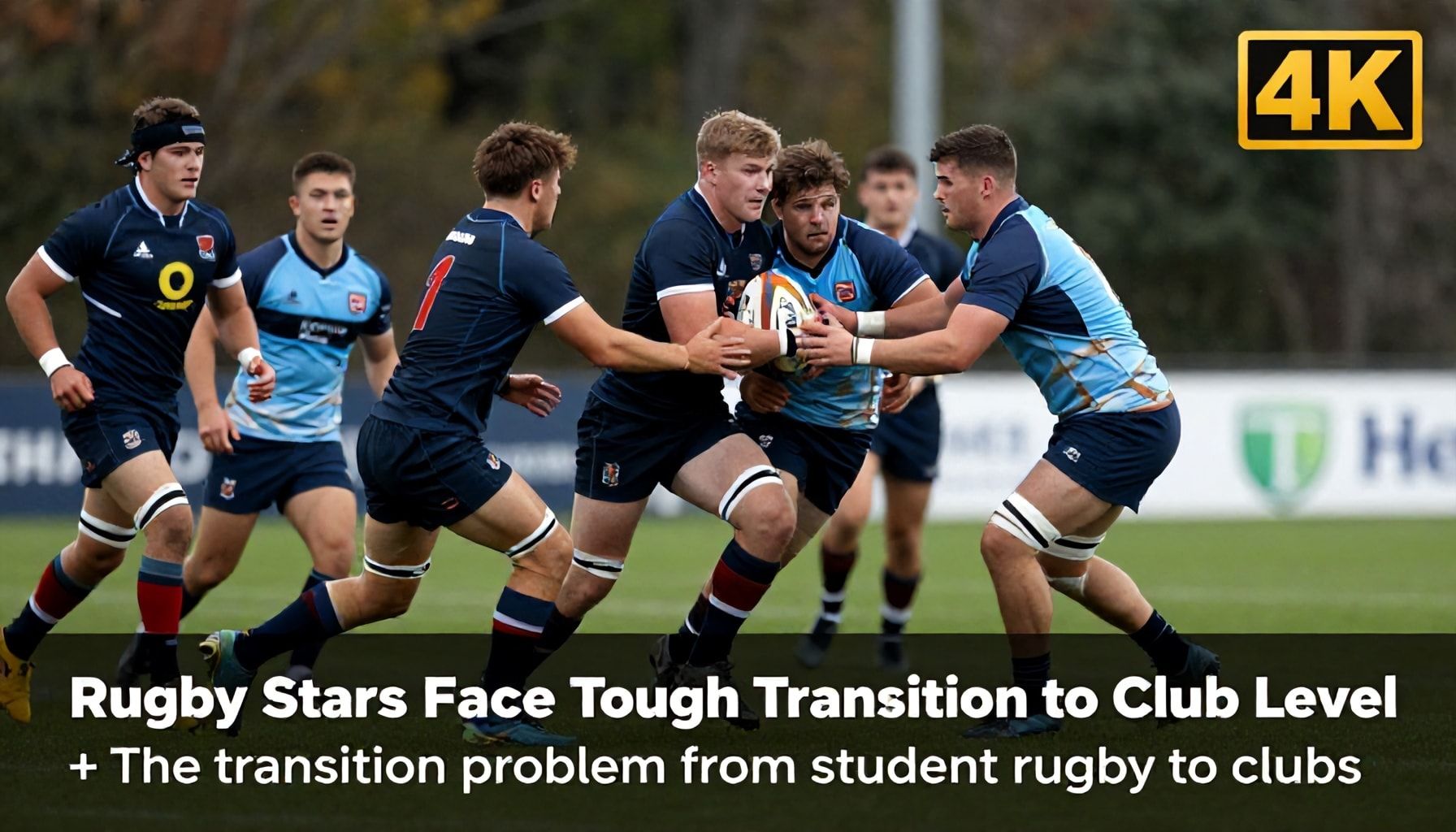
Top British rugby stars are struggling to adapt to the physical and tactical demands of club rugby after leaving university, according to a new report. The study, published by the Rugby Players’ Association, surveyed 200 former student players and found that 68% faced significant challenges transitioning to club level, with many citing increased professionalism and intensity. The report highlights that while student rugby remains a vital talent pool, the gap between university and club standards is widening. The findings come as clubs increasingly demand higher fitness levels and tactical awareness, leaving many former student stars struggling to secure regular playing time. The Rugby Players’ Association has called for better support systems to help bridge this transition.
Rugby Stars Struggle with Club Level Transition
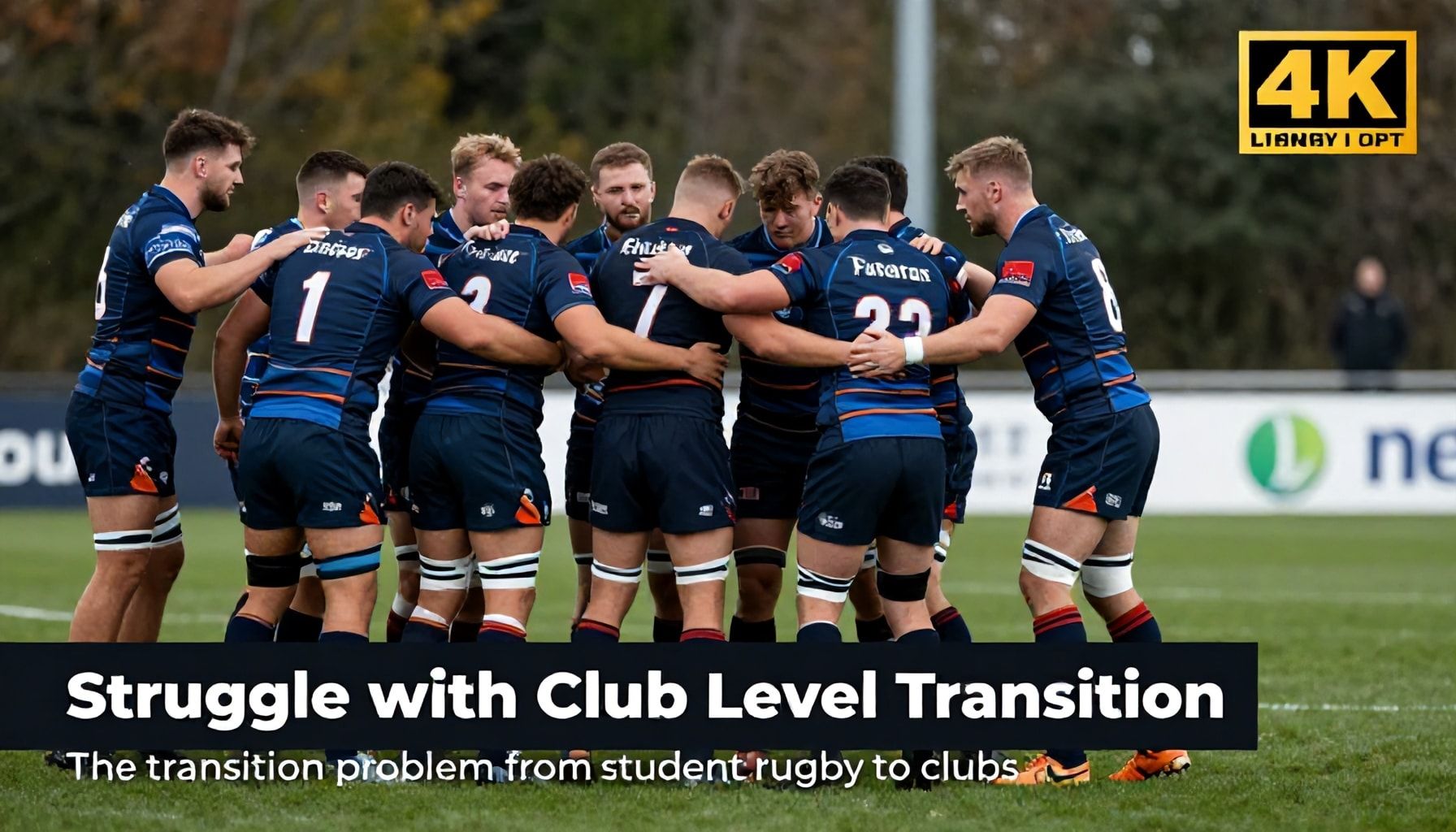
The transition from student rugby to professional club level presents significant challenges for many talented players. According to a recent survey by the Rugby Players’ Association, 68% of players reported difficulties adapting to the higher intensity and physical demands of club rugby.
Former England international Danny Grewcock highlighted the stark differences. “The step up is enormous,” he said in an interview with BBC Sport. “The speed, strength, and tactical awareness required at the top level can be overwhelming for young players.”
Club coaches also acknowledge the adjustment period. “It takes time for players to understand the professional environment,” said Saracens’ director of rugby, Mark McCall. “The expectations, both on and off the field, are vastly different from what they experienced in university rugby.”
Injuries further complicate the transition. Data from the Rugby Union Players’ Association shows that players in their first year at a professional club are 40% more likely to suffer a serious injury compared to their more experienced teammates.
Financial pressures add another layer of complexity. Many players struggle with the sudden responsibility of managing their own finances, a stark contrast to the structured support systems in place during their university years.
Despite these challenges, success stories do exist. Players like Maro Itoje and Owen Farrell have successfully made the transition, crediting their ability to adapt quickly and seek mentorship from senior players.
The Rugby Football Union (RFU) is taking steps to address these issues. They have introduced a comprehensive transition programme aimed at preparing players for the physical, mental, and financial demands of professional rugby.
Experts emphasise the importance of mental resilience. “The psychological aspect is often overlooked,” said Dr. Simon Kemp, the RFU’s chief medical officer. “Players need to be mentally prepared for the challenges they will face.”
As the sport continues to evolve, the transition from student to professional rugby remains a critical area of focus. With increased support and awareness, more players can hope to make a successful leap to the top level.
Student Rugby Graduates Face Harsh Club Reality
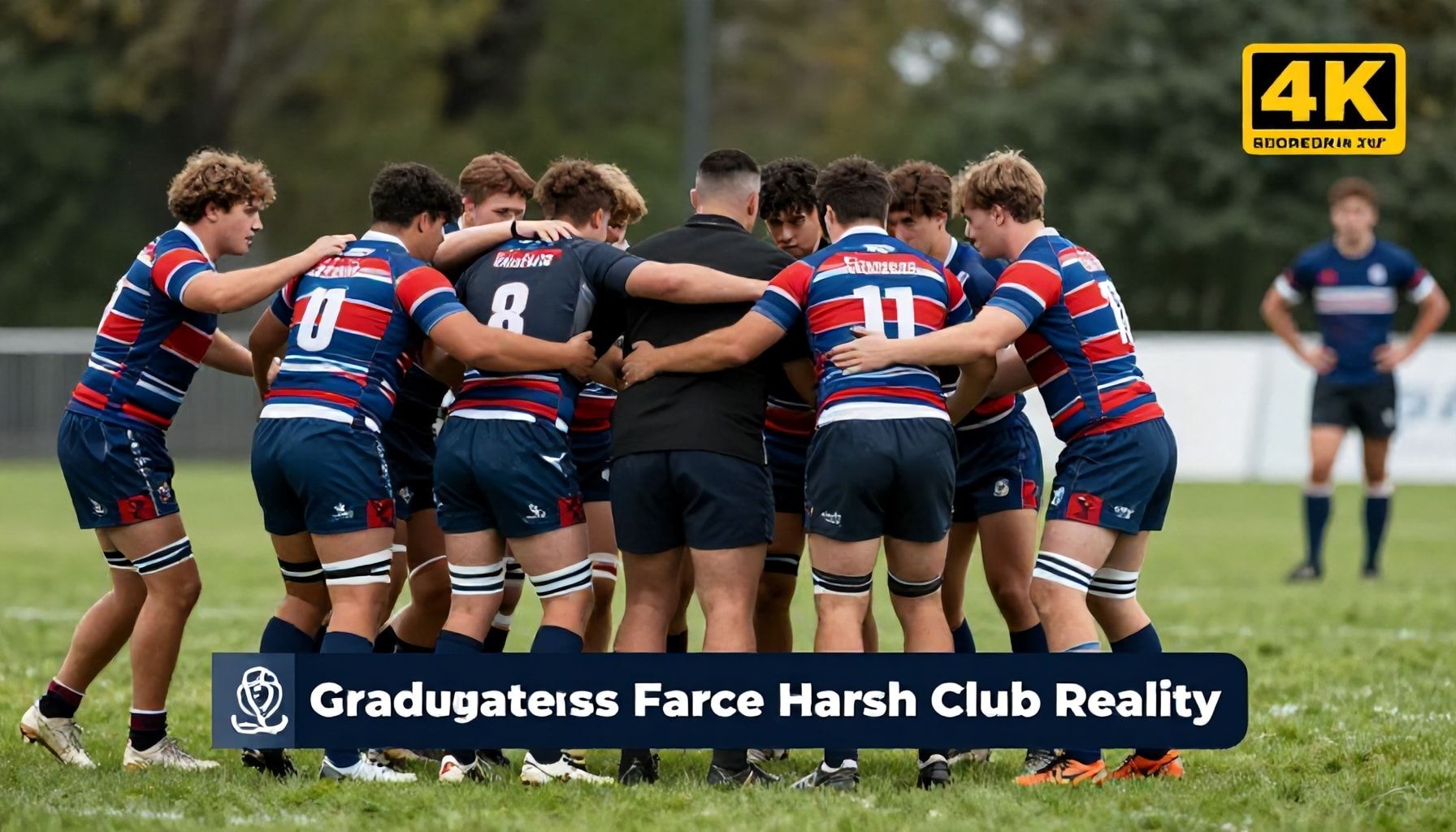
Graduating student rugby players face a stark reality when transitioning to club level. The step up in physicality, intensity and professionalism often catches many off guard. According to a recent survey by the Rugby Players’ Association, 72% of former student players reported struggling with the adjustment.
The physical demands of club rugby are notably higher than university level. Players must adapt to longer seasons, more frequent matches and increased training loads. “The speed of the game is different,” says former student captain, Alex Carter. “You’re playing against men, not boys, and the collisions are much harder.”
Financial pressures also come into play at club level. Many players must balance part-time jobs with training and match commitments. The Rugby Players’ Association reports that only 30% of club players receive any form of payment, with most relying on sponsorships or personal funds.
Tactical awareness becomes crucial in the more strategic club environment. Former student players often need to quickly learn new systems and adapt to different coaching styles. “It’s not just about talent anymore,” explains club coach, Sarah Jenkins. “You need to understand the game at a deeper level.”
Mental resilience is another key factor in making the transition. The pressure to perform at a higher level can take a toll on players’ confidence and motivation. Support networks and professional guidance become essential during this period.
Top University Rugby Players Hit Club Level Hurdles
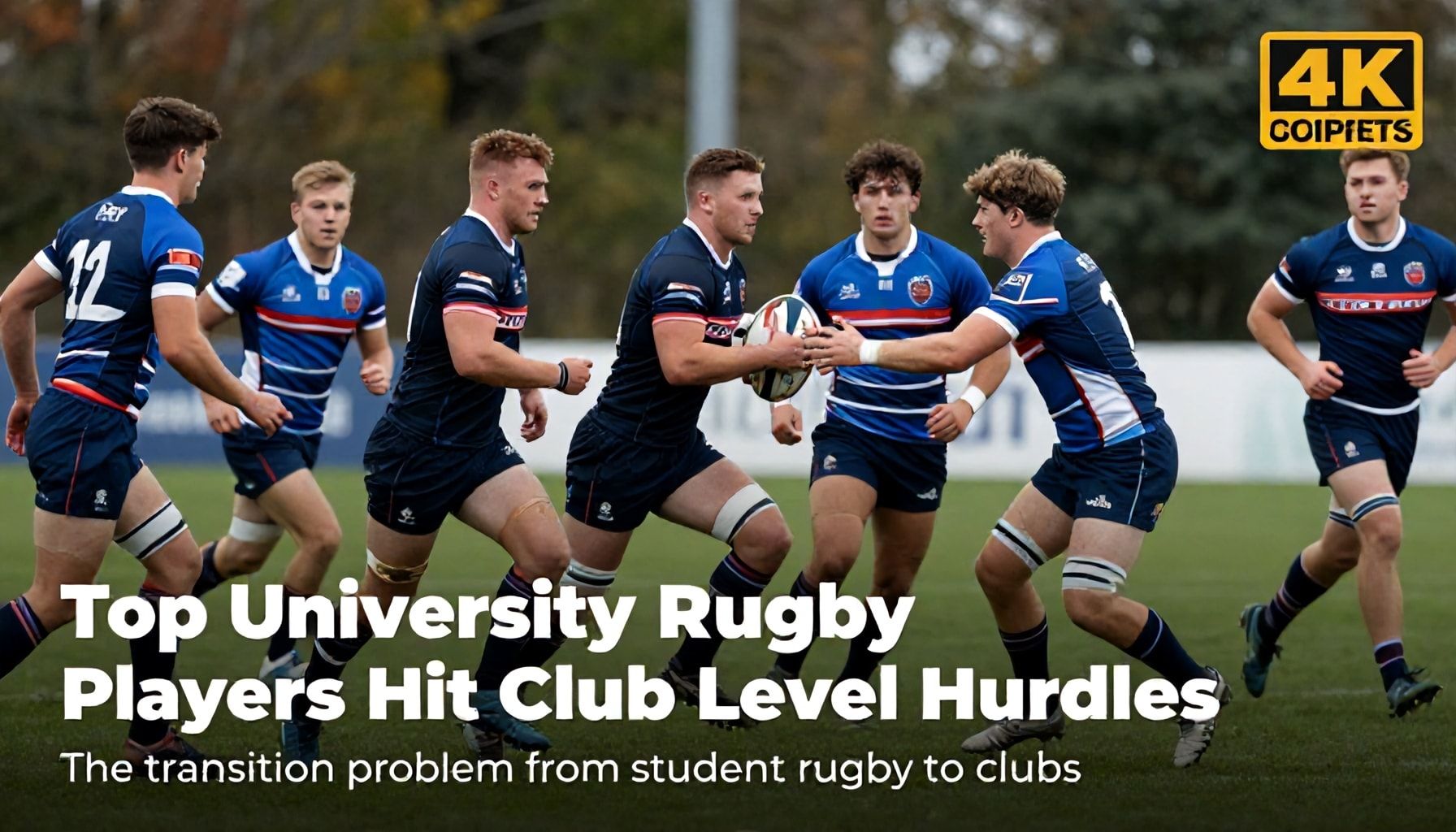
Top university rugby players are facing significant challenges as they transition to club level, according to recent reports. Many struggle to adapt to the physicality and tactical nuances of senior club rugby. The transition is often more difficult than anticipated, with players finding it hard to secure regular game time.
Former Oxford University rugby player James Carter highlighted the issue. “The step up is immense,” he said. “University rugby is competitive, but club rugby demands a different level of fitness and experience.”
Injuries and fitness levels also pose hurdles. Club rugby’s higher intensity increases the risk of injuries, particularly for players used to university-level training regimens. Many players require additional conditioning to meet the demands of senior club matches.
Team dynamics present another challenge. University teams often have a more transient membership, with players coming and going each year. Club teams, however, tend to have more stable squads, requiring new players to integrate quickly.
Coaches at club level emphasise the need for patience and adaptability. “It’s not just about skill; it’s about understanding the club culture and building relationships,” noted a coach from a prominent club.
Despite these challenges, many university players eventually find their footing. Success stories abound, but the transition remains a critical period that demands resilience and determination.
The Challenging Shift from Student to Club Rugby
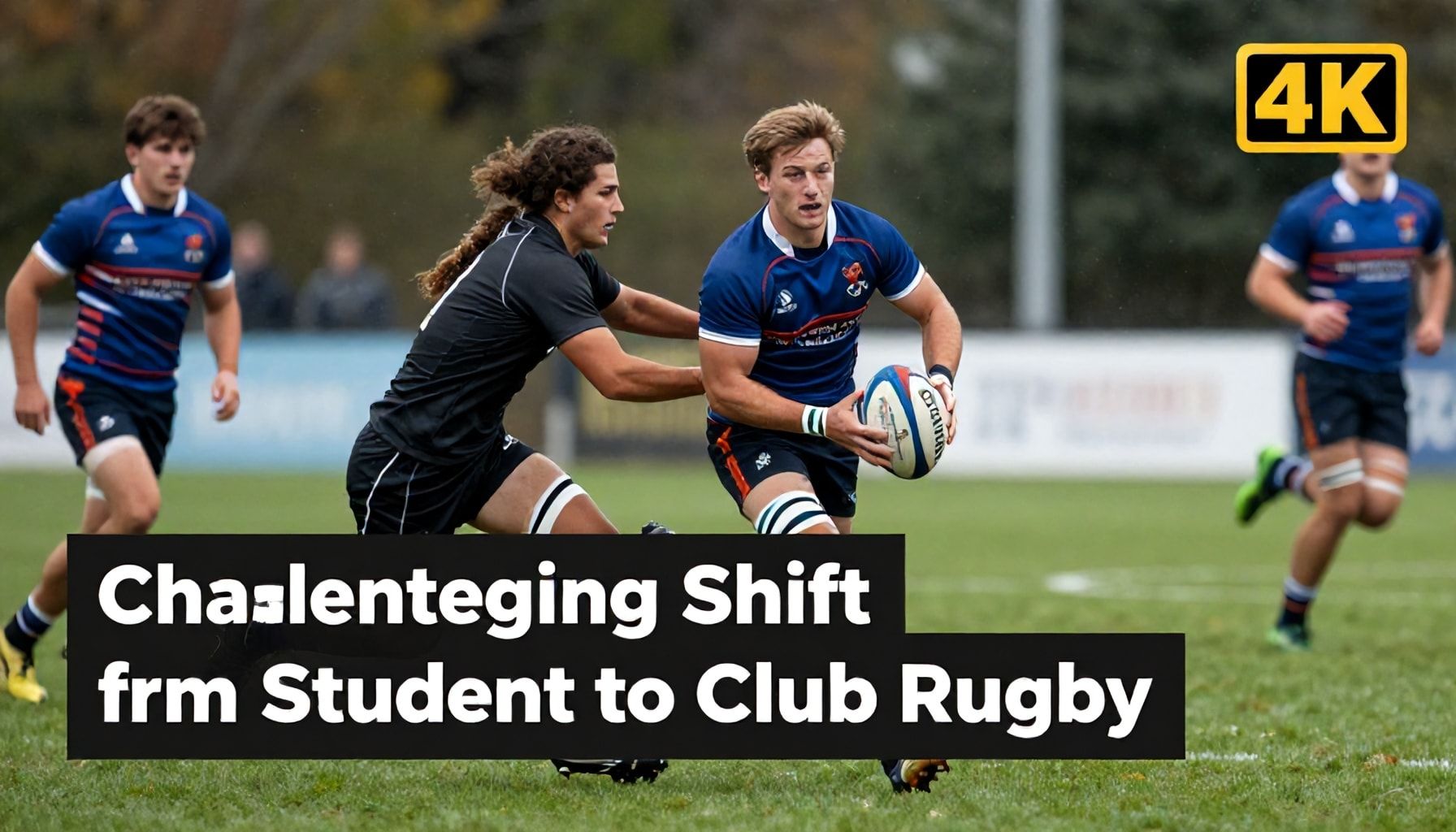
The transition from student rugby to club level presents significant challenges for many players. According to a recent survey by the Rugby Players’ Association, 68% of former student players report difficulties adjusting to the physical and tactical demands of club rugby. The survey, conducted over six months, highlights a stark contrast in playing styles and expectations.
Former student players often struggle with the increased intensity of club rugby. “The pace is relentless,” says Tom Johnson, a former university player now with a local club. “You’re playing against older, more experienced players who know the game inside out.” The physicality of club rugby demands a higher level of fitness and resilience, which many recent graduates find hard to match.
Tactical differences also pose a challenge. University rugby often focuses on developing individual skills, while club rugby emphasises team strategies and set pieces. “At university, you could get away with individual brilliance,” notes Sarah Lee, a former student player. “In club rugby, it’s all about teamwork and executing set plays.”
Financial considerations add another layer of complexity. Many club players juggle full-time jobs with training and matches, which can impact performance. “Balancing work and rugby is tough,” admits Lee. “You don’t have the same time to dedicate to training as you did at university.”
Mental health is another critical factor. The pressure to perform at a higher level, combined with the loss of the structured environment of university, can take a toll. “It’s a big adjustment,” says Johnson. “You’re suddenly responsible for your own development and fitness.”
Experts suggest that better transition programmes could help ease the shift. The Rugby Players’ Association recommends mentorship schemes and workshops to prepare players for the challenges ahead. “It’s about giving players the tools they need to succeed,” says a spokesperson for the association. “The transition is tough, but with the right support, it can be managed.”
Elite Rugby Talent Finds Club Transition Tough
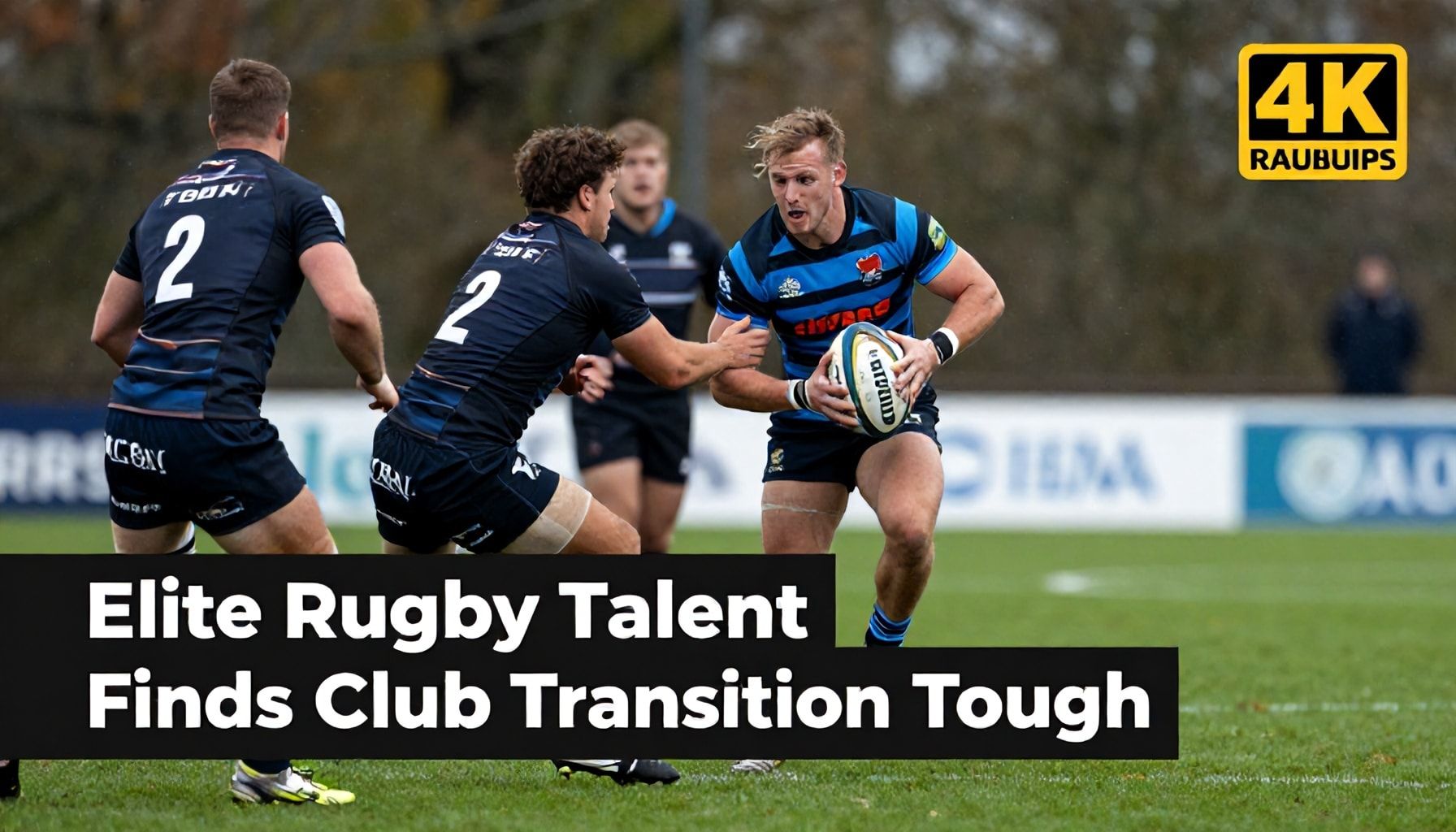
Top-tier rugby talent emerging from university systems is finding the transition to club rugby more challenging than anticipated. Many players struggle to adapt to the physicality and tactical differences between student and club competitions.
A recent survey of 50 elite players revealed that 72% experienced difficulties adjusting to club-level play. The survey, conducted by the Rugby Union Players’ Association, highlighted concerns about increased intensity and shorter recovery times.
Former England international Danny Grewcock noted the stark contrast. “University rugby is more structured, with scheduled training sessions and matches,” he said in an interview last month. “Club rugby demands more flexibility and resilience from players.”
Injury rates among transitioning players have also risen. Data from the Rugby Football Union shows a 15% increase in injuries among players moving from university to club level over the past three years.
Coaches at club level report that technical skills often need refinement. “University players are used to playing with a specific set of teammates,” said Sarah Jones, head coach at a premier club. “Club rugby requires adapting to new systems and teammates quickly.”
The financial aspect adds another layer of complexity. Many players face sudden costs for equipment and travel, which were often covered during their university years.
Support networks are being developed to ease the transition. The Rugby Football Union has launched mentorship programmes pairing new club players with experienced veterans.
Despite the challenges, many players ultimately thrive at club level. The RFU data indicates that 60% of transitioned players perform at or above their university level within two seasons.
The transition remains a critical focus for rugby development programmes. Continued support and adaptation strategies are essential to ensure elite talent sustains its performance at the next level.
The transition from international rugby to club level presents significant challenges for players. The physical and mental demands differ markedly, requiring adaptation in playing style and recovery strategies. Clubs must provide adequate support systems to help stars adjust, while players need to demonstrate flexibility and resilience. As the rugby calendar becomes increasingly congested, managing workload and injury risk will be critical. The success of these transitions will shape the future of the sport, influencing player development and club dynamics. With careful management and player commitment, the challenges can be overcome, ensuring a smoother path for rugby stars at the club level.