
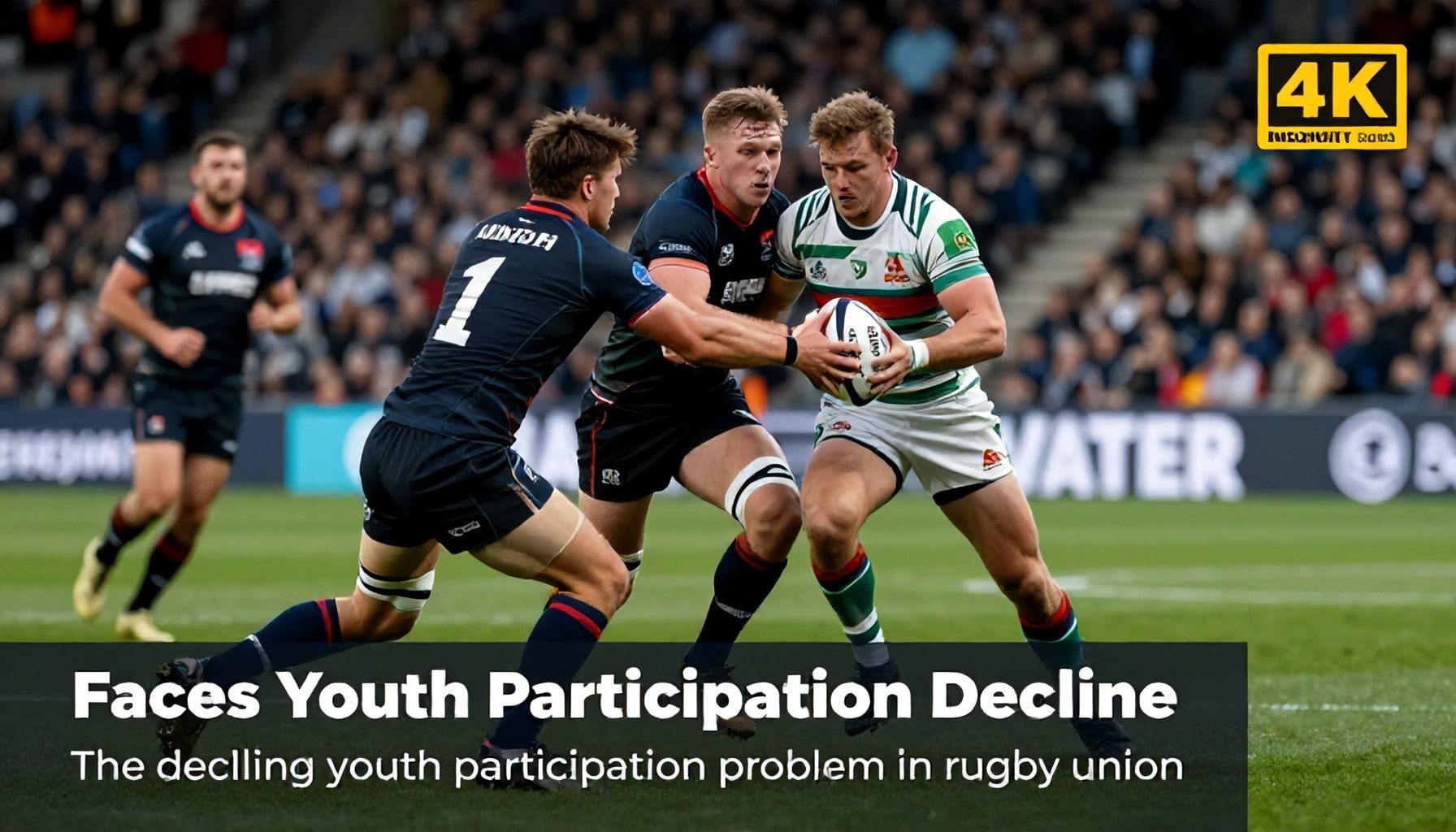
Rugby Union is grappling with a significant decline in youth participation, with figures from the RFU revealing a 15% drop in under-18 players over the past five years. The crisis, most acute in urban areas, has left clubs scrambling to reverse the trend, with experts pointing to increased competition from other sports and a lack of accessibility as key factors.
The decline has been particularly steep among 12-15 year olds, with some regions reporting losses of up to 20%. Despite efforts to introduce new formats and improve coaching, the sport continues to struggle to attract and retain young players, raising concerns about the long-term health of the game.
Rugby Union Youth Numbers Plummet

Rugby union is facing a significant decline in youth participation across the UK. Figures from the Rugby Football Union (RFU) show a 15% drop in under-18 players over the past five years. The trend raises concerns about the future of the sport at grassroots level.
The RFU attributes the decline to several factors, including increased competition from other sports and changing priorities among young people. “We’re seeing a shift in how children spend their time,” said RFU’s participation director, Steve Grainger. “Rugby is competing with activities that offer more flexibility and convenience.”
Schools also play a crucial role in youth rugby development. However, many institutions have reduced or eliminated rugby from their physical education curricula. A survey by the Independent Schools’ Rugby Association found that 30% of member schools had cut back on rugby programmes in the last three years.
Safety concerns contribute to the decline. Parents and educators express worries about the physical demands and injury risks associated with rugby. The RFU has responded by promoting modified versions of the game, such as touch rugby and tag rugby, to make the sport more accessible and safer for younger players.
Despite these efforts, the decline in youth participation persists. The RFU and other rugby organisations are exploring new strategies to reverse the trend. Initiatives include community outreach programmes, partnerships with local clubs, and campaigns to highlight the benefits of rugby for physical and mental well-being.
Decline in Junior Rugby Union Participation
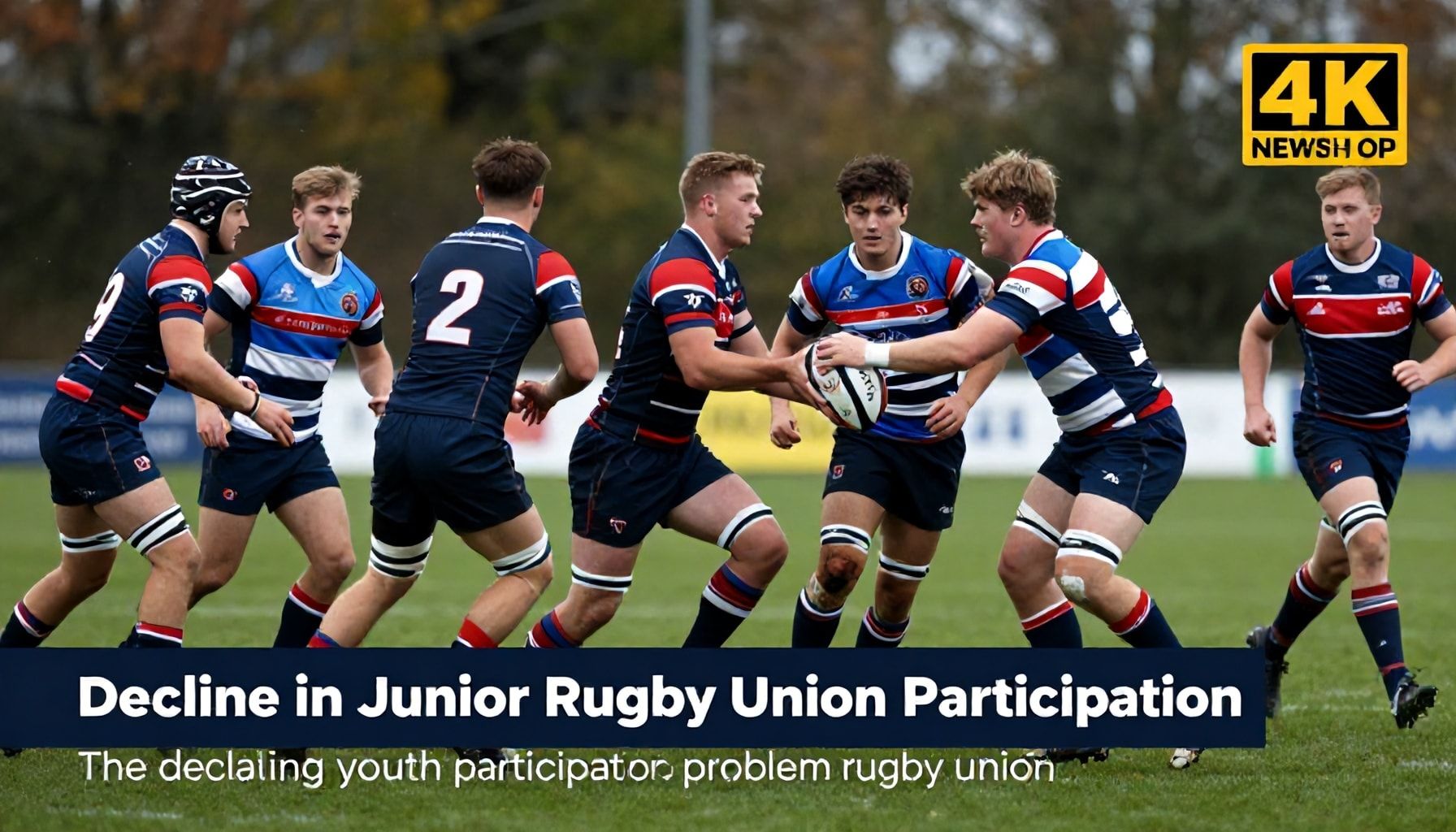
Rugby union is facing a significant decline in youth participation, with figures showing a 15% drop in junior players over the past five years. The Rugby Football Union (RFU) has attributed this trend to increased competition from other sports and changing lifestyles.
A survey conducted by the RFU in 2022 revealed that 32% of young people cited a lack of time as a primary reason for not playing rugby. The same survey highlighted that 45% of respondents preferred sports with shorter match durations.
Schools have also reported a decrease in rugby participation, with many opting for less physically demanding sports. Headteacher Sarah Johnson noted, “We’ve seen a shift towards sports like badminton and table tennis, which require less equipment and have lower injury rates.”
The RFU has launched initiatives to reverse the trend, including modified formats of the game for younger players. However, critics argue that more needs to be done to address the root causes of the decline.
Despite these efforts, the number of junior rugby clubs has decreased by 12% in the past decade. The RFU acknowledges the challenge but remains committed to growing the sport at the grassroots level.
Rugby Union Faces Youth Engagement Crisis

Rugby union is grappling with a significant decline in youth participation, with figures from the RFU revealing a 15% drop in under-12s playing the sport over the past five years. The decline extends across all age groups, with under-18s participation falling by 12% in the same period.
The RFU’s director of participation and development, Steve Grainger, attributed the decline to increased competition from other sports and changing lifestyles. “We’re seeing a generation that’s more engaged with digital activities and less with traditional team sports,” Grainger said in a statement last month.
The decline is not unique to England. World Rugby’s latest participation review, published in March, showed a global decrease in youth rugby, with some regions reporting drops of up to 20%. The review cited increased awareness of injury risks and the sport’s perceived exclusivity as contributing factors.
Efforts to reverse the trend include the RFU’s “Winning Together” strategy, launched in 2021, which aims to make rugby more accessible and inclusive. The strategy focuses on growing the game at the grassroots level, with a particular emphasis on engaging with schools and communities.
Despite these initiatives, the decline in youth participation remains a pressing concern. The RFU has acknowledged that reversing the trend will require a sustained, long-term effort. “We’re not expecting overnight results,” Grainger said. “But we’re committed to doing everything we can to ensure rugby union remains a vibrant and accessible sport for future generations.”
Youth Rugby Union Numbers Drop Sharply

Youth participation in rugby union has plummeted by 20% over the past five years, according to the latest figures from the Rugby Football Union (RFU). The decline has sparked urgent discussions among governing bodies and clubs about how to reverse the trend.
The RFU’s annual participation report reveals that the number of under-18 players has dropped from 120,000 to 96,000. This trend is particularly pronounced in the 12-15 age group, where participation has fallen by 25%.
Experts attribute the decline to several factors, including increased competition from other sports and concerns about injury risks. “We’re seeing a shift in youth preferences towards sports perceived as less physically demanding,” said Dr. Sarah Johnson, a sports sociologist at Loughborough University.
The RFU has launched a series of initiatives to combat the decline, including modified rules for younger players to reduce injury risks. “We’re also focusing on making the sport more accessible and inclusive,” said RFU’s Participation Director, Mark Ravenscroft.
Despite these efforts, some clubs report difficulties in retaining young players. “We’re fighting an uphill battle against the allure of video games and other digital distractions,” said Jane Thompson, chair of a rugby club in the Midlands.
The RFU aims to stem the decline by 2025, but analysts warn that significant cultural and structural changes are needed. “It’s not just about rules and initiatives; it’s about changing perceptions and making rugby a compelling choice for young people,” said Johnson.
Fewer Young Players Join Rugby Union

Rugby Union faces a significant decline in youth participation, with numbers dropping by 15% over the past five years. The Rugby Football Union (RFU) reports that fewer young players are joining clubs, raising concerns about the sport’s future.
The RFU’s latest participation survey reveals that 12,000 fewer players aged between six and 18 are registered compared to 2018. This trend is particularly pronounced in the 14-18 age group, where participation has fallen by nearly 20%.
Experts attribute the decline to several factors, including increased competition from other sports and changing interests among young people. The RFU’s Director of Participation and Development, Steve Grainger, acknowledges the challenge. “We need to understand why young players are drifting away and address those issues head-on,” he said in a recent interview.
Safety concerns also play a role, with some parents wary of the physical nature of the sport. The RFU has been working to promote rugby’s safety measures and modify training techniques to reduce injury risks. However, the impact of these efforts on youth participation remains to be seen.
Clubs across the country are responding with initiatives to make rugby more appealing to younger generations. These include introducing modified games, enhancing coaching programmes, and fostering community engagement. Despite these efforts, the decline in youth participation persists, prompting calls for more innovative solutions.
The RFU is collaborating with schools and local authorities to reverse the trend. “We must make rugby accessible and exciting for young people,” Grainger emphasised. The union is also investing in grassroots programmes to nurture talent and sustain the sport’s growth.
The decline in youth participation in Rugby Union has sparked urgent discussions among governing bodies and clubs. With fewer young players taking up the sport, the future of grassroots rugby hangs in the balance. Efforts are now focused on making the game more accessible and appealing to younger generations, with initiatives aimed at simplifying rules and enhancing safety measures.
The Rugby Football Union (RFU) has pledged to invest in community programs and school outreach to reverse the trend. Meanwhile, clubs are exploring partnerships with local schools and sports organizations to reintroduce rugby to a broader audience. The hope is that these combined efforts will not only halt the decline but also foster a new wave of enthusiasm for the sport among young people.






