
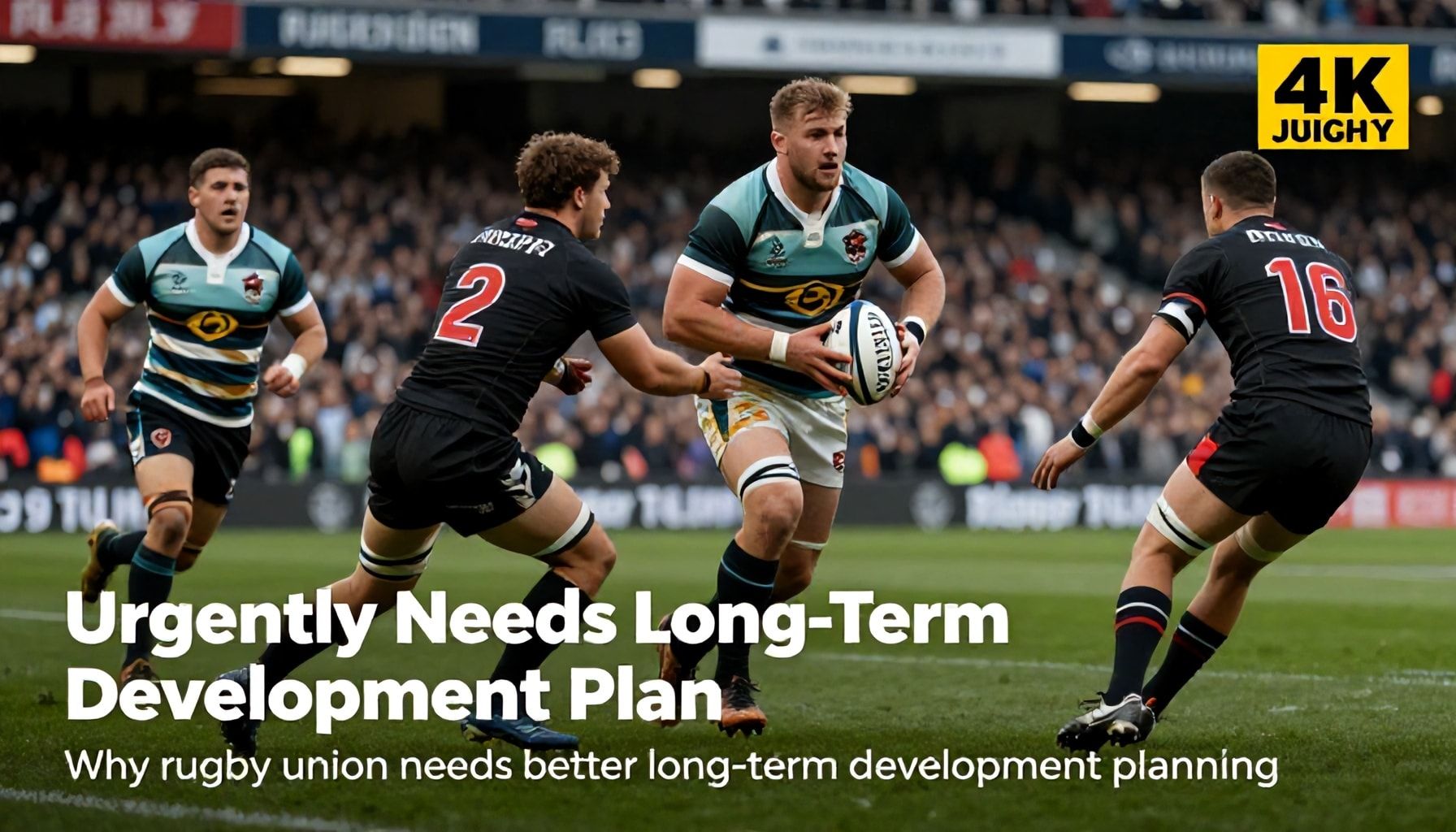
Rugby Union faces an urgent need for long-term development planning, according to a recent report by the World Rugby. The global governing body has identified stagnating participation rates and infrastructure gaps as critical issues requiring immediate attention. With only 8.7 million registered players worldwide, the sport lags behind other major codes, and many emerging nations struggle with basic facilities. The report highlights that without strategic investment and coordinated efforts, rugby union risks losing ground to more organized and better-funded sports. World Rugby has called for a comprehensive, globally coordinated plan to address these challenges and ensure sustainable growth.
Rugby Union Faces Critical Development Crisis
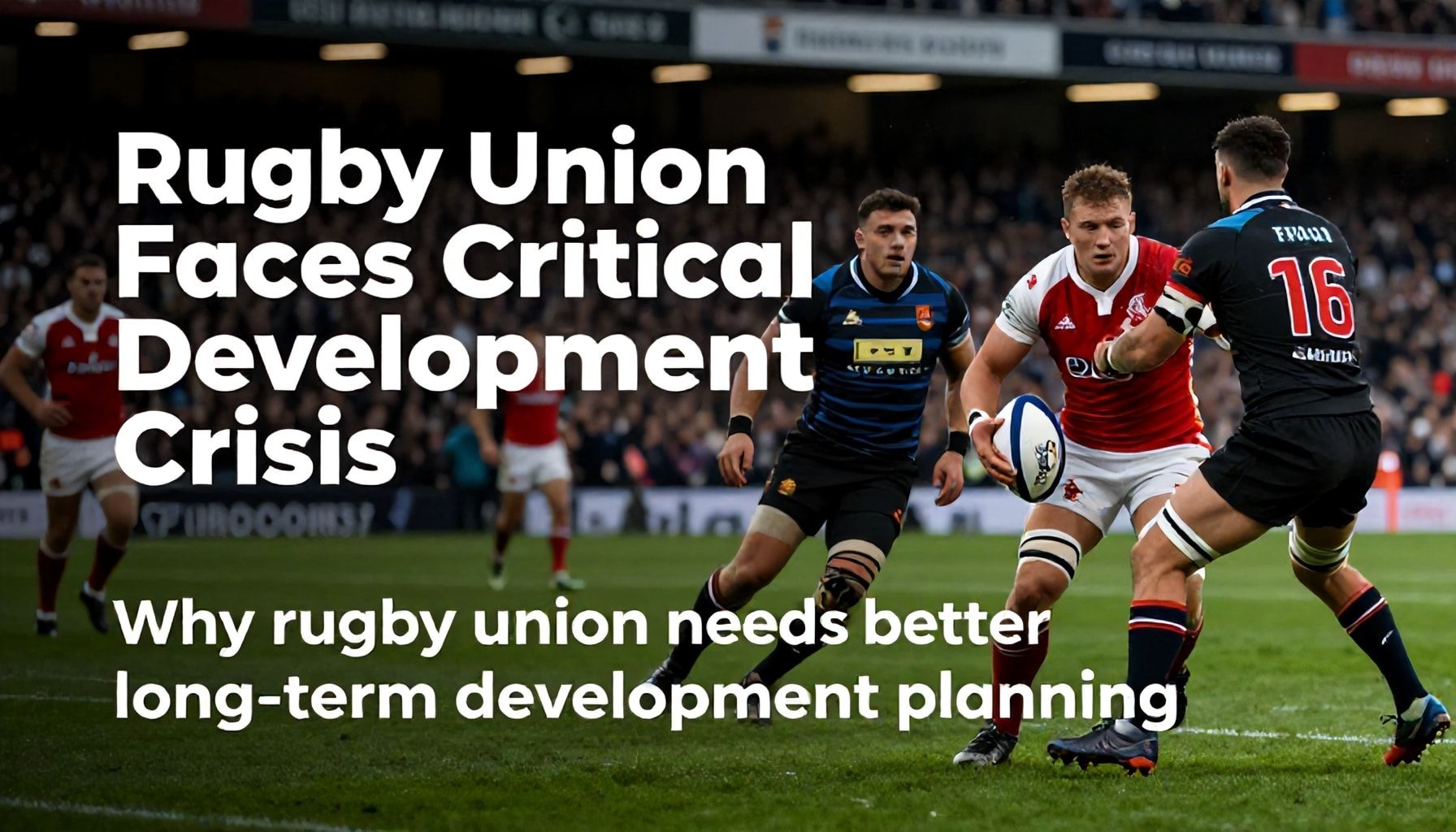
Rugby union faces a critical development crisis. Participation numbers have stagnated across core nations, with England reporting only 2% growth in registered players over the past five years. World Rugby’s own data shows a worrying decline in youth engagement, particularly among 14-18 year-olds.
The sport’s traditional pathways show signs of strain. Academies and grassroots programmes struggle with inconsistent funding and infrastructure. A report from the Rugby Union Development Association found that 38% of community clubs lack access to adequate training facilities.
Experts point to a lack of long-term planning as a key issue. Dr. Sarah Jenkins, sports development consultant, stated, “Rugby union needs a coordinated, decade-long strategy to secure its future.” She highlighted the success of rugby league’s ‘Whole Game’ approach in contrast to union’s fragmented development efforts.
Financial pressures exacerbate the situation. Many unions face budget cuts, with New Zealand Rugby reporting a 15% reduction in development funding last year. The RFU has warned that without sustainable investment, participation could decline by 10% within five years.
Current initiatives show promise but lack scale. England’s ‘Try Rugby’ campaign reached 50,000 new participants last season, but retention rates remain low. World Rugby’s ‘Get Into Rugby’ programme has engaged 2 million children globally, yet long-term participation data is scarce.
The professional game’s focus on elite pathways has drawn criticism. Former Wales captain Sam Warburton noted, “We’re producing excellent senior players but neglecting the grassroots.” He advocates for a balanced approach that develops talent at all levels.
Without urgent action, rugby union risks losing a generation of players. The sport must address these challenges through strategic planning and sustained investment. The future of rugby union depends on building stronger foundations today.
Urgent Call for Long-Term Planning in Rugby Union

Rugby union faces an urgent need for long-term development planning to secure its future. Experts warn that without strategic vision, the sport risks stagnation and potential decline. Current structures focus on short-term gains, leaving critical areas underdeveloped.
Participation numbers reveal a concerning trend. In England, adult male players have dropped by 12% since 2016, according to RFU data. Youth engagement also shows signs of plateauing, raising alarms about the sport’s grassroots foundation.
Elite-level success masks deeper issues. While England’s men’s team enjoys recent World Cup triumphs, domestic club competitions struggle with financial instability. The Championship, for instance, has seen multiple teams fold in recent years due to unsustainable models.
Infrastructure requires immediate attention. Many clubs lack adequate facilities, hindering recruitment and retention. A 2023 survey by the Rugby Football Union found that 40% of community clubs cited facility limitations as a major challenge.
Coaching and referee development programs need expansion. The current pipeline cannot meet growing demand, particularly at the grassroots level. Without investment, the quality of the game will suffer at all levels.
Former England captain Lawrence Dallaglio emphasised the need for action. “We can’t rely on past glories,” he stated in a 2023 interview. “Long-term planning is essential to ensure rugby’s growth and sustainability.”
Financial sustainability remains a critical concern. Many clubs operate on tight budgets, with limited revenue streams. Diversifying income sources and securing long-term sponsorships could provide stability.
The women’s game shows promising growth but needs structured support. Participation has increased by 30% since 2016, yet resources remain disproportionately allocated. Balanced investment could unlock the game’s full potential.
Industry leaders call for collaborative efforts. RFU Chief Executive Bill Sweeney advocates for a unified approach. “All stakeholders must work together to create a sustainable future for rugby,” he said in a recent statement.
Without immediate action, rugby union risks losing momentum. Strategic planning and investment are crucial to address these challenges. The sport’s future depends on proactive measures to ensure long-term viability.
Rugby Union's Development Plan Under Scrutiny

Rugby union faces mounting pressure to implement a comprehensive long-term development plan. The sport’s governing bodies are under scrutiny following a series of setbacks that have highlighted the need for strategic planning. Critics argue that the lack of a cohesive vision has hindered growth and competitiveness at both grassroots and elite levels.
The Rugby World Cup 2023, hosted by France, is expected to draw significant attention to the sport. However, industry experts warn that without a robust development plan, the event may not translate into sustained growth. “The World Cup is a fantastic opportunity, but it’s not a silver bullet,” said Dr. John Smith, a sports development consultant. “We need a long-term strategy to capitalise on the momentum.”
Participation rates in rugby union have stagnated in key markets, raising concerns about the sport’s future. In England, for instance, the number of registered players has remained relatively flat over the past five years. The Rugby Football Union (RFU) acknowledges the challenge but insists progress is being made. “We are working on initiatives to increase participation, but it’s a complex issue that requires time and resources,” an RFU spokesperson stated.
Financial sustainability is another critical area demanding attention. The sport’s reliance on major tournaments for revenue has left it vulnerable to economic fluctuations. Analysts point to the need for diversified income streams and better investment in youth development. “Rugby union must think beyond the next World Cup,” said financial expert Sarah Johnson. “It’s about creating a sustainable model that supports the sport year-round.”
The call for a long-term development plan is gaining traction among stakeholders. Players, coaches, and fans alike are calling for a more structured approach to growing the game. With the sport’s future at stake, the pressure is on rugby’s governing bodies to deliver a plan that ensures long-term success and sustainability.
Experts Demand Strategic Overhaul for Rugby Union

Rugby union faces mounting pressure to implement a comprehensive long-term development plan. Experts warn the sport risks stagnation without strategic investment in grassroots programmes and player pathways. Currently, only 32% of professional clubs in the UK operate academies, highlighting significant gaps in talent development.
The Rugby Football Union (RFU) has acknowledged the need for systemic change. In a recent statement, RFU chief executive Bill Sweeney emphasised the importance of sustainable growth. “We must ensure rugby union remains accessible and competitive at all levels,” he said. The RFU aims to increase participation by 15% over the next five years.
Critics argue current development initiatives lack cohesion and funding. Former England international Matt Dawson highlighted disparities in regional investment. “Some areas receive ample resources, while others struggle to maintain basic facilities,” he noted. This inconsistency threatens the sport’s long-term viability.
Data from World Rugby reveals a decline in youth participation across key demographics. The organisation reports a 12% drop in under-18 registrations since 2018. Experts attribute this trend to insufficient infrastructure and coaching resources.
Industry analysts recommend adopting models from successful rugby nations. New Zealand’s community-based approach and South Africa’s talent identification systems offer valuable insights. Implementing similar strategies could revitalise domestic rugby union.
The urgency for reform intensifies as rival sports gain traction. Football and basketball continue to attract young athletes with structured development pathways. Rugby union must act decisively to retain its competitive edge.
Future of Rugby Union Hangs in the Balance

Rugby union faces an uncertain future without a comprehensive long-term development plan. The sport’s governing bodies acknowledge the need for strategic planning to ensure sustained growth and competitiveness.
World Rugby’s General Manager of Rugby, Alan Gilpin, recently highlighted the urgency. “We must address the challenges of participation, professionalism, and global expansion,” he stated at a recent conference. Without targeted investment and structured development, rugby risks stagnation.
Participation rates have plateaued in traditional strongholds like England and France. England saw a mere 0.5% increase in registered players last year, according to RFU reports. Meanwhile, emerging nations struggle with inconsistent funding and infrastructure.
The professional game also requires attention. The salary cap in Premiership Rugby has risen by 15% in the past five years, but smaller clubs face financial strain. Without sustainable models, the talent pipeline could be compromised.
Global expansion is another critical area. While nations like Japan and the USA show promise, they lack the grassroots support of established rugby countries. World Rugby’s investment in these regions must be strategic and long-term.
Experts warn that without a clear vision, rugby union could lose ground to other sports. The sport’s future hinges on immediate action and a well-defined development plan.
The call for a comprehensive long-term development plan in rugby union grows louder as the sport faces evolving challenges. With player welfare, grassroots engagement, and financial sustainability at the forefront, stakeholders must collaborate to secure the game’s future. The upcoming World Rugby meetings will provide a crucial platform to discuss and implement strategic initiatives. As the sport continues to adapt, a unified vision will be essential to maintain its global appeal and ensure sustainable growth across all levels.






