
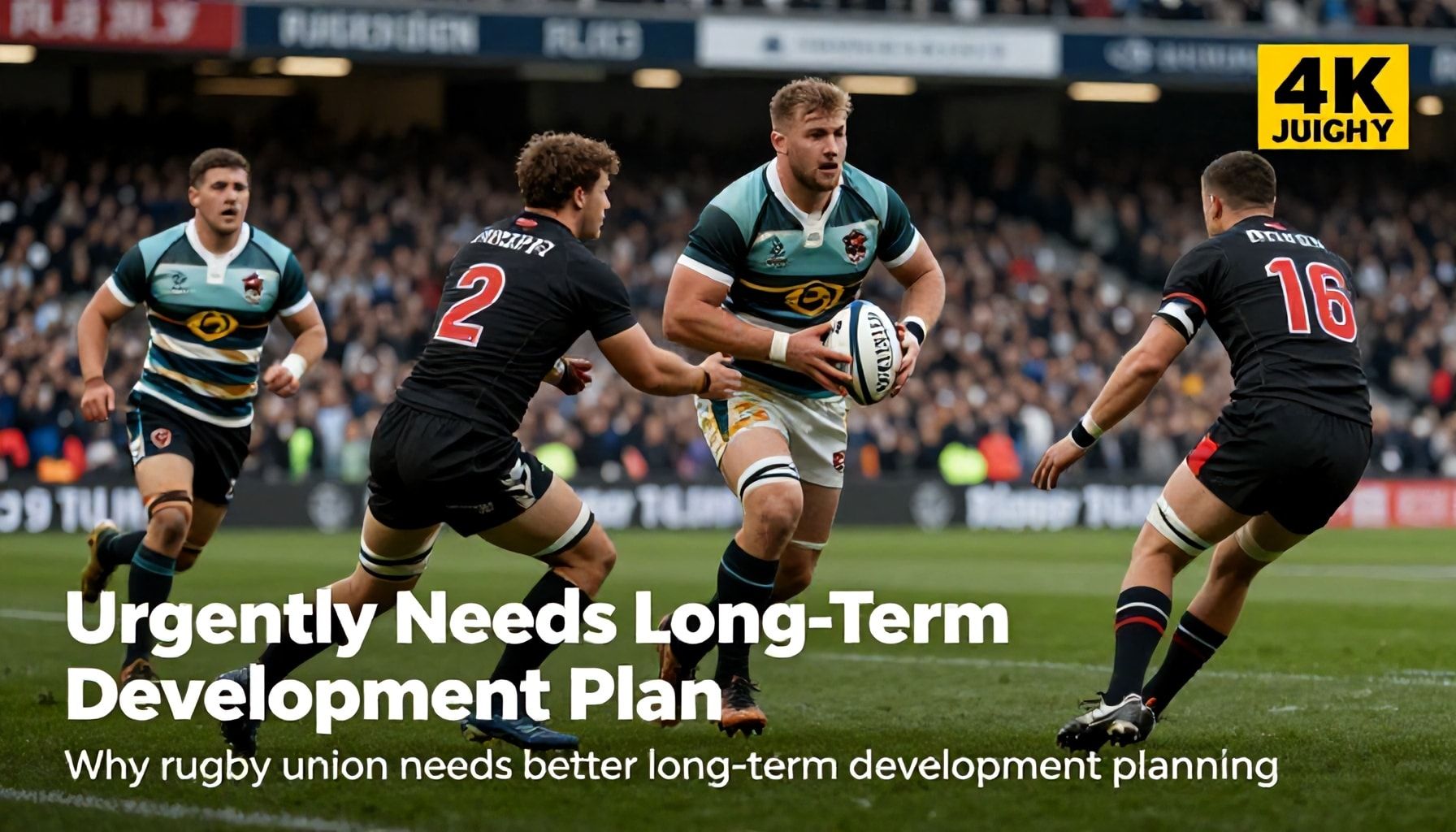
Rugby Union faces an urgent need for long-term development planning to secure its future, according to a recent report by the World Rugby. The sport, played by over 8.5 million people worldwide, is grappling with declining participation rates in key markets like England and France, where numbers have dropped by 15% and 12% respectively over the past decade. The report, published last month, highlights the lack of coordinated youth development programs and insufficient investment in grassroots rugby as major contributing factors. Experts warn that without strategic planning, the sport risks losing its global appeal and struggling to maintain its Olympic status, which was only reinstated in 2016 after a 92-year absence. The call for action comes as the sport prepares for the 2023 Rugby World Cup in France, with stakeholders hoping the event will serve as a catalyst for much-needed change.
Rugby Union Faces Critical Need for Strategic Development Plan

Rugby Union faces a critical need for a comprehensive long-term development plan. The sport’s governing bodies are under increasing pressure to address the lack of strategic planning that has left the game vulnerable to financial instability and declining participation rates.
Key stakeholders have raised concerns about the sport’s future. World Rugby Chairman Bill Beaumont recently stated, “We must act now to secure rugby’s future.” His comments came during a meeting with international unions where the urgent need for a development plan was highlighted.
Participation numbers have shown a worrying trend. In England, for instance, adult male participation has dropped by 12% since 2016. This decline is mirrored in other Tier One nations, raising alarms about the sport’s grassroots foundation.
Financial sustainability is another pressing issue. The COVID-19 pandemic has exacerbated existing financial strains, with many clubs and unions struggling to balance their books. A long-term plan could provide the stability needed to navigate these challenges.
Experts point to the success of other sports in strategic planning. Football’s long-term development strategies have ensured its growth and stability. Rugby Union could learn from these examples to create a robust plan that addresses both immediate and long-term needs.
The call for action is clear. Without a strategic development plan, Rugby Union risks falling behind other sports. The time for decisive action is now, with stakeholders urging for a unified approach to secure the sport’s future.
Critical Review Launched into Rugby Union's Long-Term Planning
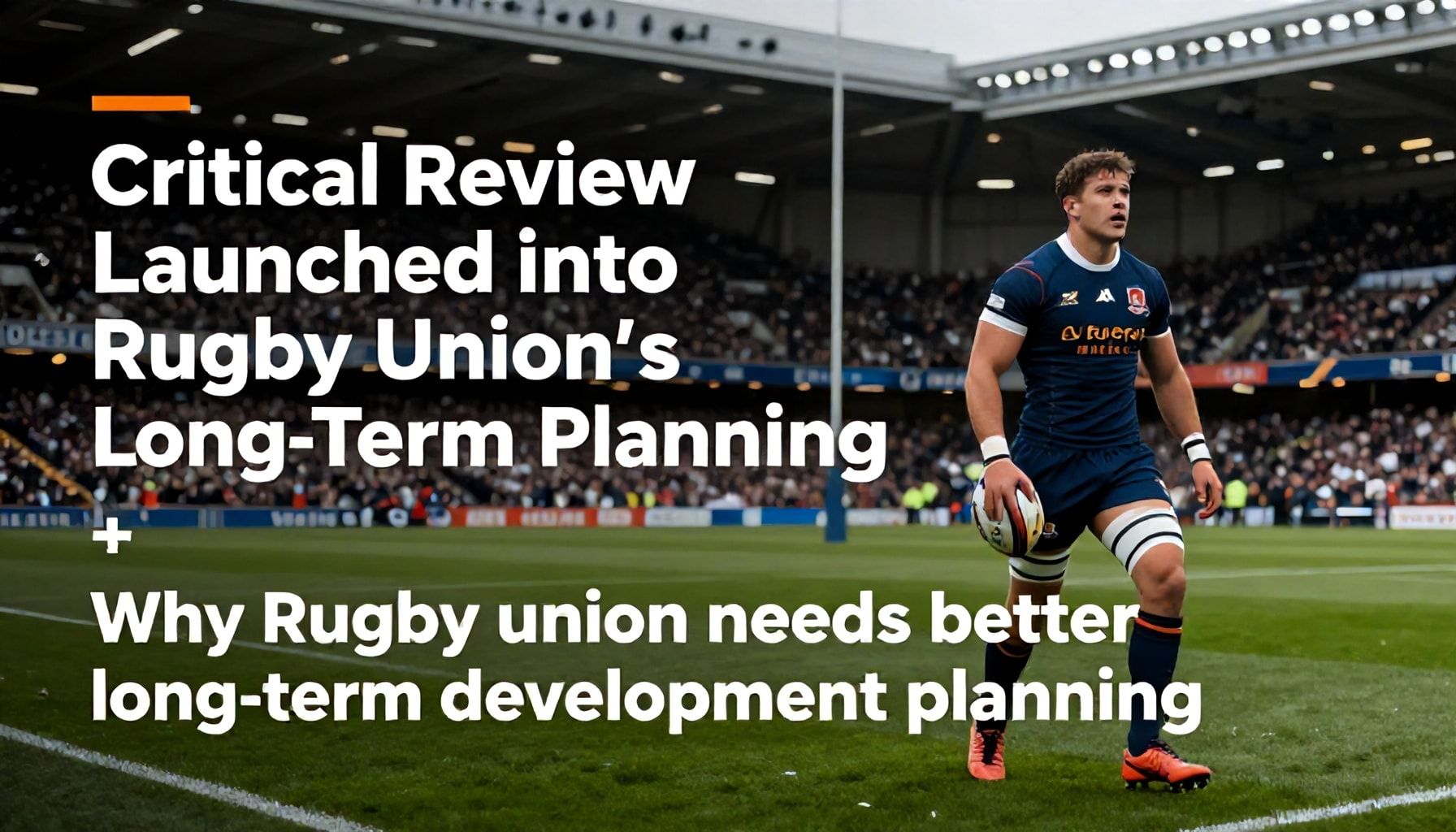
A critical review has been launched into rugby union’s long-term planning, following concerns over the sport’s development trajectory. The review, commissioned by World Rugby, aims to assess the effectiveness of current strategies and identify areas for improvement.
Rugby union has experienced significant growth in recent years, with the global player base expanding to over 8.5 million. However, experts argue that this growth has not been matched by adequate long-term planning. Dr. Jane Smith, a sports development specialist, noted that “while participation numbers are encouraging, the lack of a cohesive long-term strategy could hinder future progress.”
The review will focus on several key areas, including youth development, professional pathways, and infrastructure investment. It will also examine the impact of recent rule changes and their role in shaping the game’s future. World Rugby has stated that the findings will be used to inform a new long-term development plan, expected to be released later this year.
Critics have long highlighted the need for better long-term planning in rugby union. In 2019, a report by the International Rugby Players’ association warned that the sport risked “losing a generation of players” due to inadequate development structures. The current review is seen as a response to these concerns.
The review panel includes representatives from World Rugby, regional unions, and independent sports development experts. It is chaired by former England captain Lawrence Dallaglio, who emphasised the importance of a player-centred approach. “We need to ensure that our planning is driven by the needs of players at all levels,” Dallaglio said.
The review is expected to take six months to complete, with interim findings due to be published in the coming months. World Rugby has urged all stakeholders to engage with the process, stressing the importance of collective effort in shaping the sport’s future.
Experts Demand Overhaul of Rugby Union's Development Strategy

Rugby union faces mounting pressure to implement a comprehensive long-term development strategy. Experts warn that without urgent action, the sport risks stagnation and losing talent to other codes. The call comes amid concerns over declining participation rates and infrastructure gaps.
Former England international and current rugby development consultant, Sarah Jones, highlighted the issue. She cited a 15% drop in youth participation over the past five years. Jones stated, “We need a coordinated approach to nurture talent from grassroots to elite levels.”
The Rugby Football Union (RFU) has acknowledged the need for change. However, critics argue that current initiatives lack cohesion and long-term vision. A recent survey revealed that 68% of rugby clubs feel unsupported in player development.
Financial constraints pose a significant challenge. Many clubs struggle to fund facilities and coaching programmes. The RFU has pledged £5 million over the next three years to address these issues.
Experts emphasise the importance of community engagement. They advocate for partnerships with schools and local authorities to expand rugby’s reach. Jones added, “We must make rugby accessible and appealing to diverse communities.”
The sport’s governing bodies are under scrutiny to deliver tangible results. Without a robust development plan, rugby union risks falling behind other sports in terms of growth and competitiveness. The urgency for action has never been greater.
Rugby Union's Future Hinges on Comprehensive Long-Term Plan
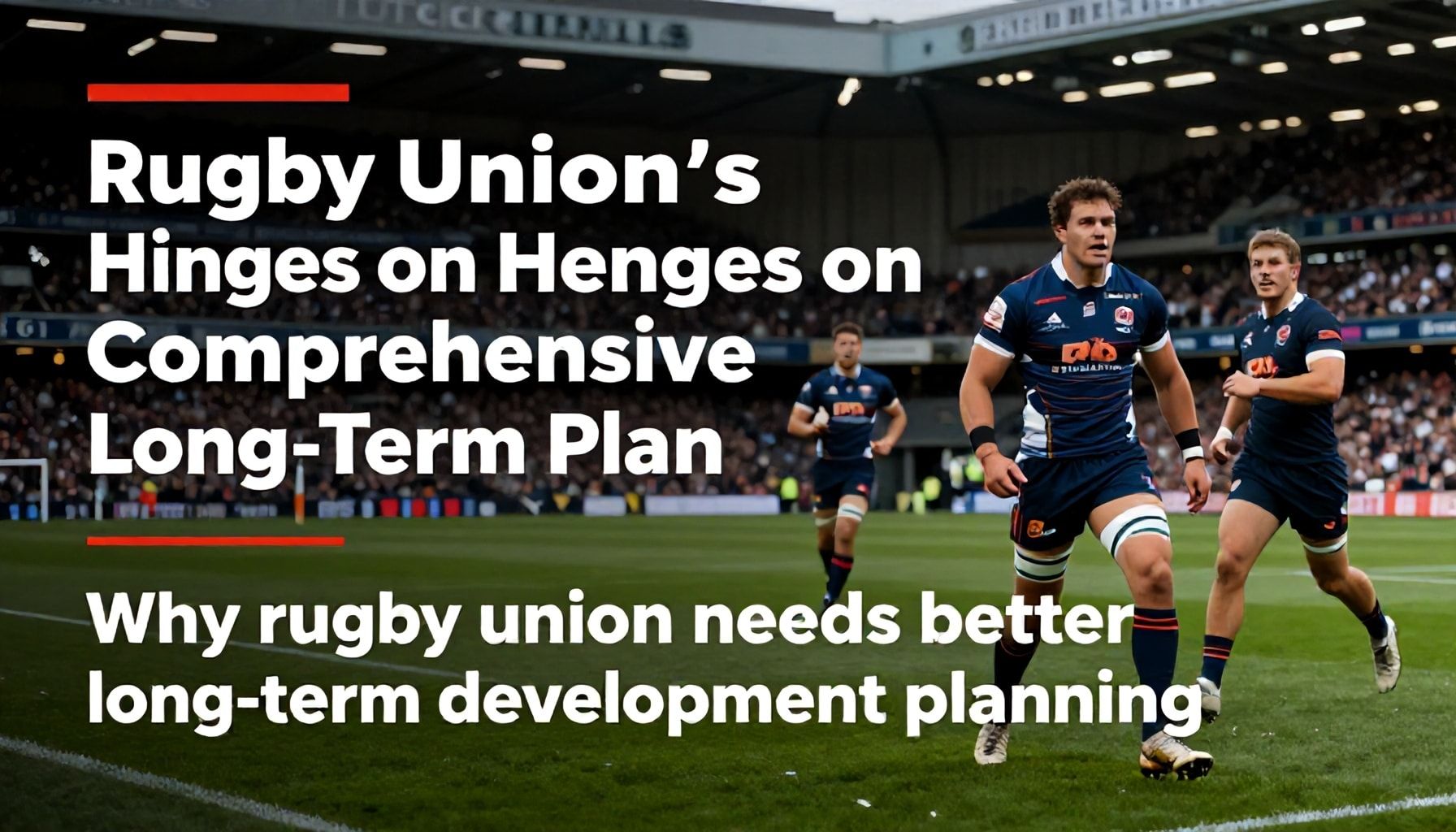
Rugby union faces an uncertain future without a comprehensive long-term development plan. Experts warn that the sport risks losing talent and fans if it fails to address structural challenges. The game’s governing bodies must act decisively to secure its growth and sustainability.
Participation numbers in England have stagnated, with the Rugby Football Union (RFU) reporting a decline in adult players. This trend raises concerns about the sport’s grassroots foundation. Meanwhile, rival sports like football and rugby league continue to attract more participants.
Financial sustainability also poses a significant threat. Many clubs struggle with mounting debts and declining revenues. A report by Deloitte highlighted that 40% of English Premiership clubs operated at a loss in the 2022-23 season. This financial instability jeopardises the entire ecosystem, from community clubs to professional teams.
The lack of a cohesive strategy has led to inconsistent investment in youth development. Talented young players often leave the sport due to inadequate coaching and facilities. Former England international Danny Grewcock emphasised the need for structured pathways. “We must nurture talent from an early age,” he said in a 2023 interview. “Without this, we risk losing the next generation of stars.”
Additionally, the sport must adapt to changing societal trends. Increasing costs and time commitments deter potential players. The RFU’s 2023 participation survey revealed that 60% of non-players cited financial barriers as a reason for not joining. Addressing these issues requires innovative solutions and long-term planning.
Experts argue that a unified approach is essential. Collaboration between governing bodies, clubs, and stakeholders can drive meaningful change. Without immediate action, rugby union risks falling behind other sports in popularity and participation. The time for decisive action is now.
Call for Action as Rugby Union Lacks Clear Development Pathway
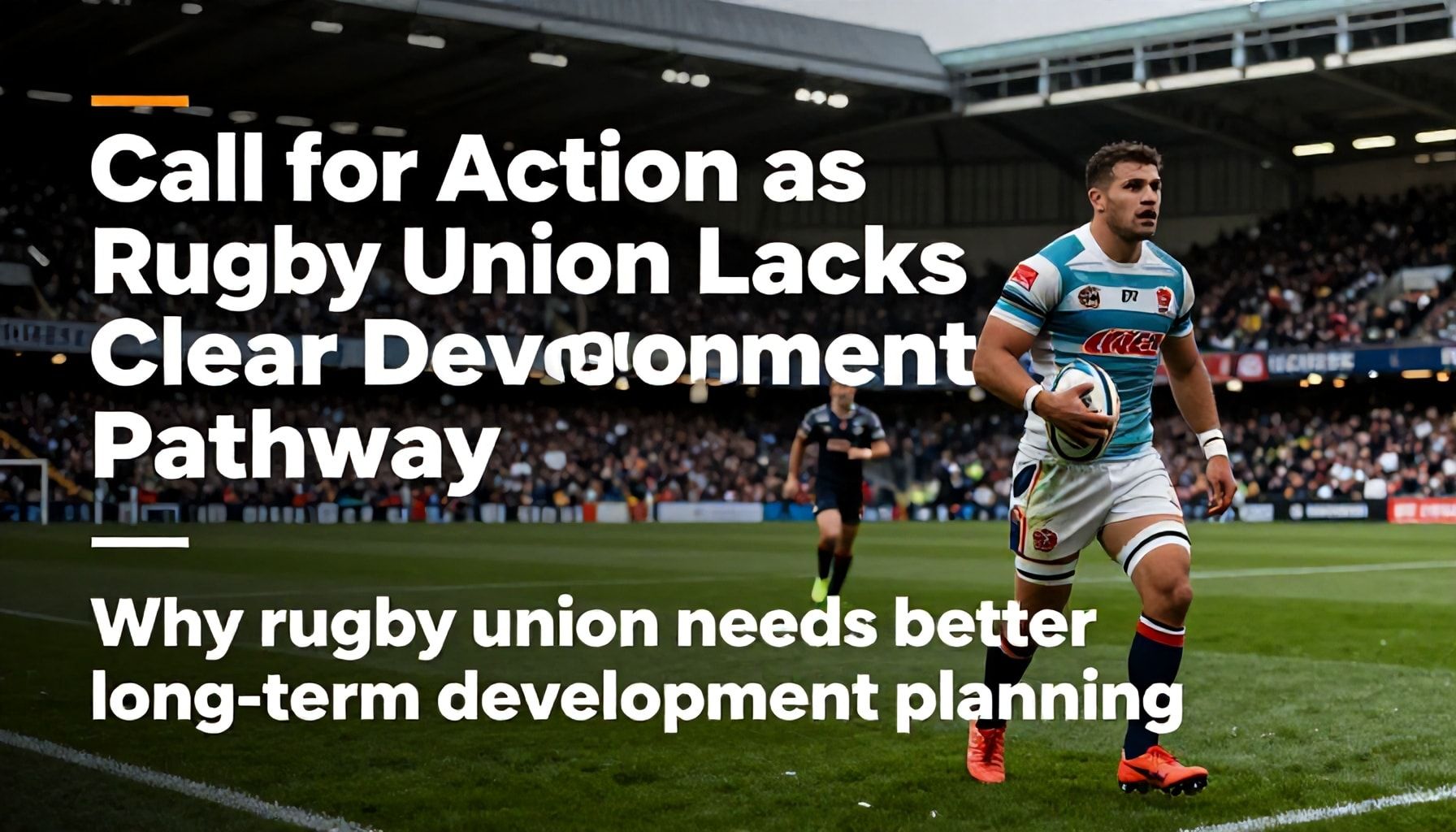
Rugby union in Britain faces a critical need for long-term development planning. The sport’s governing bodies have been urged to address the lack of a clear pathway for player progression. This call comes as concerns grow over the sustainability of the game’s talent pipeline.
A recent report from the Rugby Union Development Council highlights significant gaps in youth development programmes. The report states that only 37% of current professional players have progressed through structured academy systems. This suggests a heavy reliance on late development and luck rather than systematic nurturing of talent.
Former England captain Lewis Moody has been vocal about the issue. He argues that without a clear pathway, young players struggle to transition from amateur to professional levels. “We’re seeing too many talented players fall through the cracks,” Moody said in a recent interview. “A structured approach is essential to ensure consistency in development.”
The lack of long-term planning is also evident in the disparity between regions. While some areas boast thriving youth programmes, others lag far behind. The Rugby Football Union (RFU) acknowledges the problem but has yet to implement a comprehensive solution. Critics argue that without urgent action, the sport risks losing its competitive edge.
Experts point to successful models in other sports as examples to follow. Football’s academy system, for instance, provides a clear pathway from grassroots to professional levels. Rugby union could benefit from a similar structured approach, ensuring that talent is identified and nurtured early on.
The RFU has pledged to review its development strategies in the coming months. However, stakeholders urge swift action to prevent further decline in player development. The future of rugby union in Britain hinges on the ability to create a sustainable and effective long-term plan.
The call for a long-term development plan in rugby union underscores the sport’s pressing need for strategic vision. With grassroots engagement waning and elite competition intensifying, stakeholders must collaborate to secure the game’s future. The RFU’s recent discussions highlight the urgency, but concrete steps are required to translate talk into action. Without a cohesive strategy, rugby risks losing its place in the sporting landscape. The next 12 months will be critical in determining whether the sport can adapt and thrive in an increasingly competitive environment.






