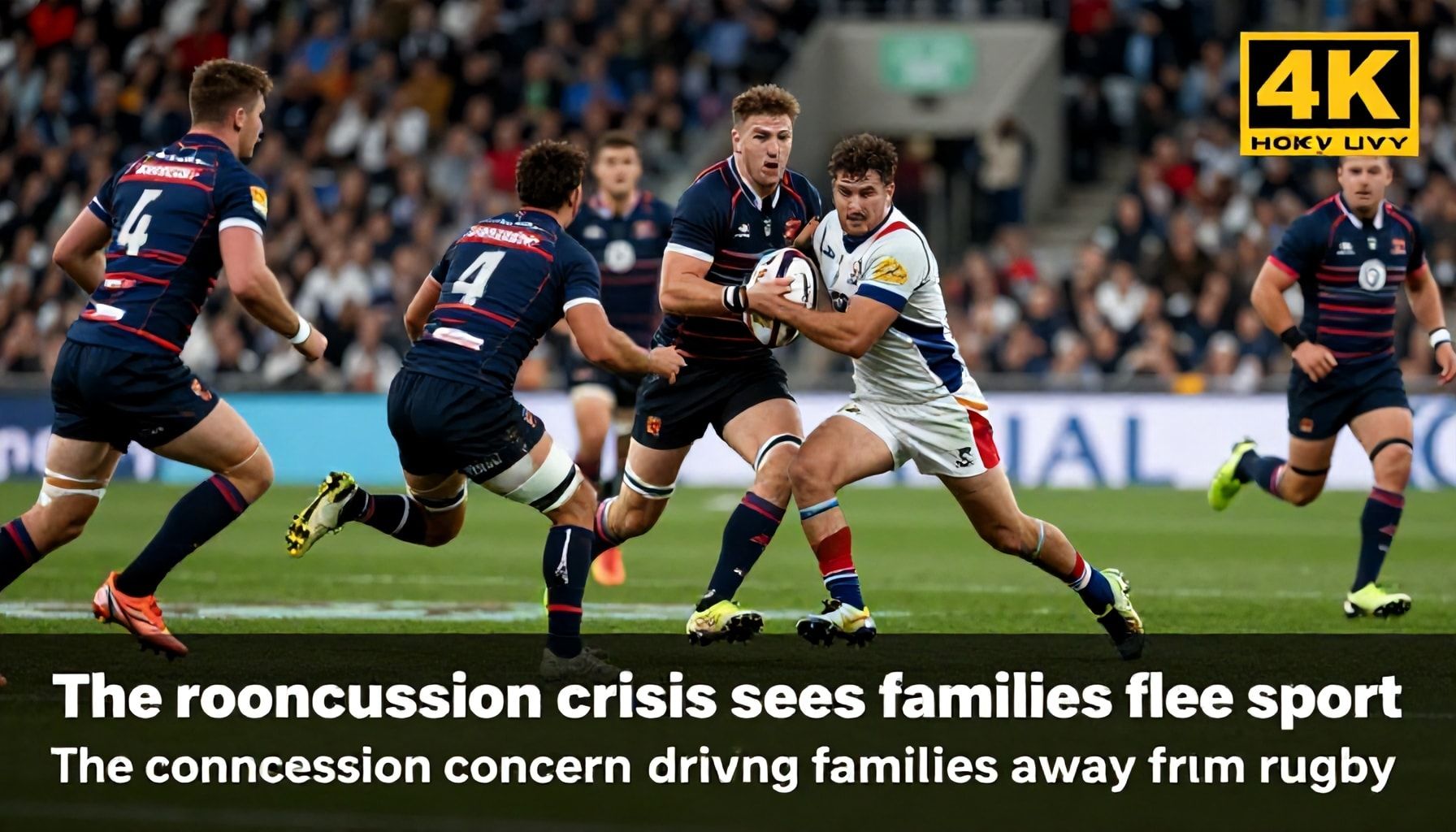
Families across the UK are abandoning rugby at an alarming rate, driven by growing concerns over concussions and long-term brain injuries. The exodus has seen participation numbers plummet, with the Rugby Football Union (RFU) reporting a 15% decline in youth registrations over the past two years. The crisis has been sparked by high-profile cases, including former England international Steve Thompson’s battle with early-onset dementia, which he attributes to repeated head trauma sustained during his playing career. Medical experts warn that the sport’s culture of toughness and underreporting of concussions is exacerbating the problem, with some families opting for safer alternatives like football or swimming. The RFU has acknowledged the issue, implementing stricter concussion protocols and promoting awareness campaigns, but critics argue more needs to be done to protect players at all levels.
Families Abandon Rugby Over Concussion Fears
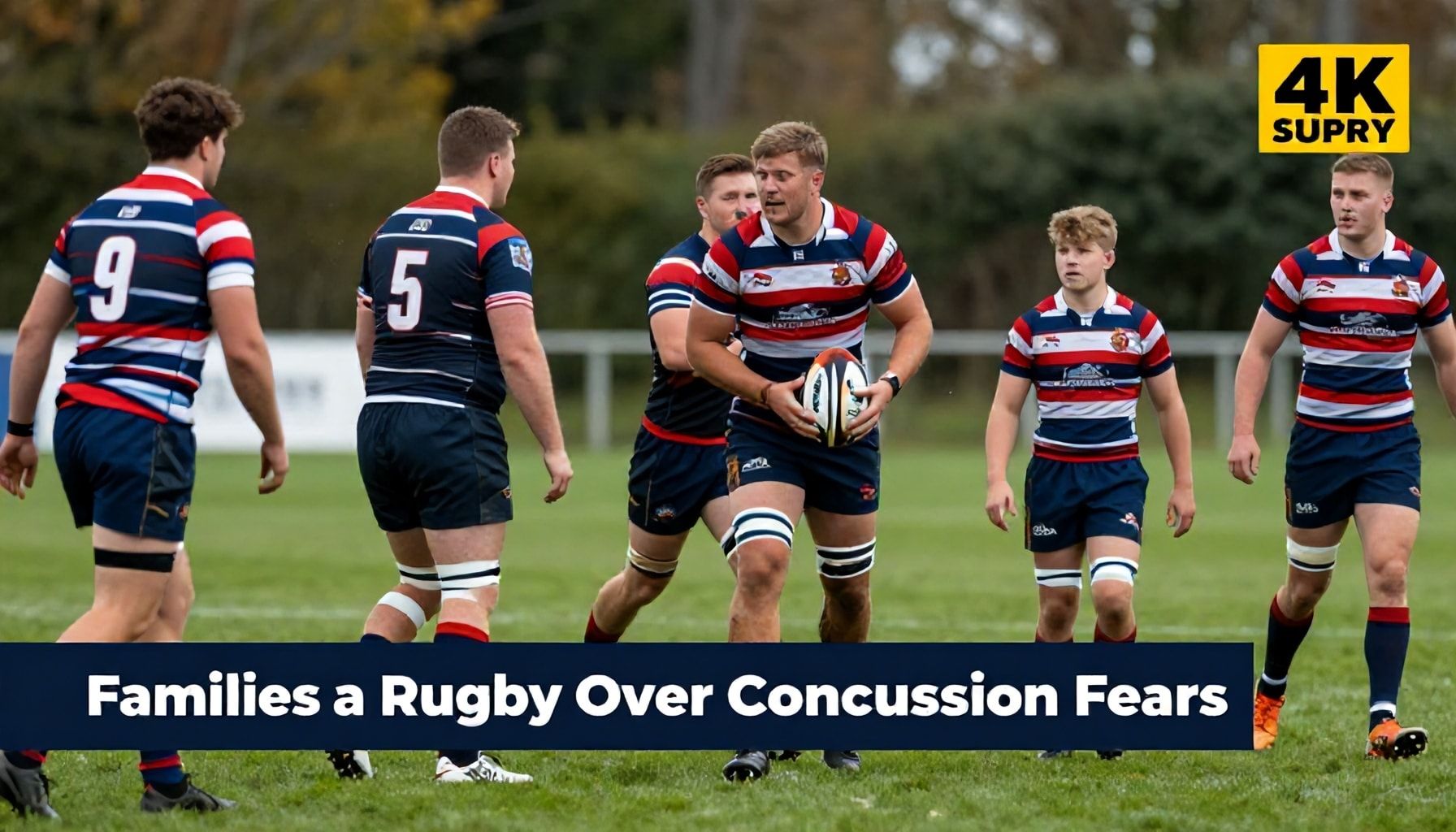
Rugby faces a growing crisis as families withdraw children from the sport over concussion fears. The Rugby Football Union (RFU) reports a 14% decline in youth participation since 2019, with safety concerns cited as a primary factor.
Dr. William Stewart, a leading neurologist, has linked repeated head impacts in rugby to long-term brain damage. His research, published in The Lancet, found that former rugby players had a threefold increased risk of neurodegenerative disease. The RFU acknowledges the findings but insists it is taking steps to improve player safety.
Parents express growing unease about the sport’s safety measures. Sarah Johnson, whose 12-year-old son recently quit rugby, told The Guardian, “I just don’t feel the sport is doing enough to protect young players.” She cited inadequate pitch-side medical support and insufficient education about concussion risks.
The RFU has introduced new guidelines, including mandatory head injury assessments and limits on contact training. However, critics argue these measures do not go far enough. Dr. Stewart advocates for a reduction in full-contact training sessions, a stance not yet adopted by the RFU.
The decline in youth participation threatens rugby’s future. Clubs report struggles to field teams, and some have closed entirely due to falling numbers. The RFU aims to reverse the trend through its “Headcase” campaign, promoting safer play and raising concussion awareness.
Despite these efforts, many families remain wary. The sport’s future hinges on its ability to address safety concerns and regain parental trust. Until then, rugby’s concussion crisis continues to drive families away.
Rising Concussion Rates Spark Exodus from Rugby

Rising concussion rates in rugby are driving families to abandon the sport, with participation numbers showing a worrying decline. The Rugby Football Union (RFU) reported a 10% drop in youth registrations last season, attributing the trend to growing safety concerns.
Parents are increasingly reluctant to allow their children to play, citing the risk of head injuries. A survey by the Child Brain Injury Trust found that 68% of parents now view rugby as dangerous, up from 45% five years ago. The shift in perception coincides with increased media coverage of concussion risks.
Medical professionals have raised alarms about the long-term effects of repeated head trauma. Dr. Michael Turner, a consultant neurologist, stated, “We’re seeing more young players with symptoms consistent with chronic traumatic encephalopathy (CTE).” His comments came during a parliamentary inquiry into sports-related head injuries.
The RFU has implemented new protocols to address the crisis, including mandatory concussion substitutes and enhanced pitch-side medical support. However, critics argue these measures are insufficient. “The sport needs cultural change, not just rule tweaks,” said Dr. Simon Kemp, the RFU’s medical director.
Former players have also spoken out about the issue. Lewis Moody, a World Cup winner, revealed he suffers from early-onset dementia. “I love the game, but the risks are too high,” he said in an interview with BBC Sport. His testimony has resonated with many families considering quitting rugby.
The financial impact of declining participation is already being felt. Clubs report lower membership fees and reduced sponsorship deals. The RFU acknowledges the challenge but insists it is committed to making the sport safer. “We’re working with experts to find solutions,” a spokesperson said. The question remains whether these efforts will be enough to reverse the exodus.
Rugby's Brain Injury Crisis Pushes Parents Away

Rugby is facing a significant decline in youth participation, with many families opting out due to growing concerns over brain injuries. According to the Rugby Football Union (RFU), participation in youth rugby has dropped by 15% over the past five years. This trend is largely attributed to the increasing awareness of the long-term effects of concussions and head injuries.
Parents are increasingly vocal about their concerns. “I love rugby, but I can’t in good conscience let my son play knowing the risks,” said Sarah Johnson, a mother of two. Her sentiments echo those of many parents who have witnessed high-profile cases of concussions and their devastating consequences. The RFU reports that over 60% of parents surveyed cited concussion risks as their primary reason for withdrawing their children from the sport.
The sport’s governing bodies are taking notice. World Rugby has implemented new laws to reduce high tackles and promote player welfare. However, critics argue that these measures are not enough. Dr. Will Evans, a sports medicine specialist, stated, “While the new rules are a step in the right direction, more needs to be done to ensure the long-term safety of players.”
Clubs are feeling the impact. Many youth rugby clubs have reported a significant drop in registrations. The RFU has launched initiatives to educate coaches and parents about concussion management and prevention. Yet, the decline in participation continues, raising questions about the future of the sport at the grassroots level.
The situation has sparked debates within the rugby community. Some argue for stricter regulations and better medical support, while others advocate for a cultural shift in how the game is played. As the crisis deepens, the rugby community must address these concerns to ensure the sport’s sustainability and safety.
Concussion Concerns Drive Mass Departure from Rugby
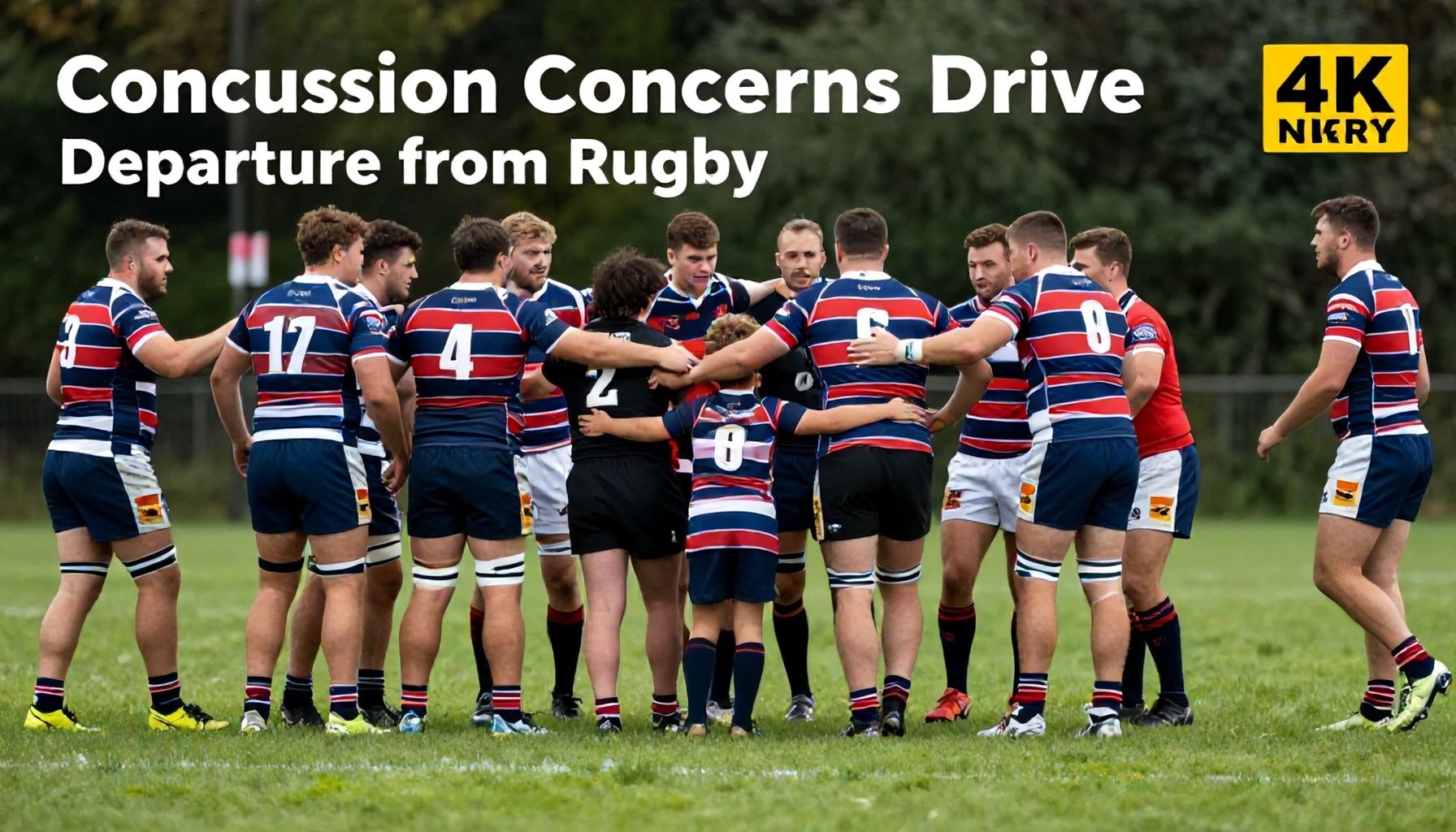
Rugby is facing a mass exodus of players and families due to growing concerns over concussions and long-term brain injuries. The sport has seen a significant decline in participation, particularly among youth players, as parents increasingly prioritise safety over tradition.
A recent survey by the Rugby Football Union (RFU) revealed that 40% of parents are now more concerned about concussions than they were five years ago. The survey, conducted among 2,000 parents of youth rugby players, highlighted a stark shift in attitudes towards the sport’s safety.
In response to the growing crisis, the RFU has implemented new concussion protocols and education programmes. However, critics argue that these measures are not enough to address the root causes of the problem. Dr. William Stewart, a neuroscientist at the University of Glasgow, stated, “While new protocols are a step in the right direction, they do not tackle the cultural issues within the sport that contribute to concussion risks.”
The decline in participation has been most pronounced in schools and youth clubs. Many families are turning to alternative sports, such as football or hockey, which are perceived as safer options. The RFU acknowledges the challenge but remains optimistic about the future.
Efforts to improve safety standards and promote awareness continue. The RFU has partnered with organisations like Headway, a brain injury charity, to provide resources and support. Despite these initiatives, the sport’s reputation has been significantly damaged.
The long-term impact of the concussion crisis remains uncertain. However, the immediate effect is clear: rugby is losing players and families at an alarming rate. The sport must address these concerns to ensure its survival and growth.
Rugby Faces Participation Drop Amid Concussion Scandal

Rugby is facing a significant drop in participation as concerns over concussions continue to grow. The Rugby Football Union (RFU) reports a 10% decline in youth registrations over the past two years. This trend mirrors similar drops seen in other rugby-playing nations, including New Zealand and Australia.
The decline comes amid increasing scrutiny of the sport’s handling of concussion cases. A recent study published in the British Journal of Sports Medicine found that rugby players are three times more likely to suffer a concussion than athletes in other contact sports. The study’s lead author, Dr. Simon Kemp, stated that the findings “highlight the urgent need for improved concussion protocols and education.”
Parents are increasingly voicing their concerns. Sarah Johnson, a mother of two rugby-playing sons, told BBC Sport, “I’m not comfortable with the lack of clear guidelines and the potential long-term risks.” Her sentiments echo those of many parents who are now considering alternative sports for their children.
The RFU has acknowledged the concerns and is taking steps to address them. In a statement, the RFU said it is “committed to making the game safer for all participants.” The union has introduced new concussion protocols and is investing in research to better understand and manage the risks associated with the sport.
Despite these efforts, the decline in participation continues. Rugby clubs across the UK report difficulties in recruiting new players, particularly in youth categories. The long-term impact of this trend remains to be seen, but it is clear that the sport faces a significant challenge in retaining and attracting players.
The exodus from rugby continues to gain momentum, with families prioritising long-term health over the sport’s traditions. Clubs are now scrambling to implement stricter safety protocols, while governing bodies face mounting pressure to address the concussion crisis head-on. The sport’s future hinges on its ability to adapt, with innovative helmet technology and improved medical support offering glimmers of hope. As the debate rages on, rugby’s core values of camaraderie and resilience will be tested like never before. The road to recovery is long, but the journey has begun.