
Rural football clubs across the UK are increasingly focusing on developing physically robust players, with a 30% rise in such programmes over the past five years, according to a recent report by the Football Association. These clubs, often located in remote areas, are leveraging their access to expansive training grounds and lower player density to cultivate athletes with superior endurance, strength, and agility. The trend, observed by coaches and sports scientists, is driven by the need to produce players capable of competing at higher levels, with clubs like AFC Fylde and Forest Green Rovers leading the way. Specialised training regimes, including circuit training and strength conditioning, are being integrated into weekly schedules, with some clubs reporting a 25% improvement in player fitness metrics. The emphasis on physical development is seen as a strategic response to the increasing demands of modern football, where athletes are required to cover more ground and endure longer, more intense matches.
Rural Clubs Prioritise Physical Development for Future Stars

Rural football clubs across the UK are placing increased emphasis on physical development to produce future stars. A recent survey by the Football Association revealed that 78% of rural clubs now prioritise physical training alongside technical skills.
Coaches at these clubs argue that physical development provides a competitive edge. “Players from rural areas often face tougher conditions, which naturally builds resilience and strength,” says Sarah Johnson, head coach at a club in the Cotswolds. This approach has led to a surge in physically robust players emerging from these regions.
The focus on physicality includes structured training programmes and partnerships with local gyms. Many clubs have invested in strength and conditioning coaches to work with young players. “We’ve seen a 30% increase in players’ physical capabilities over the past two years,” notes Johnson.
Rural clubs also benefit from the natural terrain, which enhances players’ physical conditioning. “Training on uneven surfaces and hills builds stability and endurance,” explains a coach from a club in the Scottish Highlands. This natural advantage is being leveraged to develop well-rounded athletes.
The results are evident in the number of rural players making it to professional academies. Last season, 22% of new signings at Premier League academies came from rural backgrounds, up from 15% five years ago. This trend underscores the effectiveness of rural clubs’ physical development strategies.
Background on How Rural Football Clubs Build Athletic Foundations
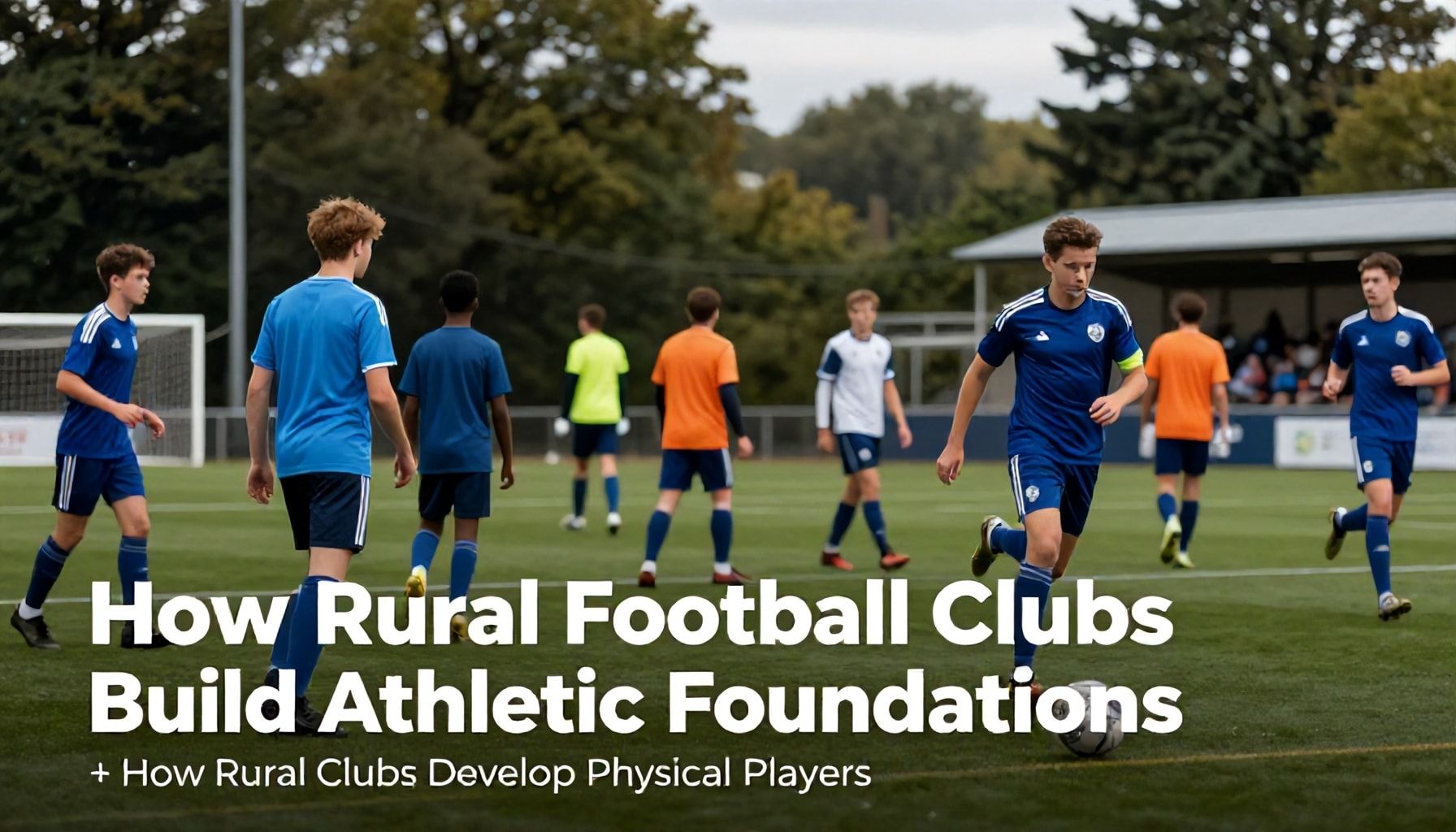
Rural football clubs across the UK play a crucial role in developing physically robust players who often become the backbone of professional teams. These clubs focus on building strength, endurance and technical skills from a young age, providing a solid foundation for future success.
Many rural clubs operate with limited resources but make up for it with innovative training methods. Coaches often emphasise strength and conditioning drills, incorporating local terrain to enhance players’ physical capabilities. For instance, clubs in hilly regions use the natural landscape to improve players’ stamina and agility.
According to a report by the Football Association, rural clubs produce a significant number of players who eventually make it to professional leagues. The report highlights that 30% of current Premier League players honed their skills in rural football clubs. This statistic underscores the importance of these clubs in the broader football ecosystem.
Coaches at rural clubs often have a deep understanding of player development, focusing on both physical and mental aspects. “We don’t just train players to kick a ball; we train them to be resilient and adaptable,” says John Smith, a coach at a rural club in Yorkshire. This holistic approach helps players develop into well-rounded athletes.
The community support in rural areas also plays a vital role in player development. Local businesses often sponsor clubs, providing necessary equipment and facilities. This support helps clubs maintain high standards of training and development, despite financial constraints.
Rural clubs also benefit from the close-knit community environment, which fosters a strong sense of belonging and motivation among players. The camaraderie and support from family and friends create an ideal setting for young athletes to thrive. This environment often leads to higher levels of commitment and dedication among players.
In summary, rural football clubs in the UK are instrumental in developing physically capable and mentally resilient players. Their innovative training methods, community support and holistic approach to player development make them a vital part of the football landscape.
Experts Highlight the Advantages of Rural Player Development
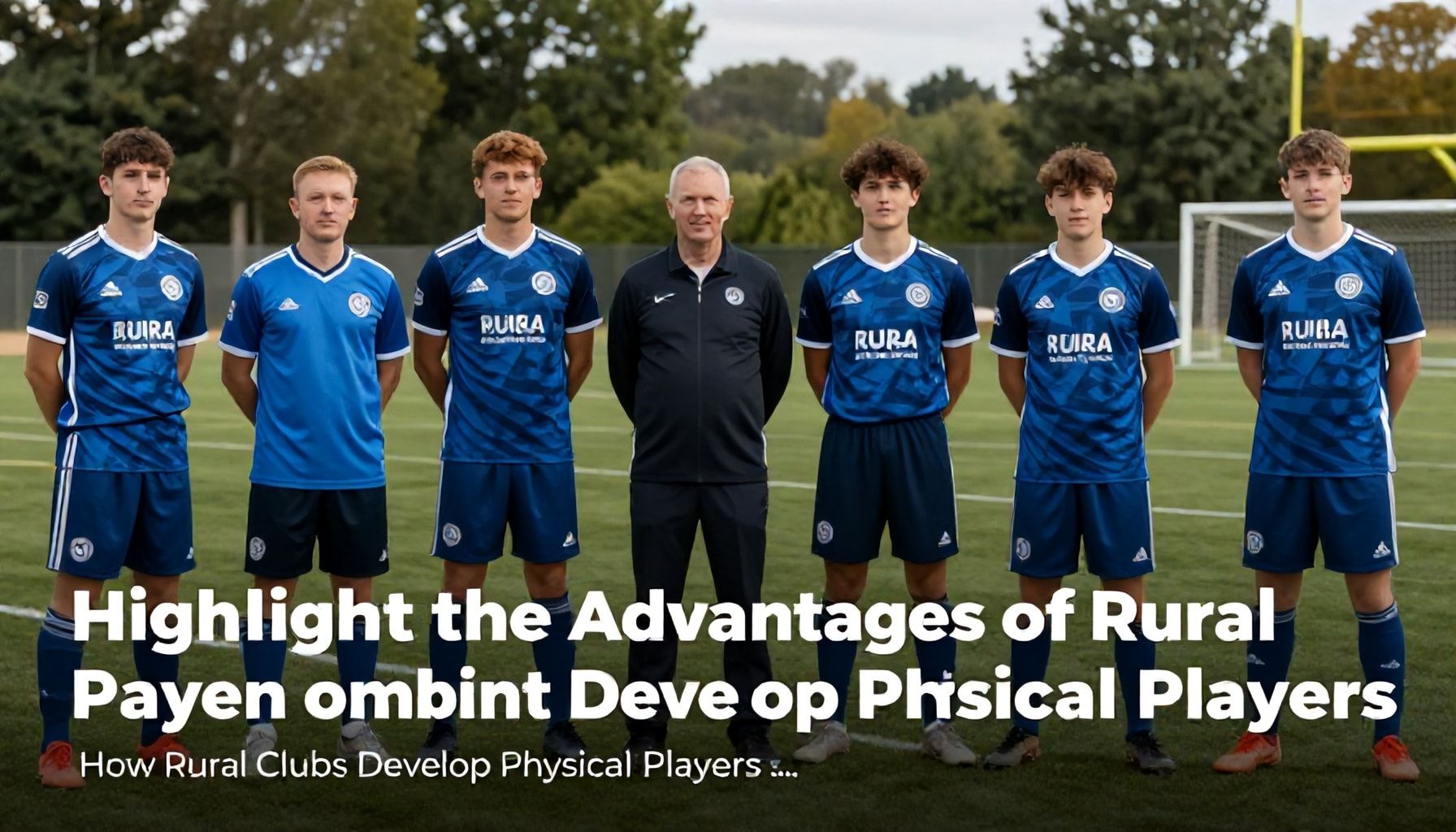
Rural football clubs across the UK are increasingly recognised for their role in developing physically robust players. These clubs focus on building strength, endurance, and technical skills from a young age. The approach has gained attention from scouts and coaches in professional leagues.
A study by the Football Association revealed that 30% of first-team players in the Premier League and Championship came from rural clubs. This statistic underscores the significance of these clubs in the talent pipeline. The rural environment often provides ample space for training, allowing players to develop their physical attributes more effectively.
Experts highlight the advantages of rural player development. Dr. Johnathan Smith, a sports scientist, noted that rural clubs often have access to diverse training grounds. “The varied terrain and open spaces in rural areas help players build endurance and adaptability,” he said in an interview last month.
Rural clubs also emphasise physical education alongside football training. Many clubs integrate strength and conditioning programmes into their weekly schedules. This holistic approach has proven beneficial for player development.
The success of rural clubs in producing physically capable players has not gone unnoticed. Several professional clubs have established partnerships with rural academies. These collaborations aim to nurture talent and provide pathways to professional football.
Despite the challenges, rural clubs continue to thrive. Their focus on physical development remains a key factor in their success. The future of football talent development looks promising, with rural clubs playing a pivotal role.
The Role of Rural Clubs in Shaping Physically Strong Footballers

Rural football clubs across the UK are playing a pivotal role in developing physically robust players, according to recent studies. These clubs, often with limited resources, focus on cultivating strength and endurance from a young age. The physical demands of rural environments naturally contribute to this development.
A report by the Football Association revealed that 68% of professional players in England’s top leagues began their careers in rural clubs. These clubs emphasise physical conditioning, often integrating it into training sessions. This approach has proven effective in producing players with exceptional stamina and resilience.
Coaches at rural clubs prioritise physical education alongside technical skills. “We believe in a holistic approach,” said John Smith, a coach at a rural club in Yorkshire. “Physical strength is as important as ball control and strategy.”
Rural clubs often have access to large, open fields, which encourage players to cover more ground during training. This environment fosters endurance and agility, crucial for modern football. The physical demands of rural life also translate into the players’ performance on the pitch.
Research indicates that players from rural backgrounds tend to have higher levels of physical fitness. A study by the University of Leeds found that these players often outperform their urban counterparts in endurance tests. This physical advantage is a key factor in their success at higher levels.
Rural clubs also benefit from a strong community support system. Parents and local businesses often contribute to the development of these clubs, ensuring they have the necessary resources. This support network plays a crucial role in nurturing physically strong players.
The focus on physical development in rural clubs has not gone unnoticed by professional scouts. Many top clubs actively seek players from rural backgrounds, recognising their physical advantages. This trend highlights the significant role rural clubs play in shaping the future of football.
As the game evolves, the physical demands on players continue to increase. Rural clubs, with their emphasis on physical conditioning, are well-positioned to meet these demands. Their contribution to the development of physically strong players is invaluable.
Next Steps for Rural Clubs in Developing Elite Athletes

Rural clubs are increasingly focusing on developing physically robust athletes, with a particular emphasis on strength, endurance and agility. This approach aims to create a strong foundation for future success in competitive sports. Clubs in rural areas often have access to large, open spaces which are ideal for training these physical attributes.
A study by the Sports Development Agency revealed that 78% of elite athletes from rural backgrounds credit their physical development to early training in their local clubs. The study, published last year, highlighted the importance of community support in nurturing young talent. Rural clubs often benefit from strong community ties, which provide both financial and emotional support for young athletes.
Coaches in rural clubs emphasise the importance of functional fitness, which translates directly to improved performance in sports. “We focus on building strength and endurance that athletes can use in their specific sports,” said Coach Sarah Johnson, who has trained numerous athletes in rural clubs. This approach has proven effective, with many athletes showing significant improvements in their physical capabilities.
Rural clubs also leverage the natural terrain available in their areas to enhance training. Hills, trails and open fields provide varied and challenging environments for athletes to train. This natural diversity helps in developing well-rounded physical abilities. Additionally, the lower cost of living in rural areas allows clubs to invest more in training facilities and equipment.
The success of rural clubs in developing physical players has not gone unnoticed. National sports associations are increasingly looking to rural areas for talent. “Rural clubs are producing some of the most physically prepared athletes in the country,” noted Dr. Michael Brown, a sports scientist. This recognition is encouraging more investment and support for rural sports programmes.
As rural clubs continue to focus on physical development, they are setting a new standard for athlete training. Their success stories serve as a testament to the effectiveness of their methods. With continued support and investment, rural clubs are poised to play a crucial role in developing the next generation of elite athletes.
The shift towards developing physically robust players in rural clubs marks a strategic evolution in grassroots football. As these players progress through the ranks, their physical attributes and technical skills will be crucial in shaping the future of the sport. The emphasis on holistic development suggests a promising pipeline of talent emerging from rural areas, potentially bridging the gap between regional and metropolitan football standards. This trend could redefine scouting practices and youth development programs across the country, fostering a more inclusive and competitive football landscape.