

Rural football clubs across the UK are grappling with severe player shortages in 2024, a crisis that threatens the future of grassroots football in these communities. The decline, attributed to urban migration, changing youth interests, and financial constraints, has left many clubs struggling to field teams, with some facing closure.
The situation is particularly acute in regions like the North East, where clubs have seen registrations drop by up to 40% over the past five years, according to the Football Association. In rural areas, the exodus of young people to cities for education and employment opportunities has left a void that clubs are struggling to fill. Additionally, the rising cost of living and fuel prices have made it difficult for players to travel to training sessions and matches, further exacerbating the problem. The lack of local facilities and funding has also hindered clubs’ efforts to attract and retain players, with many relying on volunteer coaches and limited resources.
Rural football clubs report alarming player shortages in 2024
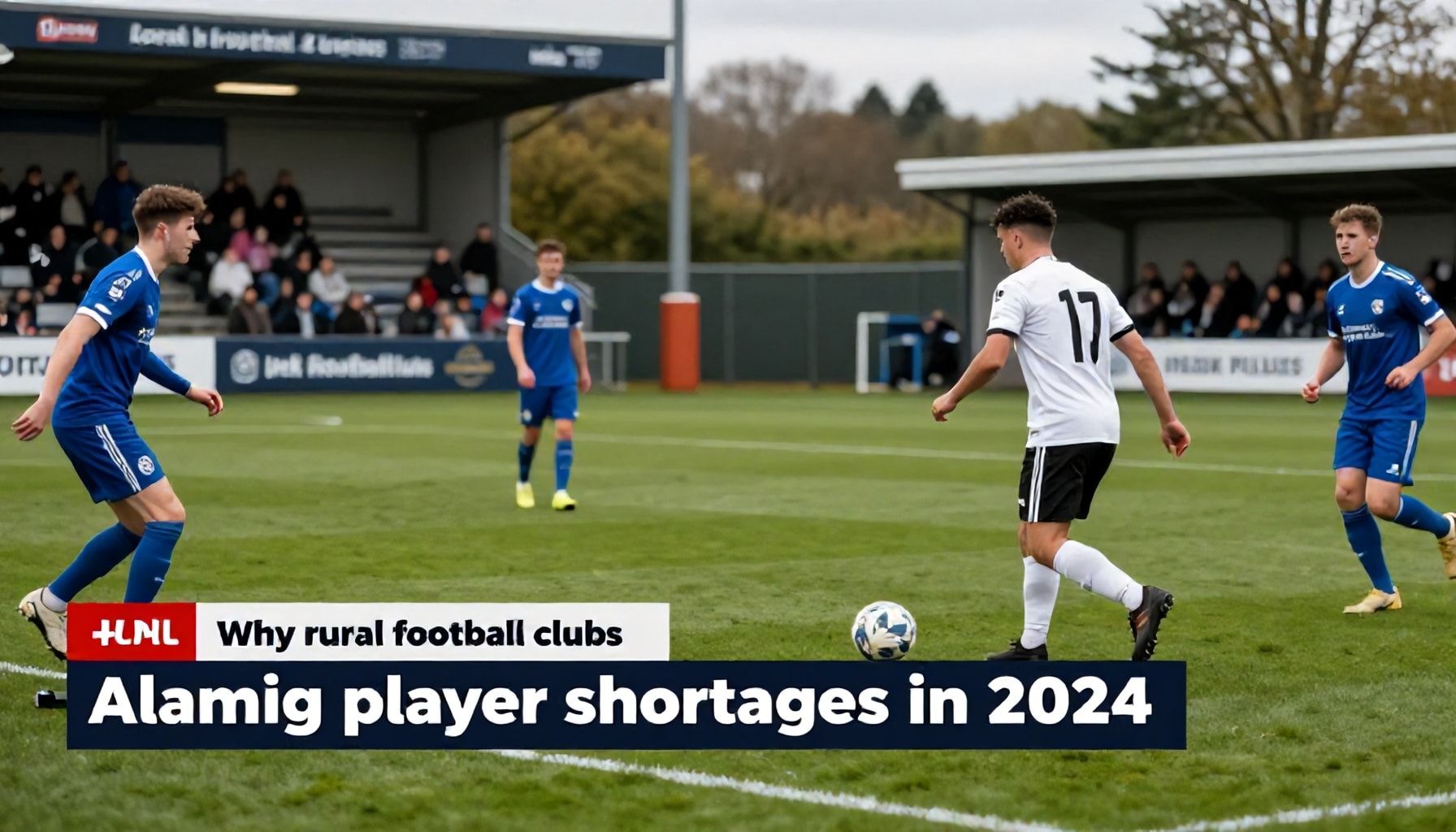
Rural football clubs across the UK are grappling with alarming player shortages in 2024, with many struggling to field competitive teams. The Football Association (FA) reports a 20% decline in rural player registrations since 2020, with some villages losing entire youth teams.
One major factor is the exodus of young players to urban areas, where better facilities and more competitive leagues exist. “We’re seeing a brain drain of sorts,” says Sarah Johnson, chair of the Rural Football Alliance. “Young players are drawn to cities for better opportunities, both on and off the pitch.”
Transportation issues also play a significant role. Many rural clubs lack reliable public transport, making it difficult for players to attend training sessions and matches. A survey by the Campaign for Better Transport found that 68% of rural clubs cited transport as a major barrier to recruitment.
Additionally, rural clubs often struggle to compete with the allure of professional sports academies. “It’s tough to keep players when they can join an academy with state-of-the-art facilities just a bus ride away,” notes David Thompson, manager of a struggling village club.
The cost of living crisis has also taken a toll, with many families unable to afford kit, travel, and membership fees. The FA’s latest report highlights that 35% of rural clubs have reduced their fees to attract more players, but this has not stemmed the tide of departures.
Without intervention, the future of rural football looks bleak. Clubs are calling for government support to improve infrastructure and make the game more accessible. Until then, the decline in player numbers continues unabated.
Declining youth participation hits rural football clubs hard

Rural football clubs across the UK are facing severe player shortages, with youth participation declining at an alarming rate. The Football Association (FA) reports a 15% drop in rural youth registrations over the past five years, leaving many clubs struggling to field teams.
The decline is attributed to several factors, with transportation being a major barrier. Many rural areas lack adequate public transport, making it difficult for young players to attend training sessions and matches. “It’s a real challenge for families living in remote areas,” says Sarah Johnson, a community development officer for the FA.
Increased competition from other sports and activities also contributes to the problem. With schools offering a wider range of extracurricular activities, football is no longer the automatic choice for many young people. Additionally, the rise of e-sports and online gaming has drawn attention away from traditional sports.
Financial constraints further exacerbate the issue. Many rural families find the cost of equipment, travel, and membership fees prohibitive. The FA’s recent survey revealed that 40% of rural families cited financial reasons for not participating in youth football.
The lack of local facilities is another significant factor. Many rural areas lack proper pitches, changing rooms, and training facilities, making it difficult for clubs to operate effectively. “We’re constantly battling against the lack of infrastructure,” says club secretary John Smith of a village team in the Midlands.
Without intervention, the future of rural football clubs looks uncertain. The FA and local authorities are being urged to address these issues to ensure the survival of grassroots football in rural communities.
Urban migration and cost-of-living crisis impact grassroots football
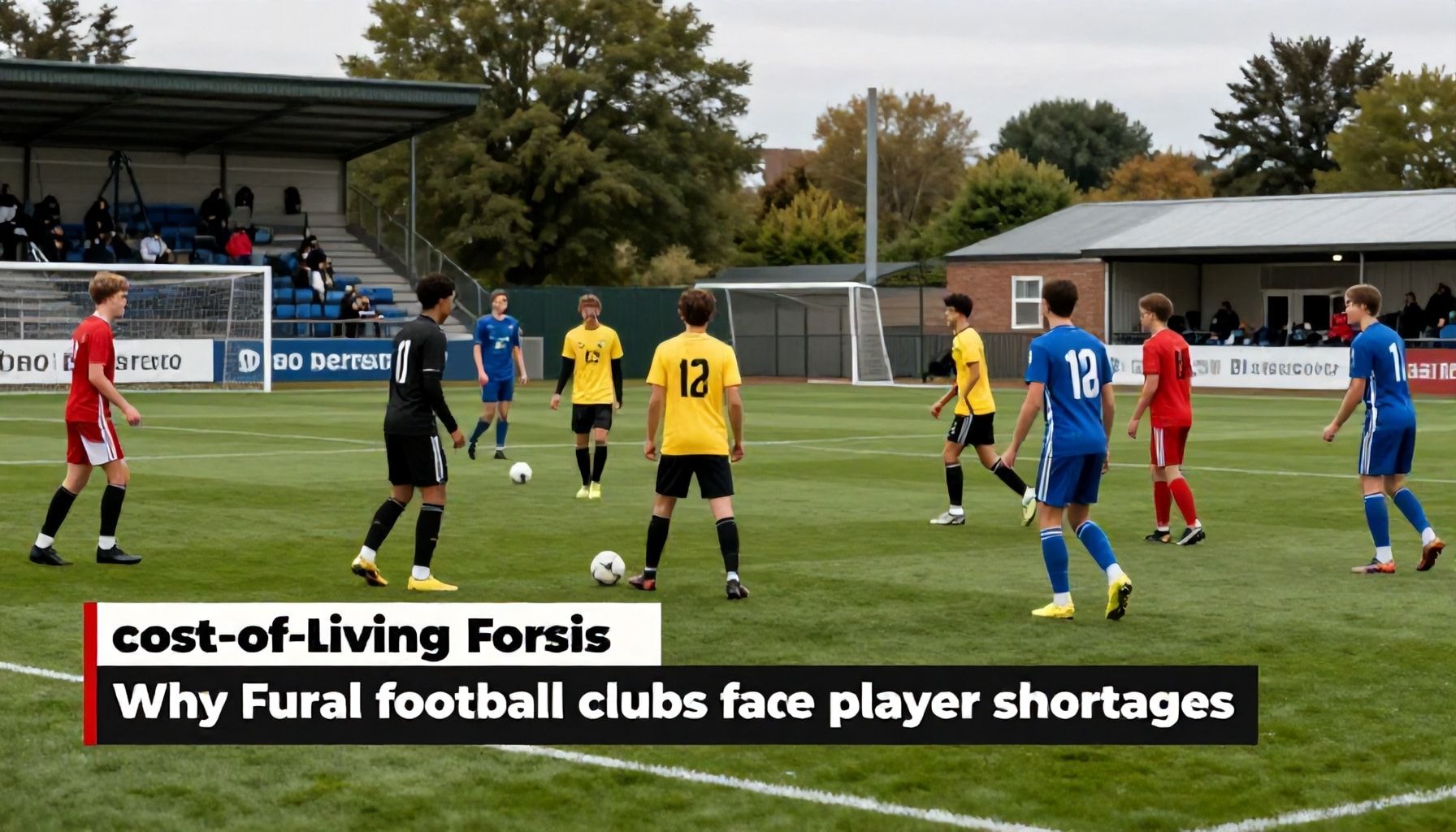
Grassroots football clubs in rural areas are facing significant player shortages in 2024. The decline is attributed to two major factors: urban migration and the cost-of-living crisis.
Urban migration has led to a steady decline in rural populations. According to the Office for National Statistics, rural areas in England and Wales have seen a 5% decrease in residents aged 18-34 over the past decade. This demographic is crucial for grassroots football participation.
The cost-of-living crisis has exacerbated the situation. Rising fuel prices and increased living costs make it difficult for players to travel to training sessions and matches. A survey by the Football Association found that 42% of rural clubs reported a decrease in player numbers due to these factors.
Local authorities and football associations are taking notice. The Football Association’s Head of Grassroots Football, Kevin James, stated in a recent interview, “We’re seeing a clear trend of players moving to urban areas for work and education opportunities.” He added that the organisation is working on initiatives to support rural clubs.
Some clubs are adapting to the challenges. Community-led initiatives and partnerships with local businesses are helping to offset costs. However, the long-term sustainability of rural football remains a concern.
The situation highlights broader issues facing rural communities. As young people continue to move to cities, the future of grassroots football in these areas hangs in the balance.
Rural football clubs struggle to compete with urban academies

Rural football clubs across the UK are facing significant challenges in attracting young players, with many struggling to compete with the resources and facilities offered by urban academies. The Football Association (FA) reports a 15% decline in youth registrations in rural areas over the past five years, while urban academies have seen a 10% increase.
One of the primary reasons for this disparity is the lack of funding in rural clubs. Many rural clubs rely heavily on volunteers and community support, which often limits their ability to invest in training facilities and coaching staff. In contrast, urban academies benefit from corporate sponsorships and higher membership fees, allowing them to offer state-of-the-art facilities and professional coaching.
Transportation also poses a significant barrier for rural clubs. Many young players and their families find it difficult to travel long distances to training sessions and matches, especially in areas with limited public transport. This logistical challenge has led to a decline in participation rates, as families opt for more accessible local options.
The FA’s Head of Grassroots Football, Kevin Bannon, highlighted the issue in a recent interview. “Rural clubs are the backbone of grassroots football, but they are struggling to keep up with the demands of modern football,” he said. “We need to find ways to support these clubs so that they can continue to provide opportunities for young players.”
Additionally, the allure of professional academies often draws talented young players away from rural clubs. Many young athletes are attracted to the promise of professional development and the chance to be scouted by top-tier clubs. This has led to a brain drain in rural areas, further exacerbating the player shortage.
To address these challenges, some rural clubs have turned to innovative solutions, such as partnering with local schools and community centres. These partnerships help to reduce travel times and provide access to better facilities. However, these efforts are often not enough to offset the advantages enjoyed by urban academies.
The situation has sparked calls for greater government and FA intervention. Advocates argue that more funding and support are needed to level the playing field and ensure that rural clubs can compete. Without such intervention, the gap between rural and urban football is likely to widen, further threatening the future of grassroots football in rural communities.
Local communities rally to save struggling rural football clubs

Rural football clubs across the UK are grappling with a significant player shortage, a crisis that threatens the future of grassroots football in these communities. The problem stems from a combination of factors, including changing priorities among young people, increased competition from other sports, and the allure of urban living.
A recent survey by the Football Association (FA) revealed that 68% of rural clubs have reported a decline in player registrations over the past five years. The FA’s Head of Grassroots Football, Lisa Hopkins, attributed this trend to the changing interests of young people. “Many young individuals are now more inclined towards indoor activities and digital entertainment,” she said in an interview with BBC Sport.
The cost of living crisis has also played a role, making it difficult for families to afford the expenses associated with playing football. Travel costs to training sessions and matches, along with the price of equipment, have become significant barriers. A report by the National Rural Commission found that 42% of rural families have reduced their spending on leisure activities, including football.
Additionally, the lack of local facilities and infrastructure in rural areas has exacerbated the problem. Many clubs struggle to maintain pitches and training grounds, which can deter potential players. The Rural Services Network highlighted that 37% of rural councils have cut funding for sports facilities in the past three years.
The exodus of young talent to urban areas, where there are more opportunities and better facilities, has further depleted the player pool. A study by the University of Sheffield found that 58% of young people in rural areas move to cities for education or employment, taking their football skills with them.
Despite these challenges, rural football clubs continue to fight for survival, relying on the dedication of local communities and volunteers. The FA has launched initiatives to support these clubs, including grants for facility improvements and coaching programmes to attract new players. However, the road to recovery remains long and uncertain.
As 2024 draws to a close, the challenges facing rural football clubs persist. With player numbers stagnating, these clubs must innovate to survive. Some are turning to technology, offering virtual training sessions to engage younger players. Others are forging partnerships with local schools to nurture talent from an early age. The Football Association has pledged £5 million to support grassroots football, with a particular focus on rural areas. While the road ahead remains uncertain, these initiatives offer a glimmer of hope for the future of rural football.






