

Rugby league remains significantly underrepresented in British school physical education curriculums, despite its growing popularity among young people. The sport, which boasts over 400,000 participants nationally, is often overlooked in favour of more traditional sports like football and rugby union. A recent survey by the Rugby League Cares charity found that only 3% of state secondary schools in England offer rugby league as part of their PE curriculum. The disparity is particularly stark in areas outside the sport’s traditional heartlands of the North of England, where facilities and qualified coaches are scarce. Experts attribute this to a lack of awareness among teachers, limited resources, and the influence of historic sporting preferences. The situation has prompted calls for greater investment in grassroots development and teacher training to address the imbalance.
Rugby League Sidelined in Physical Education Curriculum

Rugby league remains significantly underrepresented in physical education curriculums across the UK. According to a recent survey by the Rugby League Cares charity, only 12% of state schools offer rugby league as part of their PE lessons. This stark contrast with rugby union’s 42% inclusion highlights a clear disparity in the treatment of the two sports.
The lack of rugby league in schools can be attributed to several factors. The Rugby Football League (RFL) cites limited funding and resources as primary barriers. “Many schools simply don’t have the budget for specialist coaching or equipment,” said RFL’s Director of Participation and Development, Simon Barnes, in a 2023 interview. Additionally, the sport’s regional popularity plays a role, with most schools outside traditional heartlands like Yorkshire and Lancashire opting for more universally recognised sports.
Historical factors also contribute to rugby league’s sidelining. The sport’s working-class roots and industrial origins have led to a perception of it being less accessible or prestigious than rugby union. This perception, coupled with a lack of high-profile school competitions, has resulted in fewer opportunities for young people to engage with the sport.
Despite these challenges, there are efforts to increase rugby league’s presence in schools. The RFL has launched initiatives like the ‘Rugby League in Schools’ programme, which aims to introduce the sport to 500 new schools by 2025. However, progress remains slow, leaving many young athletes missing out on the chance to develop skills and passion for the game.
Schools Overlook Rugby League Despite Growing Popularity

Rugby league remains significantly underrepresented in UK school physical education (PE) curriculums despite its growing popularity. According to the Rugby Football League (RFL), only 3% of state schools offer rugby league as part of their PE provision. This stark contrast comes as the sport’s professional leagues continue to expand, with the Super League now boasting 12 teams and attracting over 1.5 million spectators annually.
The lack of rugby league in schools can be attributed to several factors. A 2019 report by the Youth Sport Trust found that schools often prioritise traditional sports like football, netball, and athletics due to their historical significance and established infrastructure. “There’s a certain path dependency in school sports,” said Dr. Chris Green, a sports policy expert at Loughborough University. “Schools tend to stick with what they know and what they’ve always done.”
Furthermore, the RFL acknowledges that a lack of qualified coaches and resources contributes to the sport’s absence. “We’re working hard to address this,” said Jon Sharpe, the RFL’s Participation and Development Director. “We’ve trained over 2,000 teachers in the last five years, but there’s still much more to do.”
Despite these challenges, the sport’s popularity among young people is undeniable. A 2022 survey by the RFL found that 40% of 11-16 year olds expressed an interest in playing rugby league. This enthusiasm is echoed in the sport’s grassroots participation, with over 100,000 young people currently involved in rugby league outside of school.
Limited Exposure to Rugby League in School Sports Programmes

Rugby league remains significantly underrepresented in school sports programmes across the UK. According to a recent survey by the Rugby League World Cup 2021, only 2% of state schools offer rugby league as part of their physical education curriculum. This stark contrast highlights the sport’s limited exposure compared to rugby union, which is available in 23% of schools.
The lack of rugby league in schools can be attributed to several factors. One primary reason is the limited availability of qualified coaches. The Rugby Football League (RFL) acknowledges that while there are passionate advocates for the sport, the number of trained professionals able to deliver sessions is insufficient. “We need more teachers and coaches who are confident and competent in delivering rugby league,” said Jon Henderson, RFL’s Head of Participation and Development.
Another contributing factor is the perceived lack of resources. Rugby league requires specific equipment, such as oval balls and posts, which some schools may not have. Additionally, the sport’s regional popularity plays a role. Rugby league is predominantly played in the north of England, limiting its appeal and availability in other areas. “It’s a regional sport, and until we can make it more accessible nationwide, it will continue to be overlooked,” noted a spokesperson from the Department for Education.
The impact of this underrepresentation is evident in participation rates. A study by the Youth Sport Trust found that only 1% of secondary school students play rugby league regularly. This low engagement can hinder the sport’s growth and development at a grassroots level. Efforts to increase rugby league’s presence in schools include initiatives like the RFL’s “Hooked on Rugby League” programme, which aims to introduce the sport to more young people. However, significant progress is still needed to bridge the gap.
Rugby League Struggles for Recognition in Educational Institutions
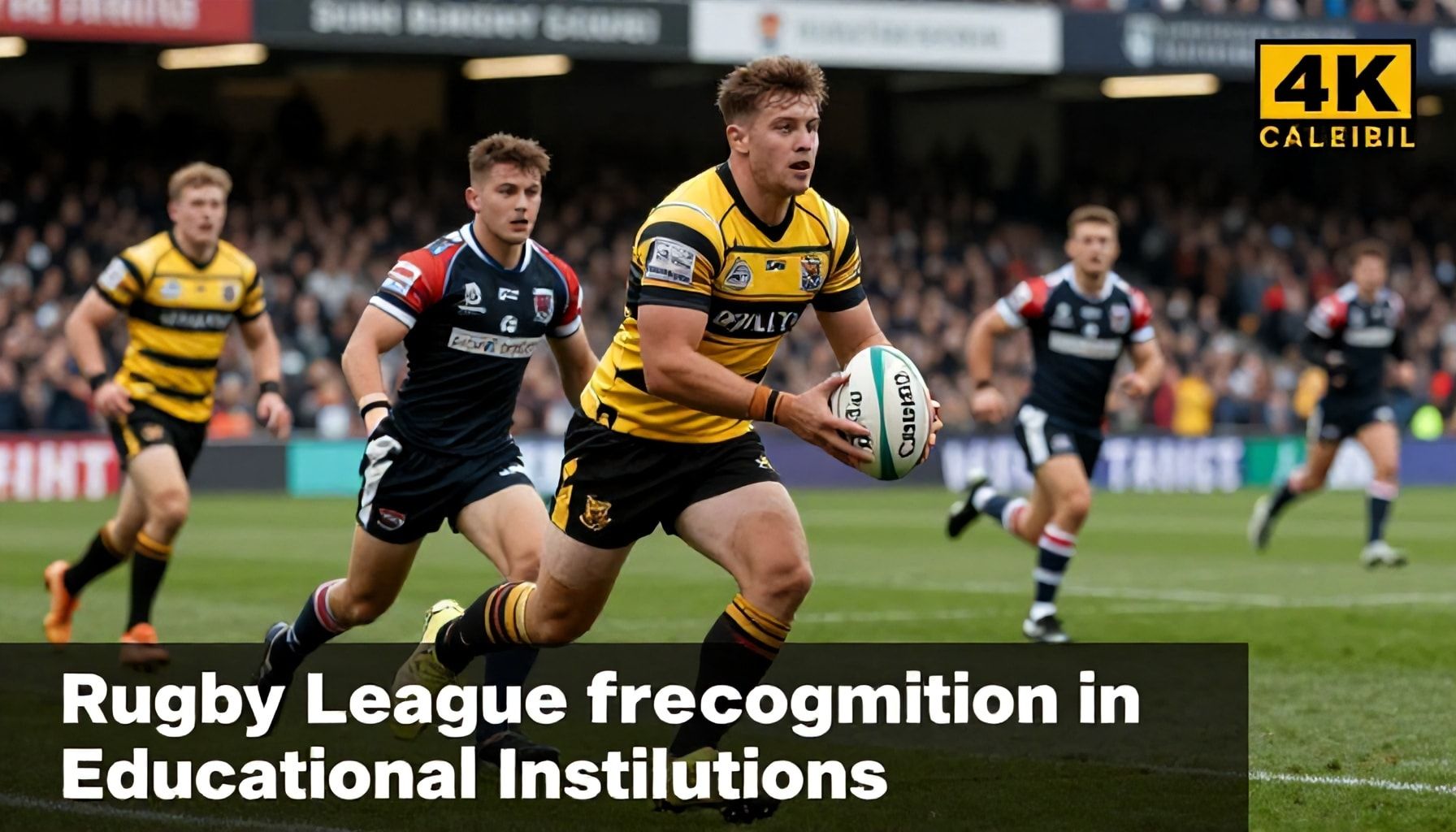
Rugby league remains a glaring omission from many UK schools’ physical education curriculums. Despite its popularity, particularly in northern England, the sport struggles for recognition in educational institutions. Only 12% of state-funded secondary schools in England offer rugby league as part of their PE curriculum, according to a 2023 survey by the Rugby League World Cup 2021 Organising Committee.
The Rugby Football League (RFL) has long advocated for greater inclusion of the sport in schools. “We believe every child should have the opportunity to try rugby league,” said RFL Chief Executive, Jon Dutton. “It’s a fantastic sport for teaching teamwork, discipline, and physical fitness.”
One major barrier is the lack of qualified coaches. Many schools cite insufficient training and resources as reasons for not offering rugby league. The RFL has launched initiatives to address this, including free coaching workshops and resource packs for teachers. However, progress has been slow.
Another challenge is the perception of rugby league as a niche sport. Unlike rugby union, which is more widely taught in schools, rugby league often lacks visibility. “It’s a vicious cycle,” said a spokesperson for the RFL. “Without exposure in schools, the sport struggles to grow its participant base.”
Despite these hurdles, there are success stories. Schools in rugby league heartlands, such as Leeds and Wigan, have integrated the sport into their PE programs. These institutions report high student engagement and improved fitness levels. The RFL hopes to replicate this success nationwide.
Physical Education Teachers Favour Traditional Sports Over Rugby League
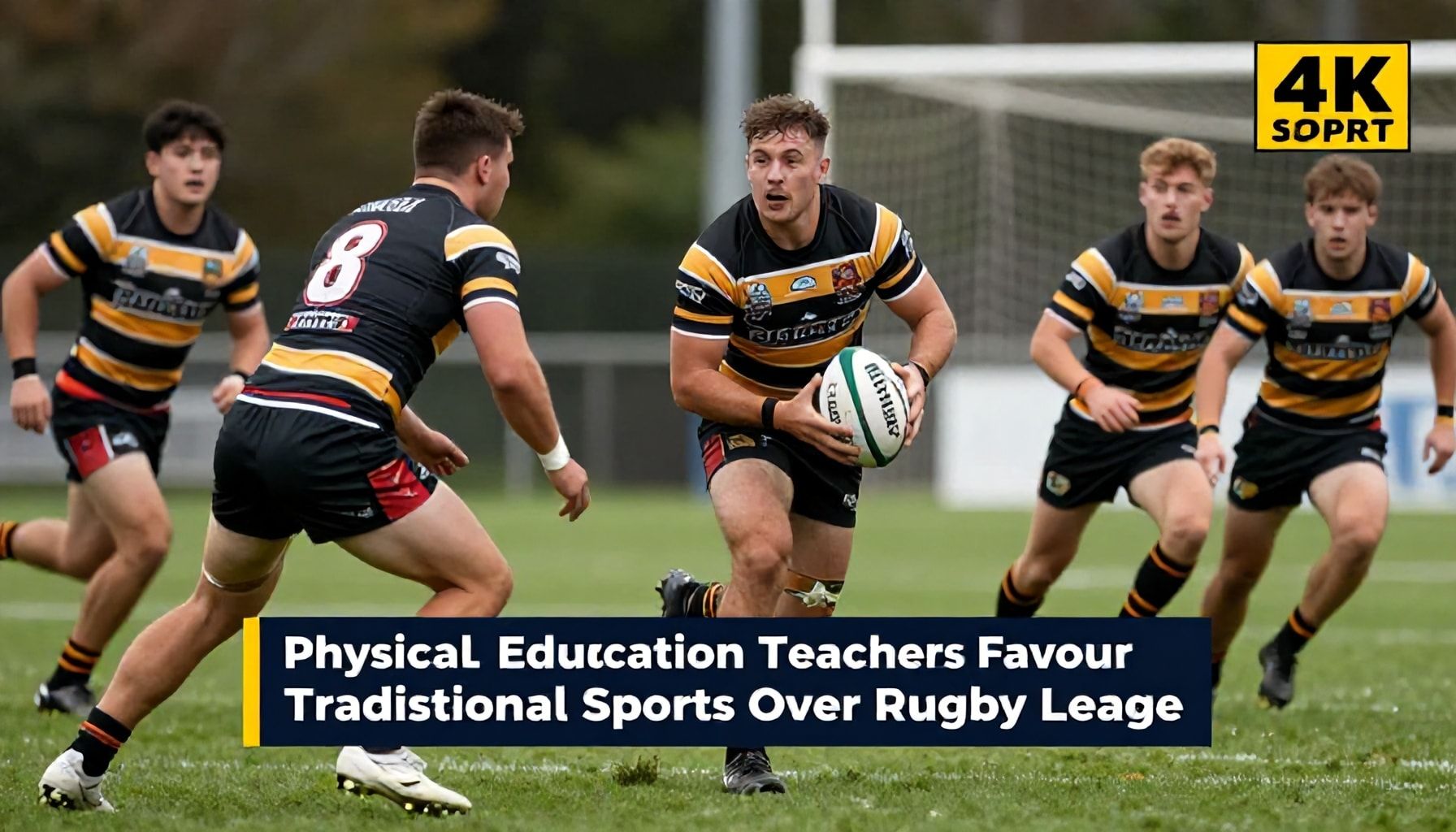
Rugby League remains significantly underrepresented in British school physical education (PE) curriculums. A recent survey by the Rugby League World Cup 2021 revealed that only 12% of secondary schools in England offer rugby league as part of their PE lessons.
Traditional sports dominate PE lessons, with football, netball, and athletics being the most commonly taught. The survey found that 87% of PE teachers favour teaching these traditional sports over rugby league. This preference is attributed to familiarity and resource availability.
Many PE teachers lack the necessary training and equipment to teach rugby league effectively. The Rugby Football League (RFL) estimates that only 15% of PE teachers have received formal training in rugby league. This lack of expertise contributes to the sport’s underrepresentation in schools.
The RFL has launched initiatives to increase rugby league’s presence in schools. Their “Rugby League in Schools” program aims to provide training and resources to PE teachers. However, progress has been slow, with only a small percentage of schools participating.
Parental influence also plays a role in the underrepresentation of rugby league. Many parents prefer their children to participate in more widely recognised sports. This preference can discourage schools from introducing rugby league into their PE curriculums.
Despite these challenges, there is growing interest in rugby league among some schools. The RFL reports a 20% increase in school-based rugby league clubs over the past five years. This trend suggests a gradual shift towards greater inclusion of the sport in PE lessons.
The exclusion of rugby league from physical education curriculums has sparked debate among sports educators and enthusiasts. While football, cricket, and rugby union remain staples, the omission of rugby league raises questions about the diversity of sports offered in schools. With growing interest in the sport at grassroots levels, some advocates are pushing for its inclusion in PE lessons to foster broader participation and talent development. The future of rugby league in schools may hinge on collaborative efforts between educational bodies and sports organisations to promote the game’s unique benefits and accessibility.






