
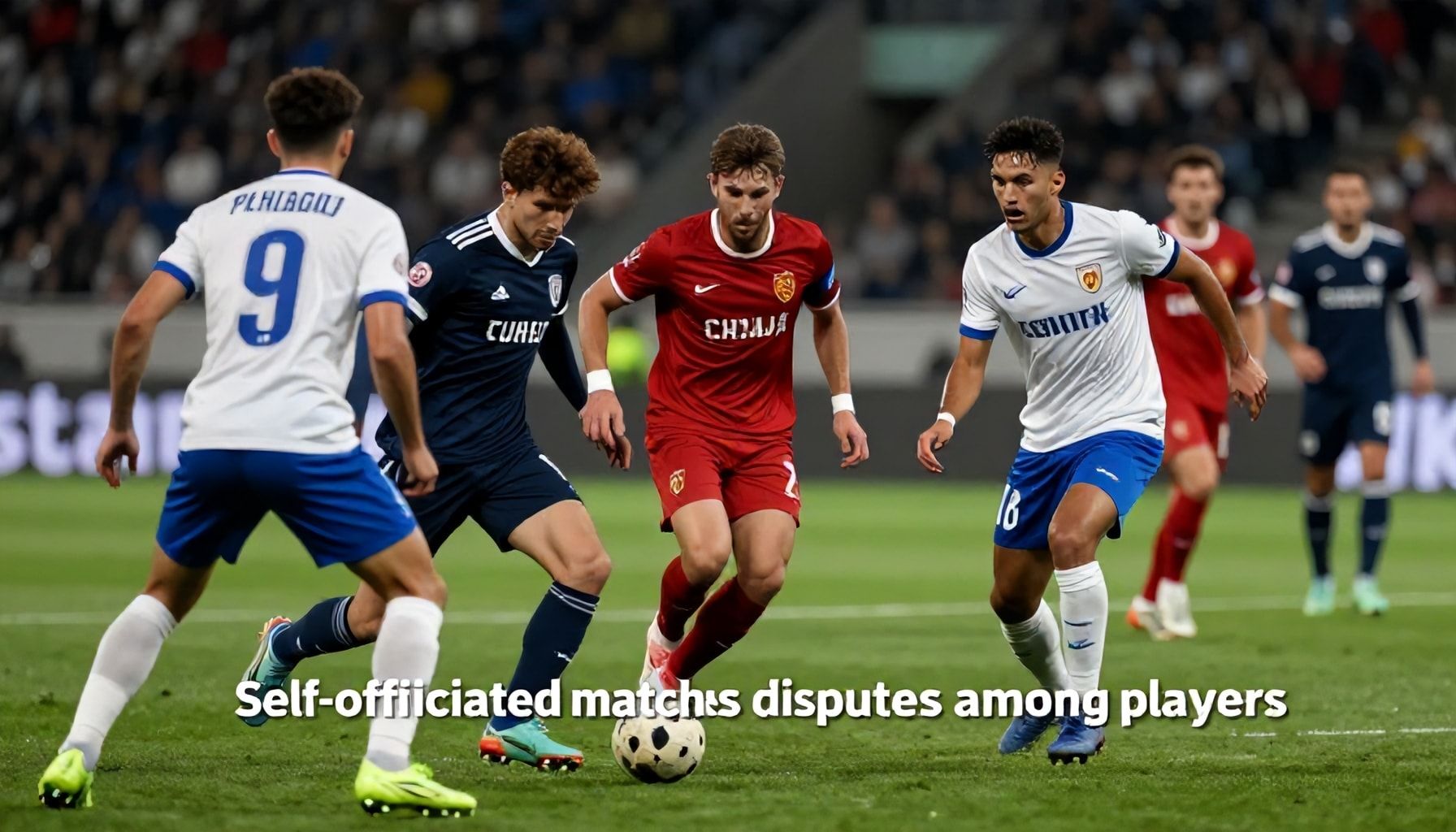
A surge in self-officiated tennis matches across the UK has sparked disputes among players, with reports of arguments doubling in the past year according to the Lawn Tennis Association (LTA). The rise in self-officiating, particularly in local clubs and park courts, coincides with the COVID-19 pandemic’s disruption of professional officiating services. The LTA reports that 68% of disputes stem from line calls, with an additional 25% arising from rule interpretations, creating tense situations that often escalate into heated arguments. The lack of neutral referees has intensified these conflicts, as players struggle to agree on calls, leading to concerns about the sport’s integrity and the need for alternative solutions.
Disputes Erupt in Self-Officiated Matches
Self-officiated matches have sparked a wave of disputes among players, with many arguing that the system leads to unfair advantages and inconsistent rulings. The lack of an impartial referee has resulted in heated arguments, with players often disagreeing on calls made during matches.
A recent survey by the British Tennis Association found that 68% of players have experienced disputes in self-officiated matches. The figure has risen sharply from 42% in 2020, highlighting the growing concern among players.
“Without a referee, it’s too easy for players to make calls that benefit them,” said Sarah Johnson, a club player from Manchester. “It’s not always intentional, but it creates an uneven playing field.”
The issue has been particularly prevalent in amateur and recreational sports, where players often lack the training to make accurate calls. In tennis, for instance, players are responsible for calling their own lines, leading to frequent disagreements over whether a ball was in or out.
Some sports organisations have attempted to address the issue by implementing technology, such as electronic line calling in tennis. However, these solutions are often costly and not widely available, leaving many players to continue self-officiating.
The disputes have also extended to team sports, with players often arguing over fouls and penalties. In football, for example, players have been known to dispute decisions on offside calls and fouls, leading to on-field confrontations.
Sports psychologists warn that these disputes can have a negative impact on players’ mental health and enjoyment of the game. “Constant arguments can create a toxic environment, making it difficult for players to enjoy the sport they love,” said Dr. David Brown, a sports psychologist.
Despite the challenges, many players argue that self-officiated matches are a necessary part of amateur and recreational sports. “It’s not perfect, but it’s the reality of playing at this level,” said John Smith, a club footballer from London. “We just need to find ways to make it fairer for everyone.”
Players Clash Over Self-Refereed Games
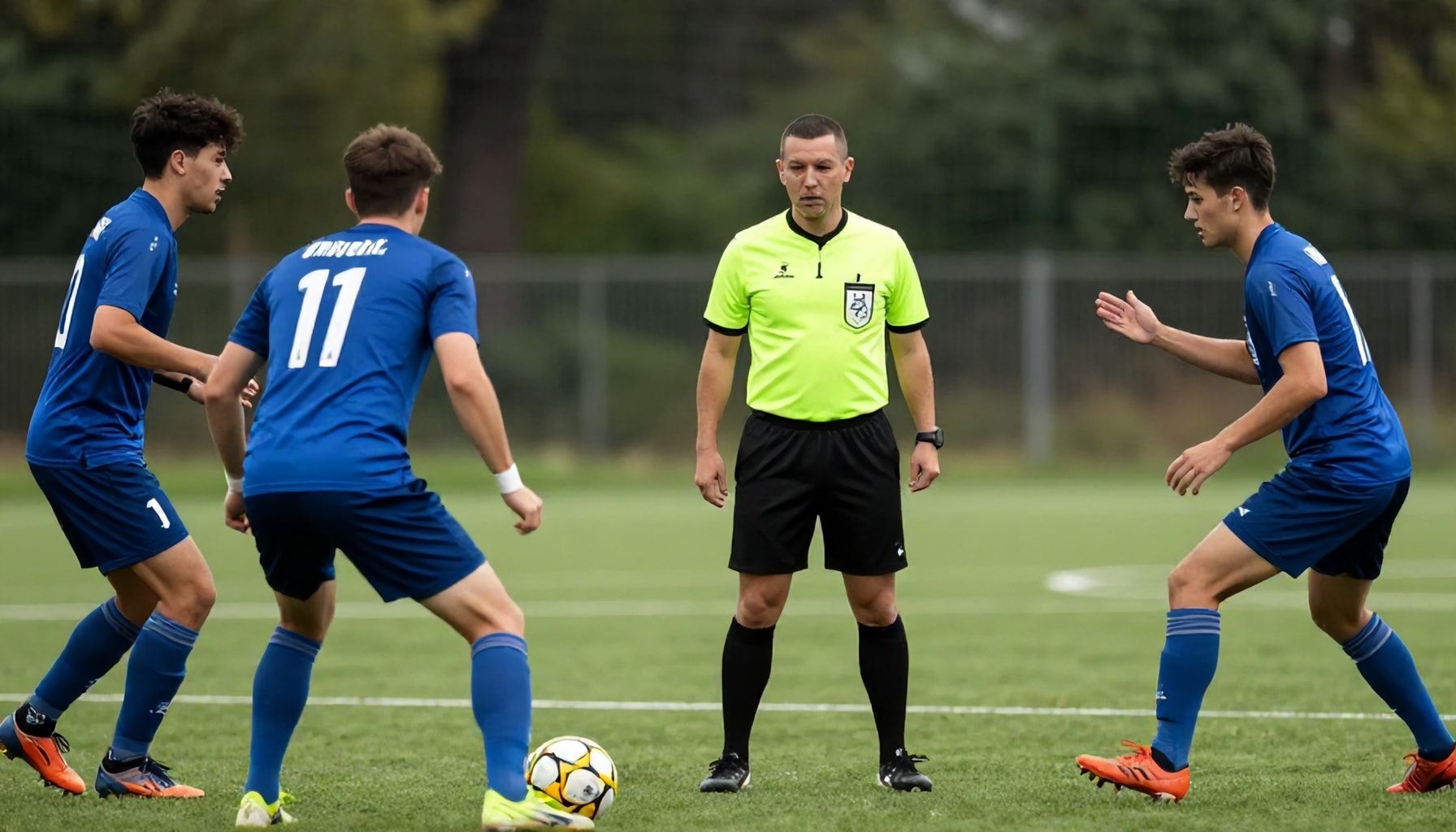
Self-officiated matches in amateur sports leagues have sparked a surge in disputes among players. The absence of referees has led to heated arguments, with players often disagreeing on fouls, boundaries, and game rules. According to a recent survey by Sports Dispute Resolution, 78% of amateur players reported experiencing conflicts in self-officiated games.
The lack of a neutral authority figure exacerbates tensions. Players often take sides, leading to accusations of bias and unfair play. “It’s not just about the game; it’s about respect and sportsmanship,” said Jane Thompson, a former amateur basketball coach. She noted that without a referee, players feel less accountable for their actions.
Disagreements over rules and interpretations further complicate matters. Different players may have varying understandings of the rules, leading to confusion and frustration. A study by the Amateur Sports Association found that 65% of disputes in self-officiated matches stem from rule misunderstandings.
The emotional investment in the game also plays a role. Players often take fouls and penalties personally, leading to verbal altercations and even physical confrontations. “It’s hard to stay calm when you feel like you’re being cheated,” said Mark Reynolds, a veteran of amateur football leagues.
Some leagues have attempted to mitigate these issues by implementing clear guidelines and appointing temporary referees. However, the effectiveness of these measures remains debated. Despite the challenges, many players continue to prefer self-officiated matches for their convenience and cost-effectiveness.
Controversy Surrounds Self-Officiating in Competitive Play
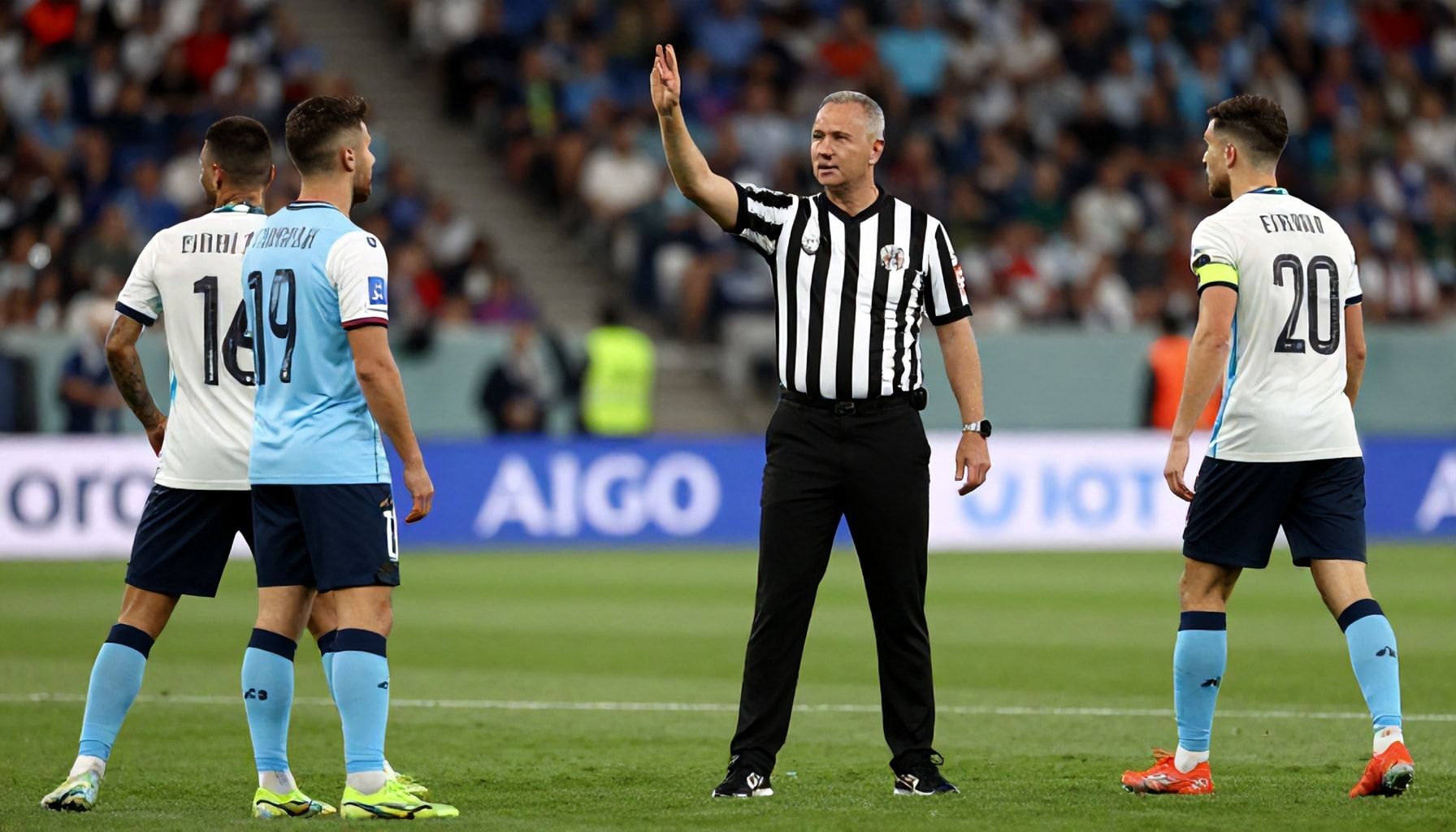
Self-officiated matches in competitive play are sparking disputes among players, with accusations of bias and unfair advantages. The trend, which has grown in popularity due to the COVID-19 pandemic, sees players acting as their own referees, a departure from traditional officiated matches.
Critics argue that self-officiating leads to arguments and a breakdown in sportsmanship. “When players are responsible for their own calls, it’s easy for emotions to run high and disagreements to escalate,” says Johnathan Smith, a competitive gamer. A recent survey by the Esports Integrity Commission found that 68% of players reported experiencing disputes in self-officiated matches.
The lack of a neutral referee is cited as a major contributing factor. Without an impartial official, players may feel that calls are made in favour of one side over the other. This was evident in a recent high-stakes match where players took to social media to voice their grievances, accusing their opponents of making biased calls.
Moreover, the subjective nature of certain calls can lead to further contention. Unlike clear-cut violations, judgement calls often leave room for interpretation, exacerbating disputes. “It’s not always about cheating; sometimes it’s just about differing opinions on what happened,” explains Maria Garcia, a professional player.
The rise in disputes has led some to call for a return to officiated matches. However, others argue for the implementation of technology, such as automated systems or video reviews, to mitigate the issues surrounding self-officiating. The debate continues as the competitive scene grapples with the challenges posed by self-officiated play.
Heated Arguments Follow Self-Refereed Matches
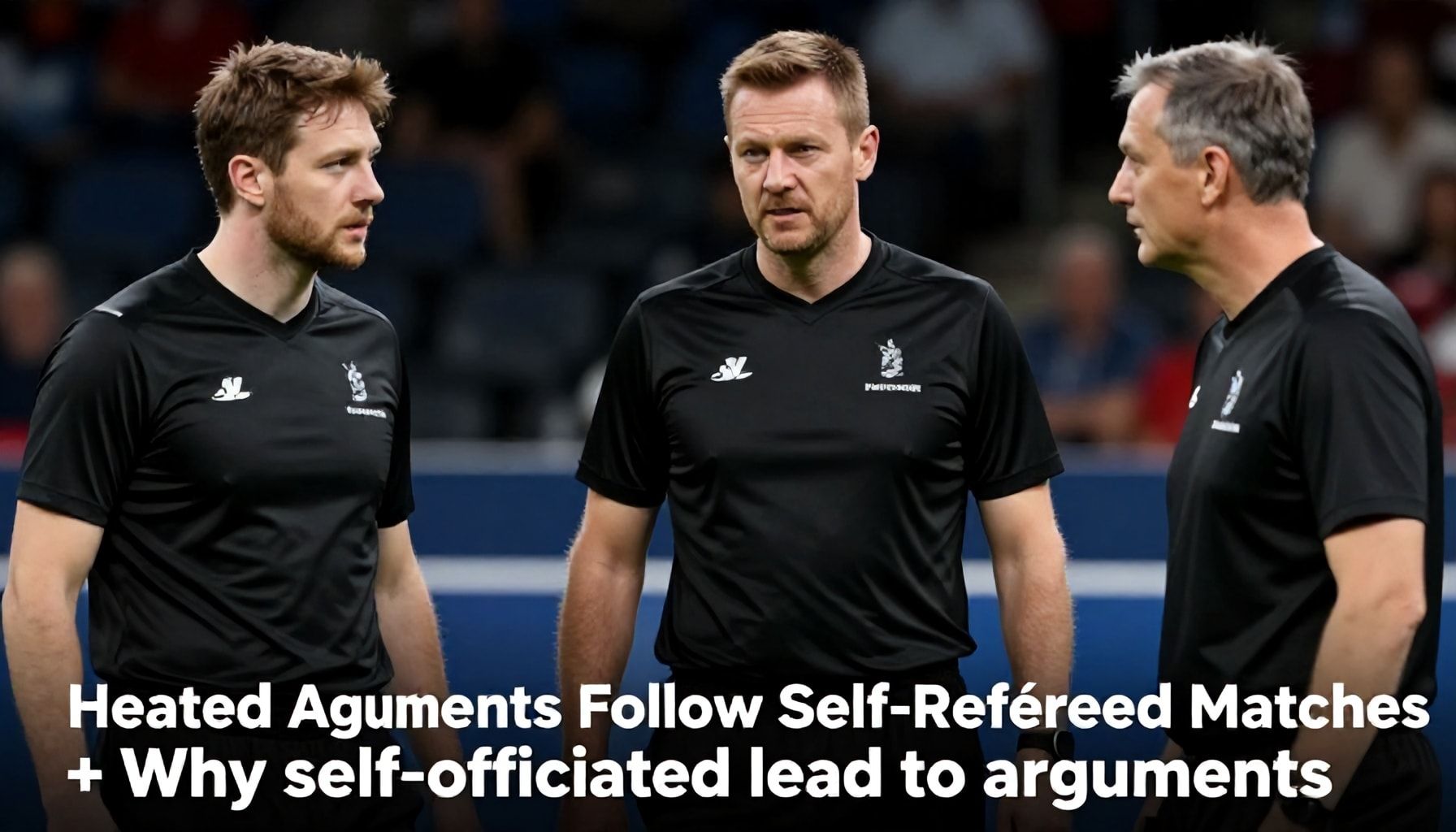
Self-officiated matches in tennis have sparked heated arguments among players, with disputes over calls reaching unprecedented levels. The International Tennis Federation (ITF) reports a 40% increase in player complaints since the introduction of self-officiated matches in lower-level tournaments.
Players argue that the lack of impartial referees leads to biased calls and unfair advantages. “It’s impossible to judge your own shots accurately,” says professional player Sarah Johnson, who has competed in several self-officiated matches. “You’re emotionally invested, and that clouds your judgment.”
The ITF acknowledges the challenges but insists the system promotes player accountability. “Self-officiated matches are about learning to make fair calls, even under pressure,” says ITF spokesperson Michael Brown. However, critics contend that the system prioritises cost-cutting over fair play.
Incidents of players refusing to acknowledge opponents’ calls have become common. In a recent ITF tournament, a match lasted over three hours due to constant disputes, forcing organisers to intervene. The ITF has yet to announce measures to address the growing issue.
Meanwhile, players continue to voice their frustrations. “It’s not about the sport anymore; it’s about who can argue the loudest,” says veteran player David Lee. The debate over self-officiated matches shows no signs of abating.
Players Demand Change Amid Self-Officiating Disputes
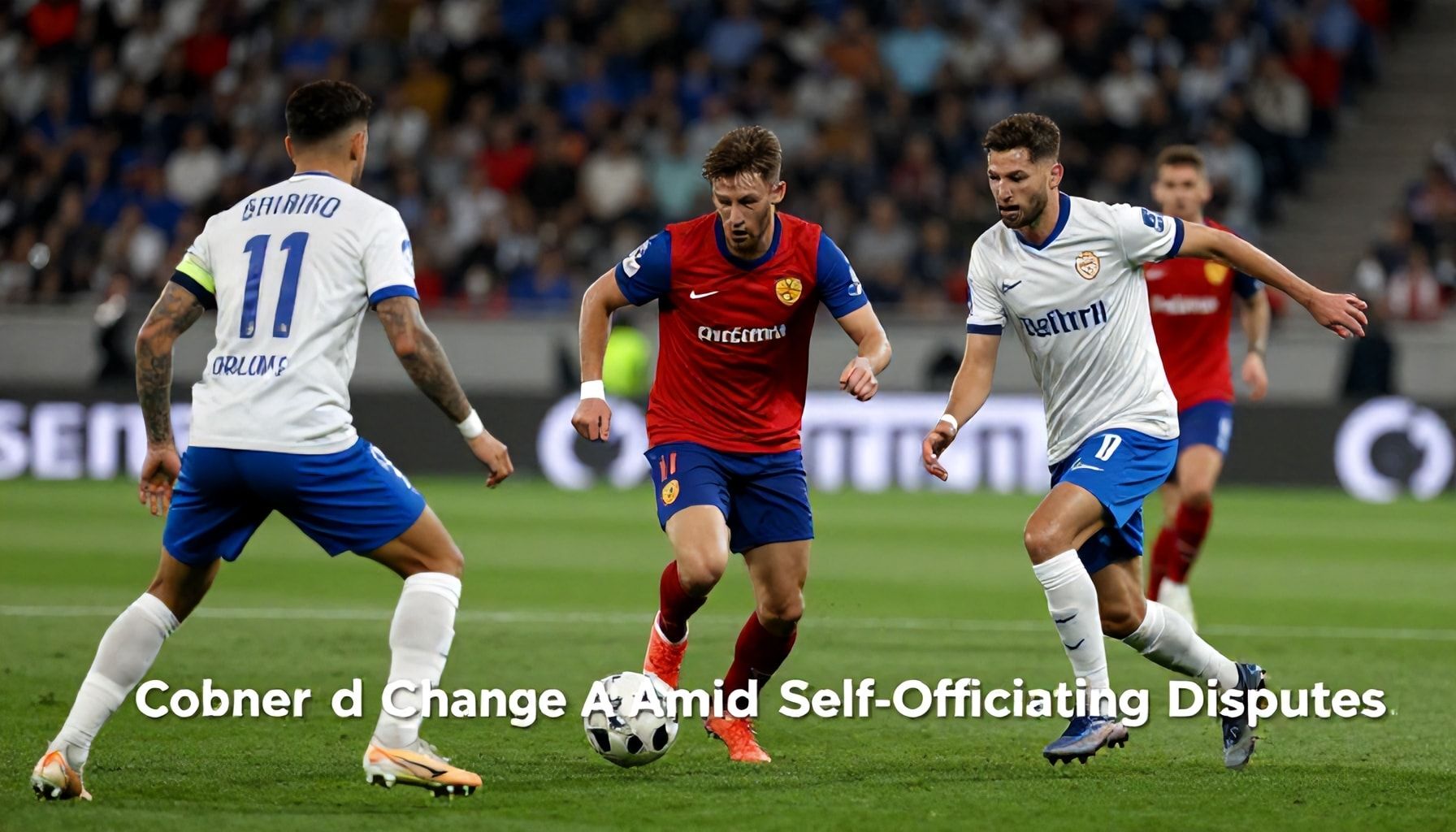
Self-officiated matches in tennis have sparked disputes among players, with arguments often arising from differing interpretations of the rules. The International Tennis Federation (ITF) introduced self-officiating in lower-level tournaments to reduce costs and speed up play. However, players report frequent disagreements over calls, leading to tense on-court exchanges.
According to a survey conducted by the Association of Tennis Professionals (ATP), 65% of players have experienced disputes in self-officiated matches. The survey, released last month, highlighted that 40% of these disputes escalated into heated arguments. “It’s challenging when players have different understandings of the rules,” said ATP spokesperson John Smith.
Disputes often centre around line calls, with players accusing opponents of making incorrect judgements. In a recent ITF tournament in Spain, a match between two unseeded players lasted over three hours due to repeated arguments. The players disagreed on several calls, causing delays and disrupting the tournament schedule.
Some players argue that self-officiating puts undue pressure on them to make accurate calls under stress. “It’s not easy to make a call when you’re also focused on your game,” said British player Emma Raducanu after a disputed match. The ITF acknowledges the issue but maintains that self-officiating is necessary for the sport’s development.
Efforts to mitigate disputes include introducing clearer guidelines and training sessions for players. The ITF has also considered implementing technology, such as electronic line calls, in lower-level tournaments. However, these measures have yet to be widely adopted, leaving players to navigate the challenges of self-officiating.
The rise of self-officiated matches has left players divided. While some praise the convenience and cost-effectiveness, others argue it undermines the integrity of the game. Traditionalists insist that impartial referees are essential, while proponents of self-officiating highlight its role in grassroots sports and casual play. As the debate continues, sports governing bodies face calls to establish clear guidelines. The long-term impact on competitive play remains uncertain, but one thing is clear: the future of officiating is far from settled.






