
When it comes to youth football, set-pieces often get overlooked, like that kid who always hangs back during recess. But honestly, they’re a goldmine for young players to sharpen their skills, build confidence, and, let’s be real, score some easy goals. The beauty of set-pieces is that they offer structure in the chaos of a match, giving youngsters a chance to shine with a bit of planning and teamwork. So, let’s dive into some creative and effective set-piece strategies that are perfect for the young guns on the pitch.
- Why Set-Pieces Matter in Youth Football
Think of set-pieces as those secret weapons coaches love to pull out when the game’s tight. For youth players, mastering these moments can be a game-changer. They teach positioning, timing, and communication — skills that go way beyond just kicking the ball. Plus, scoring from a set-piece feels like a mini celebration every time, boosting morale and team spirit. - Basic Set-Piece Types Every Youth Player Should Know
Before getting fancy, kids need to nail the basics: free kicks, corners, and throw-ins. These are the bread and butter. Knowing where to stand, when to run, and how to deliver the ball accurately sets the foundation for more complex plays. It’s like learning to crawl before you run.
| Set-Piece | Description | Key Focus |
|---|---|---|
| Free Kick | Restart after a foul, offering a chance to shoot or pass. | Accuracy and timing |
| Corner Kick | Ball kicked from the corner arc to create scoring chances. | Positioning and movement |
| Throw-In | Restart by throwing the ball back into play from the sidelines. | Surprise and precision |
Now, let’s chat about some simple yet effective free kick variations. No need to get all Messi here; even a straightforward curling ball or a quick short pass can confuse opponents and open up space. Encourage kids to experiment — maybe a dummy run or a sneaky low shot. It’s about making the defense sweat a bit.
Corners? Oh boy, they can be a headache or a blessing. For youth players, routines that are easy to remember but unpredictable enough to catch the other team off guard are golden. Think short corners to a teammate who then crosses or a near-post flick-on. Keep it fun, keep it simple.
- Throw-In Tricks to Surprise Opponents
Throw-ins aren’t just about chucking the ball back in. A well-timed throw to a sprinting teammate or a quick one-two can turn defense into attack in a blink. Kids love these because they get to run fast and feel like playmakers. - Training Drills to Nail Set-Piece Execution
Drills focusing on timing, communication, and precision make all the difference. For example, practicing runs during corners or rehearsing free kick placements builds muscle memory. And don’t forget teamwork — shouting, signaling, and moving as one unit.
Encouraging creativity is key. Letting kids try out their own ideas on set-pieces not only boosts confidence but also teaches adaptability. Sometimes, the best moves come from a spontaneous moment rather than a rigid plan.
But, beware of common mistakes: standing still, poor communication, or rushing the kick can ruin a set-piece. Coaches and parents should gently correct these to avoid habits that stick like gum on a shoe.
| Error | Why It Happens | How to Fix |
|---|---|---|
| Players standing still | Lack of awareness or nerves | Drills emphasizing movement and positioning |
| Poor communication | Shyness or confusion | Encourage vocal calls and hand signals |
| Rushing the kick | Impatience or pressure | Practice patience and timing in drills |
Finally, measuring progress is not rocket science. Keep it simple: track successful set-piece executions during games or practice, and celebrate improvements, no matter how small. It keeps motivation high and reminds kids that every little win counts.
In the end, set-pieces for youth players are about more than just scoring goals. They’re a playground for learning, creativity, and teamwork. So, next time your young footballer steps up for a free kick or corner, remind them — this is their moment to shine, screw up, learn, and grow.
Why Set-Pieces Matter in Youth Football
Set-pieces might seem like just another part of the game, but let me tell you, they can be absolute game-changers in youth football. When young players grasp the basics and start to master these moments, it’s like handing them a secret weapon. Seriously, those few seconds after a free kick or corner can flip the whole script of the match. Coaches often bang on about open play, but set-pieces? They deserve way more credit, especially for kids still finding their feet.
Think about it: youth matches are often tight, scrappy affairs where goals can be rare. So, when a team nails a set-piece, it’s not just a goal; it’s a massive confidence boost. It’s a moment where individual skills and teamwork collide perfectly. Plus, young players get to practice precision, timing, and communication all at once. It’s like a mini masterclass in football smarts.
| Set-Piece Type | Why It Matters | Key Focus for Youth Players |
|---|---|---|
| Free Kicks | Chance to score or create chances directly. | Accuracy, placement, and decision-making. |
| Corners | High probability of scoring with good delivery. | Timing runs, positioning, and teamwork. |
| Throw-Ins | Maintain possession and launch attacks. | Quick thinking and surprise element. |
Now, mastering set-pieces isn’t about memorizing some fancy playbook overnight. It’s about understanding the why and how—why a certain run works, how timing can beat defenders, or how a clever fake-out can open space. When kids get this, they don’t just follow instructions blindly; they start to think for themselves. And that’s gold in youth football.
- Confidence Booster: Scoring from a set-piece can pump up a kid’s morale like nothing else.
- Teamwork in Action: It’s not a solo gig; everyone has a role, teaching cooperation.
- Game Intelligence: Understanding positioning and tactics early sets them apart.
However, let’s be honest—set-pieces can be tricky. Young players sometimes get overwhelmed by the pressure or freeze up when it’s their turn to take a free kick. Coaches need to keep things fun and encourage experimentation. If a kid messes up, it’s not the end of the world—it’s a learning step. Mistakes here don’t just vanish; they can haunt matches if not corrected, but with patience, these moments become powerful lessons.
Training Tip:- Practice set-pieces regularly but keep sessions short and engaging.- Mix up roles so every kid tries different positions.- Use simple signals or codes to communicate during the game.
In the end, set-pieces in youth football are more than just dead-ball situations—they’re opportunities. Opportunities for players to shine, to build trust with teammates, and to understand the beautiful game on a deeper level. So next time you see a youth match, keep an eye on those corners and free kicks. You might just witness the moment a young player’s confidence skyrockets, all thanks to a well-executed set-piece.
Remember: It’s not just about scoring; it’s about learning the craft, one kick at a time.
Basic Set-Piece Types Every Youth Player Should Know
Alright, let’s face it — set-pieces can be a bit of a headache for young players just starting out. But here’s the deal: mastering the basics of free kicks, corners, and throw-ins is absolutely essential before kids try to get fancy with the tricky stuff. Think of these fundamental plays as the bread and butter of youth football. Without them, you’re basically trying to build a skyscraper on quicksand.
First up, free kicks. These are awarded after fouls or infringements and can be a golden chance to score or create a dangerous play. For young players, the key is understanding the placement of the ball, the distance from the goal, and the importance of a quick, accurate strike or a clever pass. It’s not about blasting the ball like a cannonball just yet; it’s about control and timing. Coaches often stress the “wall” — that defensive barrier — so kids learn to either curl the ball around it or send a teammate in for a header.
- Direct free kicks: Can be shot directly at goal.
- Indirect free kicks: Require a second touch before a goal can be scored.
Next, corner kicks. These are a bit like mini celebrations if executed well because they often lead to goals. Young players should focus on where to place the ball — usually at the corner arc — and knowing who’s going to attack the ball inside the box. It’s a team effort. Simple routines like aiming for the near post or delivering a lofted ball to the far post can make a huge difference. The key is communication and timing; otherwise, it’s just a chaotic scramble.
| Corner Kick Type | Description | Why It Works for Youth |
|---|---|---|
| Near Post Delivery | Ball aimed at the front post where attackers can flick or head it. | Easy to practice and effective for quick reactions. |
| Far Post Cross | Ball sent deeper into the box to a teammate waiting at the back. | Encourages positioning and timing. |
| Short Corner | Passing to a nearby teammate to reset the attack. | Builds teamwork and creativity. |
Finally, throw-ins. Seems simple, right? Just chuck the ball back in? Well, not quite. A good throw-in can be a sneaky weapon. Teaching kids to throw accurately over short distances to a teammate’s feet keeps possession and can even set up quick attacks. The trick is to avoid just lobbing it into the box hoping for a miracle. Instead, focus on placement and timing. And yes, there are rules — both feet must stay on the ground, and the ball has to come from behind the head. Easy to mess up if you’re not paying attention!
- Long throw-ins: Useful for creating chaos near the opponent’s goal.
- Short throw-ins: Helps maintain possession and control.
So, why should young players bother with these basics? Because they set the foundation for everything else. Without a solid grip on these fundamental set-piece types, trying to pull off trick plays or complex routines is like trying to juggle before you’ve learned to catch. Coaches, parents, and players alike should remember: patience and repetition are key. Nail these basics, and the rest will follow.
And hey, if it feels a bit dull at first, just remind the kids that every pro started here — fumbling through free kicks, missing corners, and botching throw-ins. The magic happens when they stick with it.
Simple Yet Effective Free Kick Variations
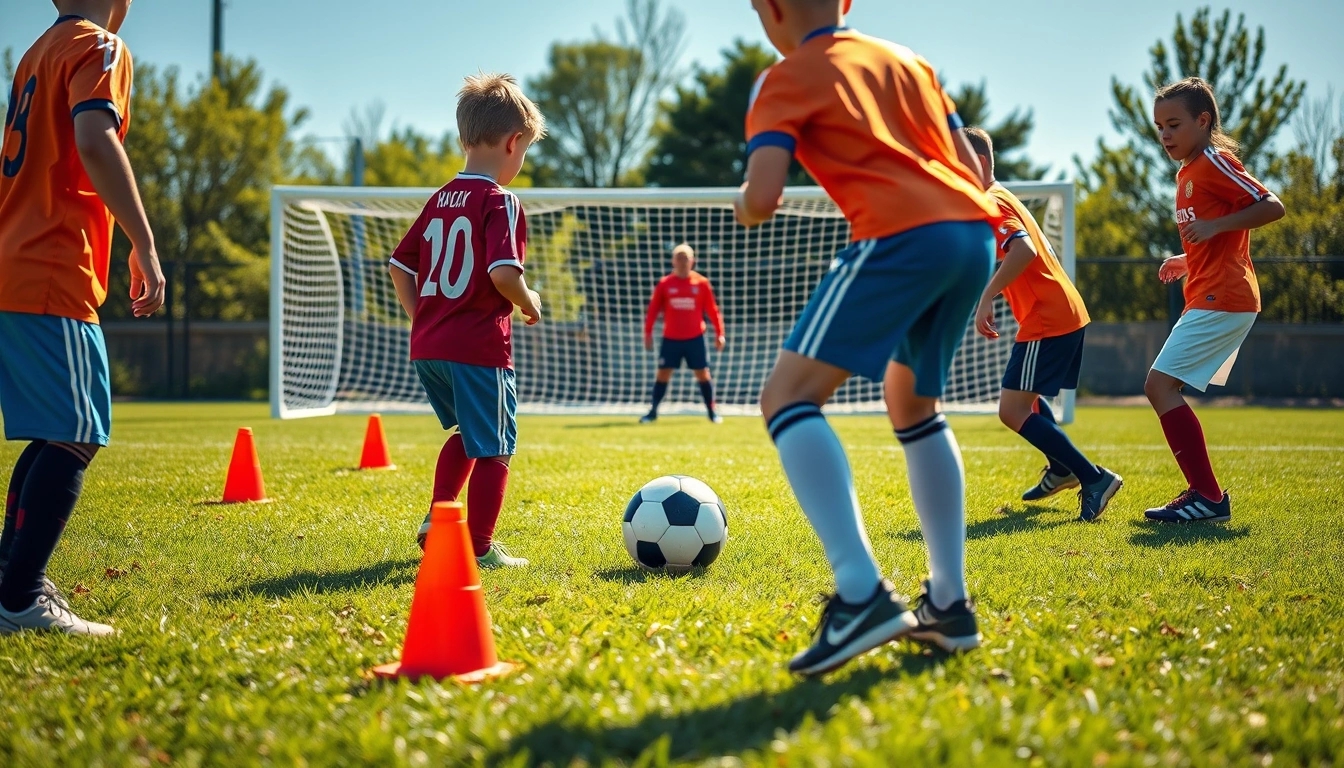
When it comes to youth football, free kicks can often feel like a daunting task—kids staring down a wall of defenders, the pressure mounting, and the ball sitting there like a tiny planet waiting to be blasted into orbit. But hey, it doesn’t have to be rocket science! There are plenty of approachable free kick techniques that young players can practice without turning training into a stressful ordeal. Let’s break down some easy-to-grasp variations that will boost confidence and actually get results on the pitch.
- The Straight Shooter: The classic. Nothing fancy, just a clean, direct shot over or around the wall. It’s all about technique—plant your non-kicking foot beside the ball, lean slightly forward, and strike with the instep. Kids can practice this with cones as a wall, focusing on accuracy rather than power.
- The Curler: This one’s a bit trickier but still manageable. Teach the youngsters to hit the ball with the inside of their foot, aiming to bend it around the wall. It’s a crowd-pleaser and a great way to introduce some flair without overwhelming them.
- The Dummy Run: Here’s where teamwork kicks in. One player pretends to take the kick, drawing defenders’ attention, while another sneaks in to tap the ball or shoot. It’s a simple trick that adds unpredictability and gets kids thinking creatively.
| Technique | Key Focus | Why It Works |
|---|---|---|
| Straight Shooter | Accuracy & Power | Builds fundamental striking skills |
| Curler | Ball Control & Spin | Introduces ball movement and finesse |
| Dummy Run | Team Coordination | Confuses defenders, opens space |
Now, you might be wondering, “Isn’t this too much for kids to handle?” Nope! The trick is to keep drills short and fun, focusing on one variation at a time. Overloading little brains with complex tactics is a recipe for disaster. Instead, coaches should encourage players to experiment, make mistakes, and learn at their own pace. Remember, the goal isn’t to produce mini professional footballers overnight but to nurture enthusiasm and a love for the game.
Here’s a quick practice drill that can work wonders:
1. Set up a “wall” of cones 8-10 yards from the ball.2. Have kids take turns shooting using the Straight Shooter technique.3. Once comfortable, introduce the Curler by demonstrating the inside-foot strike.4. Finish with a simple Dummy Run where one player fakes the kick and another shoots.
The beauty of these variations? They don’t require fancy equipment or endless hours of practice. Just a ball, some cones, and a dash of patience.
Finally, don’t forget to celebrate the small wins. A perfectly placed free kick, even if it doesn’t find the net, is a step forward. By breaking down free kicks into manageable chunks and mixing in some playful drills, young players will feel less overwhelmed and more excited to try their luck from dead-ball situations.
So, next time your youth team lines up for a free kick, remember: keep it simple, keep it fun, and watch those kids surprise you with their growing skills!
Corner Kick Routines That Work for Kids
Alright, let’s talk about corner kicks — those moments in youth soccer that can either be pure chaos or golden opportunities. For youngsters, corner kicks aren’t just about scoring; they’re a fantastic chance to learn teamwork, timing, and a sprinkle of creativity without turning the pitch into a madhouse. The trick? Keeping things simple, fun, and effective. No need for overly complicated plays that confuse everyone, especially when half the team is still figuring out which way to run.
First off, it’s important to remember that young players have shorter attention spans and varying skill levels. So, the corner kick routines should be designed with that in mind. Think of it as a recipe with just a few ingredients — easy to follow and hard to mess up. Basic setups like the near-post flick or a short corner pass can work wonders. The near-post flick involves a player aiming to gently tap the ball toward the front of the goal, where teammates can pounce. It’s straightforward and helps kids understand positioning.
| Routine | Description | Why It Works for Kids |
|---|---|---|
| Near-Post Flick | Corner taker sends a low ball to near post for a teammate to head or volley. | Simple timing, teaches movement and anticipation. |
| Short Corner | Corner taker passes to a nearby teammate who then crosses or dribbles. | Encourages passing, reduces pressure, builds confidence. |
| Edge of Box Setup | Teammates position around the penalty arc for a controlled shot or pass. | Introduces spacing and decision-making. |
Now, let’s get real — kids love to run around like headless chickens, so drills that feel like a game work best. For example, setting up a “corner kick treasure hunt” where the objective is to get the ball to a specific spot or player can keep them engaged. It’s not just about scoring; it’s about learning the rhythm and flow of set-pieces without the pressure cooker vibe.
- Keep roles clear: Assign specific jobs like “corner taker,” “near post runner,” and “far post watcher” so kids know where to be.
- Practice timing: Make sure the player delivering the corner and the receiver are on the same page.
- Encourage communication: Teach them to shout simple cues like “here!” or “now!” to avoid confusion.
One sneaky tip? Mix up the routines. Kids catch on fast, and if you run the same play every time, defenders will smell it like a bad fish. Throw in a dummy run or a quick short pass to keep opponents guessing. Plus, it keeps the kids on their toes and adds a bit of excitement.
Example Corner Kick Drill:1. Player A stands at the corner flag.2. Player B positions near the near post.3. Player C waits at the far post.4. Player A delivers a low ball to Player B.5. Player B attempts a quick flick or shot.6. Rotate roles every 5 minutes to keep it fresh.
Finally, don’t forget the most important part — make it fun. If kids dread corner kick practice, they’ll zone out or just mess around. Celebrate small wins, laugh off missed headers, and keep the energy high. After all, these moments build not just skills but a love for the game.
So, corner kicks for kids? Keep it manageable, creative, and most importantly, enjoyable. With a little practice, those set-pieces can turn from “oh no” moments into “heck yes” goal-scoring chances.
Throw-In Tricks to Surprise Opponents
Throw-ins might seem like the most boring part of the game—just chuck the ball back in, right? Well, not quite. For youth players, mastering clever throw-in plays can be a total game-changer. It’s not just about getting the ball back into play; it’s about catching defenders off guard and keeping possession when the pressure’s on. Let’s dive into some sneaky throw-in tactics that young footballers can actually pull off without needing to be professional magicians.
First off, the classic quick throw-in is underrated. Instead of standing around waiting for the ref’s whistle or the perfect moment, a quick throw catches the defense napping. It’s all about timing—if your teammate is ready and the opposition isn’t set, boom, you’ve got an instant advantage. But beware, rushing it too much can lead to sloppy throws or turnovers. Practice makes perfect here.
| Throw-In Trick | Description | Why It Works |
|---|---|---|
| Quick Throw-In | Throwing the ball immediately to a teammate before defenders set up. | Exploits gaps in defensive positioning. |
| Fake Throw | Acting like you’ll throw to one player, then switching direction at the last second. | Confuses defenders and opens space. |
| Long Throw | Using strength to launch the ball deep into the attacking area. | Creates scoring opportunities similar to corners. |
| Short Throw Combination | Throwing short passes to teammates in a quick sequence to move upfield. | Maintains possession and builds pressure. |
Another neat trick is the fake throw. Imagine you’re lining up to toss the ball to your buddy on the left, but at the last moment, you flick it right instead. Defenders often bite on the fake, creating space for your team to exploit. It’s a bit cheeky, sure, but hey, football’s about outsmarting the other side.
Long throws can be a secret weapon too, especially if your team has tall players waiting to pounce in the box. It’s basically like a corner kick without the fuss. Practicing this technique can turn a simple throw-in into a dangerous scoring chance.
- Short throw combinations are another gem. Instead of a single long throw, players toss quick, short passes between each other to inch forward. This keeps the ball on your team’s feet and frustrates defenders who want to clear it away.
- Encourage kids to look around before throwing—spotting teammates in open spaces is key.
- Don’t forget body language! A confident stance can sell a fake throw convincingly.
Of course, these tricks aren’t foolproof. Sometimes defenders catch on, or nerves get the best of young players, leading to wild throws or turnovers. It’s all part of learning. Coaches should emphasize practicing throw-ins under pressure so players don’t freeze up during matches.
In the end, the best throw-in trick is to keep the opposition guessing. Mix up your throws, use quick thinking, and remember that even the smallest advantage can flip the momentum. So next time your youth team lines up for a throw-in, don’t just lob it back—throw in some creativity and watch the magic happen.

Training Drills to Nail Set-Piece Execution
When it comes to youth football, set-pieces can be a total game-changer — if coached right, that is. But let’s be honest, getting young players to master the art of free kicks, corners, and throw-ins isn’t exactly a walk in the park. It’s a mix of patience, repetition, and a splash of creativity. So, how do you get those little champs to not just *attempt* but actually execute set-pieces with precision, timing, and teamwork? Here’s the lowdown.
First off, drills need to be simple yet engaging. Kids have short attention spans, so boring them with complex routines is a no-go. Instead, break down each set-piece into bite-sized chunks. For example, free kicks can be practiced by focusing solely on the approach and striking technique before adding wall placement or goalkeeper positioning. This way, young players build confidence step-by-step.
- Precision Drill: Set up a target zone inside the goal and challenge players to hit that spot consistently from various distances. Use cones or mini-goals to mark these zones. It’s not just about power, but accuracy — and trust me, kids love the challenge of hitting a bullseye!
- Timing Drill: For corners, practice the timing between the kicker and the runner. Place cones to simulate defenders and have players practice their runs to meet the ball at the perfect moment. It’s like synchronized swimming but on grass.
- Teamwork Drill: Throw-ins can be surprisingly tactical. Run a “quick throw” drill where a player throws the ball to a teammate who immediately passes it back or dribbles forward. This encourages communication and sharpens decision-making under pressure.
| Drill Type | Focus Area | Key Benefit |
|---|---|---|
| Precision Kick | Accuracy | Improves goal targeting and ball control |
| Corner Timing | Synchronization | Enhances coordinated movement and anticipation |
| Quick Throw-In | Speed & Communication | Boosts teamwork and decision-making |
Now, here’s the kicker — pun intended — don’t just drill the same routine endlessly. Mix things up with mini-games or competitive challenges to keep the energy high. For instance, create a “set-piece showdown” where teams earn points for successfully executed free kicks or corners under time pressure. It adds a bit of adrenaline and makes practice feel less like a chore.
And don’t forget to emphasize feedback. Kids need to know what they’re doing right and where they can improve. Use video clips or simple verbal cues (“Great timing, but try to keep your eyes on the ball!”) to keep it constructive.
In short, nailing set-piece execution in youth football is about balancing fun with fundamentals. Keep drills focused on precision, timing, and teamwork, but don’t be afraid to throw in a curveball or two to keep players on their toes. After all, the goal is not just to make them better players but to make them love the game even more.
Encouraging Creativity and Adaptability in Young Players
When it comes to youth football, the magic often happens not just in scoring goals but in how kids think on their feet. Letting youngsters experiment with set-piece variations isn’t just about fancy moves or trick shots; it’s a gateway to building confidence and sharpening those all-important problem-solving skills on the pitch. Coaches who stick rigidly to one formula might be missing out on a golden chance to develop more well-rounded players.
Think about it: when kids are encouraged to try different angles, runs, or passing options during free kicks or corners, they start to see the game from multiple perspectives. It’s like giving them a puzzle and saying, “Hey, find your own way out.” This kind of freedom can be scary at first—some will fumble, others will surprise you—but that’s part of the learning curve. The key is to create an environment where making mistakes is okay, even celebrated.
| Benefits of Experimenting with Set-Piece Variations | Why It Matters |
|---|---|
| Builds Player Confidence | Kids feel ownership over their decisions, boosting self-esteem. |
| Enhances Tactical Awareness | Players learn to read the field and anticipate opponents’ moves. |
| Encourages Team Communication | Trying new plays requires talking and adjusting on the fly. |
| Develops Problem-Solving Skills | Players learn to adapt when things don’t go as planned. |
Of course, it’s not just about letting kids run wild with creativity. There needs to be a balance between structure and freedom. Coaches can introduce a few basic set-piece variations and then invite players to tweak them or come up with their own spins. This collaborative approach makes the players feel valued and more invested in the team’s success.
- Start Simple: Give young players a couple of set-piece options to practice.
- Encourage Questions: Why does this run work? What if we tried a short pass instead?
- Celebrate Attempts: Even if it flops, praise the effort and creativity.
- Reflect Together: After games or drills, talk about what worked and what didn’t.
One thing to remember is that adaptability on the field isn’t just about clever plays. It’s about reading the moment, spotting weaknesses in the opposing defense, and making split-second decisions. Kids who get to experiment with set-pieces develop this instinct much earlier than those who only memorize fixed routines.
So next time you’re coaching, don’t be afraid to throw the rulebook out the window a little. Let your players try that cheeky short corner, or that unexpected quick free kick. It might not always work, but the confidence and problem-solving skills they gain? Priceless. After all, football isn’t just about following a script — it’s about creating your own story.
Common Mistakes and How to Avoid Them
When it comes to set-pieces in youth football, it’s almost like watching a comedy of errors sometimes. You know the drill: players lining up for a corner, only to fumble the timing or send the ball nowhere near the target. These mistakes aren’t just frustrating—they can seriously hamper a team’s confidence and development if left unchecked. So, let’s dive into some of the most frequent blunders youth teams make and how coaches and players can nip them in the bud before they turn into stubborn habits.
- Poor Positioning and Awareness: One of the biggest issues is players not knowing where to stand. Whether it’s a free kick or a throw-in, kids often crowd the ball or stand too far away, missing the chance to create space or make effective runs. The fix? Coaches need to emphasize spatial awareness through drills that simulate game scenarios. Marking spots on the pitch during practice can help players internalize where they should be.
- Rushing the Execution: Ever seen a free kick taken so quickly it looks like the player forgot the plan? Happens a lot. Youth players, eager to impress or just impatient, sometimes kick off before teammates are ready. This kills the flow and wastes the opportunity. Teaching patience and communication is key—players should count or signal readiness before the ball is played.
- Lack of Variation: Sticking to the same predictable routine is a surefire way to get shut down by opponents. Kids often get stuck on one corner routine or throw-in trick because it’s “easy” or “what we always do.” Coaches should encourage trying different set-piece options, even if it means messing up a few times. Variety keeps the opposition guessing.
| Common Mistake | Why It Happens | How to Fix It |
|---|---|---|
| Poor Timing | Players rush or delay the kick, breaking team rhythm | Practice timed runs and use verbal/non-verbal cues during drills |
| Weak Delivery | Lack of technique or confidence in passing/shooting | Focus on technique drills and encourage repetition under pressure |
| Ignoring Roles | Players don’t understand their specific job in the set-piece | Clear role assignment and walk-throughs before matches |
Now, here’s a little nugget that often gets overlooked: communication. It’s amazing how many set-piece fails happen because players just don’t talk to each other. A quick shout or signal can save a botched corner or free kick. Coaches should foster an environment where players feel comfortable calling out and reminding teammates during practice and games.
Another practical tip? Video analysis, even at the youth level. Watching clips of their own set-piece attempts can highlight mistakes that might not be obvious in the heat of the moment. Plus, seeing what works well can boost morale and give a roadmap for improvement.
In the end, mistakes are part of learning—no doubt about it. But the difference between a team that stagnates and one that grows is how quickly they recognize and address these errors. So, don’t just shrug off those missed corners or clumsy throw-ins. Grab them by the horns, work on the basics, and watch your young players turn those “oops” moments into “wow” moments.
Quick Checklist to Avoid Common Set-Piece Errors:
- Assign clear roles: who runs, who blocks, who shoots
- Practice timing with realistic drills
- Encourage constant communication
- Mix up routines to avoid predictability
- Use video feedback for self-correction
- Stay patient and keep a positive vibe
Remember, set-pieces can be a goldmine for youth teams if done right. So, tackle these common mistakes early, and you’ll see your squad’s confidence—and goals—skyrocket.

Measuring Progress: Tracking Set-Piece Success
Alright, so you’ve been drilling those free kicks, corners, and throw-ins with your youth squad for weeks now. But how do you actually know if the kids are getting better? It’s not like you can just wave a magic wand and *poof*—instant pro-level set-piece execution. Nope, tracking improvement in these tricky moments needs a bit of patience, some creativity, and a sprinkle of good old-fashioned observation.
First off, let’s ditch the idea that progress means perfection. That’s just setting everyone up for disappointment. Instead, focus on small, measurable steps. For example, if you’re coaching free kicks, don’t just look at whether the ball hits the net. Check if the player’s technique is cleaner, if they’re hitting the target area more consistently, or if their run-up is smoother than last week.
| Set-Piece Type | Simple Tracking Metrics | Why It Matters |
|---|---|---|
| Free Kicks | Accuracy (% of shots on target), technique consistency, decision-making speed | Helps players build confidence and understand their strengths |
| Corners | Successful delivery rate, number of assists/goals from corners, teamwork communication | Emphasizes precision and coordination among teammates |
| Throw-Ins | Retention of possession, surprise effectiveness, speed of execution | Encourages quick thinking and strategic planning |
Now, I know what you’re thinking: “Tracking stats for kids? Sounds like overkill.” But here’s the kicker — keeping it simple and visual works wonders. Try using a progress chart or even a sticker system. Each time a player nails a good set-piece, they get a sticker or a checkmark. Over time, seeing those marks pile up can be a huge motivator, especially for younger players who thrive on instant feedback.
- Video Analysis: If you have the means, record set-piece attempts. Watching clips together can be a fun way for players to spot what’s working or what’s not. Plus, it’s always hilarious to see those awkward misses!
- Peer Feedback: Encourage players to give each other constructive comments. Sometimes teammates notice things coaches miss.
- Goal Setting: Set realistic, short-term goals like “land 3 out of 5 corners in the box” or “complete 4 accurate throw-ins during scrimmage.”
Remember, motivation is the secret sauce here. If kids feel like they’re improving and their efforts are noticed, they’ll stay pumped to practice. On the flip side, if they get bogged down by criticism or complicated stats, they might just check out mentally. So keep things light, fun, and focused on progress over perfection.
In the end, measuring set-piece success isn’t about creating mini-statisticians. It’s about helping young players see their own growth, celebrate the little wins, and build the confidence to try new things. So grab that clipboard, throw in some stickers, and watch your team’s set-piece game evolve — one kick, corner, and throw-in at a time.
Frequently Asked Questions
- Why are set-pieces so important for youth football players?
Set-pieces are like secret weapons on the football field. For young players, mastering them can be a game-changer, turning tight matches into winning moments. They boost confidence, sharpen teamwork, and provide structured opportunities to score or regain possession. Think of set-pieces as rehearsed plays in a movie that, when executed well, create those jaw-dropping scenes everyone remembers.
- What basic set-piece types should every young player learn first?
Start simple! Focus on free kicks, corners, and throw-ins—the bread and butter of set-piece situations. These basics lay the foundation for more complex moves later on. Imagine building a house; you need a solid base before adding fancy decorations. Once kids grasp these, they can explore creative variations without feeling overwhelmed.
- How can youth teams practice free kick variations without getting confused?
Keep it fun and straightforward. Introduce one or two easy-to-understand free kick techniques at a time, like curling the ball or quick short passes. Using drills that mimic real-game scenarios helps players absorb skills naturally. It’s like learning to ride a bike—you start slow, gain balance, then zoom with confidence!
- What corner kick routines work best for kids?
Simple routines that emphasize movement and timing are key. For example, a near-post run combined with a short corner pass can surprise opponents and create scoring chances. The goal is to keep it manageable yet effective, so kids stay engaged and motivated. Think of it as a dance where everyone knows their steps but can add their flair.
- Are there any clever throw-in tricks youth players can use?
Absolutely! Throw-ins can be more than just restarting play—they can be attacking tools. Tricks like quick throw-ins to a teammate making a run or fake throws to confuse defenders add an exciting twist. It’s like pulling a rabbit out of a hat, catching opponents off guard and keeping possession alive.
- What common mistakes should coaches watch out for during set-piece training?
Watch for rushed execution, poor communication, and lack of positioning. These errors often lead to lost opportunities or turnovers. Coaches should emphasize patience, clear signals, and proper spacing. Think of it as tuning an orchestra—every player must be in sync to create beautiful harmony on the pitch.
- How can progress in set-piece skills be effectively tracked for young players?
Simple metrics like successful set-piece completions, goals scored from set-pieces, and reduced errors help track improvement. Using video reviews or friendly competitions can also motivate kids. It’s like keeping a scoreboard for personal growth, turning practice into a fun journey of achievement.