Football, or soccer if you’re on the other side of the pond, is a game full of jargon and positions that sometimes sound like a secret code. Ever wondered what all those shouting and pointing on the pitch actually mean? Well, let’s break it down in a way that won’t make your head spin. From the goal-hungry striker to the tireless wingback, each role has its own quirks and responsibilities that keep the beautiful game flowing.
The Striker: The Goal Machine
Think of the striker as the team’s main weapon. Their sole mission? Score goals. Lots of them. They’re the ones who get the crowd on their feet, heart pounding, shouting “GOAL!” like it’s the last slice of pizza. But it’s not just about kicking the ball into the net; a good striker needs to have killer instincts, lightning-fast reactions, and nerves of steel. They’re often the spotlight hogs, but trust me, without them, the scoreboard stays stubbornly blank.
The Wingback: The Side Hustler
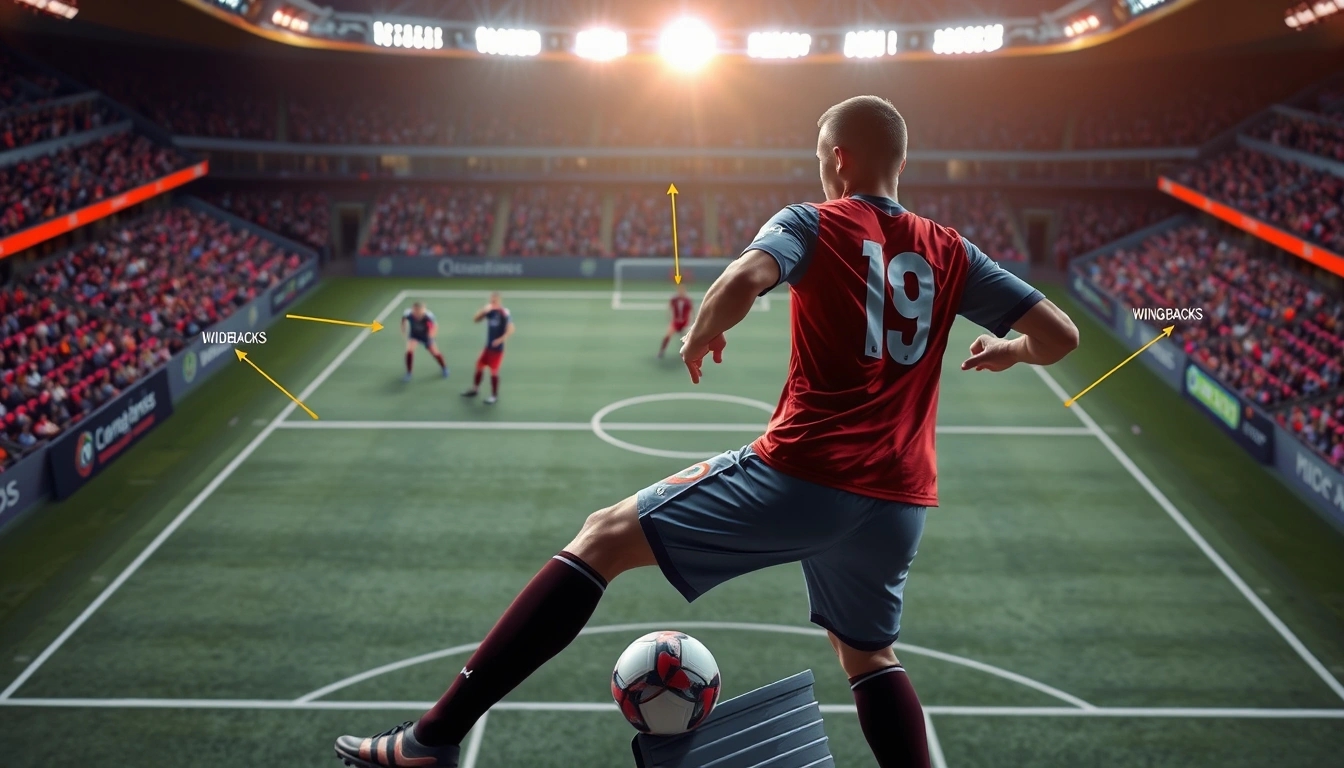
Now, wingbacks are the unsung marathon runners of the team. They sprint up and down the sidelines, juggling defense and attack like circus performers. They’re expected to stop crosses, support midfield, and whip in those dangerous balls that can change a game in seconds. It’s a tough gig—requires stamina, speed, and a bit of madness. Without wingbacks, the flanks look as empty as a pub at noon.
| Position | Main Responsibilities | Key Skills |
|---|---|---|
| Striker | Score goals, lead attacks | Finishing, positioning, composure |
| Wingback | Defend flanks, support offense | Stamina, speed, crossing |
| Central Midfielder | Control tempo, link play | Passing, vision, endurance |
Central Midfielder: The Engine Room
If football was a car, the central midfielder would be the engine. They keep everything running smoothly, dictating the pace and making sure the team doesn’t lose its rhythm. These players have to multitask like crazy—defend, attack, pass, tackle—you name it. Sometimes it looks like they’re everywhere at once, and honestly, they kind of are. Without a solid central midfielder, the team’s structure collapses faster than a dodgy tent.
Goalkeeper: The Last Line of Defense
Goalkeepers get a lot of flak, mostly when they mess up spectacularly, but they’re so much more than just the guy diving around in gloves. They’re the team’s organizer, barking orders to defenders, reading the game like a chess master, and pulling off saves that make you question reality. Sure, they get to wear the flashy kits, but with great power comes great responsibility—and a whole lot of pressure.
- Centre-Back: The no-nonsense defenders who stop attacks dead in their tracks with tackles and headers.
- Fullback: Defensive sprinters who defend the wide areas and occasionally join the attack.
- Attacking Midfielder: Creative geniuses who pull the strings and set up goals with flair.
- Defensive Midfielder: The shield protecting the backline, breaking up opposition play.
- Utility Player: The jack-of-all-trades who fills in wherever needed, making them coach’s favorites.
So next time you’re watching a match and someone yells “Pass it to the wingback!”, you’ll know exactly why. Football isn’t just about kicking a ball around; it’s a beautifully choreographed chaos where every role counts. Whether it’s the striker’s hunger for goals or the wingback’s endless runs, these positions combine to create the drama, excitement, and magic we all love.
Remember: No position is more important than another. It’s the teamwork and understanding between these roles that make football the world’s game.
Striker: The Goal Machine
Alright, let’s talk about the striker — the player every fan’s eyes are glued to when the ball’s near the box. The striker’s whole existence? Put the ball in the net, and do it often. They’re the team’s main point of attack, the one expected to deliver the goods when it counts. But scoring goals isn’t as simple as it sounds, and being a striker means juggling a bunch of skills, instincts, and sometimes, a little bit of luck.
First off, a striker has to be ruthless in front of goal. That means sharp shooting, quick reactions, and a nose for where the ball’s gonna land before anyone else figures it out. But it’s not just about banging in tap-ins; a good striker can volley, chip, curl, and just about do everything with the ball to beat the keeper. Think of them as the team’s sniper, always ready to take the shot.
- Positioning: The art of being in the right place at the right time. Strikers have to read the game like a chess player, anticipating defenders’ moves and finding tiny pockets of space.
- Physicality: Holding off defenders, winning headers, and sometimes just muscling through — it’s a tough gig.
- Mental toughness: Missing a sitter? No biggie, just shake it off and get ready for the next chance.
Now, you might wonder, why are strikers often the most celebrated (or blamed) players? Simple. Goals win games. Without them, all the fancy passing and tactical wizardry means zilch. The striker is the finishing touch, the one who turns potential into glory. And when they’re on fire, the whole stadium feels it — chants, cheers, sometimes even tears.
| Skill | Why It Matters | Example |
|---|---|---|
| Shooting Accuracy | Turns chances into goals | Messi’s finesse shots |
| Speed | Beats defenders and creates space | Mbappé’s lightning runs |
| Composure | Stays calm under pressure | Ronaldo’s penalty nerves |
But hold on, it’s not all glam and glory. Strikers get marked like they’re on a wanted list, defenders shadowing them like a bad smell. Sometimes, the ball just refuses to go in, no matter how hard they try. Ever seen a striker have a “dry spell”? It’s brutal. The pressure mounts, the fans get restless, and suddenly, every miss feels like a disaster.
Still, the best strikers have a way of bouncing back, often with a cheeky grin and a goal celebration that says, “I told you so.” They’re the heart and soul of the team’s attack, the ones who make football exciting. Without them, well, it’s just a bunch of players kicking a ball around.
So next time you hear the crowd roaring for the striker, remember: it’s not just about luck or talent. It’s about grit, timing, and a dash of madness. Because at the end of the day, the striker’s job is simple — score goals, lots of ‘em.
Wingback: The Side Hustler
If football had a position that could win the “most exhausting job” award hands down, it’d be the wingback. These players are the ultimate multitaskers, sprinting up and down the sidelines like caffeine-fueled maniacs, all while trying to keep their heads in the game. You might wonder, “Why not just call them fullbacks or wingers?” Well, that’s where the magic lies — wingbacks are a hybrid beast, blending defensive grit with attacking flair.
Let’s break it down: wingbacks have to cover the entire flank, meaning they’re constantly switching hats between being a solid defender and an unpredictable attacker. They’re like the Swiss Army knives of the football pitch. When their team’s under pressure, you’ll see them drop deep, marking opponents and blocking crosses. But the moment the ball’s won, they’re off, bombing forward to deliver crosses, create chances, or even sneak in for a cheeky goal themselves. It’s a relentless hustle.
| Wingback Role | Key Responsibilities | Skills Required |
|---|---|---|
| Defense | Mark opposition wingers, intercept passes, block crosses | Tackling, positioning, stamina |
| Attack | Provide width, deliver crosses, support forwards, overlapping runs | Speed, dribbling, crossing accuracy |
| Transition | Quickly switch from defense to attack and vice versa | Game awareness, endurance, decision-making |
You might be thinking, “Sounds like a nightmare for the player’s legs.” And you’d be spot on. Wingbacks need stamina of a marathon runner and the brain of a chess player. They’re expected to read the game, anticipate threats, and make split-second decisions — all while running a good 10 kilometers per match. No wonder some of the best wingbacks are those who look like they’ve got endless energy reserves.
- Why are wingbacks so crucial today? Modern football is all about width and pace. Teams that rely on narrow midfielders often use wingbacks to stretch the play and create space.
- Formation impact: In formations like 3-5-2, wingbacks are the primary source of width, making them indispensable.
- Defensive balance: They help cover the wide areas defensively, preventing counter-attacks from the flanks.
Now, not every wingback is created equal. Some are more attack-minded, almost like wingers who can defend, while others lean towards defense but still contribute going forward. Think of players like Trent Alexander-Arnold or Jordi Alba — their crossing and creativity are game-changers, but they still put in the defensive work.
So yeah, wingbacks might not get the glory of a striker banging in goals or the spotlight of a playmaker’s killer pass, but without them, the team’s balance crumbles. They’re the unsung heroes who keep the engine running on the sides of the pitch. Next time you see a wingback sprinting from one box to the other, remember: that’s a player doing the job of two, maybe three, and doing it bloody well.
In a nutshell:
Wingback Defender + Attacker + Marathon runner + Tactical brain
In the modern game, they’re not just side hustlers — they’re the lifeblood of the team’s width and dynamism. And honestly? Without them, football would be a whole lot less exciting.
Central Midfielder: The Engine Room
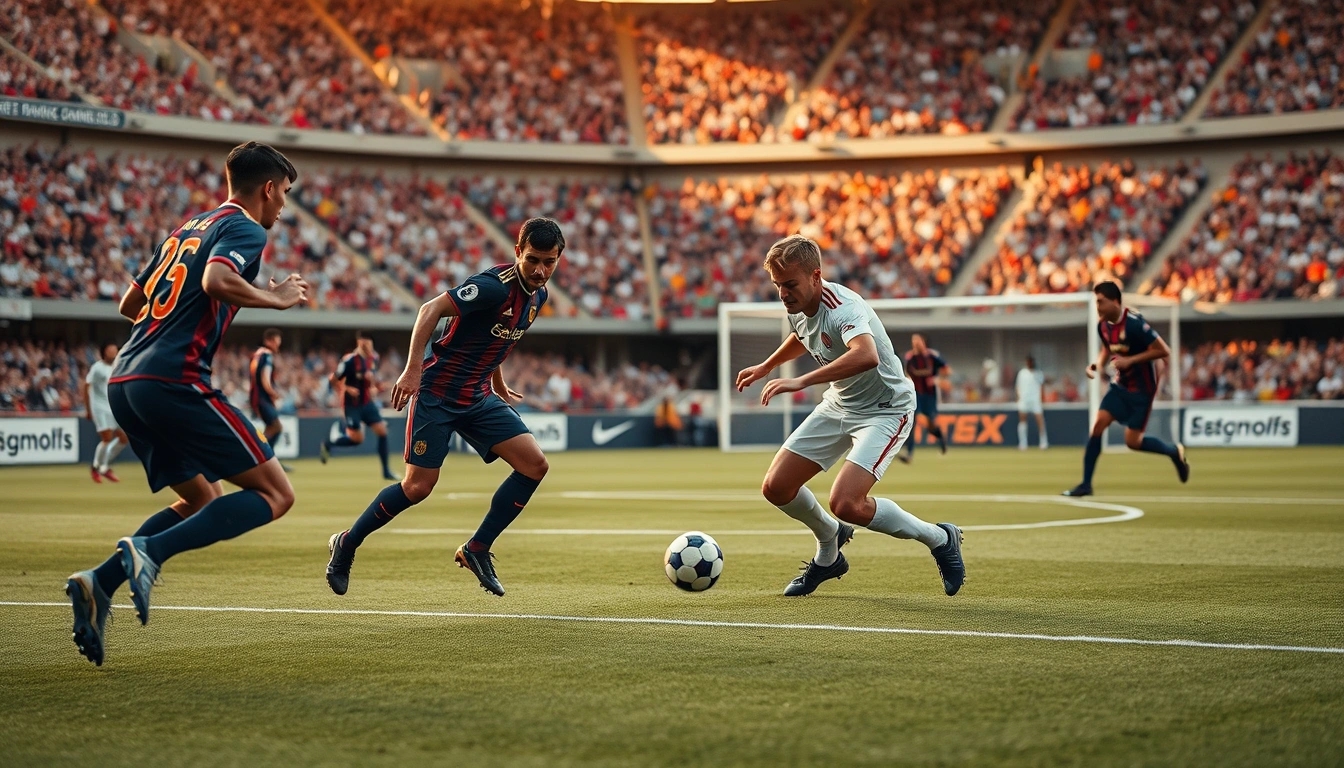
Alright, let’s talk about the central midfielder—the true heartbeat of any football team. These players are the unsung heroes, the ones who keep the whole operation ticking. You might not always see them stealing the spotlight with flashy goals or jaw-dropping saves, but without them, the whole team’s rhythm falls apart faster than a house of cards in a storm.
Think of the central midfielder as the team’s control center. They’re constantly scanning the pitch, deciding when to slow the game down or crank it up to full speed. Their job? Link the defense with the attack seamlessly. They’re like the conductor of an orchestra, except instead of violins and drums, they’re dealing with defenders, wingers, and strikers. And yep, it’s a tough gig.
| Role | Description |
|---|---|
| Tempo Control | Dictating the pace of the game, deciding when to speed up or slow down play. |
| Distribution | Passing the ball accurately to teammates, often switching the play from one flank to another. |
| Defensive Support | Tracking back to help defenders, breaking up opposition attacks. |
| Attack Initiation | Starting offensive moves, threading key passes to forwards and wingers. |
Now, here’s where it gets wild. Central midfielders have to be multitasking maniacs. One second they’re tackling an opponent, the next they’re threading a pass through a needle’s eye. And all this while running their socks off for 90 minutes. Seriously, their stamina levels could put marathon runners to shame.
- Vision: Spotting runs and spaces before anyone else.
- Passing range: From short simple taps to long, sweeping balls.
- Positioning: Being in the right place at the right time, both offensively and defensively.
- Composure: Staying cool under pressure, even when the crowd’s screaming and the clock’s ticking down.
But let’s be honest, not every central midfielder is a superstar. Some are just there doing the dirty work, breaking up play and making sure the opposition doesn’t breathe easy. They might not get the glory, but trust me, coaches love these guys. Because without balance in the middle, a team’s attack can become a chaotic mess, and defense can get exposed like a bad haircut.
And if you think this role is easy, think again. It’s a constant battle of wits and legs. You’ve got to be mentally sharp, physically tough, and tactically aware. Plus, there’s always that nagging pressure of being the go-to player when things get messy. No pressure, right?
Tips for Aspiring Central Midfielders:- Work on your endurance: You’ll be covering the most ground.- Improve your first touch: Control the ball quickly to keep the flow.- Study the game: Anticipate opponents’ moves before they happen.- Communicate: Be the vocal leader on the pitch.
So next time you watch a match, keep an eye on that player in the middle—chances are, they’re the ones doing the heavy lifting, making sure the team doesn’t lose its mind. The central midfielder might not always get the headlines, but without them, football would be a lot less beautiful, and a lot more messy.
Goalkeeper: The Last Line of Defense
When you think of a goalkeeper, the first image that probably pops into your mind is someone diving dramatically across the goal, gloves flying, snatching the ball like a cat on a mouse. But hold your horses — the keeper’s job is way more than just flamboyant saves and acrobatic dives. In fact, they’re the unsung commanders of the defense and often the team’s first line of attack. Sounds fancy? Well, it is.
Let’s break it down. The goalkeeper is not just there to stop shots; they’re the organizer-in-chief at the back. Picture this: chaos is unfolding in front of the goal, defenders scrambling, attackers lurking. Who’s barking orders, telling everyone where to be, and when to mark their man? Yep, the keeper. They have the best view of the entire pitch, and it’s their job to keep the defense in shape like a drill sergeant on a mission.
- Shot-stopping: Obviously, saving goals is their bread and butter. Reflexes need to be sharp, almost superhuman at times.
- Commanding the box: They decide when to come out and claim crosses or stay put.
- Distribution: A good keeper starts attacks with their throws or kicks, turning defense into offense in a blink.
- Reading the game: Anticipation is key — knowing where the ball will go before it gets there.
Here’s a quick table to show the multifaceted role of a goalkeeper:
| Role Aspect | Description |
|---|---|
| Shot-Stopping | Stopping shots on goal using reflexes and positioning. |
| Communication | Directing defenders and organizing the backline. |
| Distribution | Starting attacks with precise throws and kicks. |
| Decision Making | Knowing when to stay, when to charge out, and when to catch or punch. |
| Mental Strength | Staying calm under pressure and bouncing back from mistakes. |
Now, if you think being a keeper is all about physical skills, think again. The mental game is just as brutal. Imagine the pressure of knowing one slip-up could mean a goal against your team. No wonder many goalkeepers have a thick skin and nerves of steel. And let’s be honest, sometimes they get blamed unfairly — like when a defender screws up and the ball ends up in the net, but the keeper still gets the dirty looks.
Also, modern football demands keepers to be comfortable with their feet. They’re no longer just glove-wearers; they’re expected to play out from the back, almost like an extra defender. This means good passing skills, composure under pressure, and sometimes even acting as a playmaker. It’s a lot to juggle!
In short, the goalkeeper is the team’s backbone, the last hurdle between glory and heartbreak. They’re part tactician, part shot-stopper, part fearless gladiator. So next time you see a keeper diving around, remember: behind those gloves is a player who does way more than just keep the ball out — they keep the team together.
Centre-Back: The Wall
Alright, let’s talk about the centre-back, often called the wall of the team. These guys (and gals) are the no-nonsense defenders who don’t just politely ask attackers to stop—they stop them dead in their tracks. No fancy footwork, no showboating, just pure grit, determination, and sometimes a bit of brute force. If you’re wondering what makes a centre-back tick, strap in. It’s a mix of razor-sharp positioning, bone-crunching tackles, and a hefty dose of leadership.
First up, positioning. It’s not just standing around hoping the ball doesn’t come your way. A good centre-back reads the game like a book, anticipating where the striker will dart next or when the winger might cut inside. They’re like chess grandmasters, always thinking three steps ahead. If they’re out of position? Well, that’s usually when the opposition’s forwards start smiling and scoring.
| Trait | Description |
|---|---|
| Positioning | Anticipate attacks, cover spaces, and maintain defensive shape. |
| Tackling | Clean, effective challenges to dispossess opponents without fouling. |
| Leadership | Organize the backline, communicate constantly, and inspire teammates. |
| Physicality | Strong in aerial duels and able to withstand physical battles. |
Now, about tackling. Centre-backs have to be fearless. They dive in, slide, or stand tall to snatch the ball away. But it’s a delicate balance—go in too hard, and you gift the opponents a free kick or worse, a penalty. Go too soft, and you look like a pushover. The best centre-backs? They’re like surgeons with tackles—precise and effective.
But don’t think their job ends at just stopping goals. These defenders often double up as leaders on the pitch. They shout instructions, keep the team organized, and sometimes even act as the coach’s voice during the game. You’ll notice centre-backs wearing the captain’s armband quite often—because who else better to keep calm and carry on when the pressure mounts?
- Communication: Constantly barking orders to teammates, ensuring everyone’s in position.
- Reading the Game: Spotting danger before it arrives and acting swiftly.
- Composure: Staying cool under pressure, especially when the crowd is roaring.
Here’s a little secret: while they might seem like the team’s biggest bruisers, many centre-backs are surprisingly good with the ball at their feet. Modern football demands it. They often start attacks by playing smart passes out from the back. So, no, they’re not just there to kick the ball away like your grumpy uncle at a barbecue.
Tips for Aspiring Centre-Backs:- Always keep your eyes on the ball and the attacker.- Master the art of timing tackles; patience is key.- Work on your aerial ability – headers win games.- Develop vocal skills; a silent wall isn’t much of a wall.
In short, the centre-back is the backbone of any solid defense. Without them, the whole team can crumble faster than a cookie in milk. They’re the unsung heroes who rarely get the glory but are absolutely vital to keeping clean sheets and winning matches. So next time you see a defender clearing the ball or making a crucial block, give a little nod of respect—they’re the true “walls” holding the fort.
Fullback: The Defensive Sprinter
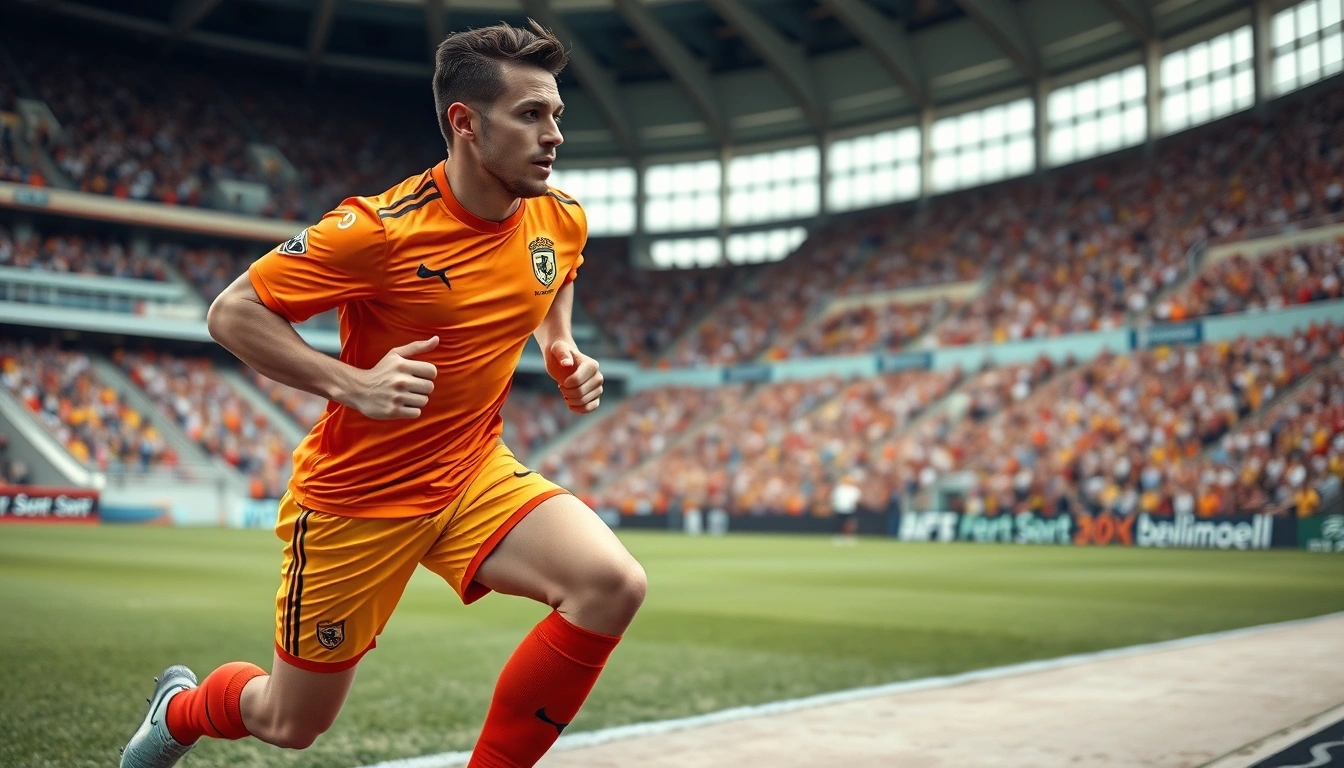
Fullbacks — now here’s a position that doesn’t always get the glory but boy, do they earn their keep. These players patrol the wide edges of the pitch, covering the flanks with relentless energy. Think of them as the team’s marathon runners and sprinters all rolled into one. Their primary job? Defend against those pesky wingers trying to slice in and cause chaos. But don’t be fooled, fullbacks aren’t just sitting back waiting for trouble; they often burst forward to support the attack, creating overlaps and whipping in crosses that can change the game in a blink.
You might be wondering, how the heck do these guys keep up that pace for 90 minutes? Well, stamina is everything. Fullbacks need lungs of steel and legs that never quit. They’re constantly sprinting, tracking back, and then racing up the pitch again. It’s exhausting, no doubt — and that’s why fitness regimes for fullbacks are brutal. Coaches drill them on endurance and speed, and you’ll often see them doing endless shuttle runs in training.
| Key Attributes of a Fullback | Description |
|---|---|
| Stamina | Ability to maintain high energy levels throughout the match. |
| Speed | Crucial for quick recovery and joining attacks. |
| Defensive Skills | Tackling, marking, and intercepting crosses. |
| Crossing Ability | Delivering accurate balls into the opponent’s box. |
| Positional Awareness | Knowing when to hold back or push forward. |
Now, fullbacks haven’t always been this dynamic. Back in the day, they were almost purely defensive, sticking close to their goal line and rarely venturing into enemy territory. But football’s changed — and fast. Modern tactics demand fullbacks to be versatile, almost like wingbacks but with a bit more defensive responsibility. It’s like they’re caught between two worlds: guard the defense but also be a nuisance up front.
- Traditional Fullback: Defensive-minded, rarely attacking.
- Modern Fullback: Attacking support, overlapping runs, and creating chances.
- Wingback Hybrid: Even more attacking, almost a winger in defense’s clothing.
The evolution is fascinating because it means fullbacks have to master a ton of skills. They need to be solid tacklers but also have the creativity to deliver killer crosses. Sometimes, you’ll see them dribbling past opponents like midfielders, which wasn’t really a thing before. It’s a tough gig, and if they mess up, it can leave the defense exposed — talk about walking a tightrope!
To sum up, fullbacks are the unsung warriors who cover insane ground, balancing defense and attack with tireless effort. Without them, the flanks would be a free-for-all for the opposition. So next time you see a fullback sprinting up and down the sideline, give them a nod — they’re running a marathon every single game.
Attacking Midfielder: The Playmaker
If football’s a grand orchestra, then the attacking midfielder is undoubtedly the conductor, waving the baton and making sure every player hits the right note at the right time. These creative wizards aren’t just about fancy footwork or nutmegs (though they do plenty of those); they’re the heartbeat of the team’s offense, the ones who see passes others don’t, and who make magic happen in tight spaces.
Let’s be honest, the attacking midfielder’s role is a bit like juggling flaming torches while riding a unicycle — tricky, risky, but when done right, absolutely mesmerizing. Their job isn’t just to score goals but to set them up, pulling strings behind the scenes, orchestrating attacks with a blend of vision, skill, and a pinch of audacity. Ever wonder how those impossible through balls or cheeky flicks get through? Yep, that’s their handiwork.
- Vision: Spotting teammates’ runs before they happen.
- Creativity: Dreaming up passes that leave defenders scratching their heads.
- Technical Skill: Tight control, quick turns, and an ability to keep the ball glued to their feet.
Now, don’t get me wrong — it’s not all glam and glory. These playmakers often have to battle through a swarm of defenders, get tackled like a rag doll, and still come up with brilliance. It’s a tough gig, and sometimes you wonder if they’re part magician, part contortionist.
| Key Attributes | Description |
|---|---|
| Passing Accuracy | Essential for threading needles and launching attacks. |
| Creativity | Inventiveness to unlock even the tightest defenses. |
| Stamina | Constant movement to find pockets of space and support teammates. |
| Composure | Keeping calm under pressure to make the right decisions. |
One thing that’s often overlooked is how much pressure these players are under. Fans expect magic every game, coaches want consistency, and defenders are breathing down their necks. It’s like being the star in a high-wire act — one slip and everyone notices.
Think of legends like Zinedine Zidane or Andrés Iniesta — players who didn’t just pass the ball, they painted masterpieces on the pitch. But not every team has a Zidane, so sometimes the attacking midfielder has to improvise, get scrappy, and just do whatever it takes to keep the offense ticking.
In a nutshell? The attacking midfielder is the team’s artistic soul, the creative spark that can turn a dull game into a highlight reel. Without them, the team might as well be a car without a steering wheel — lots of power but no direction.
So next time you see that slick pass or that cheeky assist, give a nod to the playmaker — the unsung hero pulling the strings and making football a beautiful game.
Defensive Midfielder: The Shield
You know those players who never get the glory, rarely make the highlight reels, but without them, a football team would be like a car without brakes? Yeah, that’s your defensive midfielder right there. Often called the “shield,” these unsung heroes are the backbone of any solid team, quietly breaking up attacks before they morph into goal-scoring nightmares. They are the midfield warriors who do the dirty work, the ones who make sure the defense isn’t overwhelmed and the attack can breathe easy.
Now, don’t be fooled by their seemingly simple job description. It’s not just about hacking the ball away or standing in front of the defense like a human wall. Defensive midfielders are tactical geniuses in disguise. They read the game like chess grandmasters, anticipating passes, intercepting plays, and positioning themselves perfectly to snuff out threats. Their role is like that of a traffic cop, directing the flow of play, deciding when to slow things down and when to launch the counterattack.
| Key Responsibilities | Why It Matters |
|---|---|
| Breaking up opposition attacks | Stops dangerous plays before they reach the defensive line |
| Protecting the defense | Acts as a buffer, reducing pressure on center-backs |
| Ball distribution | Starts attacking moves with smart passes |
| Maintaining team shape | Keeps midfield organized and balanced |
But here’s the kicker — defensive midfielders often don’t get the credit they deserve. Fans usually cheer for flashy goals or jaw-dropping dribbles, not the gritty tackles or smart interceptions. Yet, without these midfield anchors, teams would be all over the place, defensively fragile and tactically lost. Think of players like Claude Makélélé or Sergio Busquets — their names might not scream “superstar” to casual viewers, but ask any coach or teammate, and they’ll tell you these guys are priceless.
- Physicality: They need stamina, strength, and agility to chase down opponents and cover ground.
- Intelligence: Reading the game is crucial — timing tackles and positioning can make or break a match.
- Passing: Good defensive midfielders aren’t just destroyers; they’re also the first link in attack.
Oh, and let’s not forget the mental toughness. Playing this role means you’re constantly in the thick of it, often facing the opposition’s best attackers. One wrong move and boom — goal conceded. Pressure? You bet. But that’s what separates the great from the good.
Practical Tips for Spotting a Quality Defensive Midfielder:- Watch for players who rarely lose their cool under pressure.- Notice how often they intercept passes or break up plays.- See if they keep the midfield tight and don’t leave gaps.- Check their passing accuracy — they often start counterattacks.
In short, the defensive midfielder is the unsung hero who holds the team together. They might not grab headlines or score the winning goal, but without their shield-like presence, the entire structure crumbles. So next time you’re watching a game and hear the crowd go wild for a goal, spare a thought for the player who made that goal possible by stopping ten others first.
Utility Player: The Jack of All Trades
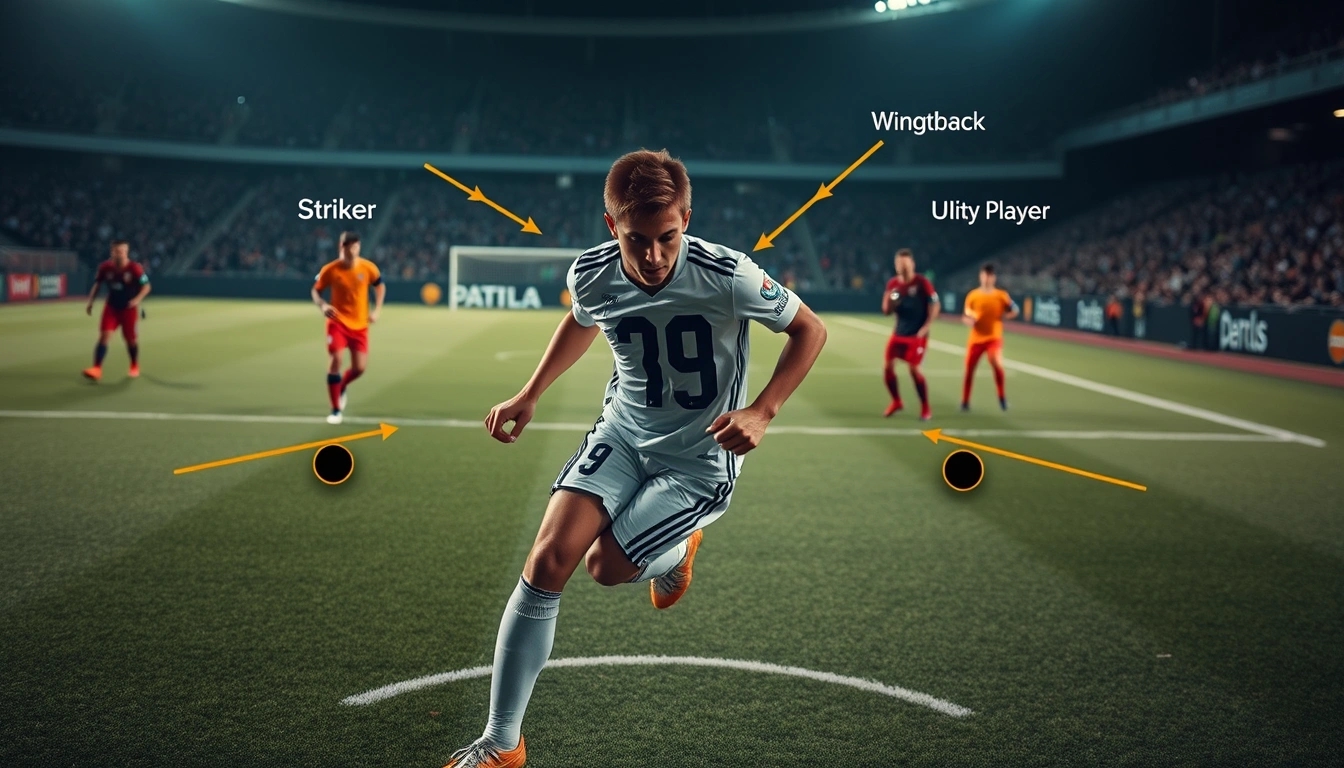
In the chaotic world of football, where every player is expected to stick to their role like glue, the utility player is that rare gem who laughs in the face of pigeonholing. These are the squad members who don’t just play one position—they can slot in pretty much anywhere the coach needs them to. Think of them as the Swiss Army knives of the pitch, always ready to adapt and fill a gap, no fuss, no drama.
Why do coaches absolutely adore these adaptable players? Well, imagine a team plagued by injuries, suspensions, or just a tactical switch mid-game. Having a utility player is like having an ace up your sleeve. Instead of scrambling to find a replacement or reshuffle the entire team, the coach can simply call upon this versatile soul who’s comfortable playing defense one minute and pushing forward the next.
- Flexibility: They can cover multiple positions without losing their effectiveness.
- Reliability: When the chips are down, these players don’t crumble—they step up.
- Team Spirit: They’re often the unsung heroes, happy to do whatever the team needs.
But don’t mistake versatility for being a “jack of all trades, master of none.” Many utility players are masters in their own right, with a deep understanding of the game’s nuances. Their ability to read the pitch, anticipate plays, and adjust their style depending on where they’re deployed is what sets them apart.
| Position Covered | Key Responsibilities | Skills Required |
|---|---|---|
| Defender | Marking, tackling, intercepting | Physicality, positioning, awareness |
| Midfielder | Controlling tempo, distributing passes | Vision, stamina, ball control |
| Forward | Creating chances, scoring goals | Finishing, dribbling, movement |
Now, let’s be honest—being a utility player isn’t always glamorous. They rarely get the spotlight or the glory that comes with a hat-trick or a last-ditch tackle. Fans might not know their names as well as the star striker or the rock-solid centre-back. But within the squad, these players are often the glue holding everything together.
One practical insight? If you’re a budding footballer looking to get noticed, developing versatility can be a game-changer. Coaches love players who can fill in gaps without losing the team’s rhythm. It’s like having a multi-tool in your back pocket—always handy, always valuable.
In short, utility players embody football’s unpredictable, ever-changing nature. They remind us that sometimes, being a specialist isn’t the only way to shine. The ability to adapt, to slot in wherever needed, and to do the job well—that’s the true mark of a team player.
So next time you see a player switching positions mid-match, don’t just shrug it off. That’s a utility player doing what they do best—being the jack of all trades and the unsung backbone of their team.
Frequently Asked Questions (The title must be written in English.)
- What exactly does a striker do on the football field?
Think of the striker as the team’s main goal-getter — their mission is to find the back of the net as often as possible. They’re the sharp shooters, the finishers, always lurking around the opponent’s goal ready to pounce. Without a good striker, scoring becomes a tough nut to crack!
- How is a wingback different from a fullback?
Both run the sidelines, but wingbacks are like the ultimate multitaskers, constantly shifting between defense and attack, covering more ground than a marathon runner. Fullbacks tend to focus more on defending but will join the attack occasionally. Wingbacks bring that extra spark with their relentless energy and crossing skills.
- Why is the central midfielder called the “engine room” of the team?
Imagine the central midfielder as the heartbeat of the squad — they control the tempo, distribute the ball, and connect defense with attack seamlessly. Their role is all about stamina, vision, and quick thinking, making sure the team moves like a well-oiled machine.
- Is the goalkeeper’s job just about making saves?
Far from it! While shot-stopping is their headline act, goalkeepers also organize the defense, communicate constantly, and start attacks with precise throws or kicks. They’re the last line of defense and the first line of offense — a true game-changer.
- What makes a centre-back essential in football?
Centre-backs are the team’s fortress. Their job is to block, tackle, and intercept anything that threatens their goal. They’re often the leaders at the back, using their positioning and strength to keep attackers at bay and maintain defensive discipline.
- Can you explain the role of attacking and defensive midfielders?
Attacking midfielders are the creative masterminds, crafting chances and threading killer passes. Defensive midfielders act like shields, breaking up opposition plays and protecting the backline. Together, they balance flair and grit, offense and defense.
- What is a utility player and why are they valuable?
Utility players are the Swiss Army knives of football — able to slot into multiple positions without missing a beat. Coaches love them because they provide flexibility, cover injuries, and adapt to different tactics effortlessly.