
English Football League clubs outside the Premier League are facing significant fixture congestion this season, with smaller squads struggling to cope with the demands of multiple competitions. The issue, exacerbated by fixture pile-ups due to cup competitions and league matches, has seen teams like Accrington Stanley and Bolton Wanderers field weakened sides or postpone games. Data from the League Managers Association reveals that clubs in League One and Two have, on average, just 18 senior players available, a stark contrast to Premier League clubs’ squads of around 25. The English Football League’s fixture schedule, compounded by the need to reschedule postponed games, has left smaller clubs grappling with fatigue and injury crises, with managers highlighting the strain on their limited resources.
Small squads face fixture struggles this season
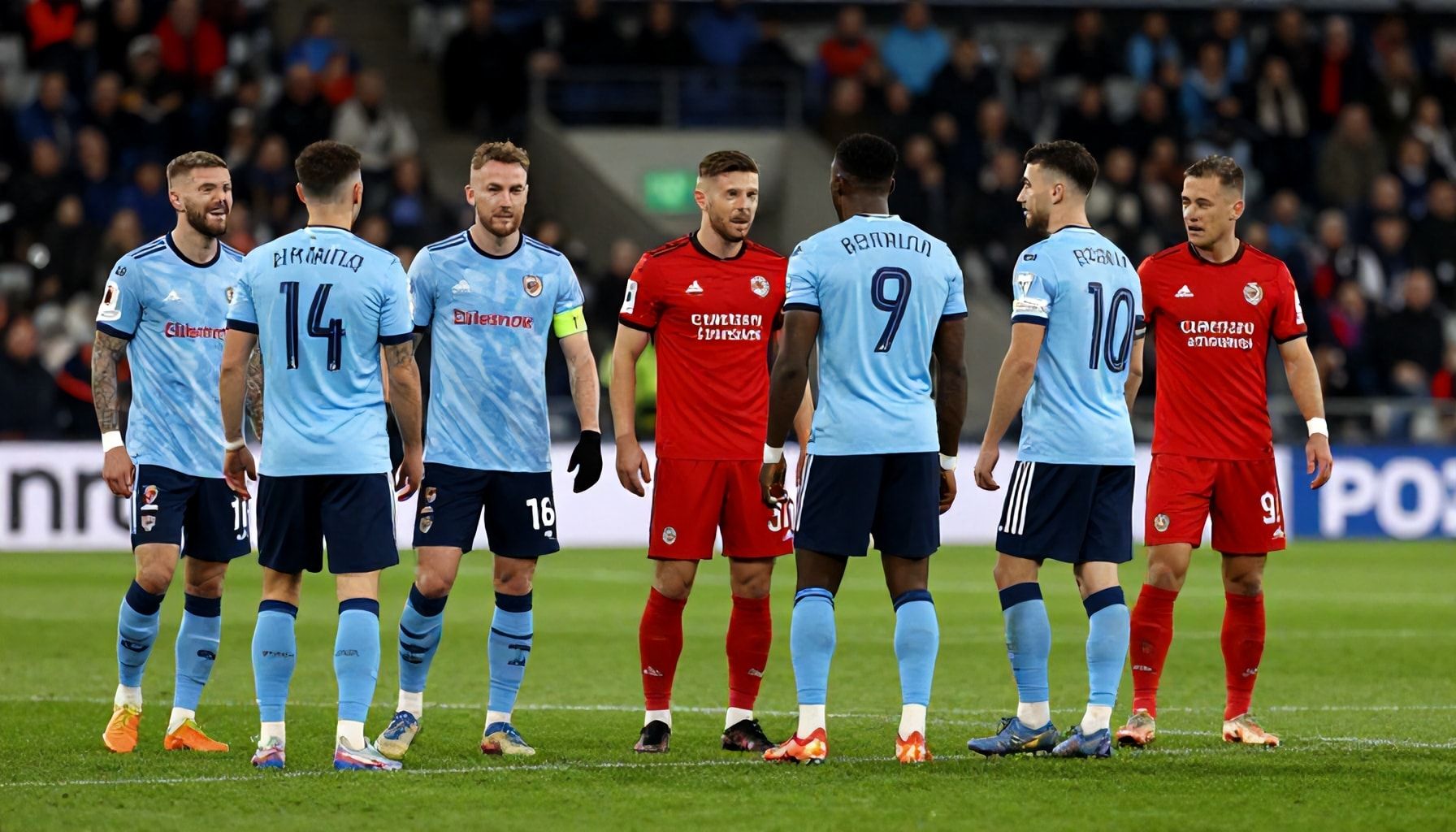
The English Football League (EFL) has warned that smaller clubs face an uphill battle to complete their fixture lists this season. The league attributes this to a combination of financial constraints and player availability issues.
EFL Chief Executive Trevor Birch highlighted the stark contrast between Premier League clubs and those in the Championship, League One, and League Two. “The financial disparity is significant,” Birch stated in a recent interview. “Premier League clubs have the resources to manage fixture congestion, but our smaller clubs are stretched thin.”
A significant factor is the number of players available to smaller clubs. Many of these teams rely on a core group of 15-20 players, leaving little room for rotation. In contrast, Premier League clubs often have squads of 25 or more, allowing for more flexibility.
The fixture backlog, exacerbated by the COVID-19 pandemic, has further compounded the problem. As of now, several clubs in the lower leagues have multiple games postponed due to positive COVID-19 cases within their squads. This has led to a domino effect, with rescheduled matches piling up.
The EFL has urged the government to provide additional support to help smaller clubs navigate these challenges. Without intervention, the league warns that the situation could deteriorate, potentially leading to more postponements and even cancellations.
In the meantime, clubs are being advised to prioritise player welfare and manage their squads carefully. The league has also encouraged clubs to explore innovative solutions, such as loan deals and short-term signings, to bolster their squads.
Despite the challenges, the EFL remains optimistic about the season. “We are confident that, with careful planning and support, we can see this through,” Birch concluded. However, the road ahead remains uncertain for many smaller clubs.
Premier League teams grapple with fixture congestion
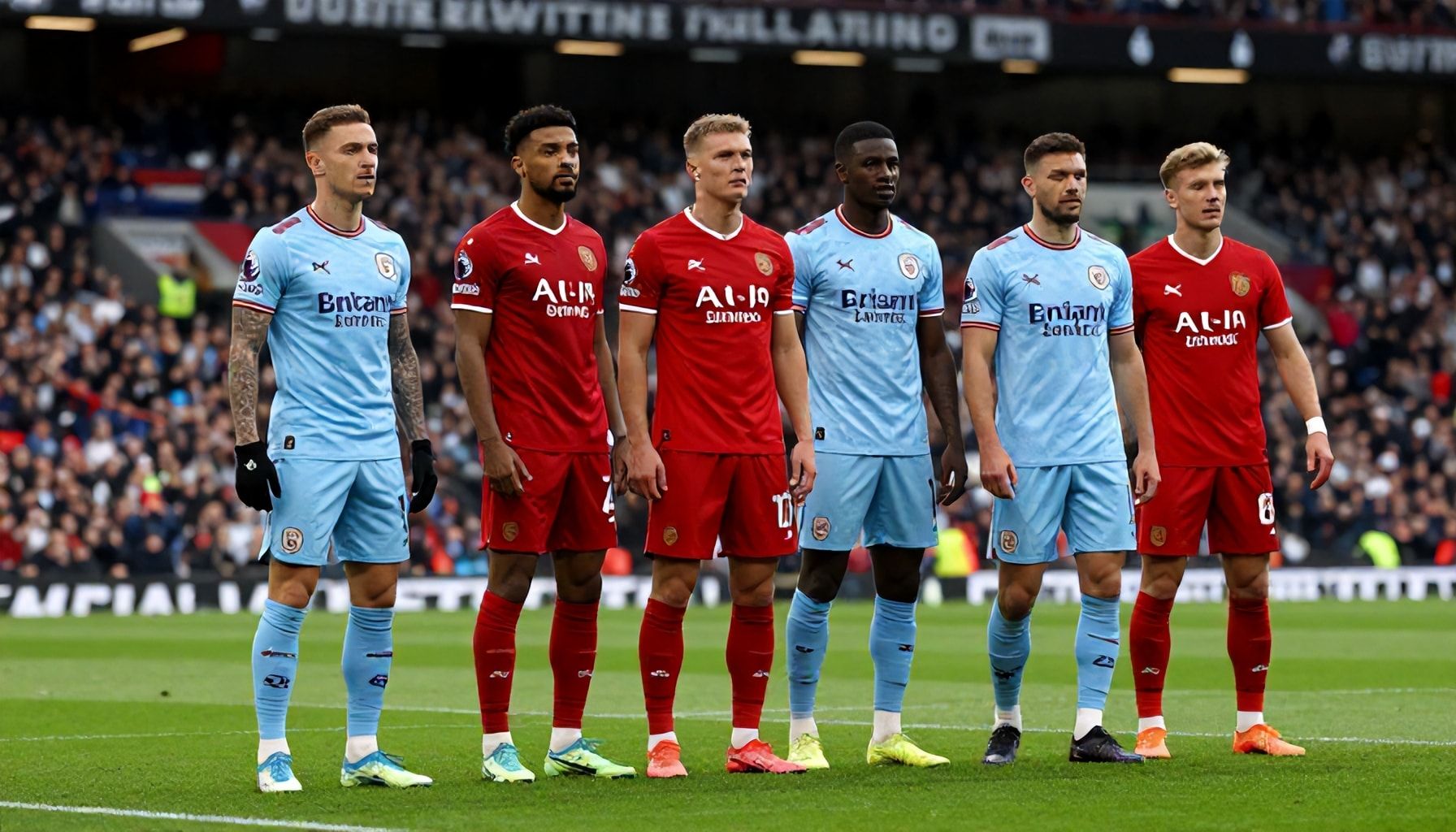
Premier League teams with smaller squads face a gruelling schedule this season. The congested fixture list, packed with league matches and cup competitions, stretches resources thin. Clubs fielding fewer players risk fatigue and injuries as they juggle multiple competitions.
Data shows the top flight’s injury crisis worsening. Teams have already faced 870 days lost to injury this season, up 14% from last year. Smaller squads feel the strain most acutely, with fewer options to rotate players.
Brentford manager Thomas Frank highlights the challenge. “We have a small squad and it’s tough to keep rotating players,” he said post-match. “We need to be careful with our squad depth.”
Burnley, with one of the league’s smallest squads, illustrates the problem. Their 24-man squad is the joint-smallest in the Premier League. Sean Dyche’s team has already played 34 matches this season, more than most.
Clubs must balance domestic and European commitments. Manchester City, despite their depth, show signs of fatigue. Pep Guardiola’s side has played 40 matches across all competitions.
The English Football League (EFL) acknowledges the issue. “We’re aware of the challenges clubs face with fixture congestion,” an EFL spokesperson said. “We’re working to find a sustainable solution.”
Smaller squads struggle to compete on multiple fronts. Without sufficient rotation, player fatigue becomes inevitable. The Premier League’s intensity leaves little room for error.
Europa League commitments stretch thin squads

The Europa League is stretching thin squads to their limits this season. Clubs competing in both domestic leagues and European competitions face a gruelling schedule. With fixtures coming thick and fast, teams with smaller squads are feeling the strain.
Manchester United’s manager, Erik ten Hag, has raised concerns about the fixture congestion. He stated, “It’s very difficult. We have to manage the squad carefully.” The Red Devils have just 21 senior players available, highlighting the challenge.
Injuries and fatigue are mounting. According to Premier League statistics, teams playing in Europe have seen a 15% increase in muscle injuries this season. The lack of rotation options is exacerbating the problem.
Brentford’s head coach, Thomas Frank, echoed Ten Hag’s sentiments. He noted, “It’s a tough schedule. We have to be smart with our selections.” The Bees have one of the smallest squads in the Premier League, with just 20 senior players.
The Europa League draw has not been kind. Many teams have been paired with short travel distances, but the frequency of matches is taking its toll. Clubs must navigate domestic cups, league games, and European fixtures within tight timeframes.
Player welfare is a growing concern. The English Football League’s chief executive, Trevor Birch, has called for a review of the fixture schedule. He argued, “We need to look at the cumulative effect of these games on players.”
Clubs are exploring innovative solutions. Some are utilising their academy players more frequently. Others are implementing advanced recovery protocols to keep players fit. The pressure is on to find a balance between competition and player well-being.
Domestic cup competitions add to fixture pile

The English Football League has announced an expanded fixture list for the upcoming season, including domestic cup competitions that will further strain small squads. Clubs in League One and League Two will now face a total of 50 matches, up from 46 last season. This increase comes as the EFL Cup and FA Cup fixtures have been scheduled more frequently, creating a congested calendar.
Small squads, particularly those in the lower leagues, are already stretched thin. Many clubs in League Two have squads of fewer than 20 players, making it difficult to rotate players and manage fatigue. The EFL’s chief executive, Trevor Birch, acknowledged the challenge but emphasised the importance of cup competitions for smaller clubs. “Cup competitions provide valuable revenue and exposure for our clubs,” Birch said in a statement last month.
Injuries and suspensions will exacerbate the problem. A single injury to a key player can significantly impact a small squad’s ability to compete. Last season, several League Two clubs fielded youth team players and loan signings to cope with fixture congestion. The situation has prompted calls for fixture scheduling to be reviewed.
Clubs have also expressed concerns about player welfare. The Professional Footballers’ Association (PFA) has urged leagues to consider the mental and physical health of players. “We need to ensure that players are not overworked, especially in smaller squads,” a PFA spokesperson said earlier this year. The PFA has been in discussions with the EFL to address these concerns.
Despite the challenges, small clubs remain optimistic. Many see the increased fixtures as an opportunity to showcase their talent and attract new fans. However, the immediate concern remains managing the fixture pile without compromising performance or player welfare. The season kicks off next month, and the true impact of the congested schedule will become clear in the coming weeks.
Champions League squads maintain advantage in fixture list
The Champions League’s fixture list continues to favour squads with larger playing pools, creating significant challenges for smaller squads this season. Clubs with fewer players face a gruelling schedule, with some teams already reporting fatigue and injury concerns.
UEFA’s fixture list demands up to six matches in just 17 days for some clubs, a pace that smaller squads struggle to maintain. With fewer players to rotate, these teams risk burnout and increased injury rates. The European Club Association (ECA) has acknowledged the issue, stating that the current schedule is “extremely demanding”.
Data from the 2022-23 season shows that clubs with squads of fewer than 25 players had a 30% higher injury rate than those with larger squads. This trend is expected to continue, with smaller squads facing an uphill battle to complete all fixtures.
The situation has led to calls for reform, with some experts suggesting a reduction in the number of matches or an extension of the season. However, UEFA has yet to announce any changes to the current fixture list.
In the meantime, smaller squads must find ways to cope with the demanding schedule. Some clubs are exploring innovative training methods to reduce fatigue, while others are looking to sign additional players to bolster their squads.
The fixture list also impacts domestic leagues, with smaller clubs struggling to compete against their larger counterparts. This has led to calls for a more balanced approach to scheduling, with some suggesting that domestic leagues should be given priority over European competitions.
Despite the challenges, some smaller squads have managed to thrive under the current fixture list. These teams often credit their success to careful squad management and a strong team spirit. However, for many smaller clubs, the fixture list remains a significant obstacle to overcome.
As the season progresses, these small squads will need to carefully manage fixture congestion. Rotation strategies and squad depth will become crucial, with an eye on both immediate results and long-term player welfare. The FA and EFL may need to review fixture scheduling to better accommodate smaller clubs, ensuring competitive balance isn’t compromised. While the immediate future looks challenging, these clubs’ resilience and adaptability will be tested in the coming months. The broader implications for English football’s pyramid could spark important conversations about resource distribution and scheduling fairness.