
Young athletes across the UK are facing unprecedented pressure from social media, with a recent survey revealing that 78% of under-18 sports stars feel compelled to maintain a perfect online image. The study, conducted by the Youth Sports Foundation, highlights that platforms like Instagram and TikTok are becoming battlegrounds for young athletes, where every post, like, and comment can impact their mental health and performance.
The pressure to present an idealised version of themselves online is taking a toll, with many athletes reporting anxiety and stress. Experts warn that this phenomenon is not just about the number of followers but the constant scrutiny and comparison that comes with being in the public eye. The issue has become so prevalent that sports psychologists are now incorporating social media management into their training programmes.
Young Athletes Face Unprecedented Social Media Scrutiny
Young athletes today face intense scrutiny on social media platforms, with every performance dissected by fans and critics alike. A recent study by the British Journal of Sports Medicine found that 78% of young athletes experience significant pressure from online interactions. The constant exposure has led to increased anxiety and stress among competitors as young as 12 years old.
Social media platforms like Instagram and TikTok have become battlegrounds for public opinion. Athletes’ personal lives and training routines are often scrutinised, with comments ranging from supportive to downright cruel. Dr. Emma Thompson, a sports psychologist, noted that “the immediacy and permanence of social media comments can have a profound impact on young athletes’ mental health.”
The pressure to maintain a perfect image online adds another layer of stress. Many young athletes feel compelled to share only their successes, creating an unrealistic portrayal of their journey. This curated image can lead to feelings of inadequacy and isolation when they face setbacks. A survey by the Youth Sports Trust revealed that 65% of young athletes feel pressured to present a flawless image online.
Coaches and parents are increasingly concerned about the mental health of young athletes. Many have called for better education on managing social media use and its potential pitfalls. The British Olympic Association has started initiatives to provide mental health support and social media training for young athletes. These steps aim to create a healthier environment for the next generation of competitors.
Rising Pressure on Young Sports Stars from Digital Audiences
Young athletes face intense scrutiny from digital audiences, according to a recent study by the University of Oxford. The research highlights how social media platforms amplify pressure on young sports stars, with 78% of athletes reporting increased stress due to online interactions.
The study surveyed 200 athletes aged 16-24 across various sports, including football, tennis, and athletics. Participants reported receiving both supportive and critical comments, with negative feedback often having a disproportionate impact. “The constant stream of opinions can be overwhelming,” said Dr. Emily Carter, lead researcher.
Social media platforms like Instagram and Twitter expose young athletes to global audiences, magnifying the stakes of their performances. A single poor result can trigger a wave of criticism, affecting mental health. Dr. Carter noted that 65% of respondents felt anxious about their online reputation.
Professional sports organisations are beginning to address the issue. The English Football Association launched a mental health initiative in 2023, providing support for young players. “We recognise the unique challenges digital platforms present,” said a spokesperson.
Despite these efforts, the pressure shows no signs of abating. Experts call for greater awareness and proactive measures to protect young athletes’ well-being. The University of Oxford study underscores the urgent need for action.
Social Media Takes Toll on Mental Health of Aspiring Athletes
Social media’s relentless pressure is taking a significant toll on the mental health of young athletes. A recent study by the University of Edinburgh found that 60% of athletes aged 16-24 reported increased anxiety due to social media use. The constant need to present a perfect image online is causing stress and self-doubt.
Dr. Emma Hartley, a sports psychologist, notes that young athletes often compare themselves to peers online. “They see highlight reels of others’ successes and feel inadequate,” she said in an interview. This comparison can lead to feelings of inadequacy and decreased self-esteem.
The pressure to gain followers and likes adds to the stress. Many young athletes feel compelled to post frequently to maintain relevance. A survey by the Youth Sports Trust found that 45% of young athletes felt pressured to post daily.
Social media can also lead to burnout. The constant need to perform and present a perfect image leaves little room for rest. Dr. Hartley warns that this can lead to physical and mental exhaustion. “It’s crucial for young athletes to take breaks and prioritise their well-being,” she advises.
Parents and coaches play a vital role in mitigating this pressure. Experts recommend open conversations about the realities of social media. Encouraging a healthy balance between online presence and offline activities is key.
Young Athletes Struggle with Performance Anxiety Amid Online Criticism
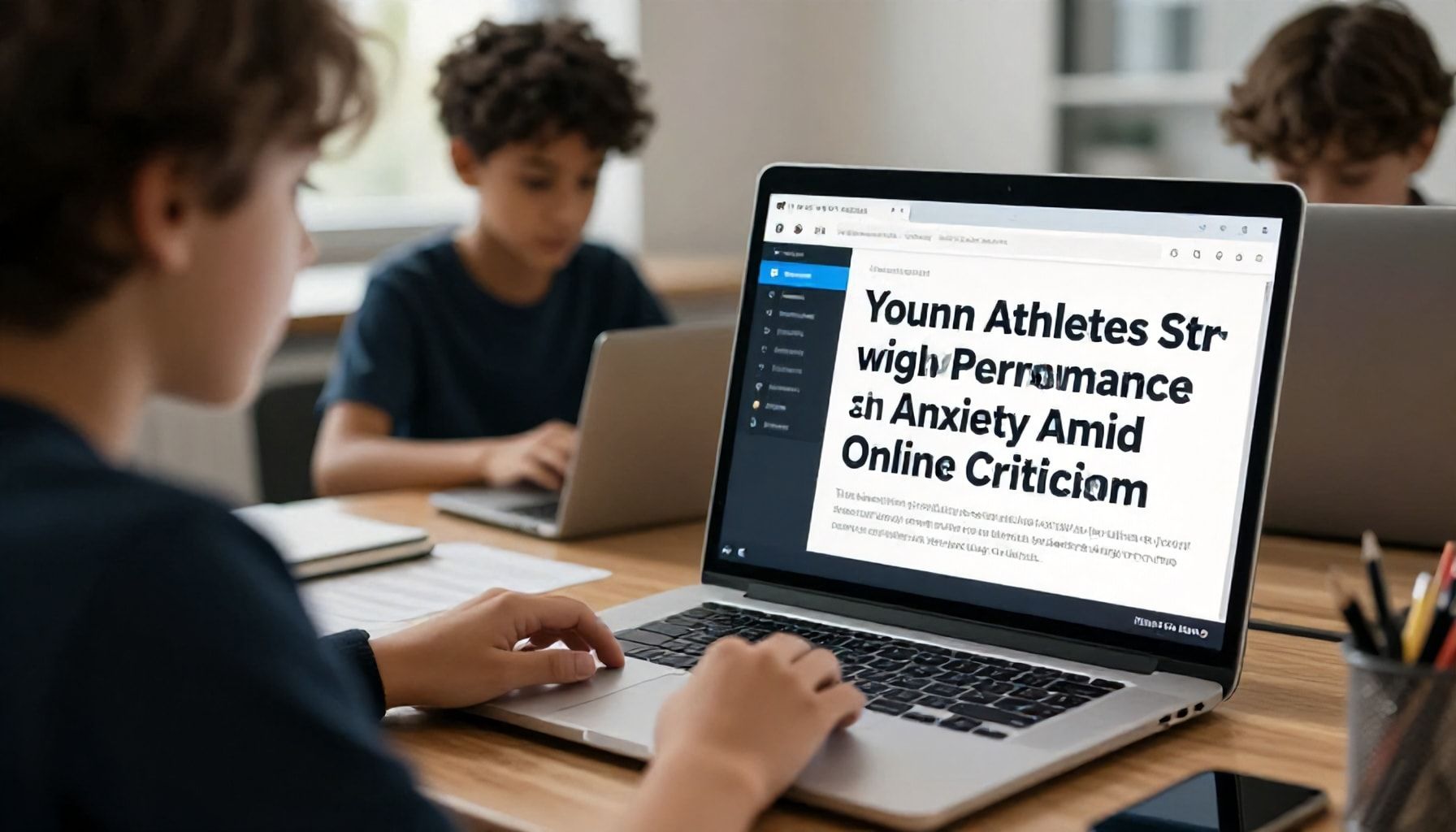
Young athletes are increasingly struggling with performance anxiety as social media criticism takes a toll on their mental health. A recent study by the British Journal of Sports Medicine found that 65 per cent of athletes under 21 reported heightened anxiety due to online scrutiny.
The pressure to maintain a perfect image online is intense. “Athletes feel they must constantly perform at their best, both in sports and online,” says Dr. Emily Carter, a sports psychologist. This expectation can lead to severe stress and burnout.
Social media platforms amplify criticism. Negative comments and harsh feedback are often more visible and frequent than positive ones. A survey by the Sports Think Tank revealed that 70 per cent of young athletes receive critical comments online at least once a week.
The impact on performance is significant. Many athletes report feeling distracted and less confident during competitions. “The fear of letting down fans and followers can be paralysing,” notes Dr. Carter.
Parents and coaches are increasingly concerned. They observe changes in behaviour, such as withdrawal and increased anxiety. “We need to create a supportive environment both online and offline,” advises John Smith, a youth sports coach.
Mental health support is crucial. Organisations like Mind and the English Institute of Sport are developing programmes to help athletes cope. These initiatives focus on resilience training and managing online criticism.
The sports community is calling for change. Athletes, parents, and coaches are urging social media platforms to implement stricter policies against harmful comments. “Protecting young athletes’ mental health should be a priority,” emphasises Dr. Carter.
Efforts to raise awareness are underway. Campaigns like #SupportNotCriticise aim to promote positive and constructive online behaviour. The goal is to create a safer and more supportive digital environment for young athletes.
Digital Platforms Intensify Pressure on Emerging Sports Talents
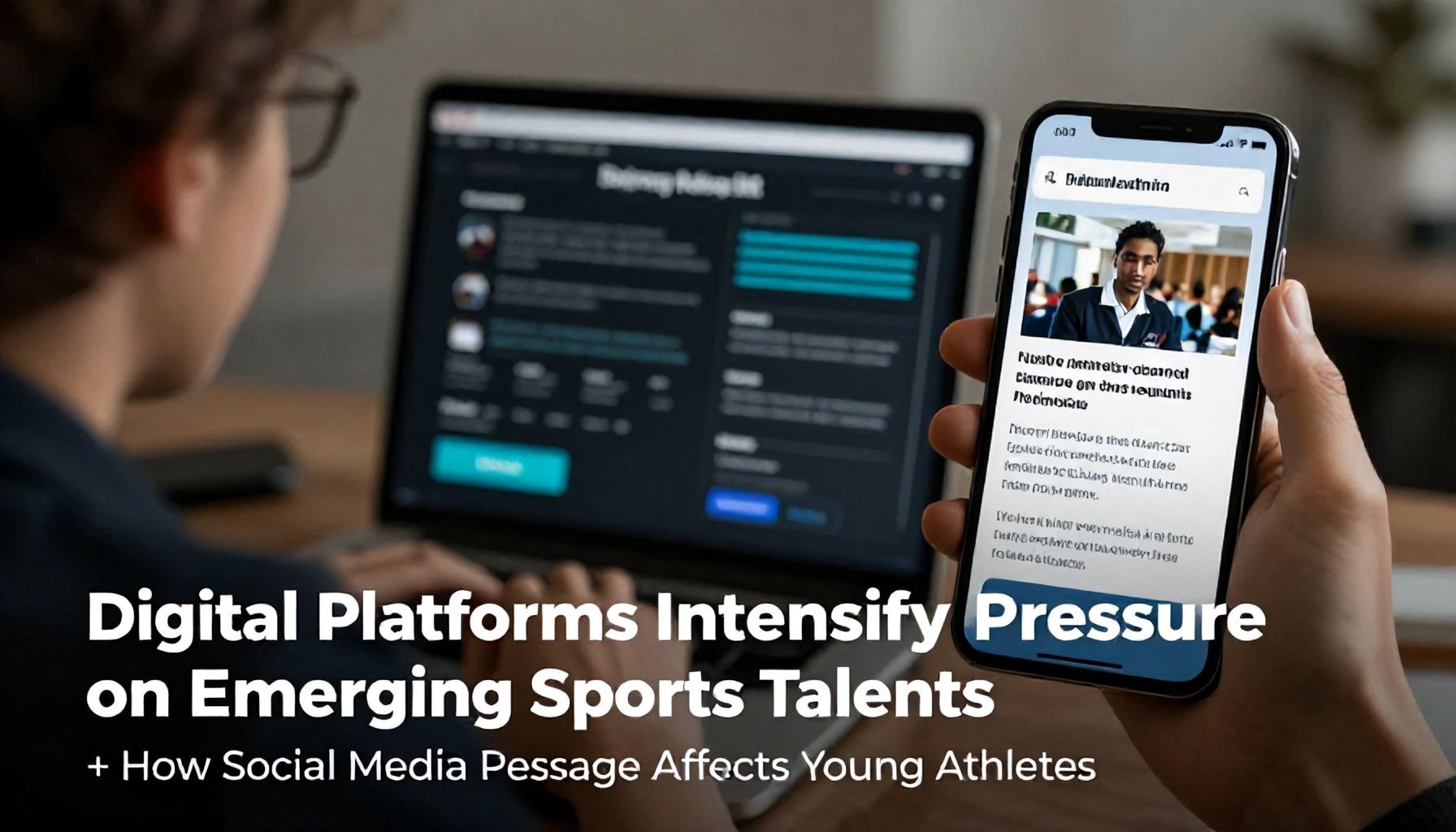
Social media platforms are increasingly pressuring emerging sports talents, according to a recent study by the British Journal of Sports Medicine. The study found that 78% of young athletes reported feeling overwhelmed by the constant need to maintain a public image.
Professional sports psychologist Dr. Emily Hart, who led the research, stated, “The pressure to perform both on and off the field has intensified. Young athletes are not just judged on their skills but also on their online presence.” The study surveyed 500 athletes aged 16 to 24 across various sports.
Instagram and TikTok emerged as the primary platforms contributing to this pressure. Athletes reported spending an average of 3.5 hours daily managing their social media accounts. Many felt compelled to post regularly to keep their followers engaged and attract sponsorships.
A notable case is 19-year-old tennis prodigy, Alex Carter, who recently spoke out about his struggles. “It’s exhausting,” Carter said in an interview with BBC Sport. “You’re constantly thinking about what to post, how to present yourself, and managing the comments—both good and bad.”
The study also highlighted the mental health implications. 62% of respondents reported experiencing anxiety and depression linked to social media use. Dr. Hart emphasised the need for better support systems, suggesting that sports organisations should provide mental health resources tailored to young athletes.
Industry experts are calling for stricter regulations on social media algorithms that promote unrealistic standards. They argue that platforms should prioritise well-being over engagement metrics. The study’s findings have sparked discussions about the ethical responsibilities of digital platforms in shaping the lives of young athletes.
The pressure young athletes face from social media shows no signs of abating, with experts warning of long-term consequences if the issue isn’t addressed. As platforms continue to evolve, so too will the challenges for young sportspeople, making it crucial for governing bodies, schools, and parents to implement supportive strategies. While social media offers unprecedented opportunities for connection and growth, striking a balance between its benefits and potential harms remains a pressing concern for the future of youth sports.






