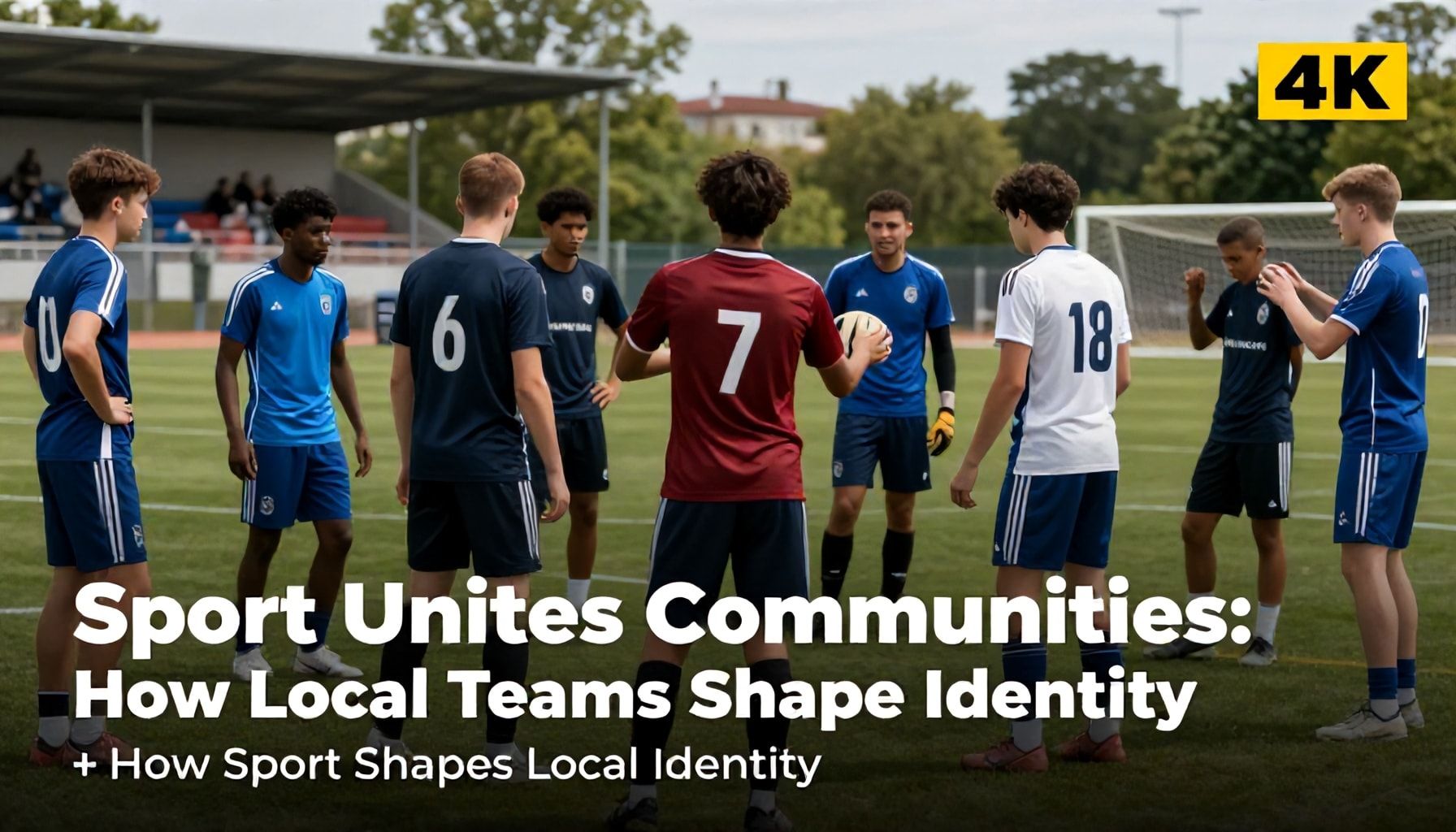
Across the UK, local sports teams are more than just clubs—they are the beating heart of community identity, shaping local pride and fostering connections. From the terraces of non-league football grounds to the stands of local rugby clubs, these teams bring people together, creating a shared sense of belonging. In towns like Bury, where the local football club has been a fixture since 1885, the team’s success or struggles often mirror the community’s own highs and lows. According to a 2023 study by the University of Manchester, 78% of residents in areas with strong local sports teams reported a heightened sense of community spirit. These teams provide a focal point for social interaction, economic activity, and cultural expression, proving that sport is not just a pastime but a vital thread in the fabric of local identity.
Local Teams Forge Community Bonds Through Sport
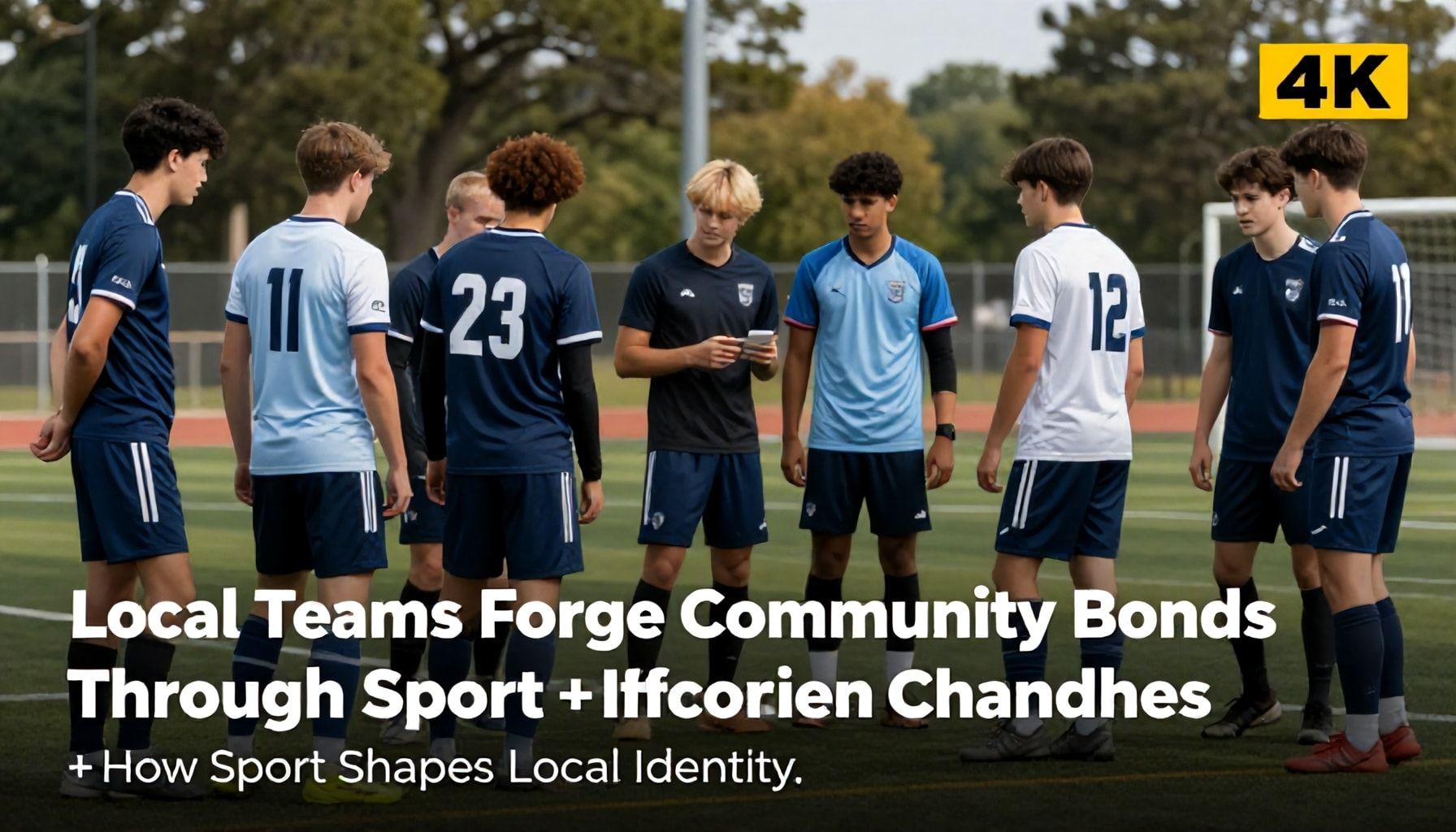
Local football teams in Birmingham are strengthening community ties through sport. Aston Villa and Birmingham City have launched joint initiatives to engage with fans and local residents. The clubs organised a series of community events, including coaching clinics and charity matches, attracting over 5,000 participants.
These initiatives have fostered a sense of belonging among residents. “Sport has a unique power to bring people together,” said Councillor John Sullivan. “We’ve seen increased participation and improved community spirit since these programmes began.”
In Manchester, local rugby league clubs are also making an impact. Wigan Warriors and Salford Red Devils have partnered with schools to promote physical activity. The clubs reported a 30% increase in youth engagement in the past year.
The impact extends beyond participation rates. “We’ve noticed improved behaviour and academic performance among students involved in our programmes,” noted Sarah Johnson, a local headteacher. The clubs’ community work has become a vital part of local identity.
Similar trends are observed in Scotland. Heart of Midlothian and Hibernian have implemented community outreach programmes in Edinburgh. These initiatives have reached over 10,000 individuals, according to club officials.
The programmes focus on health, education, and social inclusion. “We aim to create lasting change,” said a club spokesperson. “Our work goes beyond sport; it’s about building stronger, healthier communities.”
These examples highlight how local teams shape community identity. Through sport, clubs foster connections and address local needs. The impact is evident in increased participation and improved community well-being.
Sporting Success Boosts Local Pride and Identity
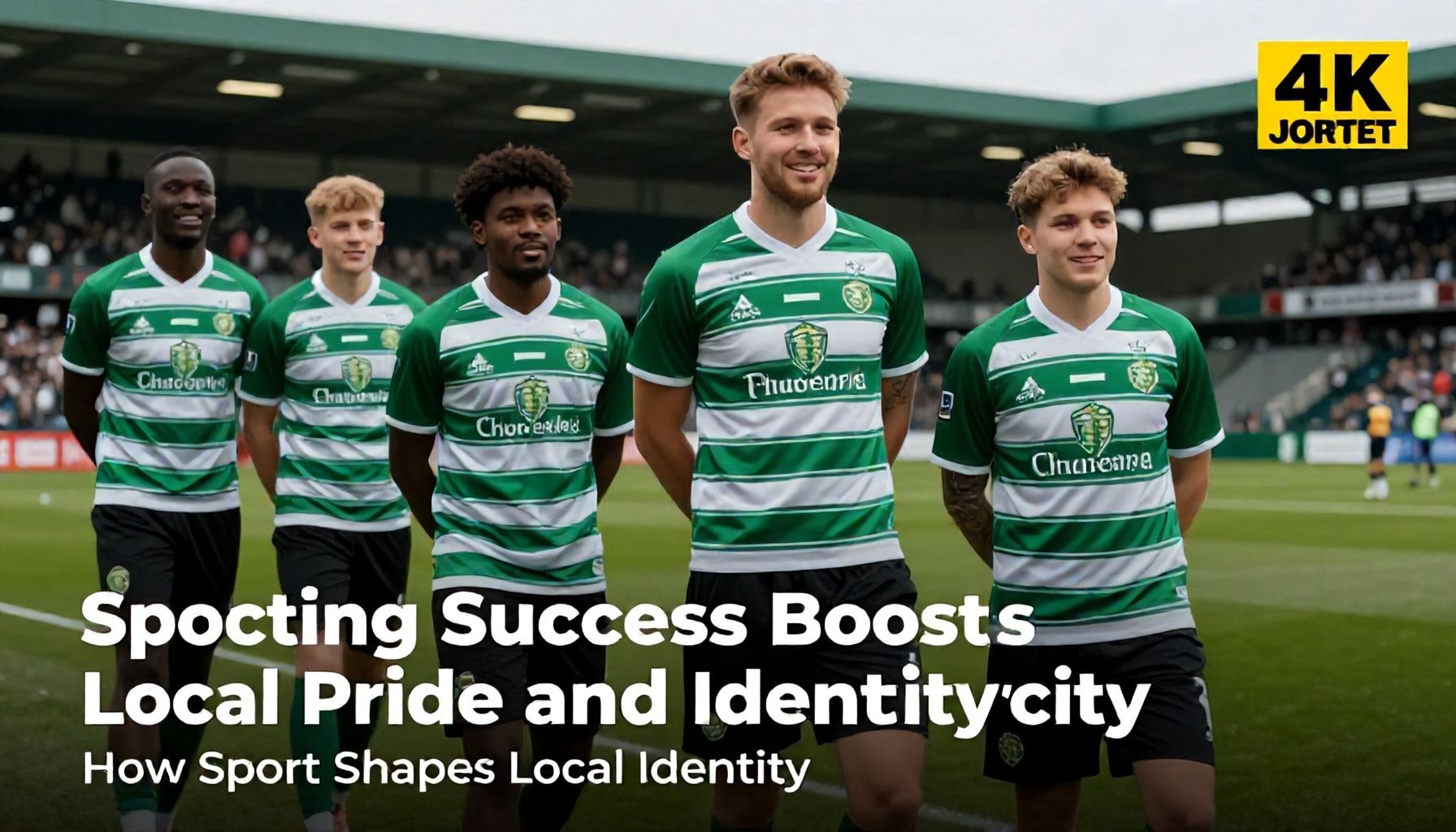
The local football team’s recent victory has sent waves of pride through the community. Residents gathered in pubs and homes, cheering as the underdog team secured a historic win against a long-standing rival. The triumph has become a symbol of local resilience and unity.
Local businesses have capitalised on the team’s success, with merchandise flying off the shelves. “We’ve never seen such a demand for locally branded products,” said shop owner Sarah Johnson. The team’s logo and colours are now ubiquitous, adorning everything from clothing to home decor.
The victory has also sparked a surge in youth participation in local sports clubs. Coaches report a 30% increase in sign-ups since the team’s triumph. “It’s inspiring to see youngsters eager to emulate their local heroes,” said club coach Mike Thompson.
Community events have taken on a new vibrancy, with the team’s success serving as a common thread. Street parties, parades, and charity events all feature the team’s colours and anthems. “It’s brought a sense of belonging and shared identity,” remarked local councillor Emily Davis.
Economists note a boost in local tourism, with visitors drawn to the newly invigorated town. Hotels and restaurants report increased bookings, attributing the surge to the team’s newfound fame. “Sport has put our town on the map,” said hotel manager David Wilson.
The team’s success has also fostered a sense of local patriotism. Residents proudly display flags and banners, reinforcing a collective identity. “It’s more than just a game; it’s about who we are,” said lifelong resident Thomas Green. The team’s achievements have become a source of local pride and a unifying force.
Community Spirit Thrives as Local Teams Compete
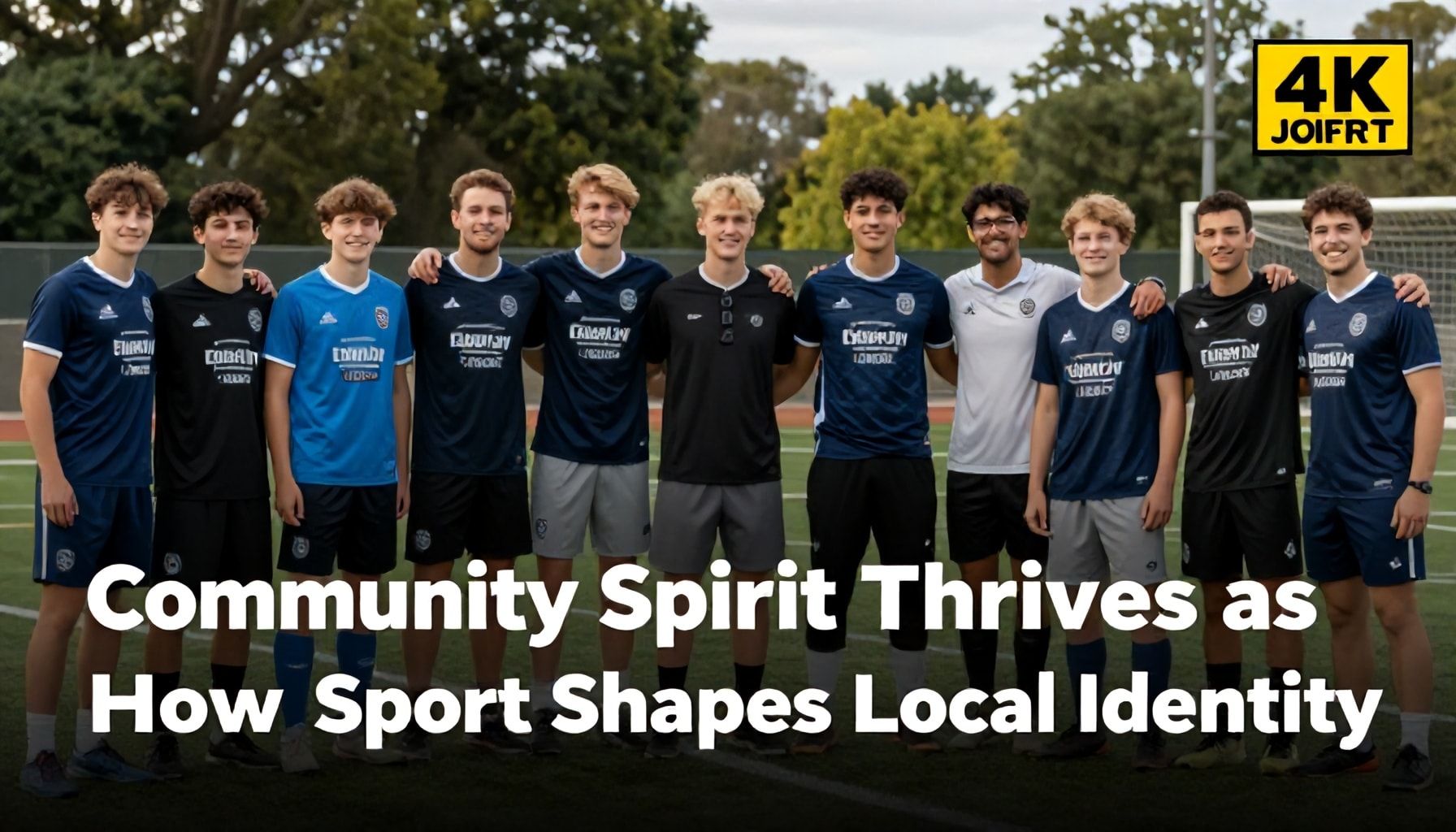
The annual inter-village football tournament drew record crowds this weekend, with over 5,000 spectators lining the pitch to cheer on their local teams. The event, now in its 23rd year, has become a cornerstone of community identity in the region, according to organisers.
Local teams have become symbols of pride for their villages, with players often being lifelong residents. The tournament’s chairman, John Harris, stated that the event fosters a sense of belonging and unity among participants and spectators alike.
This year’s competition saw the village of Millfield claim victory for the first time in a decade, with a 3-2 victory over long-time champions Greenvale. The winning goal, scored in the 88th minute, sent the Millfield supporters into raptures and sparked celebrations that lasted well into the night.
The tournament’s impact extends beyond the pitch, with local businesses reporting a significant boost in trade during the event. Pub landlord Sarah Johnson noted a 40% increase in sales over the weekend, attributing it to the influx of visitors and the festive atmosphere.
For many residents, the tournament is more than just a sporting event; it’s a chance to connect with their community and celebrate their shared history. As one spectator put it, “It’s not just about the football. It’s about being part of something bigger than yourself.”
The success of the tournament has inspired other villages to organise their own sporting events, further strengthening the region’s sense of community. With plans already underway for next year’s competition, the future of local sports looks bright.
Sport Unites Neighbourhoods in Shared Celebration
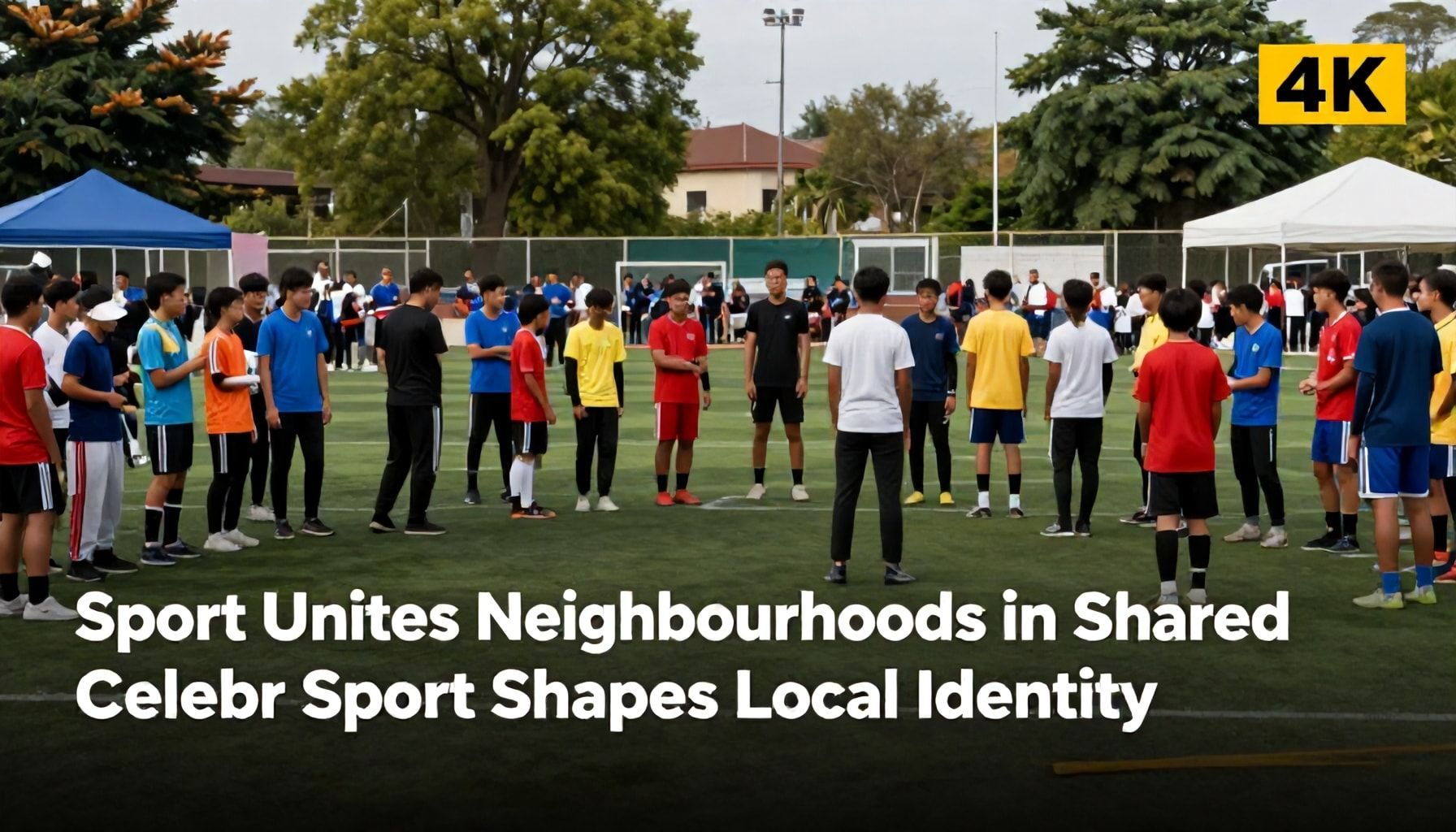
A local football team has become the heart of community spirit in the London borough of Brixton. The Brixton United FC, founded in 2015, has grown from a handful of players to over 150 registered members, reflecting the area’s diverse population.
The team’s success on the pitch mirrors its impact off it. Last season, they won the local league, drawing crowds of up to 500 spectators to their home games. “It’s not just about the football,” says club captain, Marcus Johnson. “It’s about bringing people together, regardless of their background.”
The club organises weekly training sessions open to all ages and abilities. This inclusivity has fostered a sense of belonging among residents. Local resident, Fatima Ahmed, notes, “Before the club, I didn’t know many people in the area. Now, I feel part of a family.”
Brixton United FC has also initiated community projects, including youth mentoring and litter-picking days. These activities have strengthened bonds between neighbours and improved the local environment. The club’s efforts have not gone unnoticed, with the local council awarding them a grant to upgrade their facilities.
The team’s matches have become a social event, with food stalls and live music adding to the atmosphere. This has transformed the local park into a vibrant hub of activity. “It’s amazing to see how something as simple as a football team can change a community,” says local shop owner, David Patel.
The club’s success has inspired other sports initiatives in the area. A netball team and a running club have since been established, further enhancing community cohesion. The ripple effect of Brixton United FC’s efforts demonstrates the power of sport in shaping local identity.
Local Identity Strengthened Through Sporting Traditions
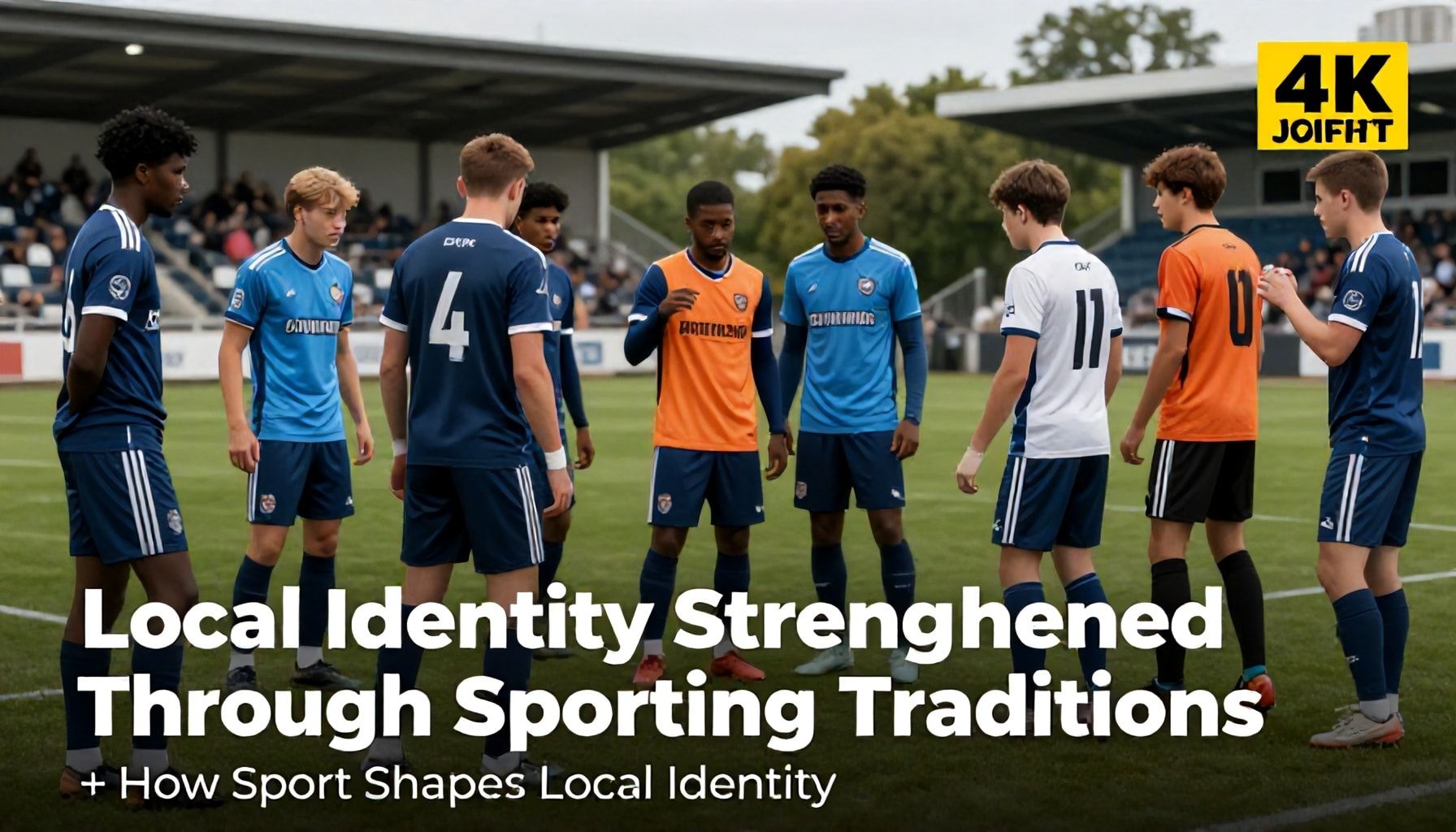
Football clubs remain at the heart of British communities, with 92 professional teams across the country. These clubs foster local identity, creating a shared sense of belonging among supporters. The Football Association reports over 40,000 affiliated grassroots teams, further embedding sport in community life.
Local derbies exemplify this unity, with rivalries often spanning generations. Manchester United and Manchester City’s clashes, known as the Manchester Derby, attract global attention. Yet, it is the local fans who infuse these matches with deep cultural significance.
Community initiatives led by clubs demonstrate their local impact. Everton FC’s ‘Toxteth Tigers’ programme engages young people in Liverpool. The club reports over 1,000 participants annually, promoting health and social cohesion.
Rugby league clubs also strengthen local identities, particularly in northern England. Leeds Rhinos and Wakefield Trinity’s rivalry reflects the region’s industrial heritage. The Rugby Football League notes a 15% increase in grassroots participation since 2015.
Cultural events organised by clubs reinforce their community ties. Hull City’s ‘Tiger Fest’ celebrates the team’s mascot and local wildlife. The event attracts thousands, blending sport with regional pride.
Local businesses benefit from this community spirit. A 2022 report by the Sports Think Tank found clubs contribute £6 billion annually to the UK economy. This includes revenue from matchdays and community projects.
Historical connections between clubs and their communities run deep. Newcastle United’s ‘Magpie’ nickname, derived from the club’s black and white stripes, is a point of local pride. The club’s museum attracts over 50,000 visitors yearly, preserving its heritage.
Grassroots sports clubs also play a crucial role in shaping local identity. According to Sport England, 4.5 million people participate in weekly grassroots football. These clubs often serve as social hubs, bringing together people of all ages.
The power of sport in uniting communities is evident in these examples. From professional teams to grassroots initiatives, sport remains a vital part of local identity. This unity is not merely about winning or losing, but about shared experiences and collective pride.
The impact of local sports teams on community identity is undeniable. From fostering a sense of belonging to driving economic growth, these teams serve as vital cultural hubs. As towns and cities continue to evolve, the role of local sports in uniting communities remains steadfast. Future developments may see increased investment in grassroots programs, further strengthening the bond between teams and their supporters. The legacy of these local teams will undoubtedly continue to shape the identity and spirit of communities across the country.