
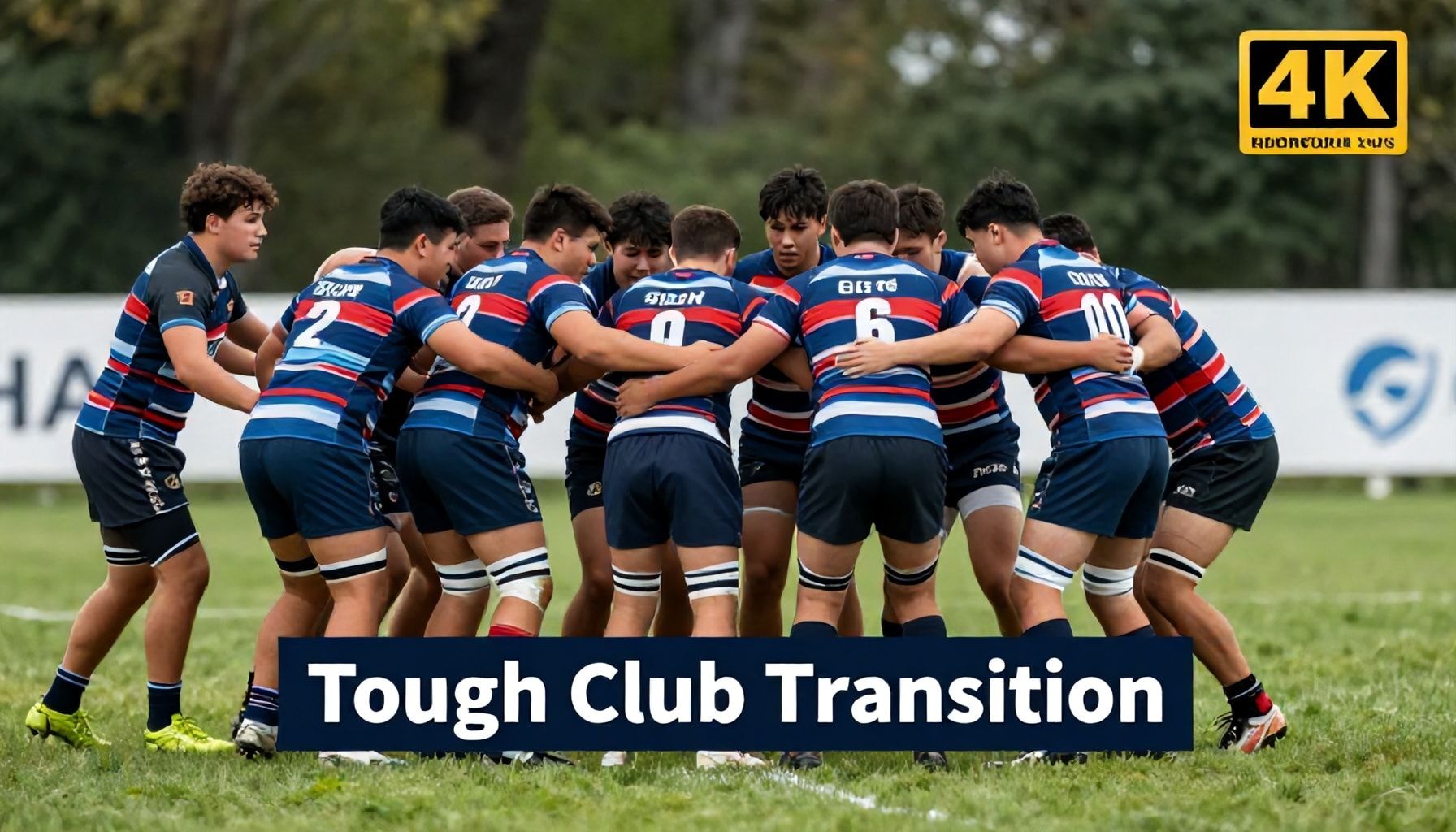
British student rugby players are facing significant challenges as they transition to senior club rugby, with many struggling to adapt to the physical and tactical demands of the higher level. The issue, highlighted by the Rugby Players’ Association (RPA) and several former student players, has seen a notable drop-off in performance and confidence among recent graduates making the switch. The problem is particularly acute in the first year post-graduation, with clubs reporting that up to 40% of new recruits from university teams require extensive additional training to meet senior team standards. The RPA has identified the key factors as the increased intensity of training, the tactical sophistication of senior rugby, and the psychological adjustment to a more professional environment. The situation has prompted calls for better support systems to bridge the gap between student and club rugby.
Student Rugby Players Struggle with Club Transition
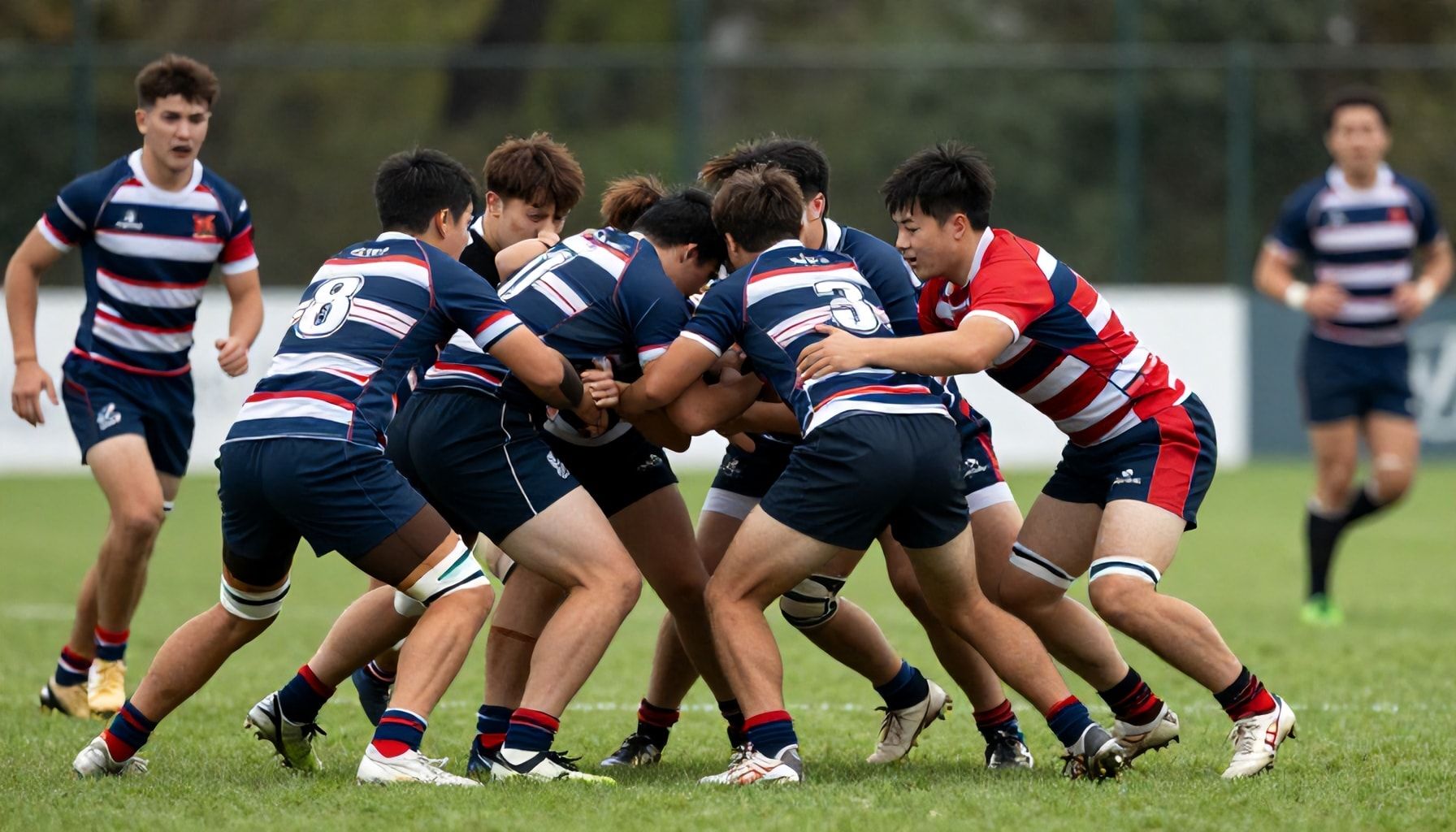
The transition from student rugby to club rugby presents significant challenges for many players. According to a recent survey by the Rugby Players’ Association, 68% of former student players report difficulties adapting to the physical and tactical demands of club rugby.
The physical intensity of club rugby often comes as a shock. “The pace is relentless,” says former university player James Carter, now with local club side Harrow. “In student rugby, you might get a breather, but at this level, it’s non-stop.”
Tactical differences also pose problems. Club rugby tends to be more structured, with set plays and stricter positional roles. “At university, we were more fluid,” explains Sarah Bennett, who made the switch to Richmond Women’s RFC. “Here, everyone has a specific job.”
The social aspect can be challenging too. Club rugby often requires more commitment, with training sessions and matches scheduled around work or other responsibilities. “It’s a big adjustment,” notes club captain Mark Thompson. “You’re no longer part of a close-knit student community.”
Financial considerations add another layer of complexity. Many clubs require players to cover their own travel and kit expenses, a stark contrast to the subsidised environment of university rugby. “It’s a reality check,” admits former student player Emma Wilson.
Despite these challenges, many players successfully make the transition. Clubs and former student players alike emphasise the importance of patience, adaptability, and a willingness to learn.
Challenges Arise as Student Rugby Players Move to Clubs
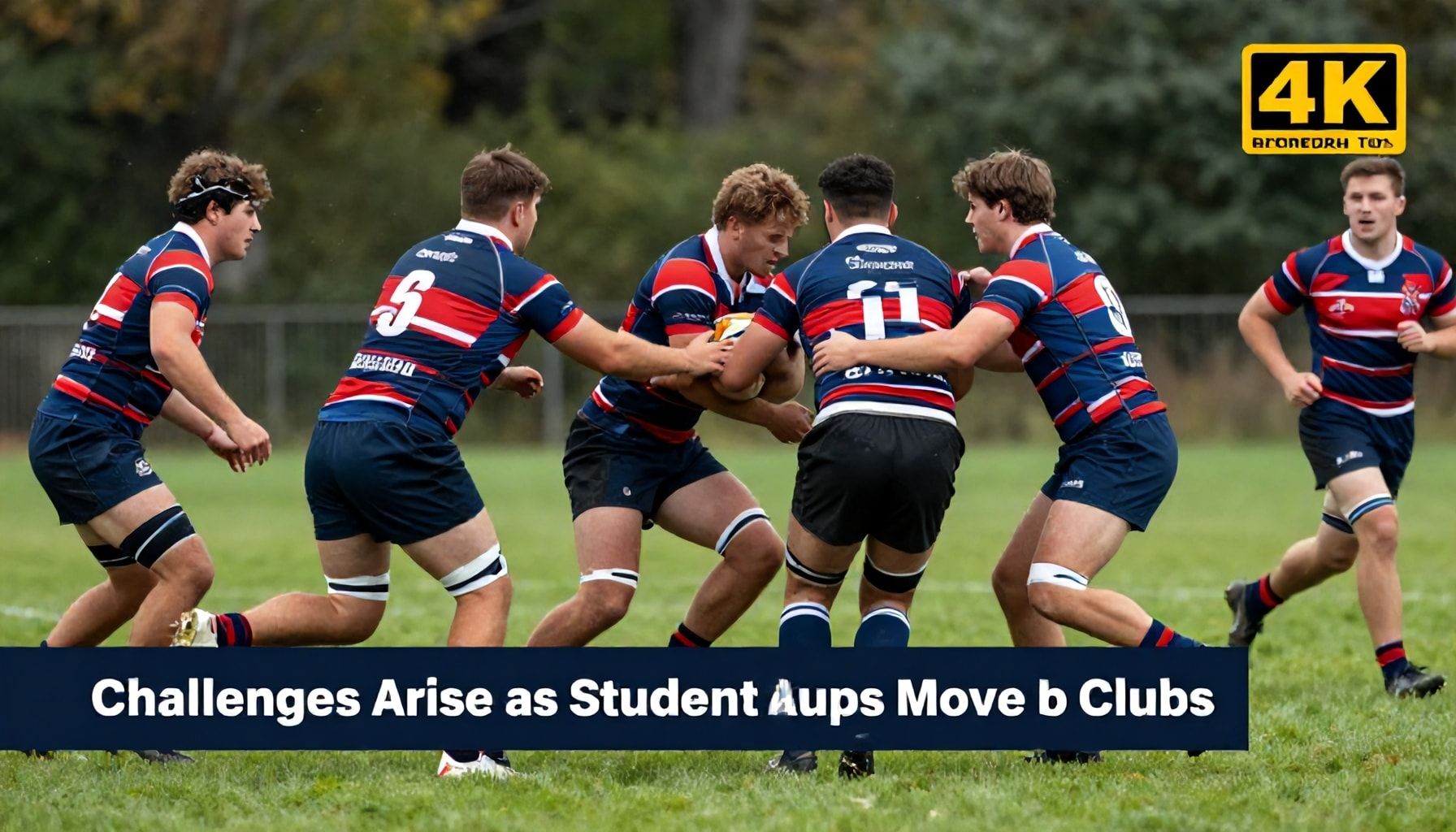
The transition from student rugby to professional clubs presents significant challenges for many young players. According to a recent survey by the Rugby Players’ Association, over 60% of former student players report difficulties adapting to the physical and tactical demands of professional rugby.
One major hurdle is the increased intensity of training and competition at the club level. “The pace is relentless,” says former student player and now club coach, Jamie Reynolds. “Players need to quickly adapt to higher training loads and more frequent matches.”
Financial pressures also play a role. Many student players receive scholarships, while professional clubs offer salaries that can vary widely. “The financial aspect can be a shock,” notes sports economist Dr. Sarah Bennett. “Players must manage their earnings carefully, especially in the lower leagues.”
Additionally, the social dynamics differ greatly between student and professional environments. “Club rugby is more insular,” explains psychologist Dr. David Harris. “Players must navigate new team cultures and establish themselves in a more competitive setting.”
Some players struggle with the transition due to injuries sustained during their student years. “Previous injuries can limit a player’s opportunities at the club level,” says sports medicine specialist Dr. Emily Carter. “Rehabilitation and conditioning become critical.”
Despite these challenges, many players successfully make the transition. “It’s about resilience and adaptability,” says Reynolds. “Those who thrive are often those who seek support and continuously improve their skills.”
The Harsh Reality of Transitioning from Student Rugby to Club Rugby
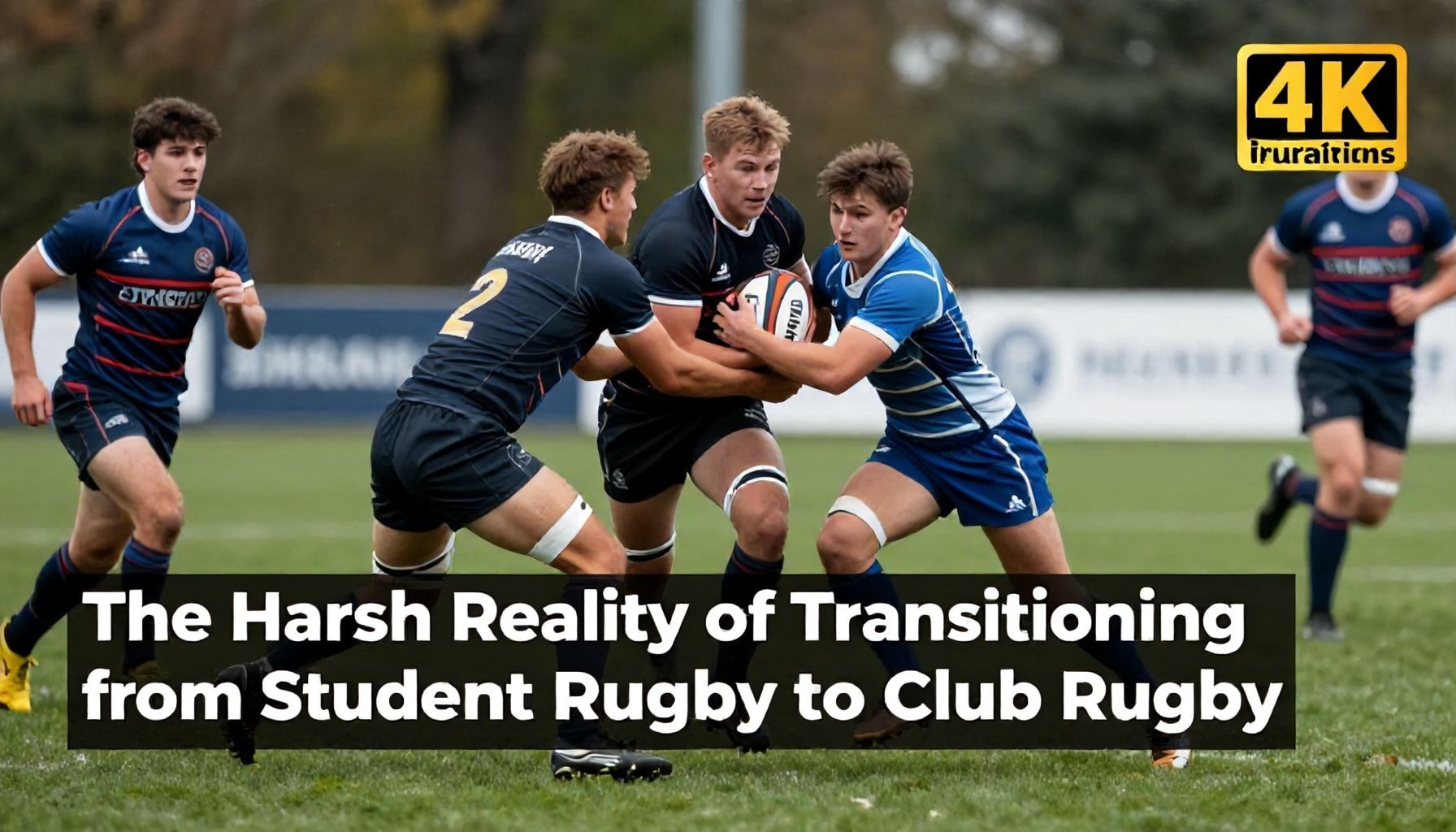
The transition from student rugby to club rugby presents significant challenges for many players. According to a recent survey by the Rugby Players’ Association, 68% of former student players reported difficulties adapting to the physical and tactical demands of club rugby.
The physical intensity of club rugby often comes as a shock. “The speed and power of the game at this level is vastly different,” says former student player James Carter, who now plays for a local club. “It’s not just about raw strength; it’s about endurance and tactical awareness.”
Tactical differences also pose hurdles. Club rugby tends to be more structured and strategic compared to the more fluid and spontaneous nature of student rugby. “The set pieces and game plans are much more intricate,” notes Sarah Jenkins, a former university player now coaching at a club level.
Financial aspects add another layer of complexity. Many clubs require players to cover their own expenses, unlike university teams which often have institutional support. “The cost of travel, equipment, and sometimes even membership fees can be a significant burden,” explains club captain Mike Thompson.
Mental health concerns are also prevalent. The pressure to perform at a higher level, coupled with the loss of the supportive university environment, can take a toll. “It’s a big adjustment,” admits former student player Emma Wilson. “You’re suddenly responsible for your own development and performance.”
Despite these challenges, many players successfully make the transition. They often cite the importance of finding a supportive club environment and maintaining a strong work ethic. “It’s about finding the right fit and being willing to put in the work,” says club coach David Harris.
Student Rugby Players Find Club Transition Tougher Than Expected
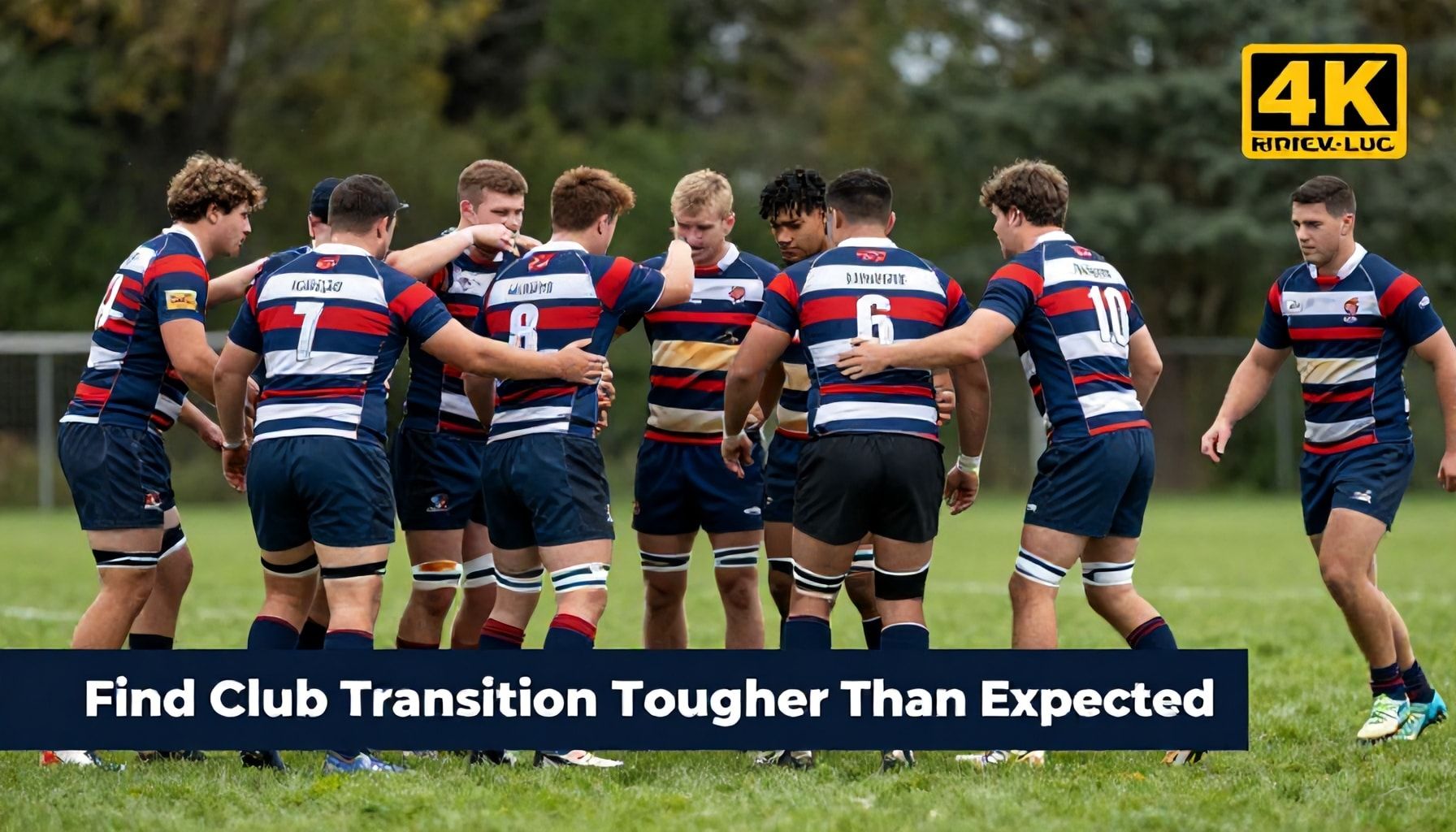
Student rugby players are finding the transition to club rugby more challenging than anticipated. Many struggle with the physical and tactical differences between the two levels of play. The Rugby Players’ Association (RPA) reports a significant increase in players seeking support during this transition phase.
A survey conducted by the RPA revealed that 68% of former student players experienced difficulties adapting to club rugby. The survey, which polled 200 players, highlighted issues such as increased physicality and the need for greater tactical awareness. The findings were published in the RPA’s annual report last month.
Former student players often find the pace of club rugby slower but more physical. “The game is more stop-start, and there’s a greater emphasis on set pieces,” said Tom Johnson, a recent graduate now playing for a local club. Johnson noted that the tactical nuances of club rugby took time to grasp.
The RPA has launched initiatives to support players making the transition. These include workshops on tactical awareness and physical conditioning. The association also provides mental health support to help players cope with the challenges.
Experts attribute the difficulties to the differing structures of student and club rugby. Student rugby often focuses on fast-paced, open play, while club rugby emphasises set pieces and structured phases. This shift can be jarring for many players.
The RPA’s initiatives aim to bridge this gap and ensure a smoother transition. The association hopes to see more players successfully adapting to club rugby in the coming years. The support programmes are part of a broader effort to improve player welfare and development.
Club Rugby Presents New Hurdles for Former Student Players
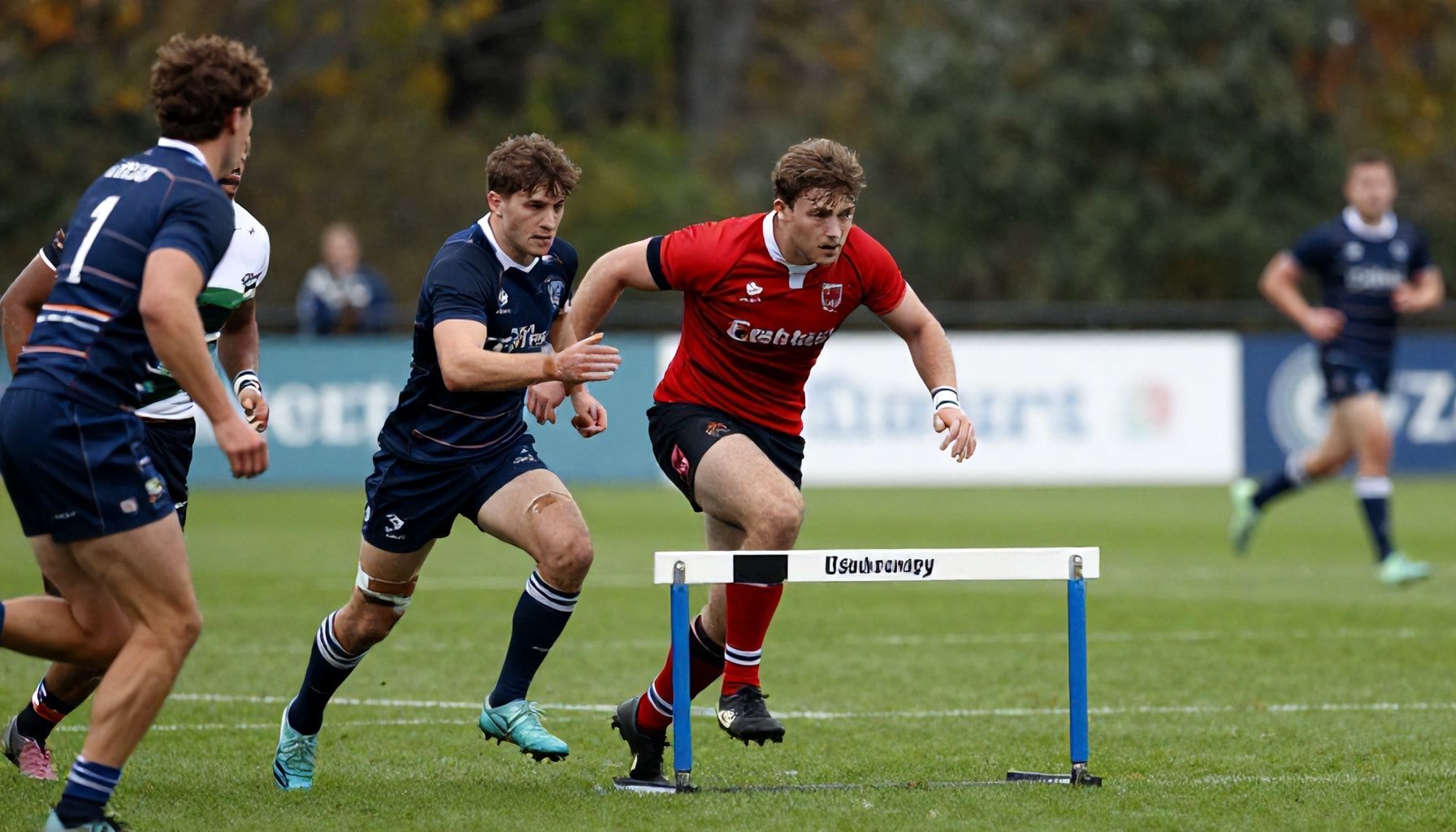
Former student rugby players face significant challenges when transitioning to club rugby, according to recent reports. The shift from structured university environments to the more demanding club scene presents hurdles that many players struggle to overcome. A survey conducted by the Rugby Players’ Association revealed that 68% of former student players found the transition difficult, citing increased physical demands and financial pressures as key issues.
The physical intensity of club rugby often catches former student players off guard. Club teams typically train more frequently and with greater intensity than university sides. “The pace and physicality at the club level is a step up from what most players experience in university rugby,” said a spokesperson for the Rugby Union. This increased workload can lead to higher injury rates and burnout among new club players.
Financial pressures also play a significant role in the transition. Many club teams require players to cover their own travel and equipment costs, which can be a significant burden. “The financial aspect is something that many players don’t anticipate,” noted a former university player now playing for a local club. This financial strain can deter talented players from continuing their rugby careers at the club level.
Additionally, the social dynamics of club rugby can be challenging. University rugby often fosters a strong sense of camaraderie among teammates, whereas club teams may lack the same level of cohesion. “The social aspect is different,” said another former student player. “You have to build new relationships and find your place within the team.”
Despite these challenges, many former student players successfully make the transition to club rugby. They often bring valuable skills and experience from their university days, which can benefit their new teams. However, the journey is not without its obstacles, and players must be prepared to adapt and overcome these hurdles to thrive in the club environment.
As the academic year draws to a close, student rugby players across the UK are preparing for the challenging transition to senior club rugby. With the final exams over, many are now focusing on securing their places in club teams, a process that often requires proving their physical fitness, technical skills, and understanding of the game. The transition is not just about adapting to a higher level of play but also navigating the social and cultural differences between university and club environments. While some may struggle initially, the experience ultimately helps players mature both on and off the field. As the new season approaches, clubs are keeping a close eye on these promising talents, hoping to integrate them successfully into their teams.






