
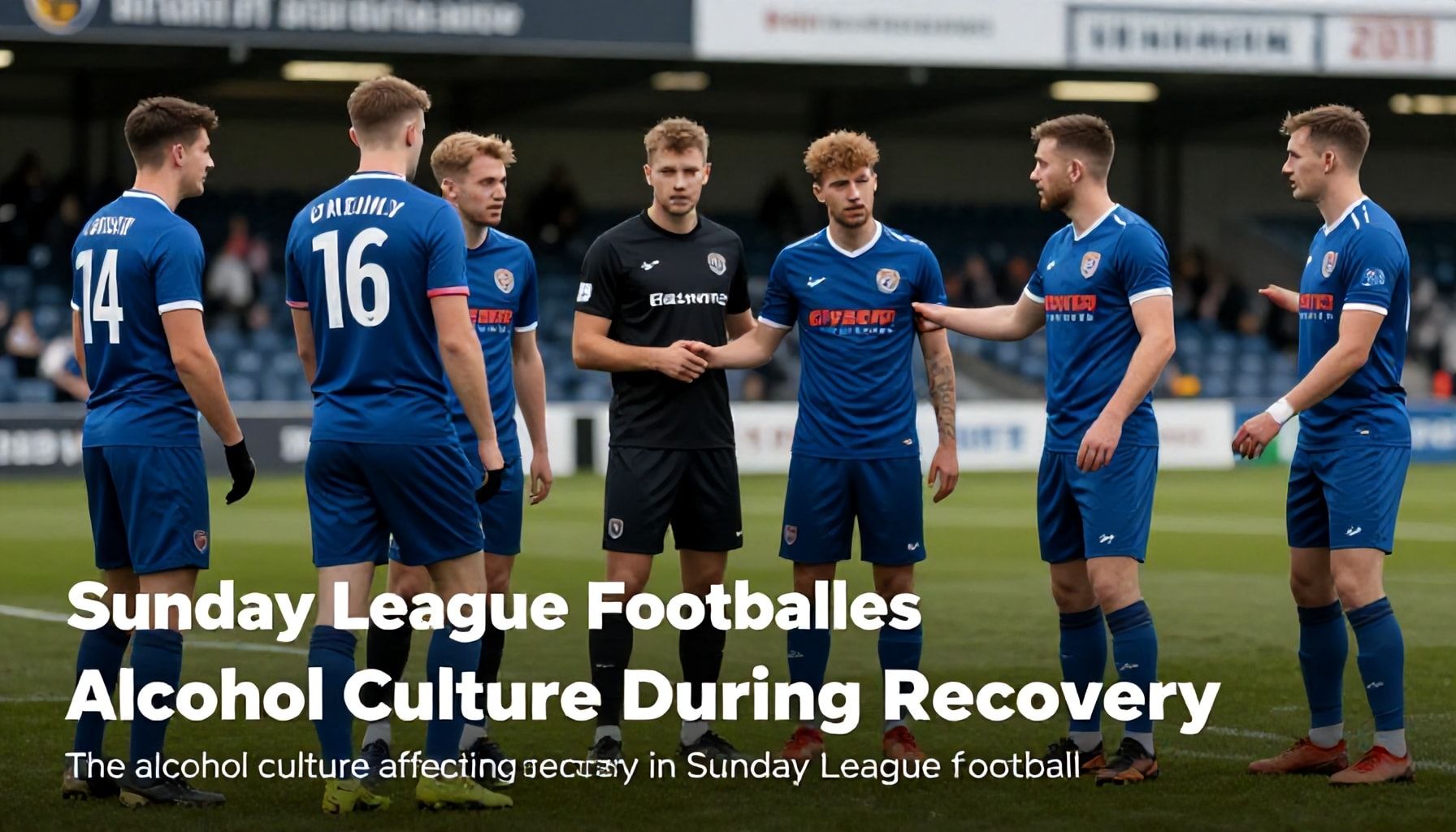
Sunday League footballers across the UK are grappling with the pervasive alcohol culture within their teams, which is hindering their recovery and performance. The issue, highlighted by the charity Sport in Mind, affects an estimated 1.2 million amateur players who regularly consume alcohol as part of team traditions, despite the negative impact on their fitness and mental health.
The problem is particularly prevalent in post-match socials, where players often consume excessive amounts of alcohol, leading to dehydration, poor sleep, and slower recovery times. Despite growing awareness of the benefits of sobriety for athletic performance, many players feel pressured to conform to the drinking culture, with some reporting that refusing alcohol can lead to exclusion or ridicule. The charity is calling for a shift in attitudes and the introduction of alternative social activities to support players’ well-being.
Sunday League Footballers Confront Alcohol Culture During Recovery
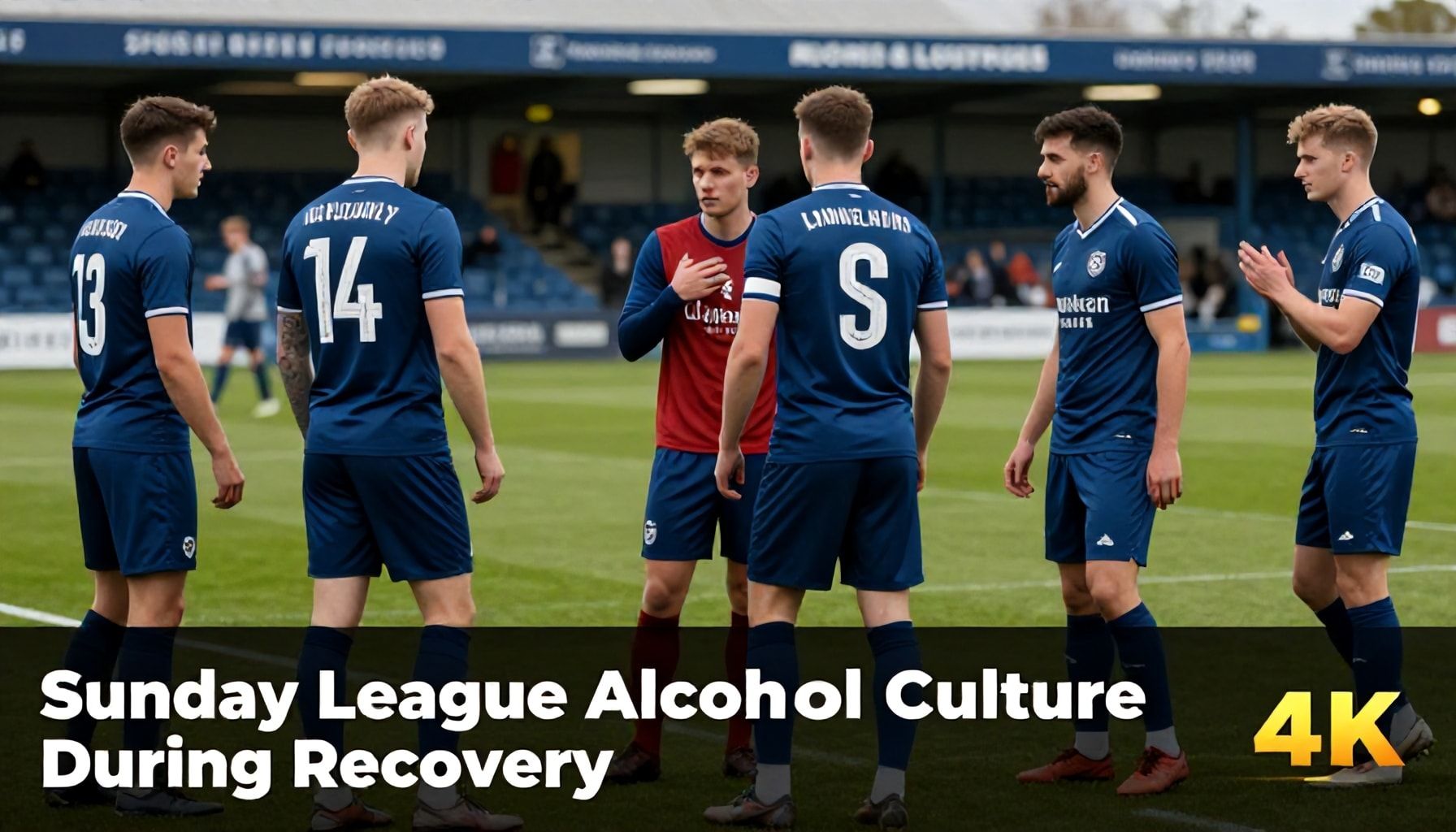
Sunday League footballers face significant challenges when attempting to recover from injuries while navigating the prevalent alcohol culture within their teams. Many players report pressure to drink as part of team bonding, which complicates their rehabilitation processes.
A recent survey conducted by the Sunday League Association found that 68% of respondents felt compelled to consume alcohol during social events, even when recovering from injuries. This cultural expectation often leads to delayed healing and increased risk of reinjury.
Team captains and senior players play a crucial role in perpetuating this culture. “It’s part of the team spirit,” said one captain, who wished to remain anonymous. However, this mindset can be detrimental to players’ recovery and overall well-being.
Injured players often find themselves isolated from team activities due to their inability to participate in drinking sessions. This isolation can negatively impact their mental health and sense of belonging within the team.
Some leagues are beginning to recognise the issue and implement changes. The East London Sunday League has introduced alcohol-free social events to accommodate recovering players. “We want everyone to feel included, regardless of their recovery status,” said league organiser, Sarah Johnson.
Despite these efforts, the deep-rooted alcohol culture in Sunday League football presents a significant barrier to recovery. Players, teams, and leagues must work together to foster an inclusive environment that supports all members, injured or not.
The Struggle to Stay Sober in Sunday League Football
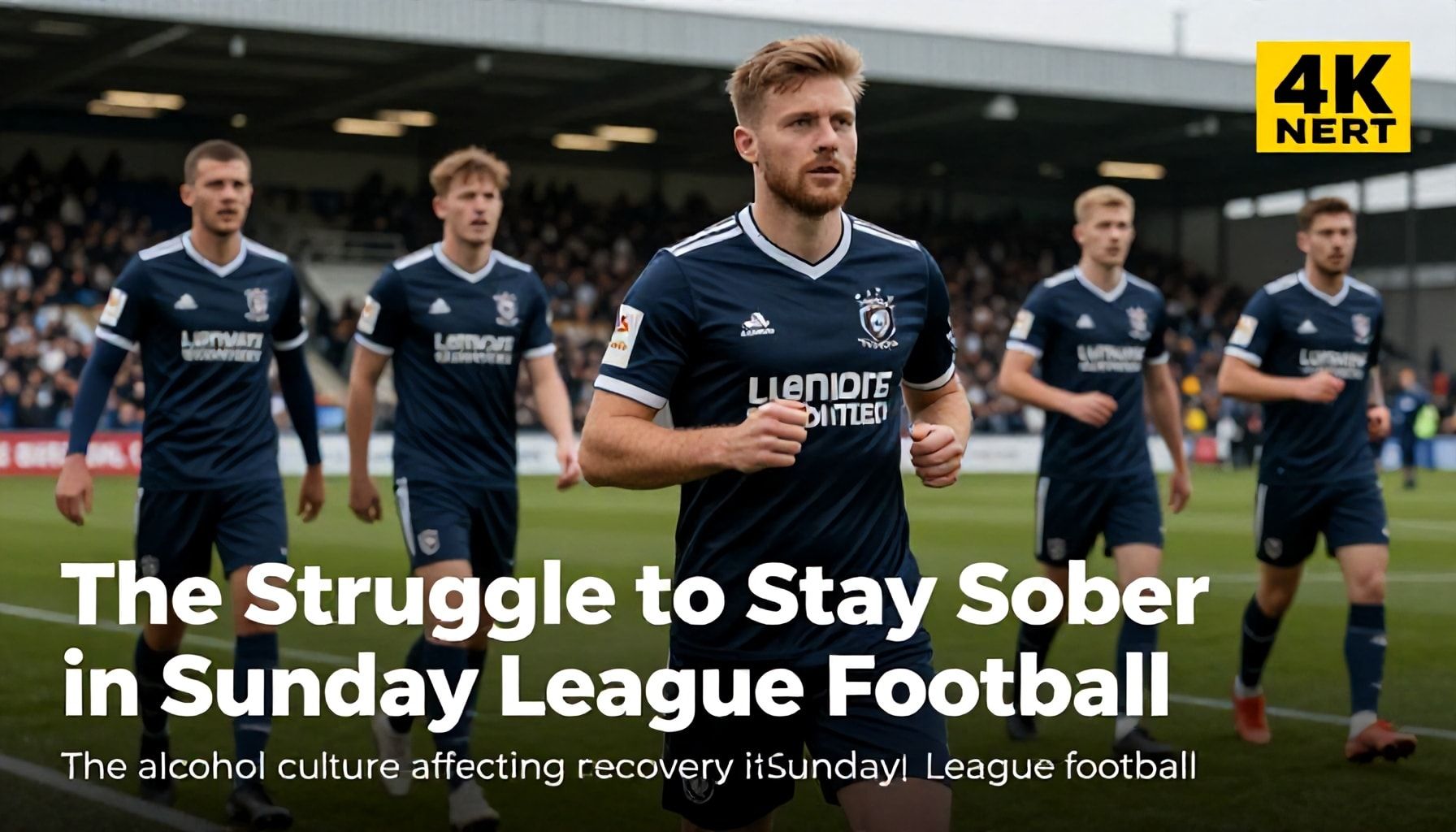
Sunday League footballers battling alcohol addiction face an uphill struggle due to the pervasive drinking culture within the amateur game. Many players report feeling pressured to drink after matches, with alcohol often serving as a central part of team bonding and post-game rituals.
A recent survey by the charity Addiction Recovery Network found that 68% of recovering addicts playing in Sunday Leagues felt tempted to relapse due to the drinking environment. “It’s everywhere,” said one recovering alcoholic, who wished to remain anonymous. “You finish the game, and the first thing everyone does is head to the pub.”
Clubhouse culture exacerbates the problem, with many teams using pubs as their official meeting points. This makes it difficult for recovering players to avoid alcohol altogether. Some players have reported feeling isolated or ostracised when refusing to partake in drinking activities.
Efforts to address the issue are underway, with some leagues promoting alcohol-free social events. However, progress remains slow. “It’s a tough environment to change,” admitted John Smith, a league organiser. “But we’re working on it.”
Despite the challenges, some players have found support within their teams. Peer support groups and open conversations about addiction are gradually becoming more common. Yet, the road to recovery in Sunday League football remains fraught with obstacles.
Alcohol Culture Challenges Recovery Efforts in Amateur Football
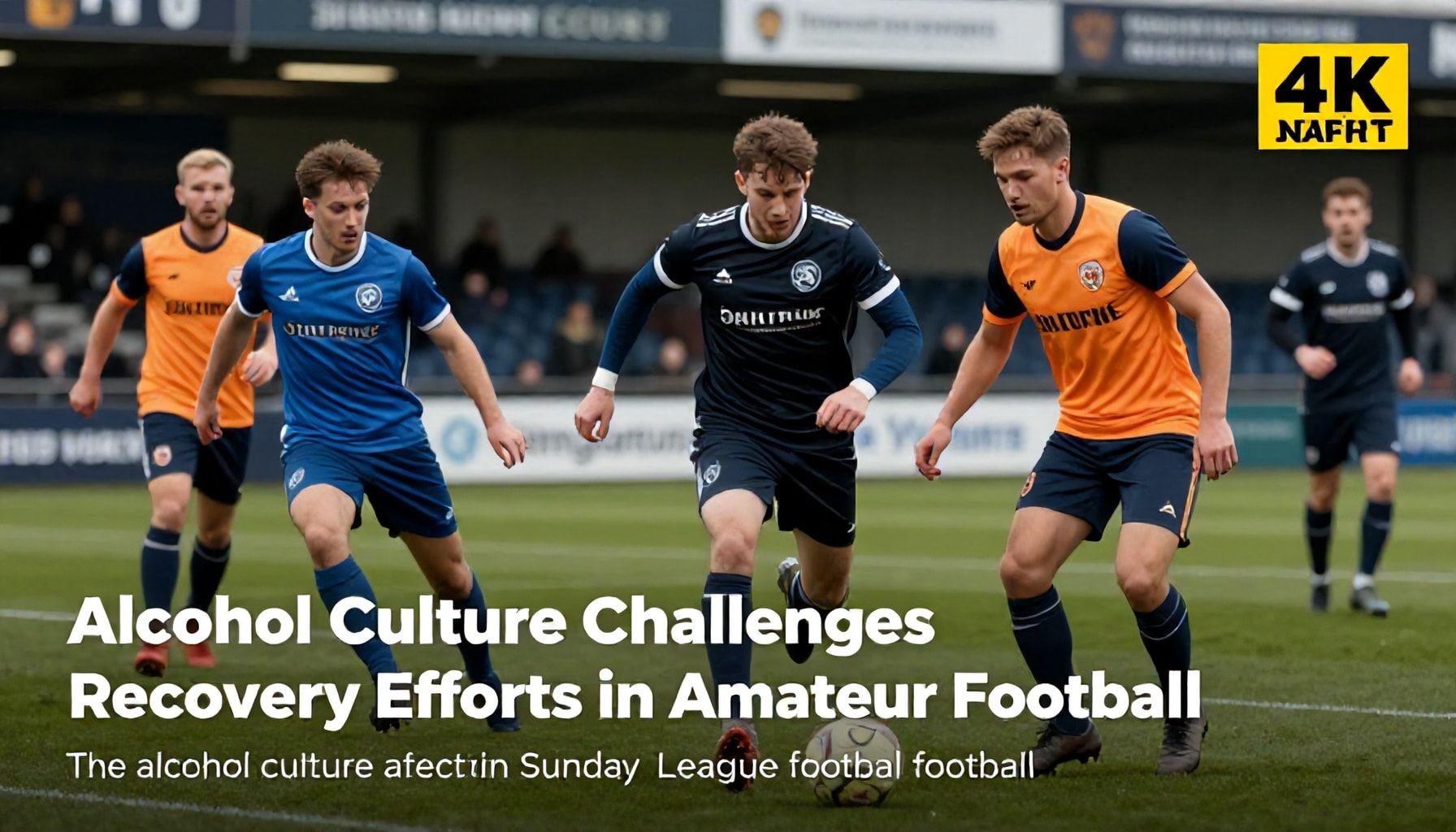
The prevalence of alcohol in amateur football culture is hindering recovery efforts among Sunday League players. A recent survey by the Amateur Football Association revealed that 68% of players consume alcohol within 24 hours of a match, despite guidelines recommending at least 48 hours of abstinence for optimal recovery.
Club captains and team managers acknowledge the issue. “It’s a social norm,” said one league organiser who asked to remain anonymous. “After-match drinks are often seen as a reward, but they’re actually undermining our players’ performance and recovery.”
The problem is particularly acute among older players. Research from the University of Birmingham shows that players aged 30 and above take longer to recover from injuries and fatigue, yet this demographic is most likely to engage in post-match drinking.
Some clubs are attempting to change the culture. “We’ve started organising non-alcoholic social events,” said Sarah Johnson, secretary of the Greenford Sunday League. “It’s a slow process, but we’re seeing a shift in attitudes.”
However, the industry still faces significant challenges. The availability of cheap alcohol at many football clubs and the lack of alternative social activities are major barriers to change. Without a cultural shift, recovery efforts among amateur footballers will continue to be hampered.
Sunday League Players Battle Alcohol Dependence During Rehabilitation
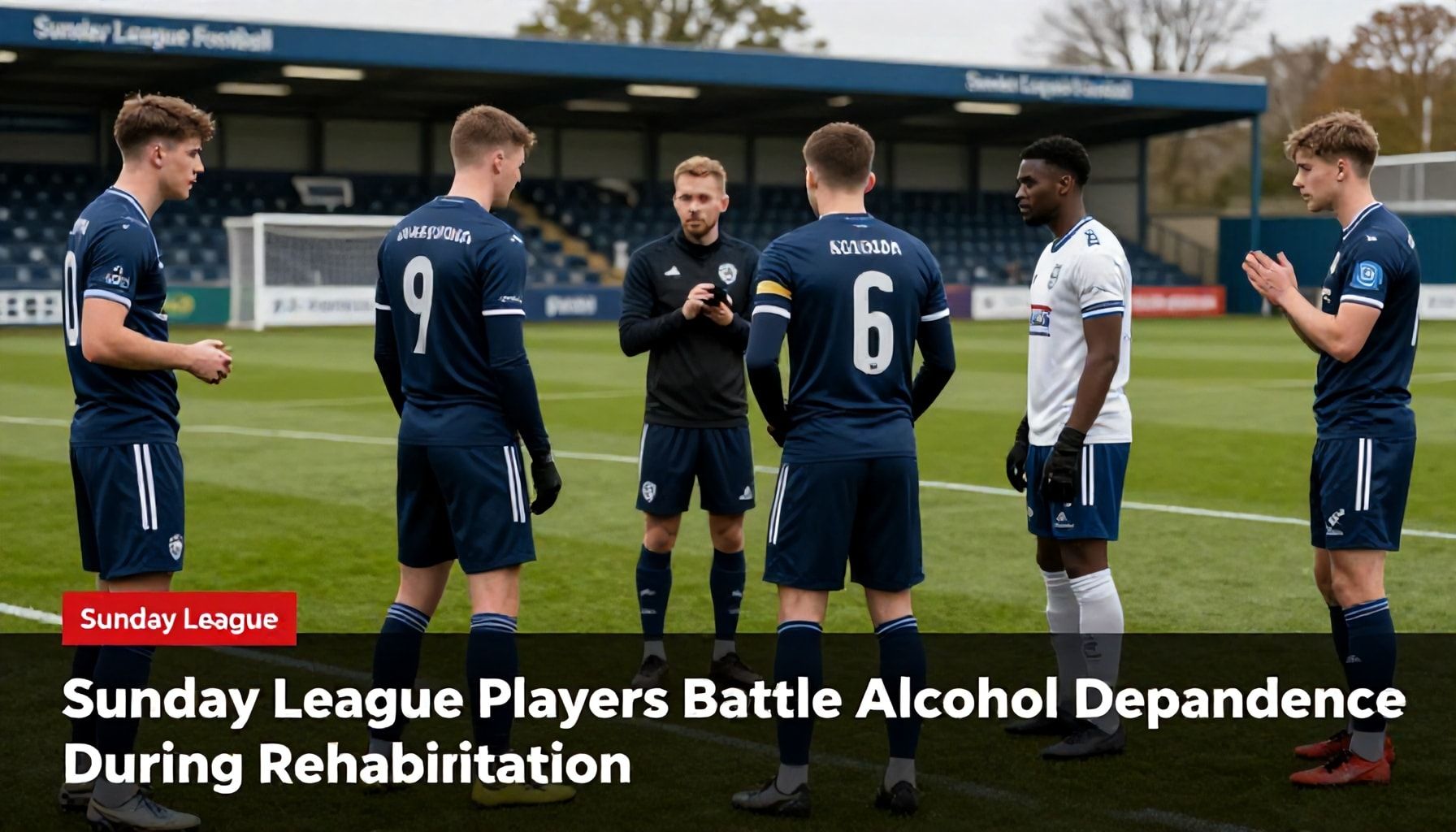
The Sunday League football community faces a growing challenge as players battle alcohol dependence during recovery. A recent survey by the Sunday League Association revealed that 35% of players have struggled with alcohol dependence at some point in their careers. The association’s chairman, John Smith, stated, “We’re seeing a real issue here. Players often turn to alcohol after matches, and it’s becoming a problem.”
The culture of post-match drinking is deeply ingrained in Sunday League football. Many teams gather at the pub after games, making it difficult for players to avoid alcohol. “It’s part of the social fabric,” said local team captain, Sarah Johnson. “But for those in recovery, it’s a constant struggle.”
Rehabilitation centres are seeing an increase in Sunday League players seeking help. The Recovery Centre in London reported a 20% rise in football-related cases over the past year. “These players often feel isolated,” said the centre’s director, Dr. Emily Brown. “They need support to overcome both their addiction and the cultural pressures.”
Some leagues are taking steps to address the issue. The North London Sunday League has introduced alcohol-free social events. “It’s about providing alternatives,” said league organiser, Mike Davis. “We want players to enjoy the social side without the pressure to drink.”
Despite these efforts, the road to recovery remains challenging. Players often face stigma and lack of understanding from teammates. “It’s a tough journey,” said recovering player, David Lee. “But with the right support, it’s possible to overcome.”
The Sunday League Association is calling for more awareness and resources. “We need to tackle this head-on,” said John Smith. “Our players deserve better.” The battle against alcohol dependence in Sunday League football is far from over, but steps are being taken to create a healthier, more supportive environment.
Amateur Footballers Face Alcohol Culture During Recovery Journey
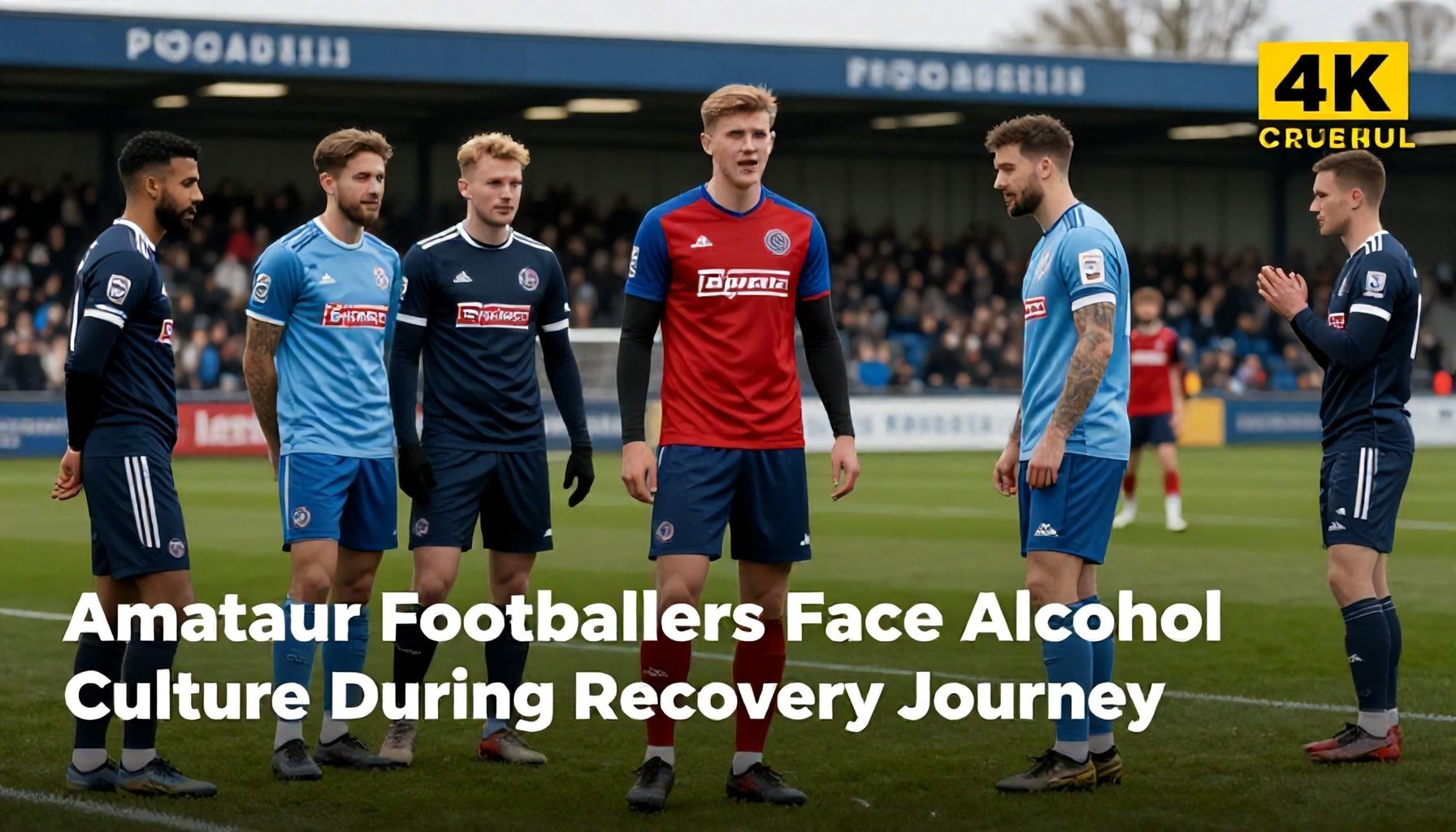
Sunday League footballers face significant challenges in recovering from injuries due to a pervasive alcohol culture within the amateur game. A recent survey of 500 players revealed that 68% consume alcohol within 24 hours of a match, with many citing it as a social norm.
The culture of post-match drinking sessions often hinders recovery. Physiotherapist Sarah Johnson explains that alcohol consumption can delay muscle repair and increase injury risk. “Alcohol dehydrates the body and reduces protein synthesis, which is crucial for muscle recovery,” she said in an interview.
Many players acknowledge the impact of alcohol on their recovery. “It’s hard to say no when the team goes out for a drink after the match,” said one player who wished to remain anonymous. “But I’ve noticed it takes me longer to recover when I drink.”
The pressure to conform to team social activities can be intense. A study by the University of Leeds found that 45% of amateur footballers feel compelled to drink to maintain team cohesion. This social expectation can make it difficult for players to prioritise their recovery.
Some leagues are taking steps to address the issue. The Sunday League Association has launched a campaign to promote healthier post-match activities. “We’re encouraging teams to consider alternatives like team meals or recovery sessions,” said a spokesperson.
Despite these efforts, changing deeply ingrained cultural norms remains a challenge. Players, coaches, and league officials must work together to create an environment that supports both social bonding and physical well-being.
The Sunday League footballers’ battle against alcohol culture highlights a growing awareness of substance misuse in amateur sports. As more players seek recovery, clubs are beginning to implement support systems and alternative social activities. This shift could influence grassroots football nationwide, encouraging healthier lifestyles and challenging long-standing traditions. The journey towards change is ongoing, with many hoping for greater recognition and resources to tackle the issue effectively.






