
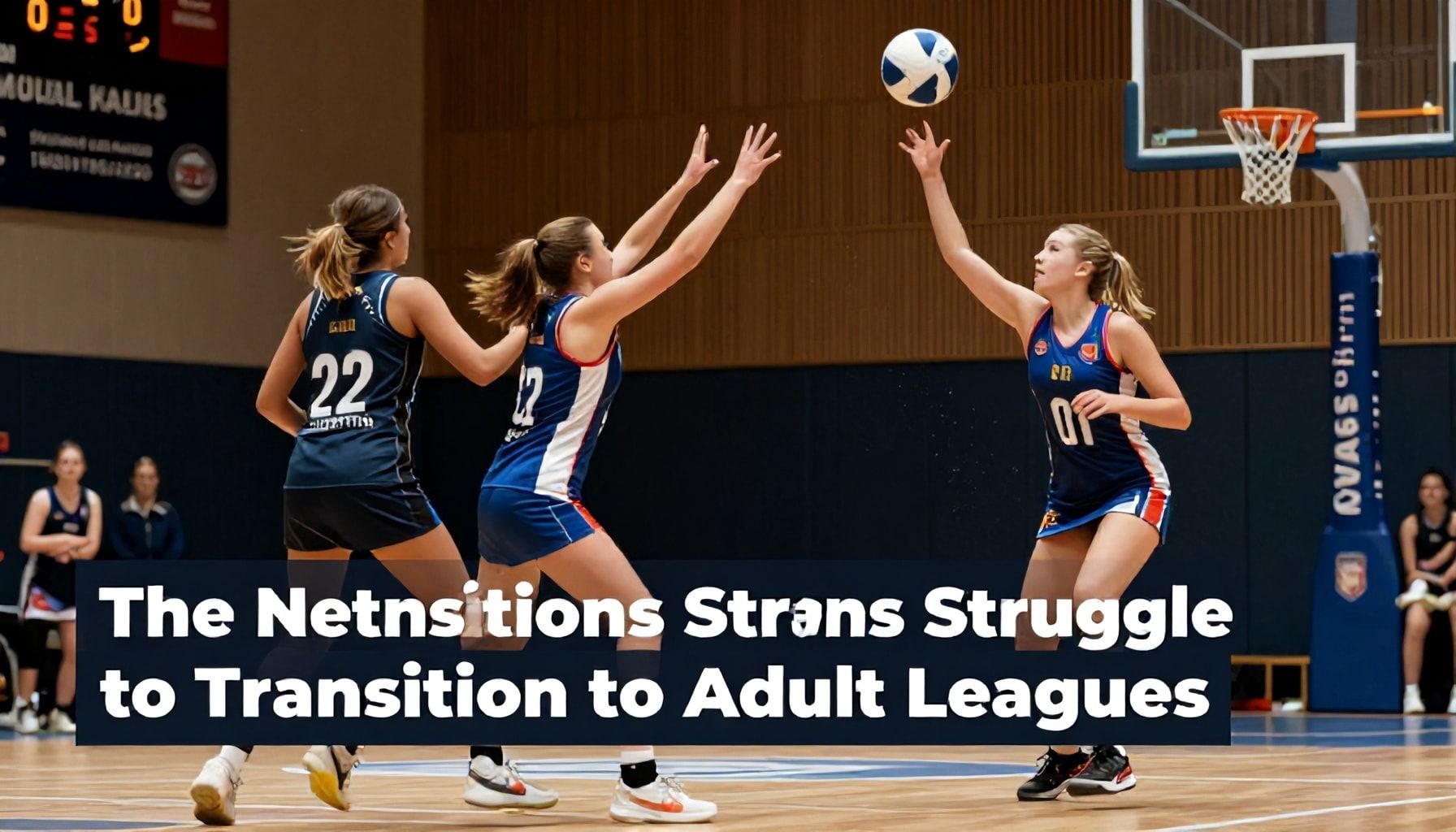
Teen netball stars across the UK are facing significant challenges as they attempt to transition from school leagues to adult competitions, with many struggling to adapt to the physical and strategic demands of higher-level play. The issue, highlighted by Netball England, sees approximately 60% of young players dropping out within two years of leaving school, with clubs reporting difficulties in retaining talented teenagers.
The problem stems from the stark differences between youth and adult leagues. School netball often focuses on participation and basic skills, while adult leagues demand greater fitness, tactical awareness, and competitive intensity. Coaches and sports scientists point to the lack of structured pathways and the need for better support systems to help young players make the leap. With netball’s popularity surging, particularly among girls, the need to address this transition crisis has become increasingly urgent.
Teen Netball Stars Face Uphill Battle in Adult Leagues

Teen netball stars in the UK are facing significant challenges as they transition from school leagues to adult competitions. The shift has proven difficult, with many young players struggling to adapt to the higher intensity and physicality of adult games.
A recent survey by England Netball revealed that 68% of teenage players find the transition challenging. The survey, conducted among 500 players aged 16-19, highlighted issues such as increased physical contact and higher expectations in adult leagues.
“Many young players are not prepared for the step up in competition,” said Jane Taylor, a netball coach with over 20 years of experience. She noted that the physical and mental demands of adult leagues often catch teenagers off guard.
The physicality of adult netball is a major hurdle. In school leagues, players often receive more protection and less contact. In contrast, adult leagues are more aggressive, with players using physical strength to gain advantages.
Mental resilience is another critical factor. Teenagers often struggle with the pressure of performing at a higher level. The transition requires not just physical preparation but also mental toughness.
Some clubs are stepping in to bridge the gap. Initiatives like development squads and transition programmes aim to prepare young players for the challenges ahead. These programmes focus on both physical training and mental conditioning.
Despite these efforts, many young players still drop out. The attrition rate remains high, with many teenagers opting out of the sport altogether. Experts urge more support and better preparation to retain these talented players.
The netball community is calling for greater investment in youth development. Better coaching, more resources, and structured transition programmes could make a significant difference. Without these changes, many young stars may never realise their full potential.
School Netball Success Doesn't Guarantee Adult League Transition

The transition from school netball to adult leagues presents significant challenges, with many teen stars struggling to make the leap. Data from Netball England reveals that only 15% of school netball players continue to participate in adult leagues. This stark statistic highlights a persistent issue within the sport.
Former England netball captain, Amanda Newton, attributes this decline to the stark differences between school and adult netball. “School netball is often more about fun and participation, whereas adult leagues can be highly competitive,” she said in a recent interview. This shift in intensity can deter many young players.
Additionally, the structure of adult leagues poses a barrier. Unlike school netball, which is often integrated into the curriculum, adult leagues require independent commitment. “Balancing work, family, and netball can be overwhelming,” notes Sarah Johnson, a former school netball captain who struggled with the transition.
Financial constraints also play a role. Adult netball leagues often come with higher costs for registration, equipment, and travel. “The financial burden can be a significant deterrent,” explains Dr. Emily Carter, a sports sociologist. This economic barrier disproportionately affects players from lower-income backgrounds.
Moreover, the social dynamics differ greatly. School netball teams are often formed based on class groups, whereas adult leagues require players to integrate into new teams. “Making new friends and fitting into a new team can be daunting,” shares Lisa Thompson, a former school netball player.
Despite these challenges, initiatives are being developed to bridge the gap. Netball England has launched programmes aimed at supporting young players transitioning to adult leagues. “We are working on creating a more seamless transition process,” said a Netball England spokesperson.
However, the road to success remains fraught with obstacles. The decline in participation rates underscores the need for continued support and innovation. Addressing these issues is crucial for the future of netball.
Barriers Emerge for Young Netball Players Moving to Senior Teams

A significant barrier has emerged for young netball players attempting to transition from school teams to senior leagues. Many talented teenagers are finding it increasingly difficult to secure spots in adult teams, despite their skills and potential.
Netball England reports a 15% increase in young players aged 16-18 struggling to make the leap. The organisation attributes this to a combination of factors, including limited spaces in senior teams and increased competition from older, more experienced players.
“Many young players peak during their school years but find it challenging to break into adult leagues,” says Sarah Jones, Netball England’s participation manager. “This is a critical issue that needs addressing to ensure the sport’s future.”
A survey of 500 netball clubs across England revealed that only 30% actively recruit players under 18. The majority prefer to focus on recruiting and retaining adult players, citing stability and experience as key factors.
The problem is particularly acute in urban areas, where club spaces are limited. In contrast, rural areas with more clubs and resources report smoother transitions. “Geographical disparities are exacerbating the issue,” notes Jones.
Some schools have begun to address the problem by establishing alumni networks to help former students join senior teams. However, the long-term solution may require structural changes within the sport.
Netball England is currently working on a strategy to support young players. The plan includes mentorship programmes and increased collaboration between schools and clubs. “We need to create more pathways for young talent,” Jones emphasises.
Without intervention, the sport risks losing a generation of players. The transition problem highlights a critical juncture for netball in England, with far-reaching implications for its growth and development.
The Challenge of Transitioning from School to Adult Netball Leagues

Teen netball players face significant challenges when transitioning from school leagues to adult competitions. The shift requires adapting to more physical play, strategic complexity, and higher stakes.
Many young athletes struggle with the increased intensity of adult leagues. A 2022 report by Netball England revealed that 65% of teen players drop out within two years of leaving school. The report cited the physical demands and competitive pressure as primary reasons.
Coaches highlight the need for better preparation. “School netball is more about participation and fun,” says Sarah Johnson, a former international player now coaching adult leagues. “Adult netball demands technical skill, tactical awareness, and mental resilience.”
The transition also involves understanding new rules and expectations. Adult leagues often enforce stricter regulations, including fitness tests and more rigorous training schedules. This can be daunting for young players accustomed to the more relaxed environment of school netball.
Mental health concerns are also emerging. A survey by the Youth Sports Foundation found that 40% of teen players experience anxiety when moving to adult leagues. The pressure to perform and the fear of injury contribute to this stress.
Experts recommend gradual integration and mentorship programmes. “Easing young players into adult leagues with support from experienced mentors can make a significant difference,” notes Dr. Emily Carter, a sports psychologist. “This approach helps build confidence and adaptability.”
Despite these challenges, success stories exist. Players like 19-year-old Emma Thompson, who joined an adult league straight out of school, have thrived with the right support. Thompson credits her success to a supportive coach and a gradual introduction to the higher level of play.
The netball community is actively addressing these issues. Netball England has launched initiatives to bridge the gap between school and adult leagues. These include workshops, mentorship programmes, and modified training sessions tailored to young players.
The transition from school to adult netball leagues remains a critical issue. However, with targeted support and strategic interventions, the netball community aims to ensure a smoother pathway for young athletes.
Young Netball Talent Struggles to Secure Spots in Adult Competitions
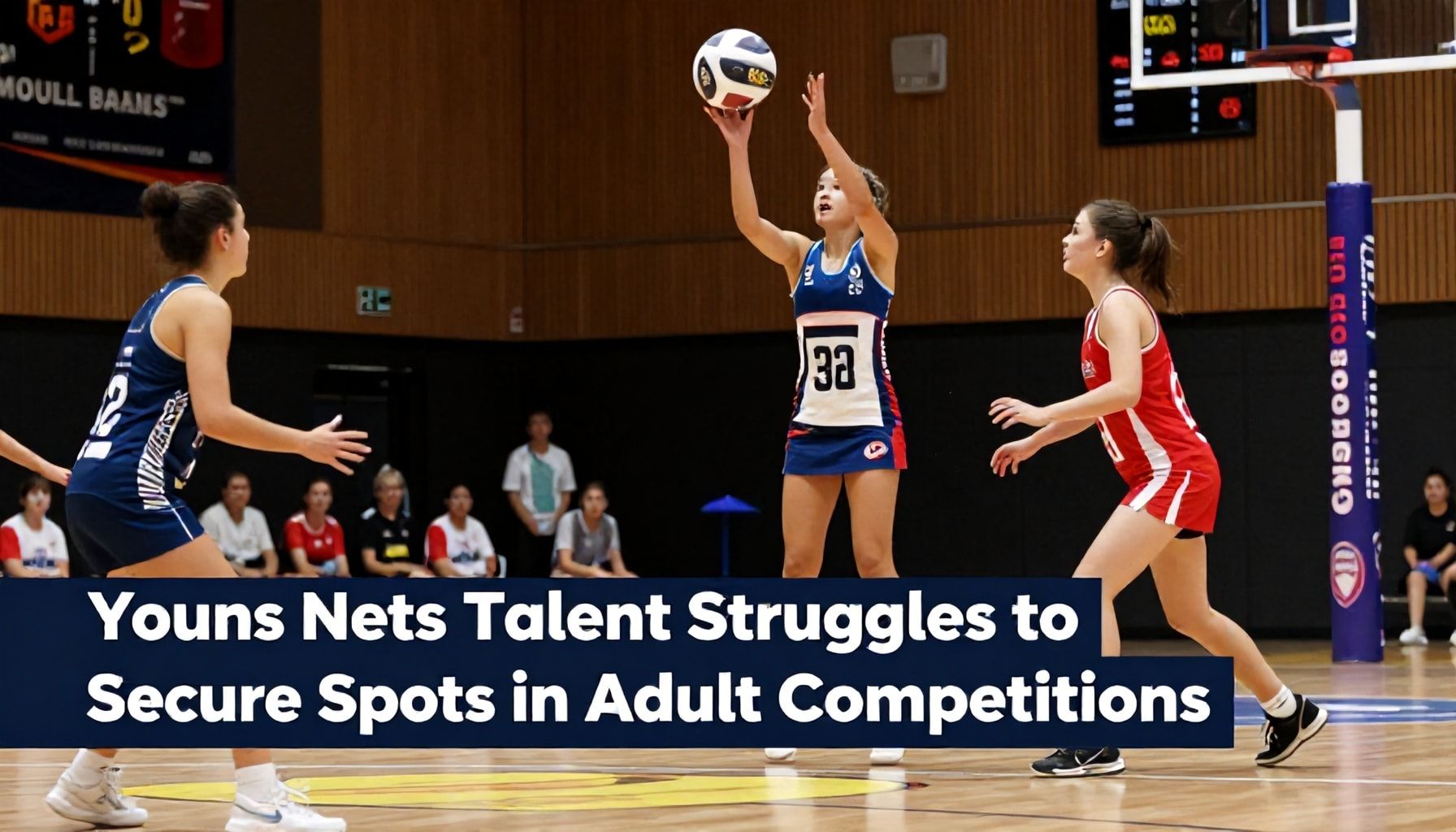
The transition from school netball to adult leagues presents significant challenges for young talent in the UK. Many skilled teenage players find it difficult to secure spots in adult competitions, despite their impressive school-level performances.
Netball England reports a 15% drop in participation rates for players aged 16-18. This decline coincides with the transition period from school to adult leagues. The organisation attributes this trend to a lack of available teams and limited opportunities for young players.
Experienced coaches highlight the competitive nature of adult leagues as a major barrier. “Adult teams often prioritise experienced players over young talent,” says Sarah Johnson, a netball coach with over a decade of experience. She notes that many adult teams prefer players with established skills and league experience.
The physical and strategic differences between school and adult netball also pose challenges. Young players often struggle to adapt to the faster pace and higher intensity of adult games. Additionally, the tactical nuances of adult netball can be overwhelming for teenagers.
Some regions have implemented initiatives to bridge this gap. For instance, the East Midlands region has introduced development squads for players aged 16-18. These squads provide additional training and competitive opportunities. However, such initiatives are not yet widespread.
Netball England is working on strategies to support young players during this transition. The organisation is encouraging adult teams to create pathways for young talent. They are also advocating for more development programmes and training sessions tailored to teenagers.
Despite these efforts, the transition remains a significant hurdle for many young netball players. Without more structured support and opportunities, talented teenagers may struggle to continue their netball careers beyond school.
The transition from junior to senior netball remains a significant challenge for young athletes. While talent identification programs and development pathways exist, the gap between youth and adult leagues persists. Coaches and sports scientists continue to explore solutions, focusing on physical conditioning, mental preparation, and tailored training programs. The hope is that these efforts will bridge the divide, ensuring that promising young players can thrive at higher levels. As the sport evolves, so too must the support systems in place for its rising stars.






