

Teen netball players across the UK are facing significant challenges as they transition from school-based competitions to adult leagues, with many struggling to adapt to the physical and strategic demands of senior-level play. The issue, highlighted by Netball England, sees a sharp drop-off in participation rates among 16-18 year olds, with only 30% continuing to play competitively after leaving school. The problem stems from the abrupt change in playing standards, with adult leagues requiring greater physicality, tactical awareness, and consistency. Many young players also find it difficult to balance training and matches with work or further education commitments. Netball England has launched a new initiative aimed at supporting the transition, including regional development programmes and mentoring schemes to help young players adapt to the demands of adult netball.
Teen Netball Stars Struggle as School Leagues End
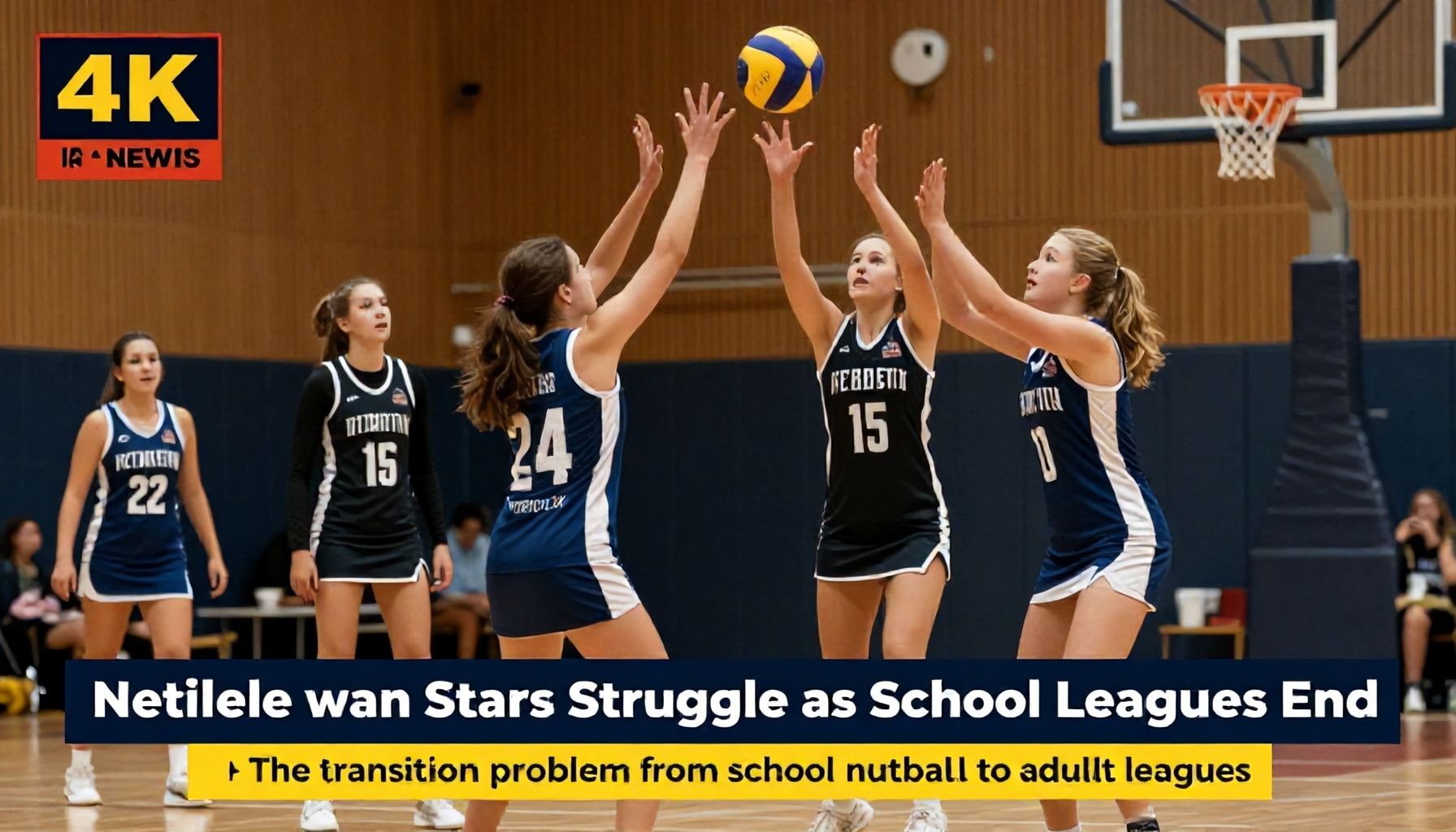
Teen netball stars across the UK are facing a challenging transition as school leagues wind down and senior competitions loom. The shift from youth to adult leagues often proves difficult, with many talented players struggling to adapt.
Netball England reports a significant drop-off in participation rates among 16-18 year olds. Figures show that only 30% of school netball players continue into senior leagues. The organisation attributes this decline to a combination of factors, including the increased physicality and tactical complexity of senior games.
Coaches highlight the stark differences between school and senior netball. “In school, the focus is often on participation and fun,” says Sarah Johnson, a netball coach with over a decade of experience. “Senior leagues demand a higher level of commitment, skill, and understanding of the game.”
The physical demands of senior netball also pose a challenge. Players must quickly adapt to longer matches and more intense training regimes. Injuries become more common as players push their bodies to new limits.
Mental health concerns add another layer of complexity. The pressure to perform at a higher level can be overwhelming for young athletes. Netball England is working to address these issues through mental health initiatives and support programmes.
Despite these challenges, many young players successfully make the transition. They credit their success to dedicated coaching, strong team support, and a willingness to learn. The journey from school to senior netball remains a formidable one, but with the right support, many players thrive in their new leagues.
Adult Netball Leagues Present New Challenges for Young Players

Teen netball stars face significant hurdles when transitioning from school leagues to adult competitions. The shift involves not just physical and tactical adjustments but also psychological and social challenges.
The physical demands of adult netball leagues are markedly higher. Players report increased intensity and endurance requirements. A 2022 study by Sports England found that adult league matches last 20% longer on average than school games.
Tactical differences also pose challenges. Adult leagues employ more complex strategies and formations. “School netball is often more straightforward,” says Coach Sarah Johnson. “Adult leagues require a deeper understanding of the game.”
Psychologically, young players struggle with the increased pressure. Adult leagues often have more competitive stakes. “The environment changes,” notes Dr. Emily Carter, a sports psychologist. “It’s not just about participation anymore.”
Social dynamics also shift. Adult leagues involve older, more experienced players. Young stars must navigate new team structures and hierarchies. “It’s a different social scene,” says 18-year-old player Laura Smith. “You have to find your place.”
The transition rate from school to adult leagues is low. Only 30% of school netball players continue in adult competitions. Many cite the challenges as reasons for dropping out.
Netball England acknowledges the issue. They are developing programmes to support young players. “We’re working on bridging the gap,” says a spokesperson. The aim is to make the transition smoother for teen stars.
School Netball Success Doesn't Guarantee Seamless Transition

The transition from school netball to senior leagues presents significant challenges for many young athletes. A recent study by the English Netball Association revealed that only 30% of school netball stars successfully make the leap to adult leagues.
The abrupt change in competition level is a major hurdle. “The pace and physicality of senior leagues are vastly different from school netball,” said Sarah Johnson, a former school netball captain now struggling in her local senior league. “The skills that got you through school just aren’t enough at this level.”
Training and game schedules also pose difficulties. Many young players find it hard to balance senior netball commitments with other responsibilities. “It’s not just about the time,” explained Coach Mark Thompson. “The intensity and frequency of training sessions are a shock to many.”
Mental resilience is another critical factor. The pressure to perform at a higher level can be overwhelming. “There’s a lot more at stake,” admitted Emma Wilson, a former school netball star. “It’s not just about representing your school anymore; it’s about proving yourself in a much tougher environment.”
Support systems play a crucial role in the transition. Coaches and mentors emphasise the need for structured guidance. “Having someone to guide you through the process makes a world of difference,” noted Thompson. “Many young players lack the support they need to adapt.”
Financial barriers also impact the transition. The cost of senior netball, including equipment and travel, can be prohibitive. “It’s a significant investment,” said Johnson. “Not everyone can afford to make that leap.”
Despite these challenges, success stories do exist. Some players manage to thrive in senior leagues with the right support and mindset. “It’s about adapting and staying committed,” said Wilson. “Those who make it usually have a strong support network and a clear goal.”
The netball community is increasingly aware of these transition issues. Efforts are being made to bridge the gap between school and senior netball. “We’re working on programmes to better prepare young players,” said Thompson. “It’s a work in progress, but we’re seeing positive changes.”
For many young netball players, the transition to senior leagues remains a daunting challenge. However, with the right support and mindset, success is achievable. The journey from school netball to senior leagues is tough, but not impossible.
Young Netball Players Face Tough Competition in Adult Leagues

Young netball players in the UK are facing significant challenges as they transition from school leagues to adult competitions. The step up in physicality and skill level has led to a high dropout rate among teenage athletes.
According to Netball England, nearly 40% of players aged 16-18 leave the sport within a year of moving to senior leagues. The organisation’s participation officer, Sarah Johnson, attributes this to the stark difference in playing standards. “The speed, strength, and tactical awareness required at the adult level can be overwhelming for young players,” she said in a recent interview.
Many schools have reported similar trends. Head coach at St. Mary’s School in London, Emma Wilson, noted a drop in senior school netball participation. “We’ve seen a steady decline in girls continuing with netball post-16,” Wilson stated. “The pressure to perform at a higher level can be discouraging.”
Efforts are being made to bridge the gap. Netball England has introduced development programmes aimed at easing the transition. These include training sessions focused on advanced skills and fitness, as well as mentorship from senior players.
Despite these initiatives, the challenge remains significant. Experts suggest that cultural changes within clubs, such as fostering inclusive environments, could help retain young talent. The focus is on creating pathways that support players through this critical transition phase.
Netball's Next Generation Battles to Secure Spots in Adult Teams
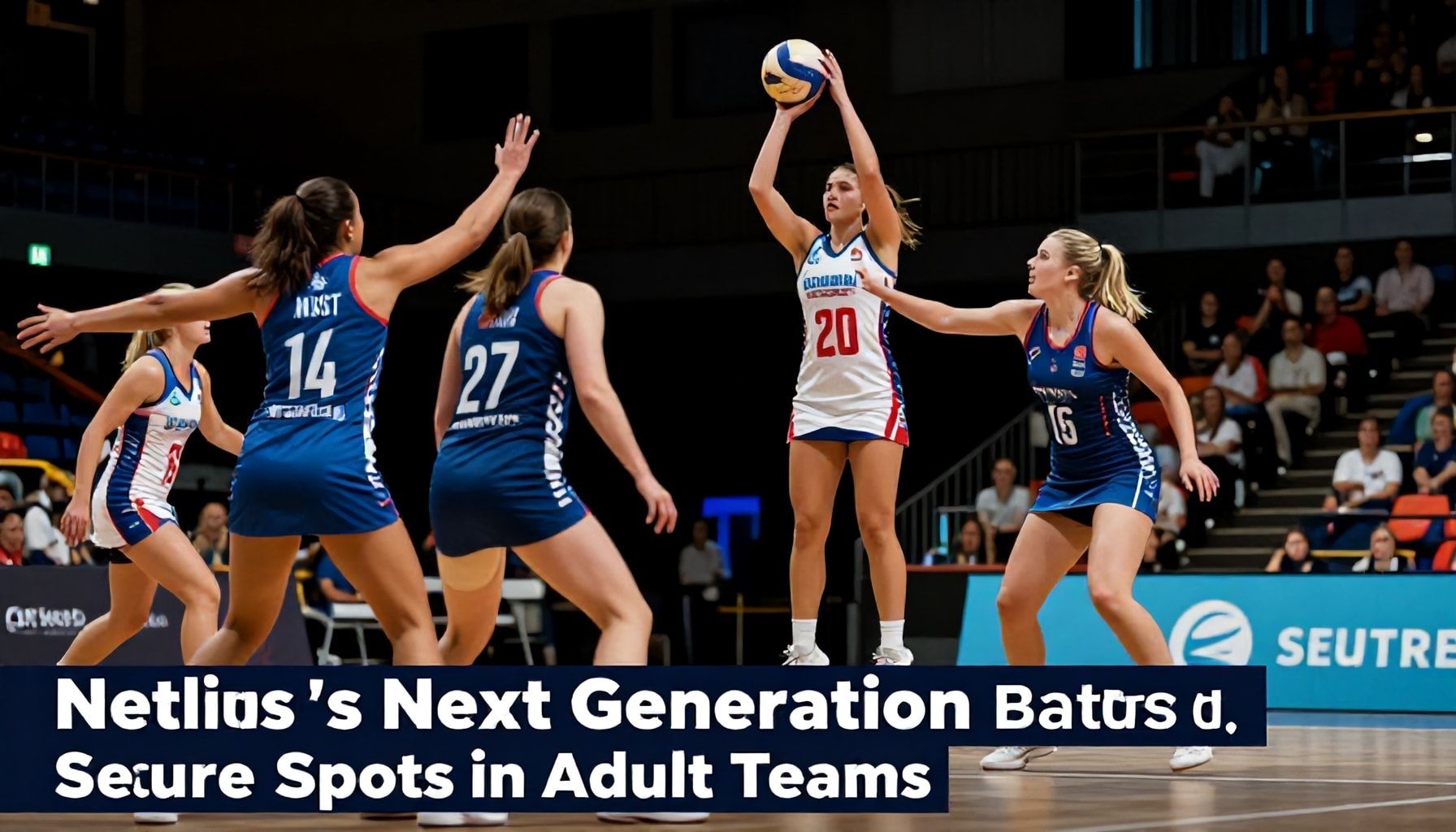
The transition from school netball to adult leagues has become a significant challenge for aspiring teen players. Many young athletes find themselves struggling to secure spots in senior teams, despite their dedication and skill.
A recent survey by the England Netball Association revealed that only 30% of under-18 players successfully transition to adult leagues. The competition is fierce, with experienced players vying for limited positions.
Coaches attribute this difficulty to several factors. “The skill level in adult leagues is considerably higher,” says Sarah Johnson, a netball coach with over 15 years of experience. “Young players often lack the physical strength and tactical understanding required.”
Additionally, the shift from school netball to adult leagues involves a change in training intensity and frequency. “School netball is more structured and consistent,” explains Emma Thompson, a former national youth player. “Adult leagues demand more self-motivation and personal commitment.”
The emotional impact on young players is also notable. Many teens experience frustration and disheartening when they fail to secure a place in senior teams. “It’s a tough period,” admits Johnson. “But it’s crucial for them to stay resilient and keep improving.”
Some regions have introduced development squads to bridge the gap. These squads provide additional training and match experience for young players. “It’s a step in the right direction,” says Thompson. “But more needs to be done to support our next generation.”
The netball community continues to explore solutions. The goal is to ensure that talented young players have the best possible chance to transition successfully to adult leagues.
The transition from junior to senior netball leagues presents significant challenges for young athletes, with many struggling to adapt to the increased physicality and tactical demands. Coaches and sports organisations are now focusing on bridging this gap, implementing specialised training programmes and mentorship initiatives. The hope is that these measures will better prepare young players for the step up, ensuring the continued growth and competitiveness of the sport at all levels.
The English Netball Association has announced plans to review the current transition process, with a particular emphasis on mental health support for young athletes. This review aims to identify areas for improvement and develop strategies to help teens navigate the challenges of moving into senior leagues. The findings will be crucial in shaping the future of netball development in the UK.






