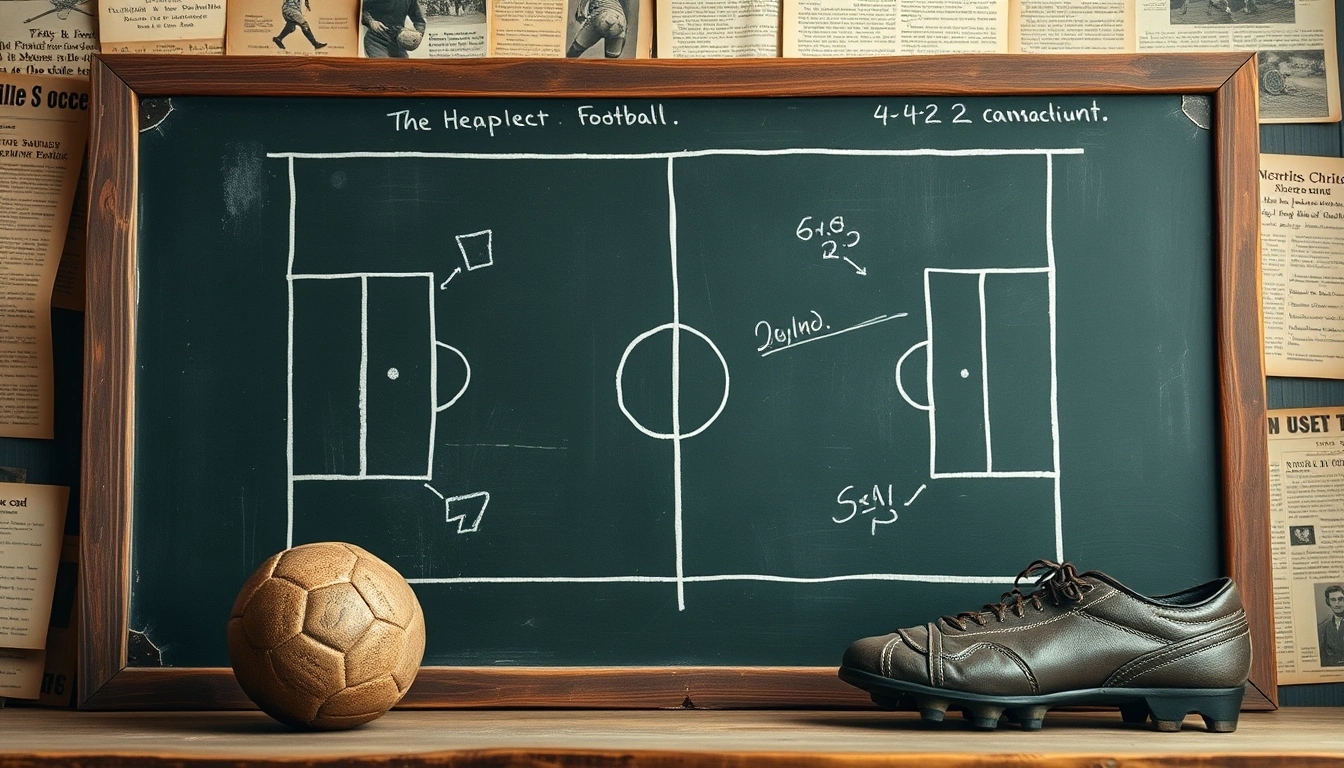
Alright, let’s take a stroll down football memory lane and chat about the legendary 4-4-2 formation. This setup isn’t just some dusty old tactic coaches pulled out of a hat — it’s been a backbone of football strategy for decades, and honestly, it still gets plenty of love from fans and managers alike. So, what’s the big deal about 4-4-2? Where did it come from, why did it catch on like wildfire, and how the heck does it still manage to hang around in the modern game? Buckle up, because we’re diving deep.
Origins of the 4-4-2 Formation
Back in the mid-20th century, football was evolving fast, and coaches started craving a formation that balanced defense and attack without making the team look like a hot mess. The 4-4-2 was born out of this need for simplicity and structure. It’s believed to have first gained traction in England during the 1960s and 70s, with managers who wanted a flat back four defenders, four midfielders lined up evenly, and two strikers up front. Early adopters like Alf Ramsey (England’s 1966 World Cup-winning coach) helped popularize it, though the exact origin story has a few versions floating around.
Why 4-4-2 Became Popular
So, why did this formation become the go-to for so many teams? The answer’s pretty straightforward: it’s balanced. You get a solid defensive line, a midfield that can both defend and attack, and two forwards to keep pressure on the opposition’s defense. Coaches loved it because it was simple to teach and easy for players to understand — no rocket science needed. Plus, fans enjoyed the attacking flair it allowed without sacrificing defensive solidity. It was like having your cake and eating it too.
| Key Reasons for 4-4-2 Popularity |
|---|
|
Key Tactical Elements of 4-4-2
Breaking it down, the 4-4-2 is like a well-oiled machine where every part has a job. The four defenders form a sturdy wall at the back, usually with two center-backs and two full-backs who can overlap when the team’s pushing forward. The midfield four are the engine room, often split into wide midfielders who can cross and track back, and central midfielders who juggle defense and playmaking. Up front, the two strikers often have complementary roles — one might be a target man, the other a speedy poacher.
- The Defensive Line: Four defenders working as a unit to shut down attacks and keep the shape compact.
- Midfield Dynamics: Midfielders juggling the fine line between supporting the defense and launching attacks.
- Strikers: Two forwards combining physical presence and finishing skills to trouble defenses.
Why it still matters today? Well, despite all the fancy, fluid formations and tactical revolutions, 4-4-2 keeps popping up. It’s like that classic rock song you never get tired of. Teams use it when they want straightforward, disciplined football without the risk of getting lost in complicated tactics. Plus, it works wonders when you’ve got two strikers who really click.
In short, the 4-4-2 formation is a timeless classic — born from necessity, loved for its balance, and still kicking around because sometimes, simple just works.
Origins of the 4-4-2 Formation
The story of the 4-4-2 formation is a bit like tracing the roots of a classic rock song — you know it’s everywhere, but pinning down exactly where it all started? That’s trickier than you’d think. The 4-4-2 didn’t just pop out of nowhere; it evolved gradually, shaped by football’s shifting tactical landscape during the mid-20th century. Most historians point to the 1950s and 60s as the era when football minds began experimenting with formations that balanced defense with attacking flair, and the 4-4-2 emerged as a natural progression from older systems like the WM (3-2-2-3) and the 4-2-4.
| Team | Era | Notable Manager | Tactical Approach |
|---|---|---|---|
| Wimbledon FC | Late 1970s – 1980s | Bobby Gould | Direct, physical play with strong midfield presence |
| England National Team | 1980s – Early 1990s | Ron Greenwood, Bobby Robson | Balanced attack and defense, emphasis on wing play |
| AC Milan | Late 1980s | Arrigo Sacchi (transition phase) | Pressing and zonal marking within a 4-4-2 framework |
Now, you might wonder why this particular shape caught on. Well, it presented a neat, symmetrical setup that gave teams a solid spine — four defenders, four midfielders, and two strikers — which meant you could cover the pitch horizontally and vertically without too much fuss. Early adopters loved that it allowed for flexibility; you could get your wingers to bomb forward or tuck in, your midfielders could support defense or launch attacks, and your strikers had clear roles. It was simple enough for players to grasp but versatile enough to adapt to different styles of play.
Interestingly, the tactical thinking behind the 4-4-2 wasn’t just about plugging gaps but about creating balance. Coaches wanted a formation that could quickly switch gears — defend deep when under pressure, then spring counterattacks with pace and numbers. It was almost like having a Swiss army knife on the pitch: reliable, multipurpose, and ready for almost any challenge. No wonder it became the go-to for many teams trying to find that sweet spot between organization and creativity.
- Defensive Solidity: Four defenders meant a clear backline, easier to organize and harder to break down.
- Midfield Control: Four midfielders could dominate the center or stretch wide, depending on the game plan.
- Attacking Duo: Two strikers provided a constant threat, combining for goals or creating space.
But don’t get me wrong — the 4-4-2 wasn’t perfect from day one. Some critics argued it could be too rigid or that it left the midfield exposed against formations packing the center. Yet, its early proponents were convinced that with the right players and some tactical tweaks, it could be a winning formula. And history proved them right.
So, the 4-4-2 formation’s origins are a mix of necessity, innovation, and a bit of trial and error. It’s like the grandparent of many modern systems, laying down the foundation for how teams think about structure and balance today. Whether you love it or hate it, you can’t deny that the 4-4-2’s birth was a pivotal moment in football tactics.
Practical Insight for Coaches:
- Start with a solid back four: ensure defenders communicate well and maintain shape.- Use midfielders dynamically: train wingers to track back and central mids to support both attack and defense.- Two strikers should complement each other — one can be a target man, the other a runner.- Flexibility is key: adjust the midfield line depending on the opponent’s formation.
In the end, the 4-4-2’s roots remind us that football tactics are never static — they’re a constant work in progress, shaped by the needs and creativity of the game’s best minds. And that’s what makes diving into its history such a fascinating ride.
Why 4-4-2 Became Popular
The 4-4-2 formation isn’t just some dusty old relic coaches pull out for nostalgia’s sake — it’s a tactical classic that caught fire worldwide for a bunch of solid reasons. First off, it’s all about balance. You’ve got four defenders, four midfielders, and two strikers, which sounds straightforward, but this symmetry gives teams a strong spine. No gaps left open, no weird overlaps, just a neat, organized setup that’s easy to understand and implement. Coaches loved it because it didn’t require a tactical genius to get the basics right, yet it offered enough flexibility to tweak depending on the opponent or game situation.
- Simple but effective: The 4-4-2 is like the Swiss Army knife of football formations. You can defend solidly, push up the wings, or double up on attack without needing to reinvent the wheel every match.
- Balance between defense and attack: Unlike some ultra-defensive or ultra-attacking setups, 4-4-2 keeps the team compact but ready to strike.
- Easy communication: Players know their zones and roles, so the chaos on the pitch is less chaotic.
Now, why did this formation become a global sensation? Well, part of it comes down to history and part to practicality. Back in the day, when football was evolving tactically, coaches needed a system that was reliable and adaptable. The 4-4-2 fit the bill perfectly. It was used by legendary teams and managers who proved it could win trophies and handle various styles of play. From gritty English sides to slick South American teams, the 4-4-2 transcended borders.
| Reason | Explanation |
|---|---|
| Flexibility | Works well against different formations; can be defensive or offensive |
| Player Roles | Clear responsibilities for defenders, midfielders, and strikers |
| Team Shape | Maintains compactness and structure across the pitch |
| Coaching Ease | Simple enough for players at all levels to grasp quickly |
But let’s not kid ourselves — it wasn’t all sunshine and roses. Some critics argue the 4-4-2 can be too rigid, especially against modern formations that flood the midfield or use three strikers. Still, its simplicity is what made it a go-to for decades. Coaches could build a team around it without needing to overhaul their entire philosophy. Plus, it’s a crowd-pleaser; fans love the two strikers upfront because it means goals, chances, and excitement.
- Practical insight: For coaches today wanting to use 4-4-2, the key is to ensure midfielders are dynamic enough to support both defense and attack.
- Tip: Wingers in 4-4-2 must track back diligently; otherwise, the formation’s balance crumbles quickly.
In short, the 4-4-2 became popular because it’s a perfect blend of simplicity, balance, and adaptability. It’s a formation that’s stood the test of time, not because it’s flashy, but because it just works — plain and simple.
Key Tactical Elements of 4-4-2
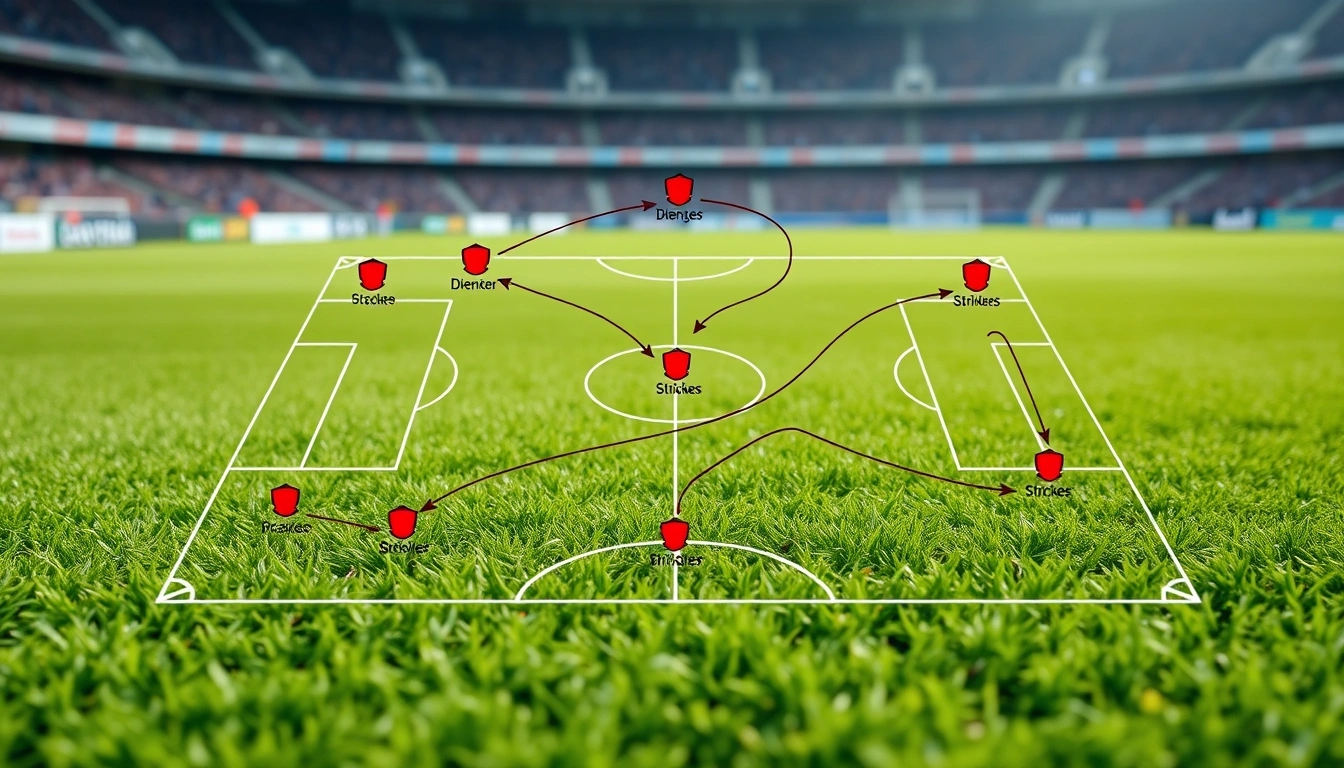
Alright, let’s get down to the nitty-gritty of the 4-4-2 formation — it’s like the bread and butter of football tactics, yet somehow still manages to surprise and frustrate. You’ve got four defenders, four midfielders, and two strikers all doing their bit, but each role is a whole universe on its own. So, buckle up, because we’re about to dissect what makes this setup tick.
- Defenders: The backbone. Usually, you have two center-backs who are the no-nonsense types — think of them as the bouncers of the pitch. They’re there to clear danger, win headers, and organize the backline. Flanking them are the full-backs, who have the dual job of defending and occasionally bombing forward to support the attack. But don’t get too excited about those runs; they gotta know when to hold back or the whole defense gets exposed.
- Midfielders: The engine room and the tricky bit. The wide midfielders (or wingers) are expected to hustle up and down the flanks, whipping crosses in and tracking back like their lives depend on it. Meanwhile, the central midfield duo often splits duties — one might sit back, break up play, and keep things tidy, while the other pushes forward, linking up with the strikers. It’s a delicate dance, really, balancing attack and defense without leaving gaps.
- Strikers: The goal-getters. Usually, one is a classic “number 9” — big, strong, good at holding up the ball — while the other might be quicker, more agile, looking to run in behind defenses. The beauty of two strikers is they can combine, create space for each other, or just cause chaos in the box, making life hell for defenders.
| Position | Primary Role | Key Skills |
|---|---|---|
| Center-Backs | Defend, clear danger, organize defense | Tackling, aerial ability, positioning |
| Full-Backs | Defend flanks, support attack | Stamina, crossing, defensive awareness |
| Wide Midfielders | Provide width, cross, track back | Speed, dribbling, work rate |
| Central Midfielders | Link defense and attack, control tempo | Passing, vision, tackling |
| Strikers | Score goals, create space | Finishing, movement, strength |
Now, don’t get me wrong, the 4-4-2 isn’t just some rigid structure where everyone sticks to their lane like robots. Nope. It’s more like a living organism — the midfielders might tuck in tighter or the full-backs push higher depending on the game. But the magic (or madness) lies in how well the players understand their roles and cover for each other.
Here’s a quick rundown of some practical tips if you’re a coach trying to make this formation work without your team turning into a mess:
- Communication is king: The defenders must constantly talk, especially the center-backs directing the full-backs.
- Midfield balance: One midfielder holding back while the other ventures forward keeps the team from being too vulnerable.
- Striker synergy: Two forwards who can read each other’s movements can unlock even the tightest defenses.
Honestly, the 4-4-2 may seem old-school to some, but its simplicity is its strength. When everyone knows their job and plays their part, it’s a formation that just works. And if it ain’t broke, why fix it?
The Defensive Line
Alright, let’s get into the nitty-gritty of how four defenders gel together to form that tough-as-nails backline we all love to see. It’s not just about standing in a line and hoping the ball doesn’t get past you — oh no, it’s a delicate dance of positioning, communication, and sometimes a bit of sheer luck.
First off, the four defenders usually break down into two center-backs and two full-backs (or wing-backs, depending on the coach’s mood). The center-backs are like the anchors, the guys who sit deep and try to snuff out danger before it even starts. They need to be strong, good in the air, and have a sense of where every attacker is lurking. Meanwhile, the full-backs have a bit more freedom — they cover the flanks, block crosses, but also often join the attack when the opportunity arises. It’s a tricky balance because if they push too far up, they leave gaps behind for the opposition to exploit.
| Position | Primary Role | Key Challenges |
|---|---|---|
| Center-Back | Defend central areas, mark strikers, clear balls | Maintaining concentration, aerial duels, coordinating with partner |
| Full-Back | Defend wide areas, block crosses, support attack | Balancing defense and offense, stamina, tracking speedy wingers |
Now, the biggest challenge? Communication. Imagine four players trying to cover different zones, all while the opposition is running circles around them. If one defender steps up too early or drifts out of position, it can cause a domino effect leading to a goal. And the pressure is relentless — one slip, one missed call, and boom, the scoreboard changes.
- Maintaining the defensive line to catch attackers offside is a classic tactic but requires near-perfect timing.
- Dealing with overlapping runs from the opposition’s wingers can stretch the backline thin.
- Adjusting to different attacking styles on the fly is no easy feat.
There’s also the mental side of things. Defenders often get less glory, but they carry the weight of the entire team’s confidence on their shoulders. One mistake can haunt them for the rest of the match, or even the season. Yet, when they work in perfect harmony, that backline becomes a fortress — frustrating attackers and giving the midfielders and forwards the freedom to do their thing.
In short, the defensive line in a 4-4-2 formation is like a well-oiled machine that demands trust, grit, and a bit of footballing intuition. When those four defenders sync up, it’s poetry in motion. When they don’t? Well, let’s just say the fans aren’t shy about letting them know.
Midfield Dynamics
in the classic 4-4-2 formation are a fascinating puzzle of roles, responsibilities, and constant movement. The midfield four aren’t just there to fill space; they’re the heartbeat of the team, balancing attack and defense with a delicate touch that can make or break the game.
First off, let’s talk about the basic setup. The midfield quartet typically consists of two central midfielders and two wide midfielders (or wingers). Each has a unique job, but all share the common goal of linking defense with attack. The central midfielders often act as the engine room, tasked with winning possession, distributing passes, and supporting both ends of the pitch. Meanwhile, the wide midfielders provide width, stretching the opposition and delivering crosses into the box.
| Position | Primary Responsibilities | Key Attributes |
|---|---|---|
| Central Midfielder (Defensive) | Shield defense, break up attacks, distribute simple passes | Stamina, tackling, positional awareness |
| Central Midfielder (Box-to-Box) | Support attack and defense, link play, make forward runs | Endurance, vision, passing ability |
| Wide Midfielders (Wingers) | Provide width, deliver crosses, track back defensively | Speed, dribbling, crossing accuracy |
Now, here’s where things get tricky. The midfield four must maintain a delicate balance between pushing forward to support strikers and dropping back to help the defense. If the wide midfielders bomb forward too aggressively, they risk leaving the fullbacks exposed, which savvy opponents love to exploit. Conversely, if they stay too deep, the team loses attacking width and becomes predictable.
Central midfielders, especially, have to be like tightrope walkers. They can’t just be ball winners or creators; they have to be both. This dual role means they’re constantly switching hats — one moment they’re breaking up a counterattack, the next they’re threading a killer pass through the defense. It’s exhausting, and not every player can pull it off without looking like they’re about to collapse on the pitch.
- Communication is key. Midfielders must talk constantly to coordinate pressing, cover for teammates, and decide when to push or hold position.
- Spatial awareness helps them avoid overcrowding and maintain passing lanes.
- Stamina is non-negotiable — these players run more than most, often covering 10-12 kilometers per game.
One can’t forget the psychological aspect either. The midfield is where battles for control often get fierce. Midfielders need grit, patience, and a bit of cunning. Sometimes, it’s about playing the long game — frustrating opponents, forcing mistakes, and then pouncing.
In modern football, the 4-4-2 midfield might seem a little old-school, but it’s still incredibly effective when executed well. The simplicity of having two banks of four allows for clear roles, but the magic happens in how those roles adapt during the game. Coaches often tweak the midfielders’ duties depending on the opponent or match situation, turning the formation into a flexible weapon rather than a rigid system.
So next time you watch a team set up in 4-4-2, pay close attention to those four midfielders. They’re juggling a million things at once — defending, attacking, supporting, and sometimes just surviving the chaos. It’s a tough gig, but when done right, it’s poetry in motion.
Famous Teams and Managers Using 4-4-2
Alright, so when we talk about the 4-4-2 formation, it’s impossible not to mention the legendary squads and the masterminds behind them who made this setup a football staple. This formation isn’t just some dusty old tactic — it’s been the backbone of some of the most electrifying teams and coaches in the history of the game. You might think, “4-4-2? That’s basic!” But trust me, the magic was in how these managers tweaked and twisted it to suit their style, turning it into a fortress or a goal-scoring machine.
Let’s kick off with one of the most iconic examples: Sir Alex Ferguson’s Manchester United in the 1990s and early 2000s. This team was a perfect case study in the 4-4-2’s versatility. With the likes of Ryan Giggs and Paul Scholes pulling the strings in midfield, and strikers like Andy Cole and Dwight Yorke terrorizing defenses, Ferguson’s United showed how to blend solid defense with attacking flair. He wasn’t just plugging players into positions; he crafted a system where every player knew their role but could also improvise when the moment called for it. That adaptability was key.
| Manager | Team | Era | Key Characteristics |
|---|---|---|---|
| Sir Alex Ferguson | Manchester United | 1990s – early 2000s | Dynamic wings, strong striker partnership, tactical flexibility |
| Bob Paisley | Liverpool | 1970s – early 1980s | High pressing, disciplined midfield, robust defense |
| Arrigo Sacchi | AC Milan | Late 1980s – early 1990s | Organized pressing, zonal marking, tactical innovation |
| Claudio Ranieri | Leicester City | 2015-2016 | Counter-attacking, compact shape, clinical finishing |
Speaking of Liverpool, the Bob Paisley era was another golden time for the 4-4-2. Paisley’s Reds were relentless, pressing high and squeezing opponents into mistakes. Their midfield four was like a well-oiled machine, constantly moving, covering, and creating chances. No fancy bells and whistles, just pure football intelligence and work ethic.
And then there’s Arrigo Sacchi’s AC Milan, who arguably revolutionized the game. While many remember Sacchi for his 4-4-2 pressing system, it was more than just formation — it was an entire philosophy. Milan’s disciplined backline and midfield lines moved as one, suffocating opponents and launching lightning-fast attacks. Sacchi’s Milan proved that 4-4-2 could be more than a simple shape; it could be a tactical weapon.
- Key takeaway: The 4-4-2 isn’t just about two strikers and four midfielders lined up neatly — it’s about how managers interpret and adapt it.
- Fun fact: Leicester City’s fairy-tale Premier League win in 2016 under Claudio Ranieri was built on a classic 4-4-2, showing it still packs a punch in the modern game.
It’s kinda funny, isn’t it? This formation, often dismissed as “old school,” keeps popping up when you least expect it, proving that good old 4-4-2 still knows how to get the job done. Whether it’s the counter-attacking pace, the solid defensive block, or the balanced midfield, this formation has outlasted many tactical trends. So next time you see a team lining up in 4-4-2, remember the legends who made it legendary — it’s more than just numbers on a pitch, it’s football history in motion.
Decline and Adaptations Over Time
Ah, the 4-4-2 formation — once the darling of football tactics, now often seen as a relic gathering dust in the museum of classic strategies. But why did this formation, which ruled the pitch for decades, suddenly start to fade from the spotlight? Well, the story isn’t as straightforward as you might think. It’s a tale of evolution, adaptation, and, frankly, the relentless quest for tactical superiority.
First off, the 4-4-2’s downfall wasn’t overnight. It was more like a slow fade-out, like your favorite band’s reunion tour that just didn’t quite hit the right notes. The main reason? Modern football demanded more flexibility and nuance. The rigid shape of 4-4-2, with its flat midfield line and two strikers upfront, started to feel a bit… predictable. Opponents figured out how to exploit the spaces between the lines, especially in midfield, leaving teams vulnerable to more dynamic, fluid formations.
- Midfield Overrun: The four midfielders in a line often got outnumbered by teams packing the center with three or five midfielders, like the popular 4-3-3 or 3-5-2 systems.
- Defensive Fragility: With only two central midfielders sometimes dropping back, the defense could be exposed, especially against quick counterattacks.
- Lack of Width Variation: The wide midfielders in 4-4-2 had to do a ton—both defending and attacking—which often led to fatigue and dropped performance.
| Aspect | 4-4-2 | Modern Alternatives |
|---|---|---|
| Midfield Control | Flat four midfielders, often outnumbered | Triangular or diamond shapes, more central dominance |
| Attacking Options | Two strikers upfront | Flexible front threes or false nines |
| Defensive Shape | Back four, limited cover | Three or five defenders with wing-backs |
As the game sped up and players became more athletic and tactically aware, coaches started experimenting with formations that offered more control and unpredictability. The 4-3-3, with its midfield triangle, allowed teams to dominate possession and press higher up the pitch. Meanwhile, the 3-5-2 gave wing-backs the freedom to bomb forward while maintaining defensive solidity. Suddenly, the straightforward 4-4-2 looked like a one-trick pony.
But here’s the kicker — the 4-4-2 never truly died. It just got a makeover. Coaches began tweaking it, morphing it into hybrid systems like the 4-2-2-2 or 4-4-1-1, mixing defensive midfielders with creative players lurking behind the striker. These adaptations kept the spirit of 4-4-2 alive but made it more adaptable to the demands of modern football.
- Double Pivot Midfielders: Adding two holding midfielders to shield the defense and recycle possession.
- Inverted Wingers: Wide players cutting inside to create shooting opportunities and overload central areas.
- Flexible Striking Partnerships: One striker dropping deep to link play, the other spearheading attacks.
So, while the classic 4-4-2 might not be the go-to formation anymore, its DNA is still very much embedded in today’s tactical setups. It’s like your grandad’s old recipe — a bit updated, but the essence remains delicious. Coaches who understand its strengths and weaknesses can still whip out a 4-4-2 variation and surprise opponents who think they’ve seen it all.
In the end, football tactics are a living, breathing beast — always changing, always adapting. The 4-4-2’s journey from dominance to decline and then to subtle reinvention is just another chapter in the beautiful game’s endless story.
Modern-Day Relevance of 4-4-2
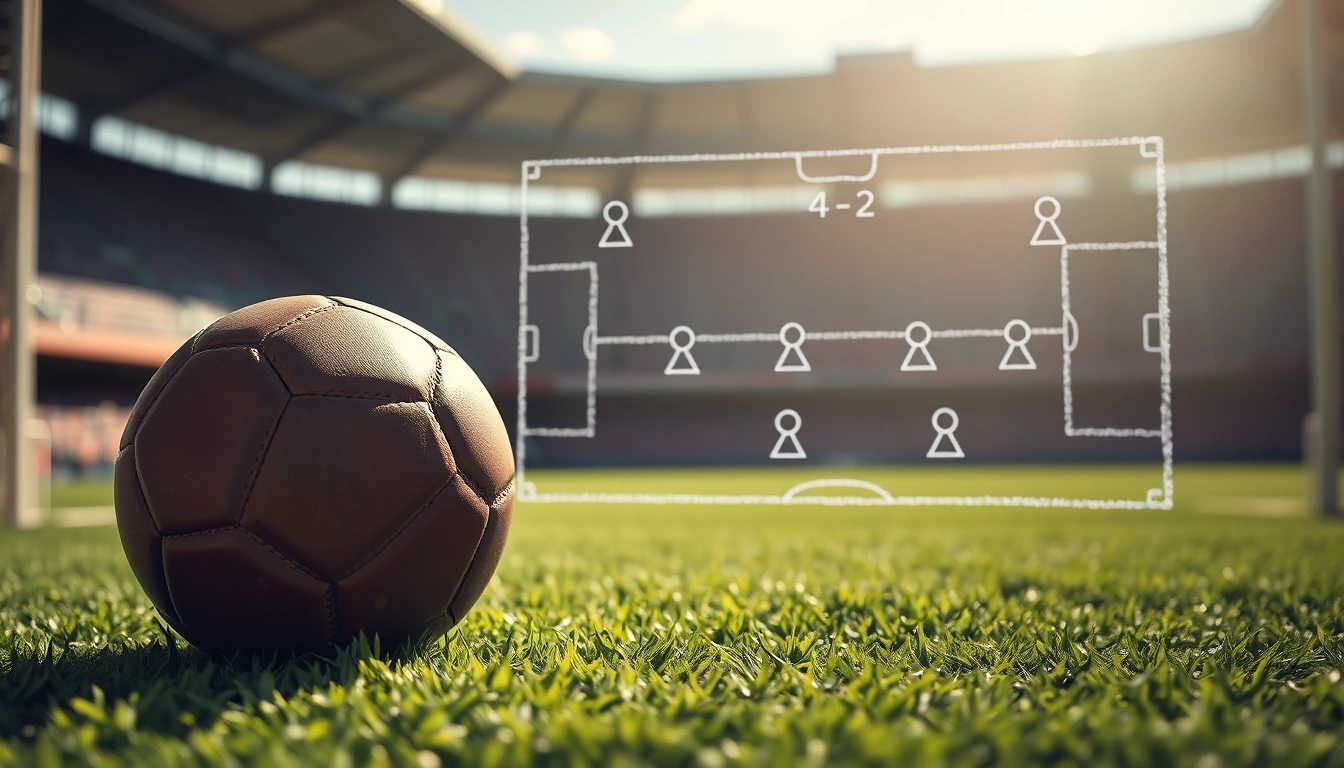
Alright, let’s cut to the chase: the 4-4-2 formation, once the bread and butter of football tactics, is often written off as old-school or even passé in today’s fast-evolving game. But does it still pack a punch? Spoiler alert: yes, but with a twist. The classic 4-4-2 isn’t just some dusty relic collecting cobwebs on the tactical shelf. Instead, it’s like that vintage leather jacket — sometimes out of fashion, but always ready to make a statement when styled right.
First off, the simplicity and balance of the 4-4-2 remain undeniable assets. Two banks of four provide defensive solidity and midfield control, while the duo up front keeps the pressure on opposing defenses. However, the modern game demands more fluidity and versatility, so coaches have had to tweak the old formula.
| Aspect | Classic 4-4-2 | Modern Adaptations |
|---|---|---|
| Midfield Shape | Flat four midfielders | Diamond or staggered midfield for more creativity |
| Striker Roles | Two traditional strikers up front | One striker drops deep; second plays wider or as a false nine |
| Defensive Line | Flat back four | Sometimes a high line with pressing tactics |
| Flexibility | Rigid shape | More fluid, with wingbacks or midfielders swapping roles |
Look, the 4-4-2’s biggest challenge today is the rise of formations like 4-3-3 or 3-5-2 that emphasize midfield dominance and overloads. Modern teams often want to control the center of the pitch with extra bodies, something the flat four midfield can struggle with. But here’s where the clever managers come in — by adjusting player roles or tweaking positioning, they can still get the best out of 4-4-2.
- Counter-attacking specialists: Teams that thrive on quick breaks often love 4-4-2 because it naturally sets up two strikers ready to pounce.
- Defensive resilience: The two banks of four are easier to organize, making it a solid choice against stronger opponents.
- Fan familiarity: Sometimes, it’s just about giving players a clear, straightforward system to follow without overcomplicating things.
But let’s not kid ourselves — the 4-4-2 isn’t a magic bullet anymore. It demands high work rates, especially from the wide midfielders, who must shuttle up and down tirelessly. Without that, teams risk getting steamrolled in midfield. Plus, in a world where pressing and positional play reign supreme, the classic 4-4-2 can look a bit… well, naive.
Practical Tips for Coaches Wanting to Use 4-4-2 Today:- Encourage wide midfielders to be dynamic, capable of both defending and supporting attacks.- Consider a midfield diamond to add creativity and better ball retention.- Use one striker as a target man and the other as a more mobile forward.- Train the defense to maintain a compact shape but be ready to push up for pressing.- Embrace flexibility: switch to 4-4-2 when counter-attacking or defending a lead.
In the end, the 4-4-2’s survival depends on how well it’s adapted to modern demands. It may not dominate the headlines like some flashy 3-4-3 setups, but it’s still a trusty old dog that can bite when you least expect it.
Practical Tips for Coaches Using 4-4-2
So, you’re thinking about rolling out the 4-4-2 formation in your team’s next match or maybe just tweaking it a bit? Well, you’re in the right place. This classic setup isn’t just some dusty old tactic—it’s got real teeth if you know how to handle it. But beware, it’s not a magic potion; it needs some love and fine-tuning to work wonders today.
First things first: understand your players. The beauty of 4-4-2 lies in its balance, but that balance can tip over if your squad isn’t suited for it. You want two strikers who can either link up well or cause chaos with runs behind the defense. Midfielders should be versatile—both hardworking and creative. Defenders? Solid, disciplined, and communicative. If your lineup doesn’t fit this mold, you might be forcing a square peg into a round hole.
| Position | Key Attributes | Coaching Focus |
|---|---|---|
| Strikers (2) | Finishing, positioning, link-up play | Encourage movement and combination plays |
| Midfielders (4) | Stamina, passing, tactical awareness | Balance defense and attack, control tempo |
| Defenders (4) | Marking, tackling, positioning | Maintain shape, communicate constantly |
Now, here’s a nugget many coaches overlook: work on the midfield’s flexibility. The 4-4-2 can sometimes look rigid, but if your midfield four can shift dynamically—two holding, two pushing forward—you’ll keep the opposition guessing. Don’t expect your wide midfielders just to hug the sidelines; they need to track back hard and support fullbacks, but also be ready to sprint forward and whip in crosses.
- Tip #1: Drill your midfielders on quick transitions from defense to attack.
- Tip #2: Encourage strikers to drop slightly to create space or drag defenders out of position.
- Tip #3: Train defenders to maintain a compact line but be ready to step out and intercept.
Oh, and don’t forget set pieces! The 4-4-2 offers some neat setups for corners and free-kicks if you assign roles smartly. One striker can lurk for knockdowns, the other can attack near-post flick-ons, while midfielders and defenders cover the zones.
One last piece of advice: expect to adapt mid-game. The 4-4-2 isn’t some static formula. If the opponent’s midfield starts bossing the game, don’t be afraid to tweak your shape—maybe push a midfielder deeper or swap a winger for a more defensive-minded player. Flexibility is your friend.
In short, the 4-4-2 is a classic for a reason, but it demands smart coaching. Know your players, emphasize balance, and keep that tactical brain ticking during the match. With these tips, you’re not just running an old-school formation—you’re wielding a timeless weapon.
Frequently Asked Questions
- What exactly is the 4-4-2 formation in football?
The 4-4-2 is a classic football formation featuring four defenders, four midfielders, and two strikers. Think of it as a well-balanced sandwich where each layer supports the others — solid defense at the back, a versatile midfield, and striking power upfront. It’s all about balance and simplicity, making it a go-to for many teams over the decades.
- Why did the 4-4-2 formation become so popular worldwide?
Its rise to fame boils down to its straightforwardness and adaptability. Coaches loved how it offered a strong defensive base while still allowing midfielders to control the game and support the attack. Imagine it as a Swiss Army knife — versatile enough to handle various tactical challenges, which made it a fan favorite for years.
- Who were some of the famous teams or managers known for using the 4-4-2?
Legends like Sir Alex Ferguson’s Manchester United and Fabio Capello’s AC Milan famously deployed the 4-4-2 with great success. These teams demonstrated how the formation could be both solid and dynamic, blending defensive resilience with attacking flair — a true tactical masterpiece.
- Has the 4-4-2 formation become outdated?
Not entirely! While modern football has seen a shift toward more fluid and complex systems, the 4-4-2 still holds value. It’s like a classic car — maybe not the flashiest on the street, but reliable and effective when tuned right. Coaches today sometimes tweak it to fit modern demands, proving its lasting relevance.
- What are the main challenges when playing with a 4-4-2 formation?
One big challenge is maintaining midfield control since only four players cover a large area. If the midfield gets overloaded, the team can struggle to keep possession or defend effectively. Also, the two strikers need to work closely to break down defenses, requiring good chemistry and movement.
- Can beginners easily implement the 4-4-2 formation?
Absolutely! Its simplicity makes it perfect for beginners learning tactical basics. It teaches players about positioning, teamwork, and balance between attack and defense without overwhelming complexity. Think of it as the ABCs of football formations — a solid foundation to build on.