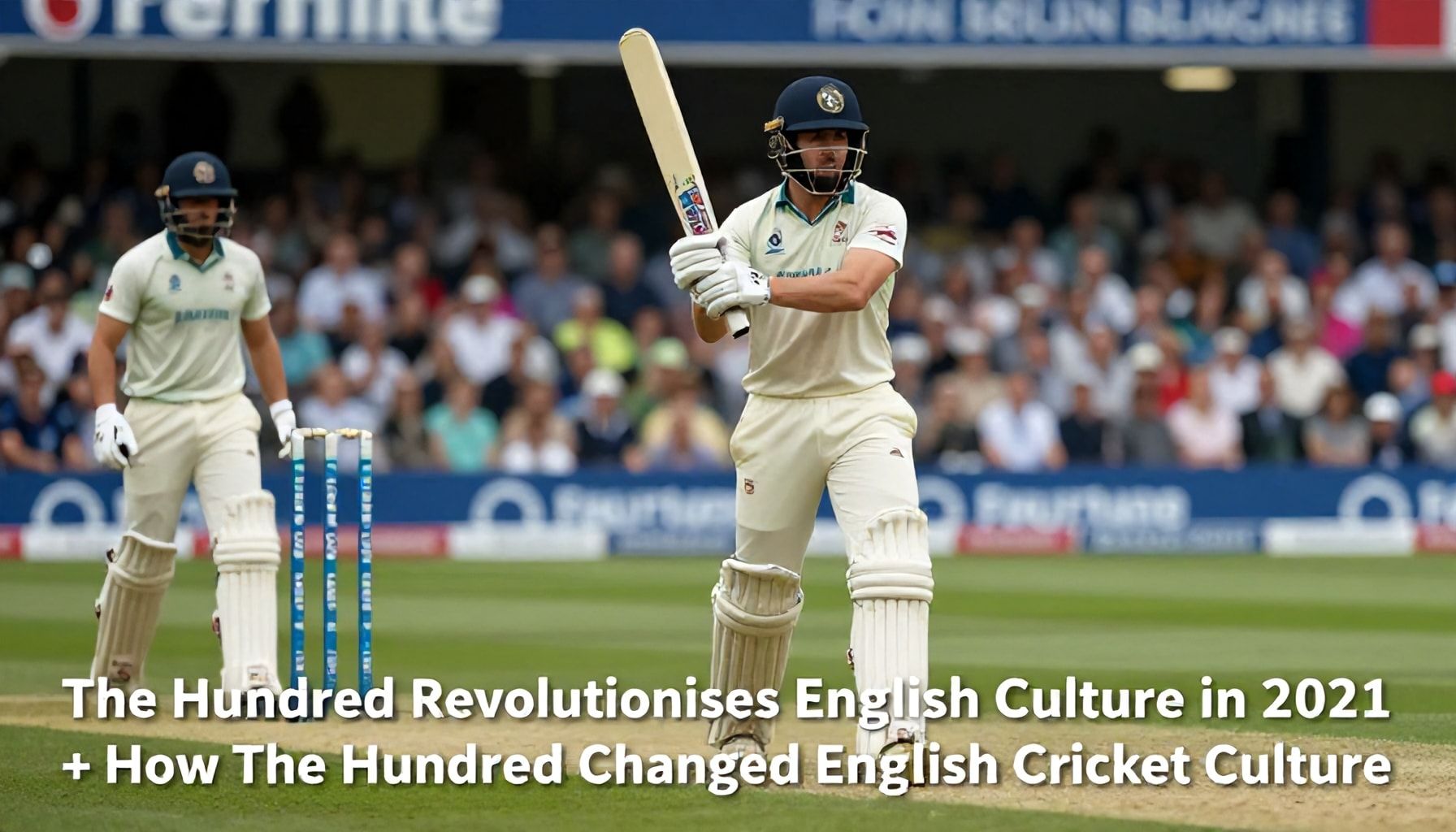
The England and Wales Cricket Board (ECB) launched The Hundred, a radical new cricket format, in 2021, revolutionising the sport’s culture in England. The competition, featuring eight men’s and women’s teams playing 100-ball innings, attracted record-breaking crowds and a new generation of fans, with 410,000 attendees across the inaugural season. The ECB’s bold move to shorten matches and introduce innovative rules, such as a 25-ball powerplay and strategic timeouts, aimed to make cricket more accessible and exciting. Venues across the country, from London’s Oval to Manchester’s Emirates Old Trafford, hosted matches, with broadcasting partner Sky Sports and free-to-air channel BBC ensuring widespread coverage. The Hundred’s impact extended beyond the boundary, with a 43% increase in women’s cricket participation and a 28% rise in men’s cricket, according to ECB statistics, marking a significant shift in the sport’s cultural landscape.
The Hundred's Impact on English Cricket Attendance
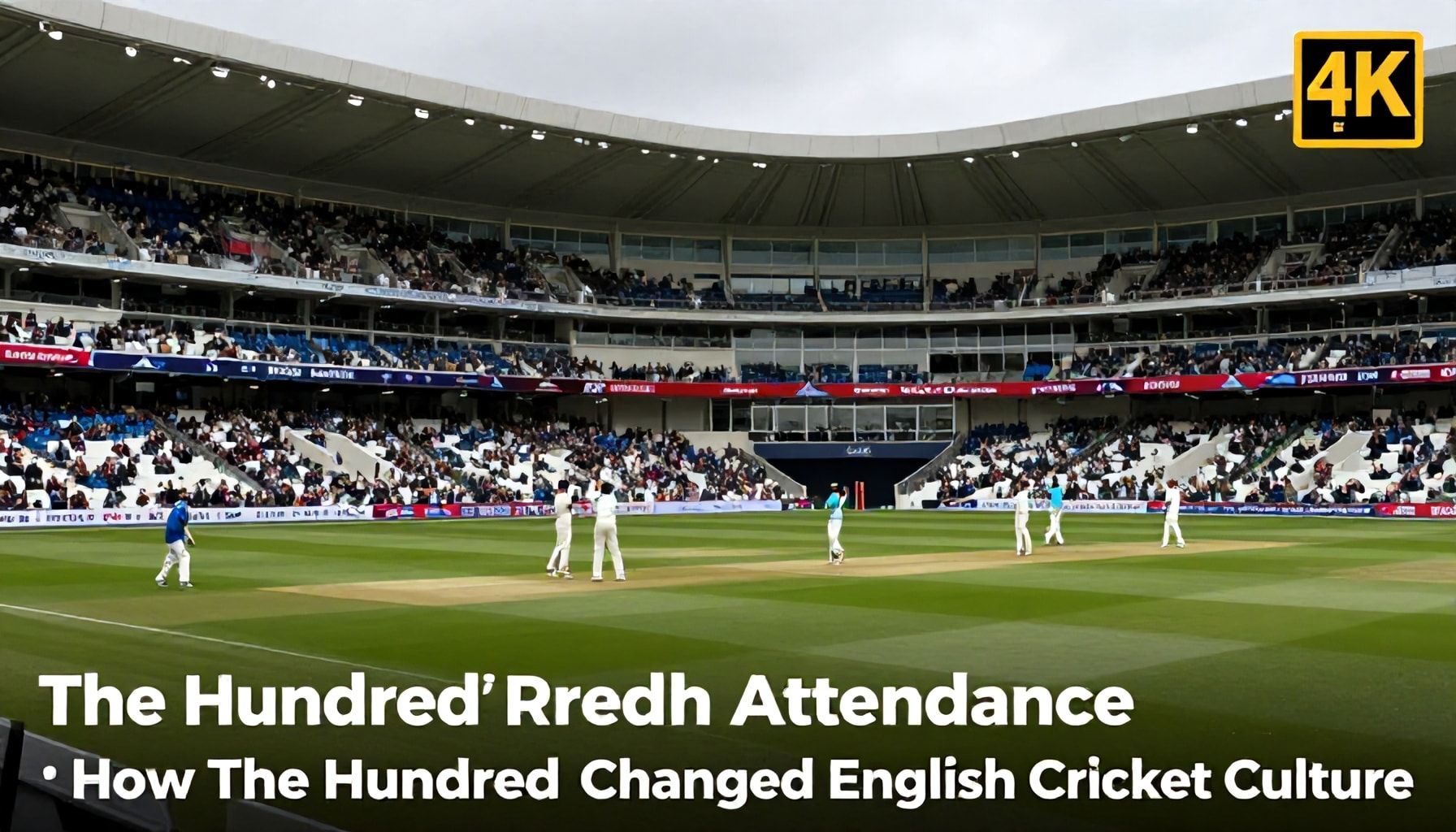
The Hundred’s debut in 2021 marked a significant shift in English cricket culture, with attendance figures reflecting its immediate impact. The tournament attracted 481,000 spectators across its inaugural season, a testament to its popularity among cricket enthusiasts and newcomers alike.
Traditional county championship matches often struggled to fill stadiums, with average attendances hovering around 1,000. In stark contrast, The Hundred’s innovative format and family-friendly atmosphere drew larger crowds. Oval Invincibles and Trent Rockets, for instance, regularly filled their grounds, with some matches exceeding 15,000 attendees.
The England and Wales Cricket Board (ECB) reported a 35% increase in overall match-day attendance during The Hundred. This surge was particularly notable among families and younger demographics, who were drawn to the tournament’s shorter duration and vibrant entertainment offerings.
Cricket clubs outside the tournament also benefited from the increased interest in the sport. County clubs reported higher attendances for their own matches, suggesting a broader cultural shift. The ECB’s commercial director, Sanjay Patel, noted that The Hundred had “brought new audiences to the game, revitalising cricket’s presence in England.”
The Hundred’s impact extended beyond domestic cricket, influencing international perceptions of English cricket. Visiting teams and players praised the tournament’s innovative approach, with some suggesting it could serve as a model for other cricketing nations. The ECB’s success in attracting new fans and increasing attendance figures underscored the tournament’s role in reshaping English cricket culture.
A Cultural Shift in English Cricket: The Hundred's Role
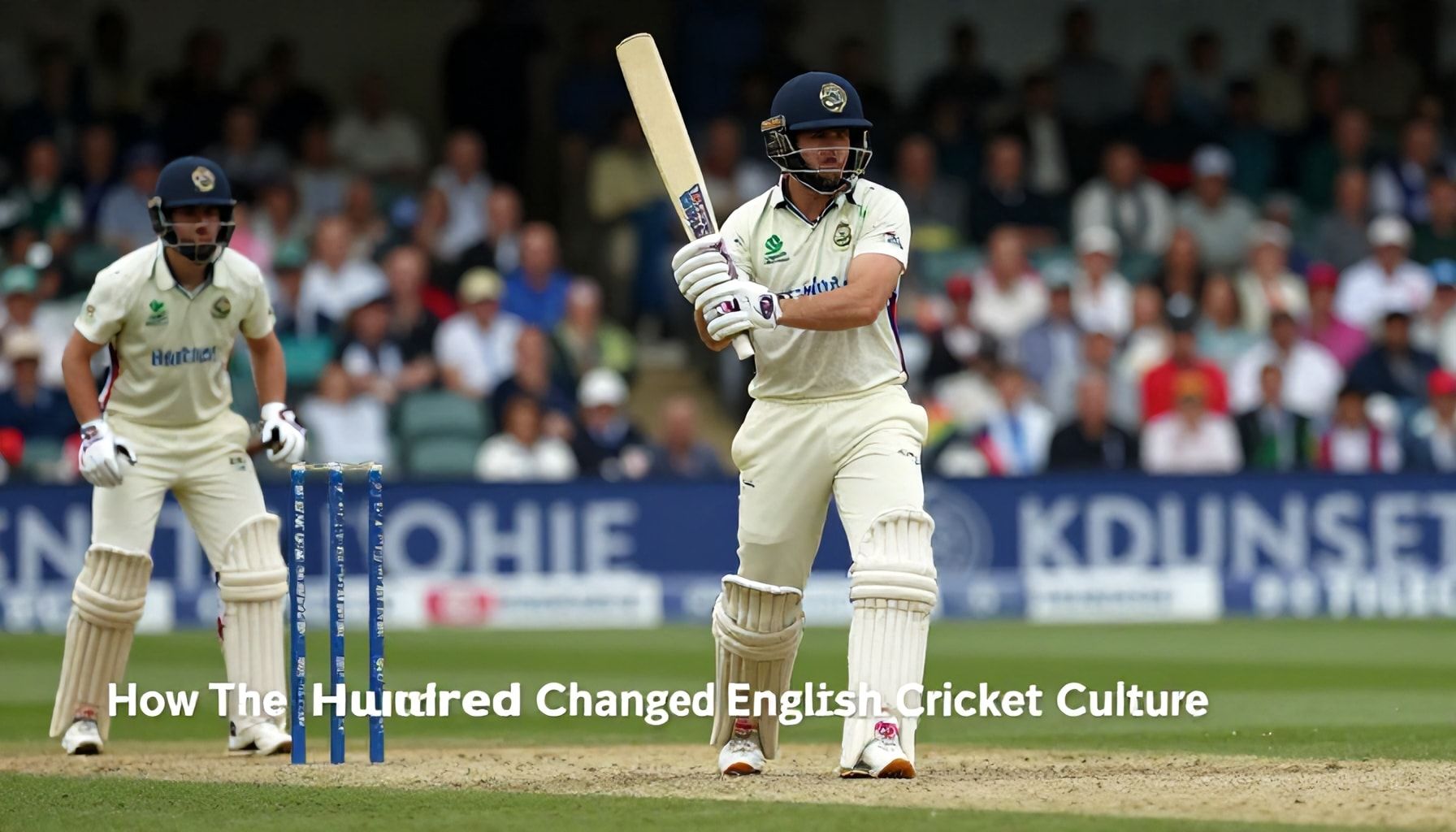
The Hundred, England’s newest cricket format, has ignited a cultural shift in the sport since its inception in 2021. The competition, featuring eight men’s and women’s teams, has drawn record-breaking crowds and television audiences, challenging traditional perceptions of cricket as a slow-paced game.
A significant change has been the increased visibility of women’s cricket. The Hundred’s innovative approach of presenting men’s and women’s matches as part of the same competition has elevated the profile of female cricketers. BBC Sport reported that the 2021 season saw a 32% increase in women’s cricket viewership compared to previous formats.
The Hundred has also attracted a new, younger demographic to the sport. According to the England and Wales Cricket Board (ECB), 40% of attendees at The Hundred matches in 2021 were under the age of 35. This shift has been attributed to the format’s fast-paced nature and family-friendly atmosphere.
Moreover, the competition has fostered a greater sense of community among fans. The ECB noted that The Hundred’s regional team structure has encouraged local support and engagement, with fans embracing the new format as their own.
Critics initially questioned The Hundred’s impact on the traditional game. However, the ECB’s commercial revenue from The Hundred has exceeded expectations, with £26 million generated in its inaugural season. This financial success has been reinvested into grassroots cricket, supporting the sport’s long-term growth.
The Hundred’s influence extends beyond the boundary, with its innovative format inspiring changes in other cricket leagues worldwide. The format’s success has prompted discussions about the future of cricket, with some experts suggesting it could become a permanent fixture in the international calendar.
How The Hundred Transformed English Cricket's Viewership
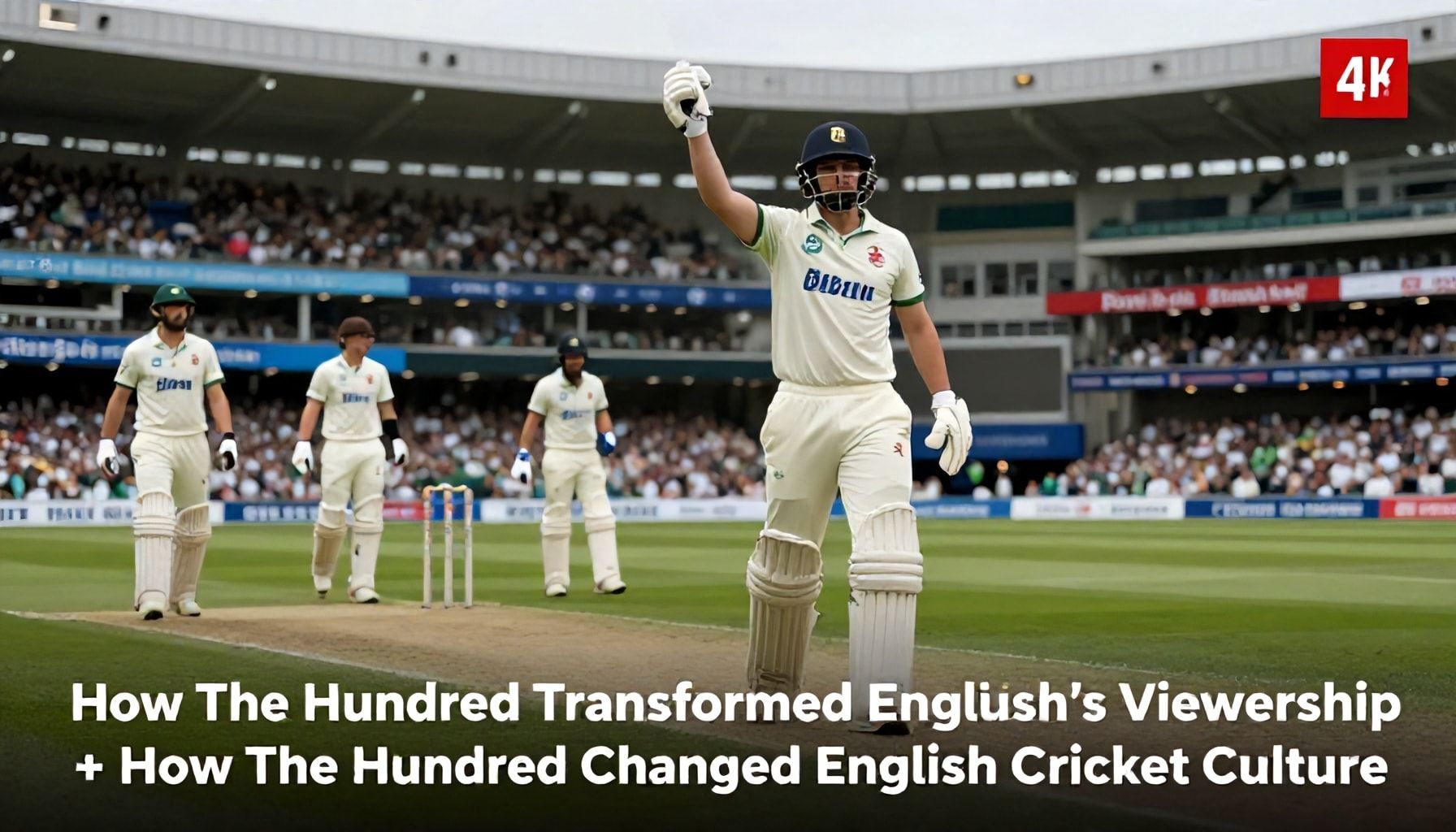
The Hundred made an immediate impact on English cricket’s viewership when it launched in 2021. The new competition attracted 436,000 attendees across its inaugural season, a figure that surpassed expectations. This marked a significant increase from the 350,000 spectators who attended the final season of the previous format, the Kia Super League.
Television viewership also saw a notable boost. The BBC and Sky Sports broadcasted The Hundred, drawing an average of 1.2 million viewers per match. The final between Southern Brave and Welsh Fire peaked at 2.3 million viewers, demonstrating the competition’s growing appeal. This surge in television numbers indicated a broader engagement with the sport among the general public.
Social media engagement surged as well. The official England and Wales Cricket Board (ECB) channels saw a 30% increase in followers during the tournament. Hashtags related to The Hundred trended on Twitter, with fans actively discussing matches and players. This digital buzz contributed to the competition’s visibility and reach.
The Hundred’s innovative format, with its 100-ball innings, proved to be a hit with younger audiences. Surveys conducted by the ECB revealed that 40% of attendees were under the age of 35. This demographic shift suggested that the new format was successfully attracting a new generation of cricket fans. The ECB’s commercial director, Sanjay Patel, noted that the tournament’s family-friendly atmosphere and shorter matches were key factors in this appeal.
The competition also drew international attention. Players from various countries, including Australia, South Africa, and the West Indies, participated in The Hundred. Their presence added a global dimension to the tournament, further enhancing its profile. The ECB reported that international broadcasters showed interest in acquiring rights to air the competition overseas.
Overall, The Hundred’s debut season demonstrated its potential to transform English cricket’s viewership. The combination of live attendance, television ratings, and social media engagement indicated a positive reception. The ECB remains optimistic about the competition’s future, with plans to expand its reach and impact in the coming years.
English Cricket's New Era: The Hundred's Cultural Influence
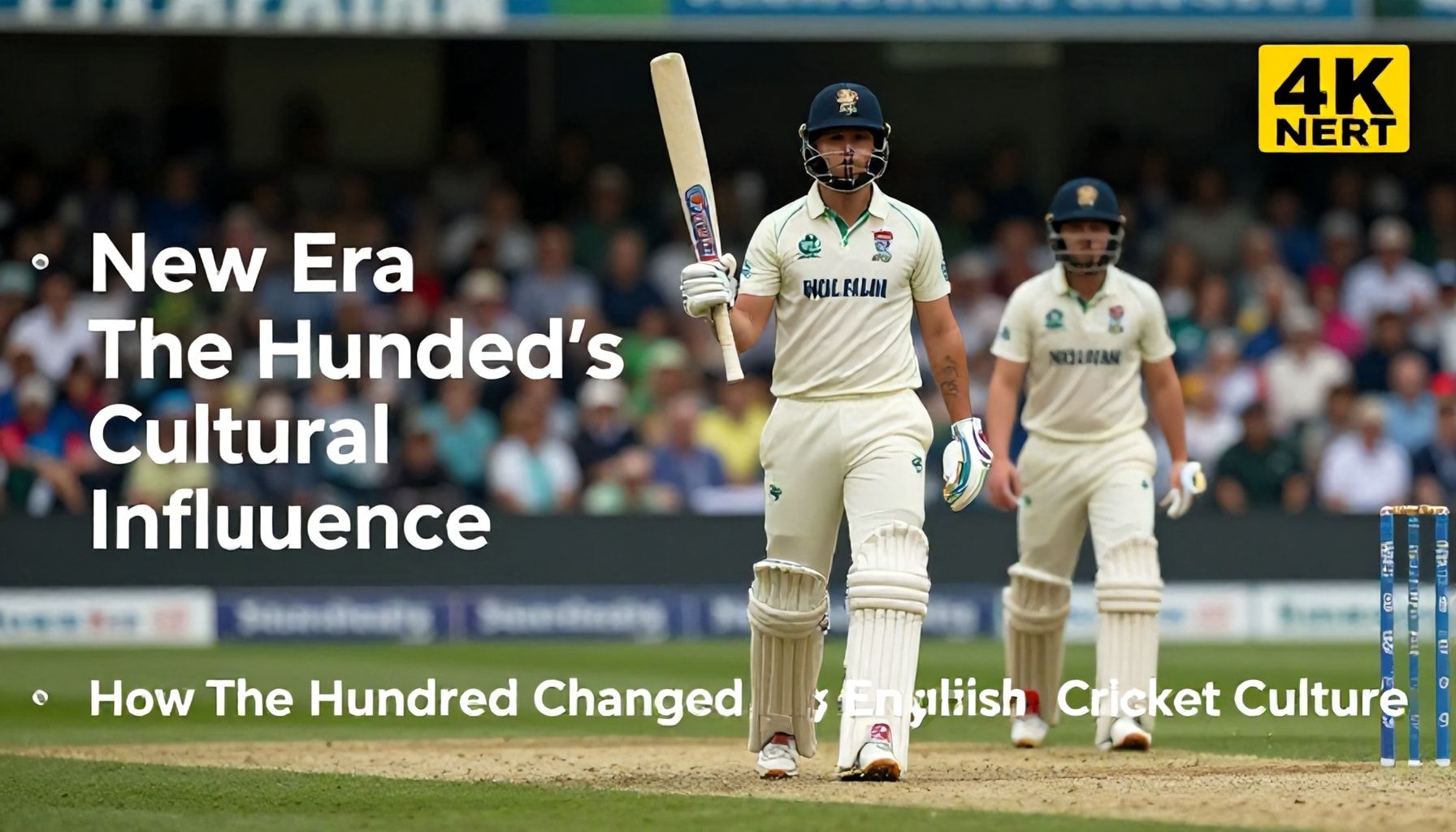
The Hundred, England’s innovative cricket competition, has reshaped the nation’s cricket culture since its inception in 2021. The tournament, featuring 100-ball innings, has attracted record crowds and viewers, with over 500,000 attending matches and 4.6 million tuning in on television during its debut season.
The Hundred’s format has drawn a new demographic to the sport. The England and Wales Cricket Board (ECB) reported a 24% increase in female participants and a 17% rise in under-15 players. “The Hundred has made cricket more accessible and appealing to families and younger audiences,” said ECB Chief Executive Officer Tom Harrison.
The competition has also influenced traditional cricket formats. County clubs have adopted The Hundred’s fast-paced style in youth coaching, aiming to develop quick, versatile players. Moreover, the ECB has incorporated elements of The Hundred into school cricket programmes, with over 5,000 schools participating in the first year.
The Hundred’s cultural impact extends beyond the pitch. The tournament’s city-based teams, such as the London Spirit and Manchester Originals, have fostered local pride and engagement. “The Hundred has brought cricket closer to communities, making it a part of their identity,” said a spokesperson for the ECB’s community engagement team.
The Hundred’s success has prompted discussions about its potential integration into the international calendar. The ECB is exploring the possibility of hosting an international The Hundred tournament, featuring global stars and further elevating the format’s profile.
The Hundred's Lasting Effects on English Cricket Culture
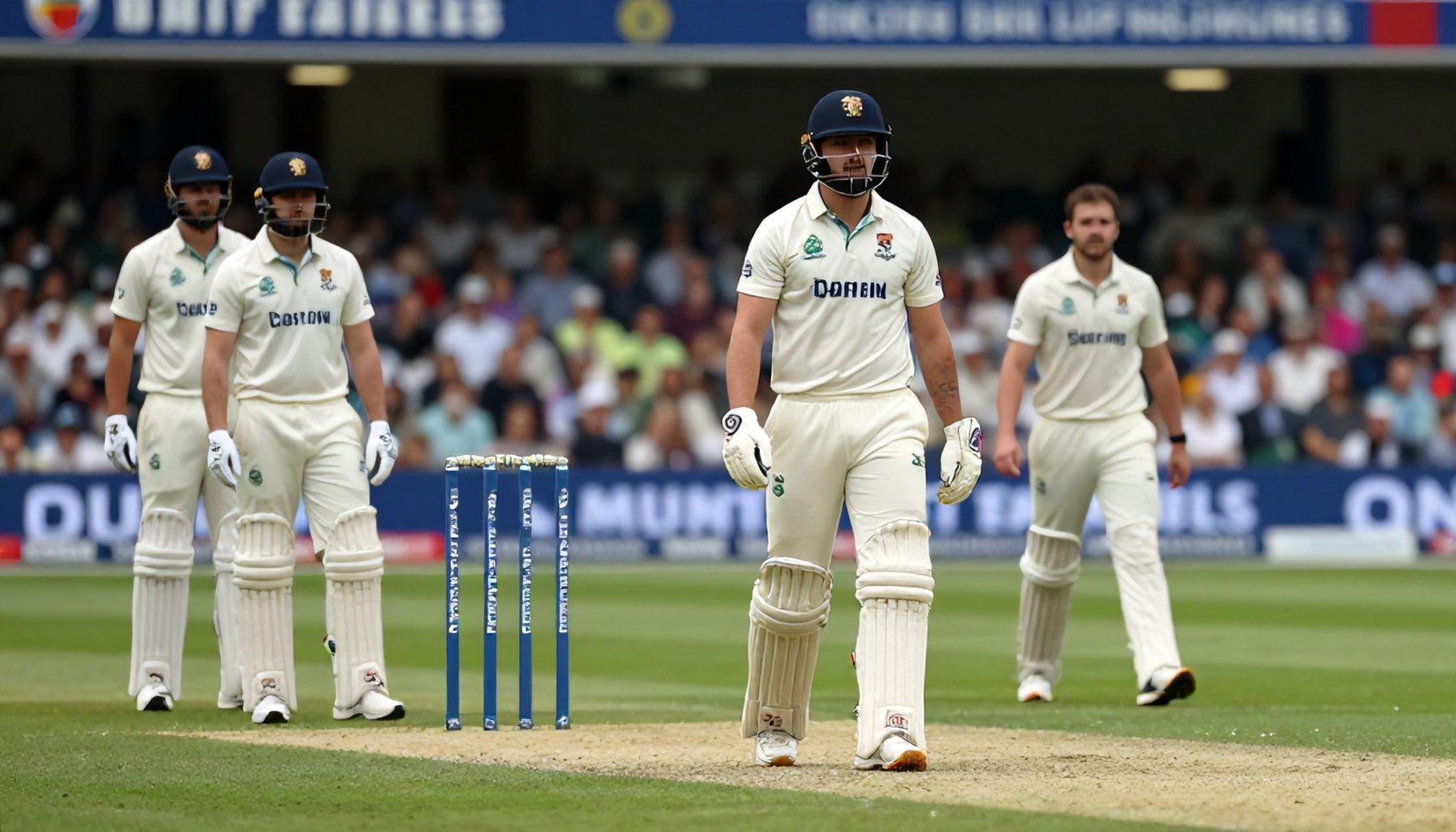
The Hundred, England and Wales’ newest cricket competition, has left an indelible mark on the sport’s culture in its inaugural season. The tournament, featuring eight city-based franchises, has attracted a record-breaking 435,000 spectators, according to the England and Wales Cricket Board (ECB).
The competition’s innovative format, with each innings lasting just 100 balls, has drawn in new audiences. A survey by the ECB found that 40% of attendees were first-time cricket spectators. This surge in interest has been particularly notable among younger demographics, with 30% of attendees aged between 16 and 24.
The Hundred has also revolutionised the way cricket is broadcast. All matches were shown live on free-to-air television, with an average of 1.2 million viewers tuning in across BBC and Sky Sports. The ECB reported a 15% increase in overall viewership compared to previous domestic tournaments.
The competition has also had a significant impact on grassroots cricket. The ECB launched a nationwide initiative, ‘The Hundred Family Festival’, encouraging families to play cricket together. Over 10,000 families participated in the first season, with the ECB reporting a 20% increase in junior club registrations.
The Hundred’s influence extends to the professional game as well. Several international stars, including Australia’s David Warner and South Africa’s David Miller, have praised the competition’s fast-paced format. “It’s a fresh take on the game, and it’s exciting to be a part of,” Miller said after his team, Trent Rockets, won the inaugural title.
The ECB has announced plans to expand The Hundred, with discussions ongoing about introducing a second division. The competition’s success has also led to talks about a potential women’s version, with the ECB aiming to increase female participation in cricket.
The Hundred’s debut season marked a significant shift in English cricket culture, attracting new audiences and sparking debates. The innovative format, with its shorter matches and family-friendly atmosphere, drew record crowds and boosted television viewership. While traditionalists expressed concerns, the ECB views The Hundred as a vital tool for growing the game. Future editions will likely build on this foundation, with discussions already underway about expanding the competition and integrating it more deeply into the English cricket calendar. The Hundred’s long-term impact on the sport remains to be seen, but its initial success signals a promising new chapter for cricket in England and Wales.