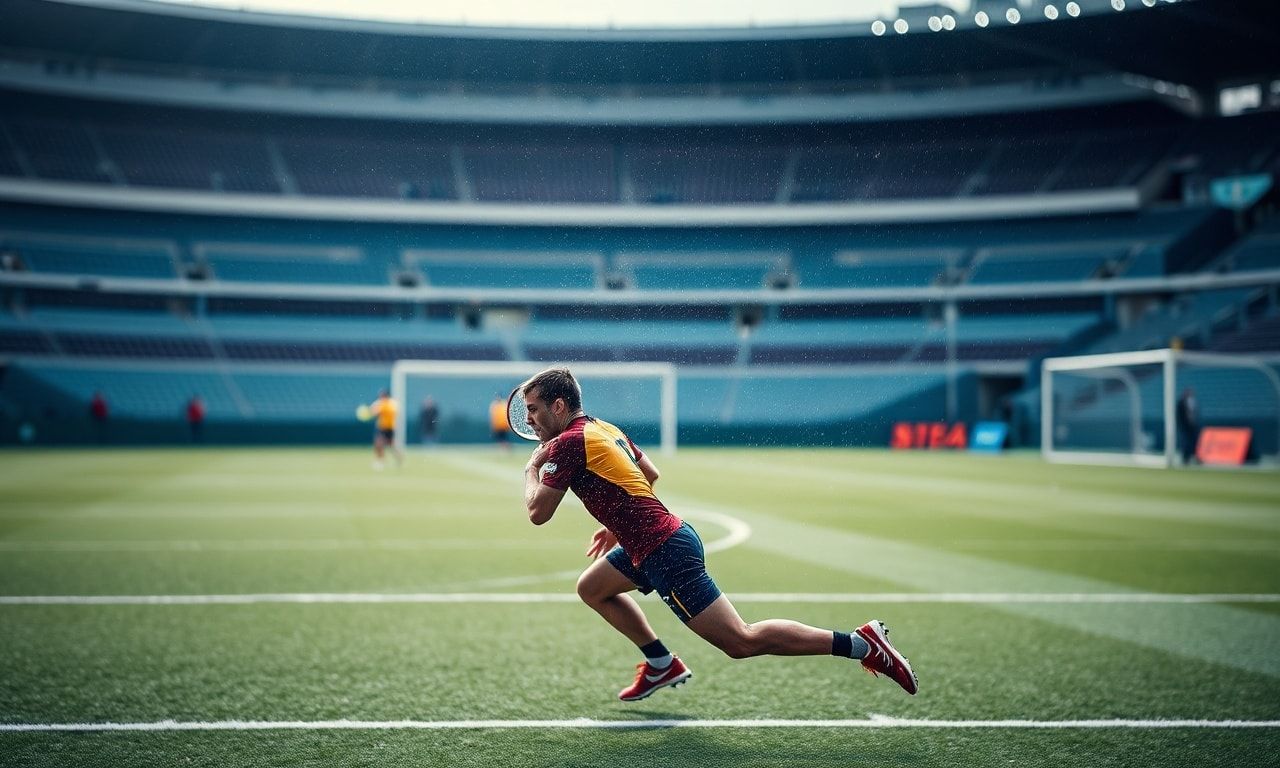
The Intersection of Sports and Weather
In the world of sports, athletes are constantly pushing their limits to achieve peak performance. However, one often overlooked factor that can significantly influence their performance is the weather. From scorching heat to freezing cold, weather conditions can either be an athlete’s best friend or worst enemy. Understanding how different weather conditions affect sports performance is crucial for athletes, coaches, and fans alike.
Weather conditions can impact various aspects of sports, including endurance, speed, and even strategy. For instance, high temperatures can lead to dehydration and fatigue, while cold weather can cause muscle stiffness and reduced flexibility. Moreover, wind speed and direction can affect ball trajectories in sports like soccer, basketball, and baseball. Therefore, athletes must be aware of these factors and adapt their training and strategies accordingly.
To stay informed about the latest weather conditions, athletes and sports enthusiasts can rely on platforms like real time global temperature updates. These resources provide up-to-date information on temperature, humidity, wind speed, and other critical weather parameters, helping athletes make informed decisions about their training and performance.
Heat and Humidity: The Silent Performance Killers
High temperatures and humidity levels can pose significant challenges for athletes, particularly those involved in endurance sports like marathon running, cycling, and soccer. When the body is exposed to high temperatures, it loses water through sweating, leading to dehydration. Dehydration can cause fatigue, muscle cramps, and even heat stroke, all of which can severely impact an athlete’s performance.
To mitigate the effects of heat and humidity, athletes should ensure they are well-hydrated before, during, and after their activities. Wearing lightweight, breathable clothing and using cooling vests or towels can also help regulate body temperature. Additionally, scheduling training sessions during cooler parts of the day, such as early morning or late evening, can reduce the risk of heat-related illnesses.
The Chill Factor: Cold Weather Challenges
Cold weather presents its own set of challenges for athletes. Low temperatures can cause muscles to stiffen, reducing flexibility and increasing the risk of injuries. Additionally, cold air can constrict the airways, making it harder for athletes to breathe, particularly those with respiratory conditions.
To combat the effects of cold weather, athletes should wear layers of clothing that can be easily removed or added as needed. Warming up properly before activities is also crucial to increase blood flow to the muscles and improve flexibility. Using heat packs or engaging in dynamic stretches can help prepare the body for the demands of cold weather sports.
Wind: The Invisible Opponent
Wind speed and direction can significantly impact the performance of athletes in sports that involve projectiles, such as soccer, basketball, and baseball. Wind can alter the trajectory of a ball, making it harder for athletes to predict its path and react accordingly. For example, a strong headwind can reduce the distance a soccer ball travels, while a tailwind can increase it.
Athletes must learn to adapt their techniques to account for wind conditions. Practicing in various wind conditions can help athletes develop the skills needed to compensate for wind’s effects. Additionally, using wind-resistant equipment, such as dimpled soccer balls or aerodynamic basketballs, can help minimize the impact of wind on performance.
Rain and Wet Conditions: Slippery Situations
Rain and wet conditions can create slippery surfaces, increasing the risk of slips, falls, and other injuries. In sports like soccer, basketball, and tennis, wet conditions can make the ball slippery, affecting its grip and control. Moreover, wet clothing can add weight and restrict movement, further impacting an athlete’s performance.
To perform optimally in wet conditions, athletes should wear appropriate footwear with good traction to prevent slipping. Using water-resistant equipment and clothing can also help keep athletes dry and comfortable. Practicing in wet conditions can improve an athlete’s adaptability and confidence in handling such situations.
Adapting to Weather Conditions: Strategies for Success
Adapting to different weather conditions is essential for athletes to perform at their best. Here are some strategies that athletes can use to adapt to various weather conditions:
- Hydration: Staying hydrated is crucial, especially in hot and humid conditions. Athletes should drink plenty of fluids before, during, and after their activities.
- Clothing: Wearing appropriate clothing for the weather can help regulate body temperature and improve comfort. Lightweight, breathable clothing is ideal for hot weather, while layers are suitable for cold weather.
- Warm-Up: A proper warm-up is essential to prepare the body for physical activity, regardless of the weather. Dynamic stretches and light exercises can increase blood flow and improve flexibility.
- Training: Practicing in various weather conditions can help athletes develop the skills and confidence needed to perform well in any situation.
- Equipment: Using equipment designed for specific weather conditions can enhance performance and reduce the risk of injuries. For example, water-resistant balls and shoes with good traction are ideal for wet conditions.
In conclusion, weather conditions play a significant role in sports performance. Athletes must understand how different weather conditions affect their performance and adapt their strategies accordingly. By staying informed about the latest weather updates and using appropriate equipment and techniques, athletes can overcome the challenges posed by weather and achieve their best performance.
As you gear up for the next big event, don’t miss out on the celestial spectacle coming our way. Check out the ultimate eclipse guide to ensure you’re ready for the Great American Eclipse of 2024!
Elevate your athletic style with the latest trends as we dive into 2023’s freshest fashion for athletes, ensuring you look and perform your best on and off the field.
Stay ahead of the game with the latest sports updates from Türkiye, as we bring you real-time athletic news and analysis that every fitness and sports enthusiast should know.