The Global Language of Sports
Sports have a unique ability to transcend cultural, linguistic, and geographical boundaries. Whether it’s the roar of a football stadium in Brazil, the precision of a sumo match in Japan, or the strategic brilliance of a cricket game in India, sports create a universal language that unites people from all walks of life. This global connection is not just about the games themselves but also about the cultural experiences that surround them. From the vibrant festivals that accompany major sporting events to the local traditions that add color to regional competitions, sports are a melting pot of cultural expressions.
The Role of Major Sporting Events
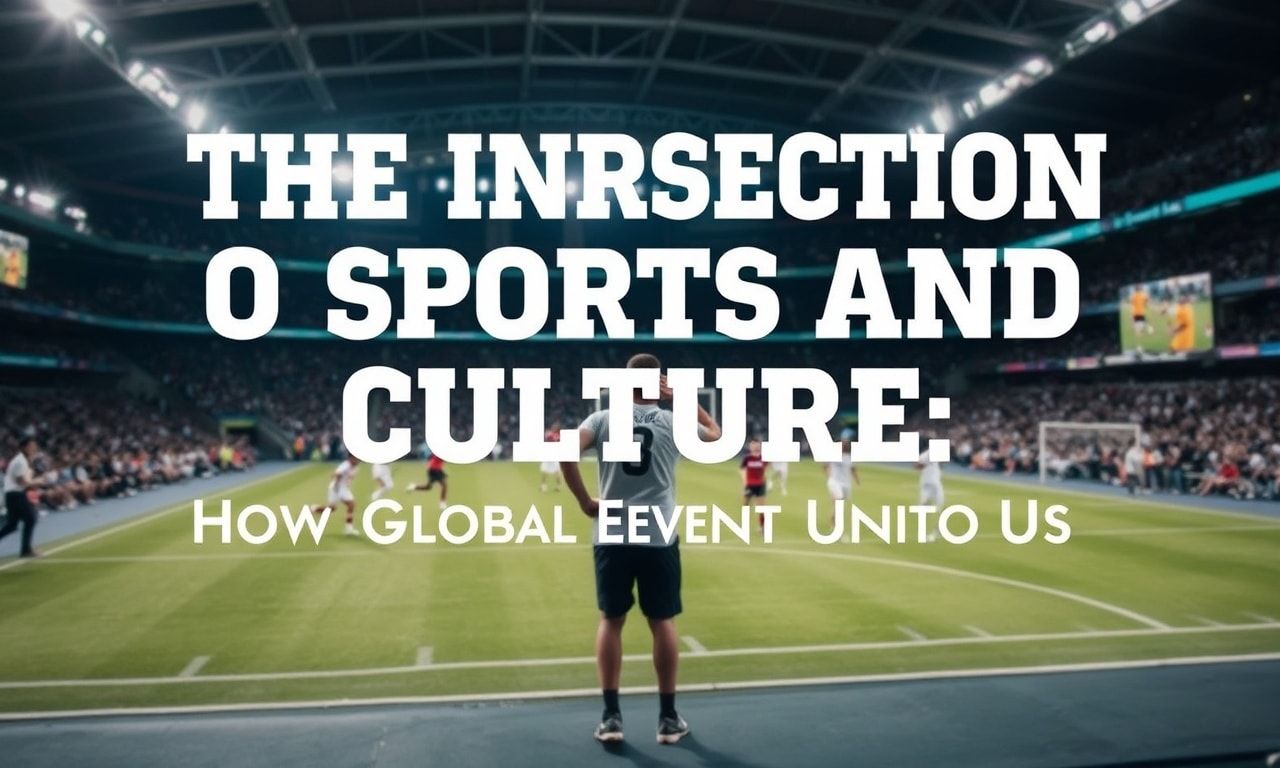
Major sporting events like the Olympics, the FIFA World Cup, and the Commonwealth Games are not just platforms for athletic excellence; they are also stages for cultural exchange. These events bring together athletes, fans, and spectators from around the world, creating a mosaic of traditions, cuisines, and customs. For instance, the Olympics, held every four years, is a celebration of global unity. Athletes from over 200 countries compete in a variety of sports, each bringing their unique cultural heritage to the forefront. The opening and closing ceremonies are particularly notable for their cultural performances, showcasing the host country’s traditions and values to a global audience.
Similarly, the FIFA World Cup is a spectacle that goes beyond the beautiful game. The host country often incorporates local customs and traditions into the event, creating a rich tapestry of cultural experiences. From the lively street parties in Brazil to the traditional dances in South Africa, the World Cup is a testament to the power of sports in fostering cultural understanding and appreciation. These events not only highlight the athletic prowess of the participants but also serve as a platform for cultural diplomacy, bridging gaps and fostering mutual respect among nations.
Cultural Experiences Beyond the Stadium
Sports events are not confined to the stadiums; they extend into the cities and communities that host them. Fans and tourists flock to these locations, eager to immerse themselves in the local culture. For example, during the 2012 London Olympics, visitors were treated to a variety of cultural experiences, from traditional English tea ceremonies to modern art exhibitions. The city’s vibrant markets, historic landmarks, and diverse culinary scene were all part of the Olympic experience, offering a glimpse into the rich cultural heritage of the host nation.
In a similar vein, the 2010 FIFA World Cup in South Africa showcased the country’s rich cultural tapestry. Visitors were introduced to traditional African music, dance, and art, providing a deeper understanding of the host country’s history and traditions. The event also highlighted the importance of sports in promoting social cohesion and national pride. The vibrant street markets, known as أفضل مناطق التسوق في العالم العربي, offered a unique shopping experience, blending local crafts with global influences. These cultural experiences not only enrich the sporting event but also leave a lasting impact on the visitors, fostering a sense of global citizenship and cultural appreciation.
The Impact of Sports on Local Economies
Major sporting events have a significant economic impact on the host cities and countries. They generate substantial revenue through tourism, hospitality, and infrastructure development. The influx of visitors brings a boost to local businesses, from hotels and restaurants to retail stores and transportation services. For instance, the 2008 Beijing Olympics brought in an estimated $40 billion in economic benefits, including infrastructure upgrades and job creation. The event also showcased China’s rapid economic growth and technological advancements, positioning the country as a global leader in both sports and business.
The economic benefits of hosting major sporting events extend beyond the immediate financial gains. These events often lead to long-term infrastructure improvements, such as the construction of new stadiums, transportation networks, and public facilities. These developments not only enhance the host city’s capacity to host future events but also improve the quality of life for its residents. For example, the 2016 Rio Olympics led to significant investments in Rio de Janeiro’s infrastructure, including the upgrade of the city’s transportation system and the construction of new sports facilities. These improvements have had a lasting impact on the city, making it a more attractive destination for both tourists and residents.
The Cultural Legacy of Sporting Events
The cultural legacy of major sporting events is perhaps their most enduring impact. These events leave a lasting impression on the host cities and countries, shaping their cultural identity and global reputation. For instance, the 1992 Barcelona Olympics played a pivotal role in revitalizing the city’s waterfront and promoting its cultural heritage. The event showcased Catalonia’s unique traditions and values, positioning Barcelona as a global cultural hub. The Olympics also contributed to the city’s economic growth, attracting tourists and investors from around the world.
The cultural legacy of sporting events is not limited to the host cities; it extends to the global community. These events create a shared experience that transcends borders, fostering a sense of global unity and cultural appreciation. For example, the 2014 FIFA World Cup in Brazil brought together fans from around the world, creating a shared experience that celebrated the beauty of the game and the diversity of its participants. The event highlighted the importance of sports in promoting cultural understanding and mutual respect, leaving a lasting impact on the global community.
Conclusion
Sports have a unique ability to bring people together, transcending cultural, linguistic, and geographical boundaries. Major sporting events like the Olympics and the FIFA World Cup are not just platforms for athletic excellence; they are also stages for cultural exchange. These events showcase the rich cultural heritage of the host countries, fostering a sense of global unity and appreciation. The economic and cultural impacts of these events extend beyond the immediate financial gains, leaving a lasting legacy that shapes the host cities and countries. As we continue to celebrate the global language of sports, we must also recognize its power in promoting cultural understanding and mutual respect, creating a more connected and harmonious world.
Fuel your athletic adventures with the perfect cup of joe anywhere, everywhere! Discover how to travel with portable coffee makers and brew your way to global fitness feats.
If you’re eager to stay ahead in the world of sports, don’t miss our latest piece on future sports trends that are revolutionizing athletics and fitness.
As athletes and sports enthusiasts, we’re always seeking new challenges and experiences; discover how the world of travel is evolving with travel trends for adventurous spirits.