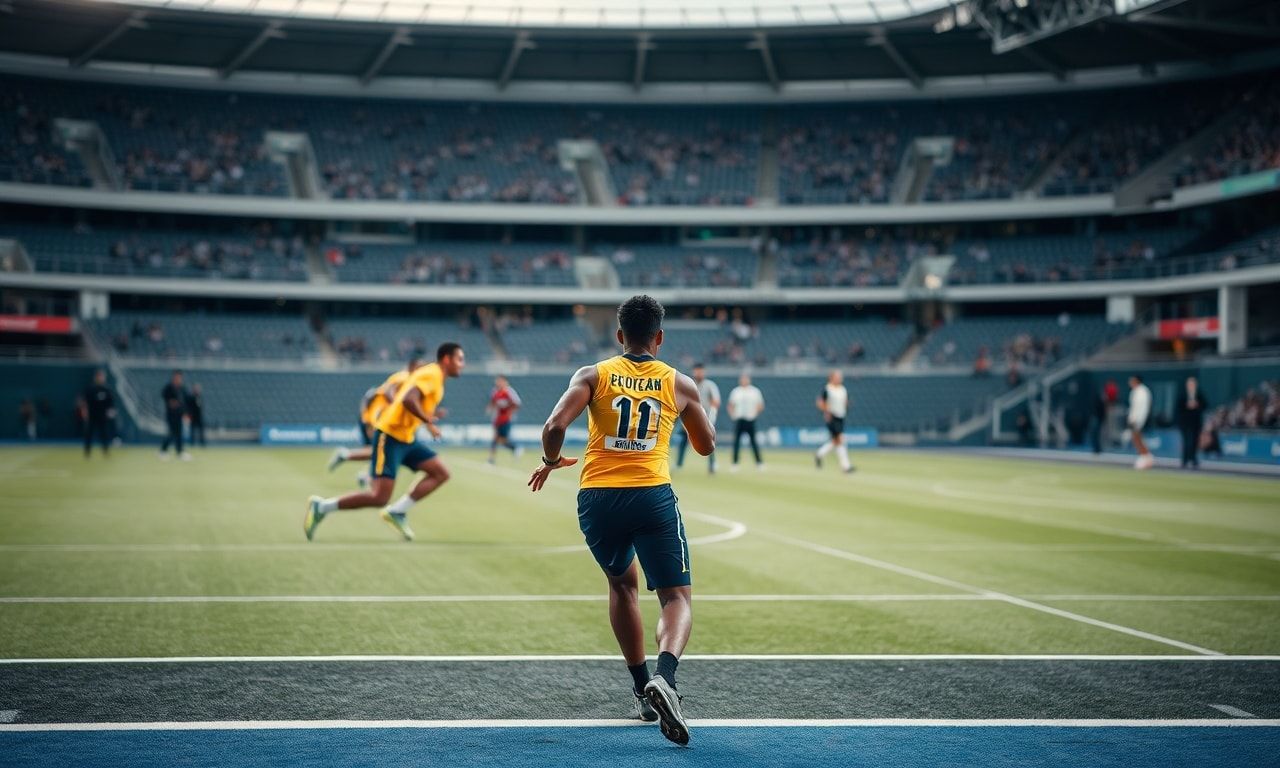
The Power of Sports in International Relations
Sports have always been a universal language, transcending borders and bringing people together. Beyond the thrill of competition, sports play a significant role in international relations, fostering goodwill and understanding among nations. Athletes, often seen as ambassadors, carry the flag of their countries not just in the arena but also in the global diplomatic stage. The impact of sports on international relations is profound, influencing political ties and cultural exchanges in ways that go beyond the scoreboard.
The Role of Major Sporting Events
Major sporting events like the Olympics, FIFA World Cup, and Commonwealth Games serve as platforms for nations to showcase their unity and strength. These events bring together athletes from diverse backgrounds, creating a melting pot of cultures and ideologies. The spirit of competition is often accompanied by a sense of camaraderie, as athletes from rival nations share moments of sportsmanship and respect. For instance, the handshake between athletes from North and South Korea during the 2018 Winter Olympics was a powerful symbol of peace and reconciliation. Such moments highlight the potential of sports to bridge divides and promote international cooperation.
Athletes as Diplomats
Athletes often find themselves in the unique position of being both competitors and diplomats. Their actions on and off the field can have significant implications for international relations. For example, Muhammad Ali’s refusal to fight in the Vietnam War made him a global icon and a symbol of resistance. Similarly, Colin Kaepernick’s kneeling protest during the national anthem sparked a worldwide conversation about racial injustice. These athletes use their platforms to address social and political issues, influencing public opinion and policy. Their voices resonate beyond the sports arena, shaping the global discourse on human rights and social justice.
In the realm of international relations, sports can also serve as a tool for soft power. Nations use their sporting achievements to enhance their global image and influence. The success of a national team or athlete can boost a country’s prestige and attract investment and tourism. For example, the rise of China as a sporting powerhouse has been accompanied by increased global recognition and economic opportunities. Similarly, the success of African nations in track and field events has put the continent on the global map, showcasing its talent and potential.
The Impact of Sports Diplomacy
Sports diplomacy refers to the use of sports to achieve diplomatic goals. It involves the exchange of athletes, coaches, and sports officials to promote mutual understanding and cooperation. For instance, the U.S. Department of State’s Sports Diplomacy program has facilitated exchanges between American athletes and their counterparts from other countries, fostering cultural exchange and dialogue. These initiatives highlight the potential of sports to build bridges and promote peace. As noted in a recent analysis on international relations news analysis, sports diplomacy has become an increasingly important tool in the arsenal of modern diplomacy.
Challenges and Controversies
While sports have the power to unite, they can also be a source of contention. Political tensions often spill over into the sports arena, leading to boycotts and protests. For example, the 1980 and 1984 Olympic boycotts were driven by Cold War rivalries, highlighting the intersection of sports and politics. Similarly, the debate over the human rights record of host nations has become a contentious issue in recent years. The decision to award the 2022 FIFA World Cup to Qatar, despite concerns about labor conditions and LGBTQ+ rights, sparked widespread criticism and calls for boycotts.
Despite these challenges, the potential of sports to promote peace and understanding remains undiminished. Athletes continue to use their platforms to advocate for social justice and human rights, inspiring a new generation of activists. The global community must recognize the power of sports as a tool for diplomacy and work towards creating a more inclusive and equitable sporting world.
Conclusion
The intersection of sports and international relations is a testament to the universal language of athletics. From fostering goodwill and understanding to influencing political ties and cultural exchanges, sports play a crucial role in shaping the global landscape. Athletes, as ambassadors of their nations, carry the responsibility of promoting peace and unity. As we celebrate the achievements of athletes on the global stage, we must also recognize their contributions to diplomacy and social justice. The power of sports to bridge divides and promote understanding is a beacon of hope in an increasingly interconnected world.
Dive into the beautiful game’s transformation with our latest feature, evolution of modern football tactics, where strategy meets innovation on the pitch.
Discover the vibrant sports scene in the City of Light with Paris’ athletic heartbeat, a thrilling dive into the city’s passion for fitness and competition.
If you’re looking for a heartwarming community event that brings everyone together, don’t miss the Duxbury Harvest Festival celebration, where team spirit and local pride shine as brightly as the autumn sun.