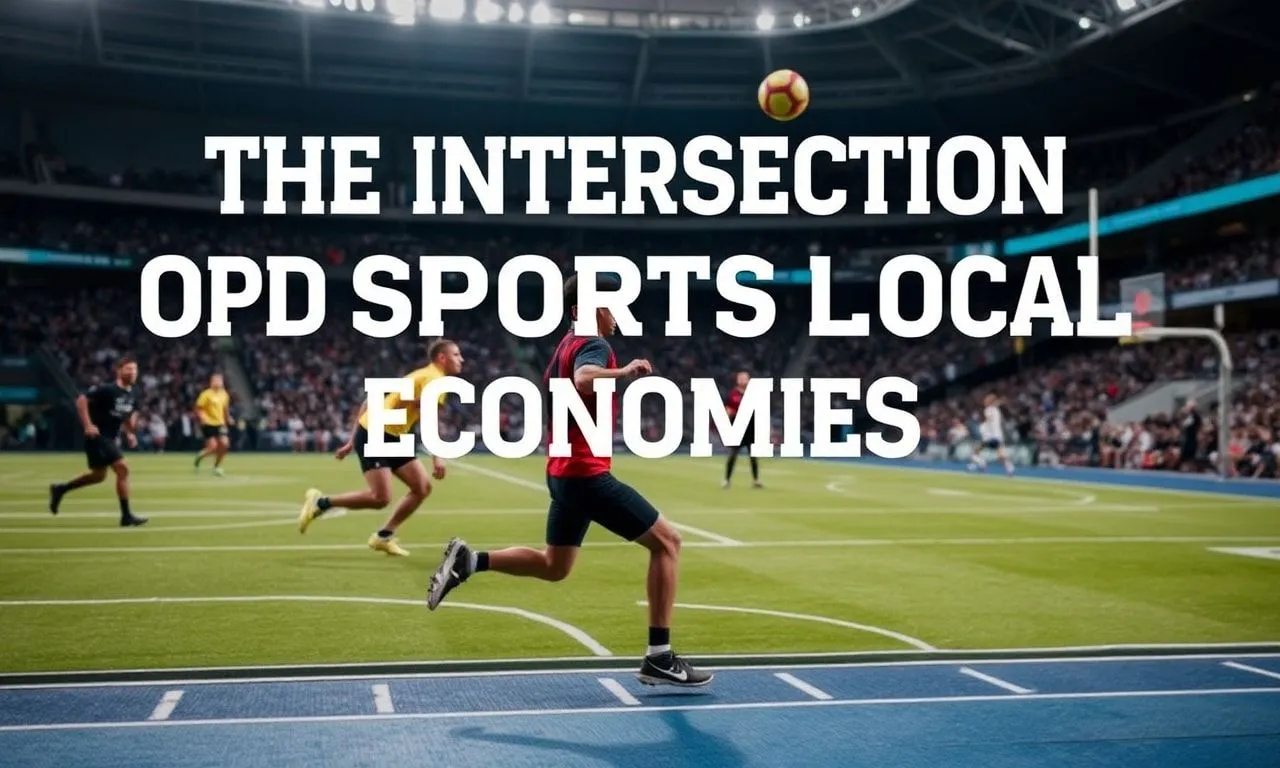
The Power of Sports in Driving Local Economies
Sports have always been more than just games; they are powerful engines that drive local economies, foster community spirit, and create jobs. From the bustling streets of major cities to the serene landscapes of smaller towns, sports events and facilities inject life into local economies. This article explores the multifaceted impact of sports on local economies, using examples from around the world to illustrate how athletics and fitness can be catalysts for economic growth.
The Economic Impact of Major Sporting Events
Major sporting events, such as the Olympics, FIFA World Cup, and international marathons, bring in significant revenue through tourism, sponsorships, and media rights. These events create a ripple effect that benefits various sectors, including hospitality, transportation, and retail. For instance, the hosting of the Rugby World Cup in New Zealand in 2011 brought in an estimated NZD 1.5 billion in economic benefits, showcasing the potential of sports to boost local economies. Similarly, the Tour de France, one of the most prestigious cycling races, generates millions of euros for the host regions each year.
Local businesses also reap the benefits of such events. Hotels, restaurants, and shops see a surge in customers, while local media outlets gain from increased advertising and viewership. In Rotorua, a city known for its geothermal wonders and adventure sports, the local economy thrives on events like the Rotorua Marathon. For more insights into how local economies benefit from sports, check out Rotorua business news local economy.
The Role of Sports Facilities in Community Development
Sports facilities are not just venues for athletic pursuits; they are community hubs that foster social interaction and economic activity. Stadiums, gyms, and recreational centers create jobs and attract visitors, contributing to the local economy. The construction and maintenance of these facilities also provide employment opportunities, further stimulating economic growth.
For example, the construction of the London Stadium for the 2012 Olympics created thousands of jobs and left a lasting legacy for the local community. Post-Olympics, the stadium has been repurposed for various sports and entertainment events, continuing to generate revenue and employment. Similarly, the construction of the Mercedes-Benz Stadium in Atlanta, USA, has been a boon for the local economy, creating jobs and attracting tourists.
Sports Tourism: A Boon for Local Economies
Sports tourism is a rapidly growing sector that brings in significant revenue for local economies. Fans traveling to watch their favorite teams or participate in sporting events spend money on accommodation, food, and transportation, benefiting local businesses. Cities like Barcelona, known for their vibrant sports culture, attract millions of tourists annually who come to watch football matches at Camp Nou or participate in marathons and cycling events.
In New Zealand, sports tourism is a key driver of the economy. The country’s diverse landscapes and world-class sports facilities attract adventure sports enthusiasts from around the globe. Events like the ASB Classic tennis tournament in Auckland and the New Zealand Sevens rugby tournament in Wellington draw large crowds, boosting the local economy. The revenue generated from sports tourism not only benefits the hospitality industry but also supports local artisans and cultural events, creating a holistic economic impact.
The Importance of Grassroots Sports
While major sporting events and facilities garner much attention, the foundation of a thriving sports culture lies in grassroots sports. Local sports clubs and community centers play a crucial role in nurturing talent and promoting physical fitness. These grassroots initiatives also contribute to the local economy by creating jobs for coaches, administrators, and support staff.
In the UK, grassroots sports initiatives have been instrumental in promoting physical activity and community engagement. The establishment of local sports clubs and the organization of community sports events have created a network of opportunities for both participants and local businesses. For instance, the establishment of the London Youth Games has not only provided a platform for young athletes but has also generated revenue through sponsorships and local partnerships.
Case Study: The Economic Impact of the NFL in the United States
The National Football League (NFL) is a prime example of how professional sports can drive economic growth. The NFL’s regular season games, playoffs, and the Super Bowl generate billions of dollars in revenue for host cities. The Super Bowl alone is a significant economic event, bringing in millions of dollars through ticket sales, merchandise, and tourism.
For example, the 2020 Super Bowl in Miami generated an estimated $460 million in economic impact for the city. The event created jobs for local businesses, from hotels and restaurants to transportation and security services. The NFL’s economic impact extends beyond the game day, as the league’s year-round activities, including training camps and community events, continue to benefit local economies.
In conclusion, sports are a powerful catalyst for economic growth and community development. From major sporting events to grassroots initiatives, sports contribute to local economies in numerous ways. By investing in sports infrastructure and promoting sports tourism, cities and towns can harness the economic potential of athletics and fitness, creating a thriving and sustainable local economy.
When you’re not hitting the gym or tracking your favorite teams, unwind with our top picks for movies, music, and TV in 2023’s best entertainment.
Discover how gaming is shaping real-world adventures in virtual tourism’s exciting rise, blending digital excitement with physical exploration.
As athletes and sports enthusiasts, it’s crucial to stay informed about global environmental efforts that impact our world; dive into China’s green sports initiatives for an inspiring look at progress in sustainability.