You know, if you’ve been watching football over the last couple of decades, it’s hard to ignore how the 4-3-3 formation has basically become the go-to blueprint for so many top teams. It’s like the Swiss Army knife of tactics—versatile, reliable, and just plain effective. But how did this formation sneak its way to the forefront, and why do coaches obsess over it in today’s lightning-fast game? Let’s unpack this beast.
First off, the 4-3-3 didn’t just pop out of nowhere. It’s got roots stretching back to traditional setups like the WM and 4-2-4, evolving as football got quicker and more dynamic. Coaches needed a formation that could balance attack and defense without leaving gaps wide open. The three midfielders in the middle? Absolute game changers. They’re the engine room, the heartbeat, the traffic cops controlling tempo and deciding when to hit the gas or slam the brakes.
| Evolution Timeline | Key Tactical Shift |
|---|---|
| 1950s-60s | Traditional WM and 4-2-4 formations dominate |
| 1970s-80s | Introduction of midfield flexibility and pressing |
| 1990s-2000s | 4-3-3 gains popularity with emphasis on wide attackers |
| 2010s-Present | High pressing and fluid positional play make 4-3-3 a staple |
Now, about those wide attackers, or wingers if you prefer. They’re not just fancy dribblers hugging the sidelines anymore. Modern wingers stretch defenses, cut inside, create chances, and sometimes even act as secondary strikers. Their role has morphed into something a bit more complex, demanding pace, skill, and tactical awareness. Without them, the 4-3-3 loses a huge chunk of its attacking mojo.
- Defenders: The back four aren’t just sitting ducks either. They’re expected to be solid but also support the midfield and attack when needed, often overlapping or stepping into midfield zones.
- Midfielders: The trio usually consists of a defensive midfielder and two more creative or box-to-box types, balancing defense and forward thrusts.
- Forwards: The center forward is the target man or false nine, flanked by two wingers who are both creators and finishers.
So why do coaches swear by it? Well, it’s a formation that adapts easily to different styles. Want to dominate possession? The 4-3-3’s midfield setup allows for quick passing and control. Prefer counter-attacking? The wide forwards provide rapid outlets. Plus, the shape naturally supports high pressing, which is all the rage in today’s game.
But hey, it’s not all sunshine and rainbows. The 4-3-3 can leave gaps in midfield if the trio isn’t disciplined, and sometimes the fullbacks get caught too far upfield, leaving the defense exposed. Still, when executed well, it’s a nightmare for opponents.
| Advantages | Potential Weaknesses |
|---|---|
| High pressing capability | Vulnerable to quick counter-attacks if midfield is bypassed |
| Balanced attack and defense | Requires highly disciplined midfielders |
| Flexibility in player roles | Fullbacks can be exposed when pushing forward |
In the end, the 4-3-3 is like that reliable friend who’s always got your back but also knows when to step up and take charge. It’s no wonder so many coaches stick to it, especially in this fast-paced, ever-changing football world. Whether it stays king or evolves into something new remains to be seen, but for now, it’s the formation that keeps the beautiful game ticking.
Origins and Evolution of the 4-3-3
The 4-3-3 formation, now a staple in modern football, didn’t just pop out of thin air. It’s actually the result of decades of tactical tinkering and a gradual shift away from older, more rigid formations. Back in the day, teams mostly stuck to the classic 2-3-5 or the WM (3-2-2-3) setups, which were all about flooding the attack or packing the midfield in very defined roles. But as football got faster and more complex, coaches started to crave flexibility and balance — enter the 4-3-3.
- From Traditional to Transitional: The early 20th century saw formations like the 2-3-5 dominate, with five forwards bombarding defenses. But defenses got smarter, and the game’s pace quickened, so managers had to rethink.
- Tactical Shifts: The WM formation, which Herbert Chapman popularized in the 1920s, introduced a more defensive mindset with three at the back and a midfield pivot. This was a bridge toward the eventual 4-3-3.
- Birth of the Back Four: The 4-2-4, pioneered by Brazilian teams in the 1950s and 60s, laid groundwork by emphasizing a solid back four and attacking width, but it lacked midfield control.
| Formation | Era | Key Feature |
|---|---|---|
| 2-3-5 | Early 1900s | Heavy attack focus with five forwards |
| WM (3-2-2-3) | 1920s-40s | Defensive solidity and midfield balance |
| 4-2-4 | 1950s-60s | Back four and wide attackers |
| 4-3-3 | 1970s onwards | Midfield control and attacking flexibility |
Now, the 4-3-3 really came into its own during the 1970s, thanks to Dutch football masterminds like Rinus Michels and Johan Cruyff. They brought “Total Football” to the world, a style where players weren’t stuck in their zones but switched roles fluidly. The 4-3-3 was perfect for this because it balanced defense, midfield, and attack while allowing players to roam and interchange. Suddenly, the midfield wasn’t just a battleground but the engine room, and the wingers weren’t just hugging the sidelines but cutting inside, creating havoc.
- Flexibility in Action: The midfield trio in 4-3-3 could be set up in various ways — a holding midfielder shielding the defense, two box-to-box players, or even a more creative playmaker. This adaptability made it a coach’s dream.
- Wide Attackers’ Evolution: Unlike the old days where wingers just crossed balls, modern 4-3-3 wingers often act as inverted forwards, scoring and assisting.
It’s worth noting that the 4-3-3 isn’t some magic bullet. It took decades of trial and error, and even now, teams tweak it endlessly to suit their players and philosophies. But one thing’s clear: the 4-3-3’s rise from traditional roots to a dynamic, versatile system mirrors football’s own evolution — from rigid and predictable to fluid and unpredictable.
Key Tactical Shifts Leading to 4-3-3:- Defense tightened from 2 to 4 players for better coverage.- Midfield expanded to 3 players for control and creativity.- Attack trimmed to 3 forwards for balance and flexibility.
So next time you see a team lining up in a 4-3-3, remember, it’s not just a formation — it’s a story of football’s tactical journey, shaped by legends, rebels, and a whole lot of trial, error, and genius.
Key Roles Within the Formation
When it comes to the 4-3-3, it’s not just a lineup on paper — it’s a symphony of roles that have to click perfectly to make the whole thing sing. Each position, from the defenders at the back to the forwards up front, carries its own set of responsibilities, and understanding these is crucial to appreciating why this formation has become a modern football staple.
Defenders: In the 4-3-3, the back four isn’t just about putting a wall in front of the goal. Sure, their primary job is to stop the opposition from scoring, but these defenders are also the first line of attack. The two center-backs typically act as the backbone, organizing the defense and often initiating build-up play with precise passes. Meanwhile, the full-backs have evolved from mere stoppers to dynamic runners, expected to overlap and provide width on the flanks. This dual responsibility means defenders must have stamina, tactical awareness, and the ability to switch gears quickly.
| Defensive Role | Primary Duties | Additional Responsibilities |
|---|---|---|
| Center-Backs | Mark strikers, intercept passes, clear danger | Start attacking plays, distribute passes from the back |
| Full-Backs | Defend wide areas, block crosses | Support attack with overlaps, deliver crosses |
Midfielders: Ah, the midfield trio — the engine room of the 4-3-3. These players have to be jacks-of-all-trades. One might sit deeper, shielding the defense and recycling possession, while another pushes forward to link up with the attackers. The third midfielder often acts as a box-to-box dynamo, covering ground relentlessly. This trio balances defense and attack, dictating tempo and ensuring the team doesn’t lose shape. Without them, the whole formation feels like a house of cards.
- Defensive Midfielder: The anchor, breaking up opposition plays and providing safe passing options.
- Central Midfielder: The playmaker, controlling rhythm and distributing the ball creatively.
- Attacking Midfielder: The link to the forwards, often making late runs into the box.
Forwards: The front three in the 4-3-3 are the team’s primary goal threats, but they’re far from one-dimensional goal poachers. The central striker often plays as a target man or a false nine, dropping deep to pull defenders out of position. The wingers stretch the pitch, hugging the touchlines to create space and whip in dangerous crosses. Their pace and dribbling skills are essential in breaking down stubborn defenses. Plus, modern forwards are expected to press aggressively when out of possession, making them the first defenders in the team.
Forward Roles in 4-3-3:- Central Striker: * Hold up play * Create space for wingers * Score goals
- Left & Right Wingers: * Stretch defense wide * Cut inside or cross * Press defenders aggressively
In a nutshell, the 4-3-3 is a delicate balance. Each position has its own rhythm and responsibilities, but success depends on how well these roles mesh. When defenders, midfielders, and forwards understand their parts and trust each other, the formation becomes a fluid, dynamic force — capable of controlling games, breaking down defenses, and adapting on the fly. But screw up even one link, and the whole system feels off. That’s the beauty and the challenge of the 4-3-3.
Midfield Mastery: The Engine Room
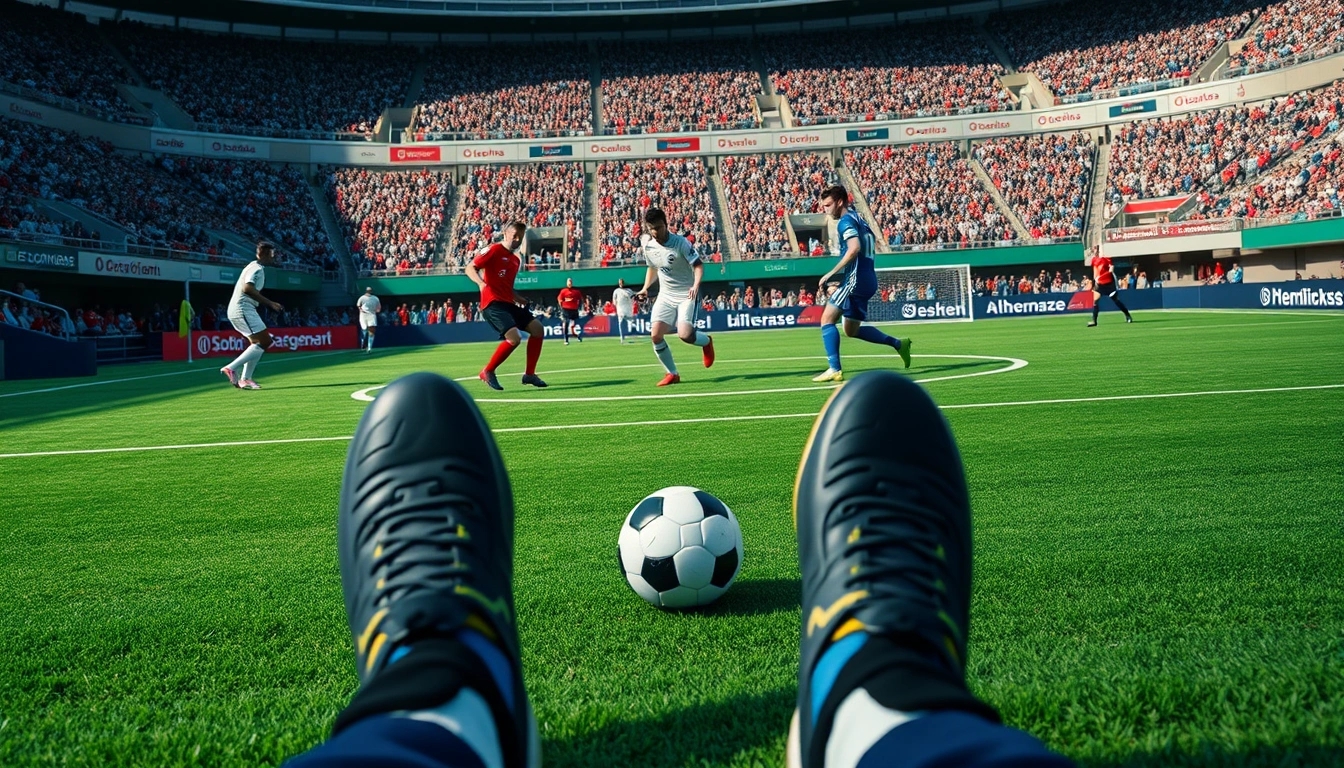
If you’re wondering why the midfield trio in a 4-3-3 formation often gets the spotlight, well, it’s because these three players are basically the heartbeat of the entire team. They’re not just running around aimlessly; they’re the ones who control the game’s tempo, decide when to speed things up or slow ’em down, and act as the vital link between defense and attack. Without a strong midfield trio, the 4-3-3 can quickly turn into a chaotic mess rather than a well-oiled machine.
Think of the midfield as the brain of the team. You have one player, often the deepest midfielder, who sits just in front of the defense. This guy’s job? Break up opposition attacks and recycle possession. The other two midfielders usually have slightly freer roles — one might be more creative, threading passes and unlocking defenses, while the other pushes forward to support the attack. When these roles click, the midfield becomes a dynamic engine that never stops working.
- Tempo Control: The trio decides if the team should slow the ball down and keep possession or launch a quick counterattack.
- Distribution: They spread the ball wide, play through the middle, or switch flanks to keep opponents guessing.
- Balance: While one midfielder drops back to shield the defense, the others can surge forward, maintaining a perfect balance between defense and attack.
Now, here’s a quick table to break down typical roles within the midfield trio:
| Role | Primary Task | Key Skill |
|---|---|---|
| Defensive Midfielder (Anchor) | Protect defense, intercept, recycle possession | Tackling, positioning, vision |
| Box-to-Box Midfielder | Support defense & attack, cover ground | Stamina, passing, tackling |
| Attacking Midfielder (Playmaker) | Create chances, link with forwards | Creativity, dribbling, vision |
But don’t get me wrong, it’s not always sunshine and rainbows. The midfield trio needs to have chemistry; if one player drifts out of position or tries to hog the ball, the whole system can collapse. Plus, the 4-3-3 demands a lot physically — these guys are expected to run their socks off, pressing opponents and covering huge swathes of the pitch.
Also, the midfield trio’s effectiveness heavily depends on the players’ understanding of each other’s strengths and weaknesses. It’s like a dance — if one steps on another’s toes, the rhythm breaks, and the team loses control.
- Practical Insight: Coaches often tweak the midfield roles based on the opponent. Against a high-pressing team, the defensive midfielder might drop deeper to help the defense, while the playmaker might stay wider to avoid pressure.
- Fun Fact: Some of the greatest midfield trios in history have been praised not just for skill but for their insane work rate and tactical intelligence — think Xavi, Busquets, and Iniesta at Barcelona.
In short, the midfield trio in a 4-3-3 isn’t just a bunch of players passing the ball around. They’re the engine room that keeps the team ticking — controlling the pace, distributing the ball smartly, and ensuring the squad doesn’t tip too far forward or backward. When this trio clicks, it’s poetry in motion. When it doesn’t, well, expect a headache for the coach.
Wide Attackers: Wingers Who Make a Difference
In modern football, the role of wingers has transformed from simple touchline joggers to pivotal playmakers who can single-handedly change the course of a match. Stretching defenses isn’t just about hugging the sidelines anymore; it’s about creating chaos, opening spaces, and making defenders sweat buckets. Gone are the days when wingers just sprinted down the flank and whipped in crosses. Today, they’re multi-dimensional threats who combine pace, skill, and tactical intelligence.
Why are wingers so crucial? Well, for starters, they force the opposition to spread out, which naturally creates gaps in the defensive line. This stretching effect is vital in a 4-3-3 setup where the wide attackers are expected to pull defenders wide, allowing midfielders and strikers to exploit the spaces inside. Imagine a rubber band being pulled at both ends—that’s what wingers do to defenses. They stretch, they pull, they create tension, and eventually, that tension snaps in the form of goal-scoring opportunities.
- Creating Chances: Wingers aren’t just about speed; they’re about vision. The best ones can spot a run before it happens, threading passes that slice through defenses like a hot knife through butter.
- Dribbling and 1v1s: Their ability to beat defenders one-on-one is what breaks the monotony of defensive blocks. A successful dribble often leads to a dangerous cross or a cutback for the striker.
- Defensive Duties: Modern wingers also track back, helping fullbacks to prevent overloads on the flanks. This dual responsibility makes their role exhausting but indispensable.
| Aspect | Traditional Winger | Modern Winger |
|---|---|---|
| Positioning | Strictly wide, hugging the touchline | Flexible, often cutting inside or drifting centrally |
| Primary Role | Crossing and pace down the line | Chance creation, goal-scoring, and defensive support |
| Physical Demand | High sprinting, less defensive work | High-intensity all over the pitch, both attack and defense |
Look at some of the greats like Arjen Robben or Mohamed Salah — they don’t just run down the wing; they cut inside, shoot, and unlock defenses in ways that traditional wingers never dreamed of. This evolution has been driven by the tactical demands of formations like the 4-3-3, where width and unpredictability are prized.
But hey, not everything about wingers is rosy. Sometimes, their fancy footwork can lead to overcomplication, and if they lose the ball high up, it spells trouble for the team. Coaches often remind them, “Don’t be a show-off; just get the job done.” Yet, it’s that flair that keeps fans on the edge of their seats.
In conclusion, wingers today are the unsung heroes who stretch defenses, create chances, and constantly evolve to meet the tactical challenges of modern football. Without them, the beautiful game would lose a lot of its sparkle and unpredictability.
Practical Tip for Coaches: Encourage your wingers to develop both inside and outside foot skills and to understand when to hold width and when to cut inside. Balance is key!
- Train finishing under pressure to maximize goal threat.
- Work on defensive positioning to help fullbacks.
- Use video analysis to spot when wingers lose shape or overcommit.
So yeah, wingers aren’t just runners on the flanks anymore — they’re the tactical Swiss Army knives every team needs.
Defensive Solidity and Flexibility
In the 4-3-3 formation, the back four isn’t just a static wall of defenders waiting for the opposition to knock on the door. Nope, these four players are like chameleons, adapting their roles depending on whether the team is defending, transitioning, or attacking. It’s this kind of tactical flexibility that makes the 4-3-3 so effective—and frankly, a headache for opposing forwards.
When the team is under pressure, the back four tightens up. The two center-backs drop deep and close together, forming a compact shield in front of the goalkeeper. Meanwhile, the full-backs tuck in a bit, almost doubling as auxiliary center-backs to clog the middle. This compactness reduces the space for attackers to exploit, forcing them wide or into risky passes. It’s like a well-drilled machine, with each player instinctively covering for the other. But don’t get it twisted—this isn’t about parking the bus. The back four still has to be ready to spring forward and support the midfield.
- Full-backs as midfield helpers: In possession, the full-backs push higher up the pitch, often overlapping the wingers to create overloads on the flanks.
- Center-backs stepping up: One of the center-backs sometimes steps into midfield, especially when the team wants to control possession and build from the back.
- Communication is key: The back four constantly talks, adjusting their shape depending on where the ball is and what phase the team is in.
| Phase of Play | Back Four Role | Key Actions |
|---|---|---|
| Defensive | Compact, narrow shape | Mark tightly, block passing lanes, support goalkeeper |
| Transition to Attack | Step forward, wide positioning | Full-backs overlap, center-backs advance to midfield |
| Attacking | High line, wide spread | Support wingers, create passing options, maintain pressure |
Now, here’s where things get tricky. The back four’s flexibility is a double-edged sword. Push too high, and you risk getting caught out by quick counters. Stay too deep, and you lose the chance to help your midfield and forwards keep the ball. Coaches and players have to find that sweet spot, and trust me, it’s easier said than done. Some teams nail it, others… not so much.
But here’s the kicker: the back four in a 4-3-3 isn’t just about defense. It’s about being the backbone of the entire team’s rhythm. They’re the first line of attack and the last line of defense. When the midfield presses high, the back four must be ready to cover the gaps left behind. When the wingers cut inside, the full-backs have to stretch wide and provide width. It’s a constant give and take.
So, next time you watch a team using the 4-3-3, don’t just focus on the flashy forwards or the midfield maestros. Take a moment to appreciate the back four’s dance—sometimes rigid, sometimes fluid, but always crucial. Without their ability to adapt and maintain solidity, the whole system falls apart like a house of cards.
Practical Insight: Teams that train their defenders to be comfortable on the ball, with good passing range and positional awareness, tend to get the most out of this formation. It’s not just about tackling and clearing anymore; it’s about contributing to the team’s overall flow.
In short, the back four in a 4-3-3 is a masterclass in balance—solid enough to shut down threats but flexible enough to fuel attacks. And that, my friend, is why modern football coaches can’t get enough of it.

Famous Teams and Coaches Who Popularized 4-3-3
Alright, let’s dive into the world of legendary managers and clubs that didn’t just use the 4-3-3 formation—they practically wrote the playbook on it. This formation, with its fluidity and attacking promise, has been the secret sauce behind some of football’s most mesmerizing teams. But who really nailed it? Who turned the 4-3-3 from a tactical option into a footballing art form? Spoiler alert: it wasn’t just one or two teams, but a handful of visionaries who made it their signature style.
First off, you can’t talk about 4-3-3 without tipping your hat to Rinus Michels, the Dutch mastermind. His Ajax side in the 1970s was the blueprint for modern football with “Total Football,” where players swapped positions seamlessly. Michels’ 4-3-3 wasn’t just a formation; it was a philosophy—press high, attack with width, and control the midfield. This approach didn’t just win trophies; it changed the game forever. And then there’s Johan Cruyff, who inherited and evolved this system at Barcelona, turning the Catalan giants into a powerhouse that mesmerized fans worldwide.
- Ajax (1970s) – The cradle of Total Football, showcasing the 4-3-3’s attacking potential.
- Barcelona (1990s-2000s) – Cruyff’s Dream Team, blending flair with tactical discipline.
- Spain National Team (2008-2012) – The tiki-taka era, where 4-3-3 was adapted to control possession like no other.
Moving forward in time, the 4-3-3 became the darling of coaches like Pep Guardiola. His Barcelona side took Cruyff’s ideas and injected a modern twist—intense pressing, positional play, and insane ball control. Guardiola’s teams dominated not just Spain but Europe, proving the 4-3-3 is more than a formation; it’s a way to dictate matches.
But hey, it’s not just all tiki-taka and Dutch wizardry. Look at Jürgen Klopp’s Liverpool, who use a high-octane 4-3-3 to press opponents into submission. Klopp’s version is more about raw energy and relentless intensity, showing the formation’s flexibility. It’s a formation that can be elegant or brutal, depending on who’s coaching.
| Coach | Team | Style | Legacy |
|---|---|---|---|
| Rinus Michels | Ajax (1970s) | Total Football, fluid positions | Revolutionized football tactics |
| Johan Cruyff | Barcelona (1990s) | Attacking flair with discipline | Foundation of modern Barça philosophy |
| Pep Guardiola | Barcelona (2008-2012) | Positional play, possession dominance | Globalized tiki-taka style |
| Jürgen Klopp | Liverpool (2015-present) | High pressing, fast transitions | Modern high-energy football |
So yeah, the 4-3-3 isn’t some one-trick pony. It’s been molded by different minds to fit different eras and styles. From the Dutch Total Football pioneers to the tiki-taka maestros and the Klopp pressing machine, this formation has proven it can adapt, evolve, and dominate. And if you think this is just a passing fad, well, you might want to think again. The 4-3-3 has set the bar high, and the managers who popularized it? They’re the ones who showed the world how football can be both beautiful and brutal.
Statistical Advantages of the 4-3-3
Alright, let’s dive into the nitty-gritty of why the 4-3-3 formation isn’t just a trendy buzzword tossed around by pundits and coaches — it’s actually backed by some solid numbers. Across various leagues, from the Premier League to La Liga and beyond, teams deploying this setup consistently show impressive stats in possession, goal scoring, and defensive performance. But hey, it’s not magic, it’s math and tactics combined.
First off, possession. The 4-3-3 is built around a midfield trio that can dominate the center of the park. The numbers don’t lie: teams using this formation average around 58-62% possession in matches, which is quite a leap compared to more traditional setups like 4-4-2 or 3-5-2. This dominance in possession means more control, fewer frantic scrambles, and better dictation of tempo. It’s like owning the remote control for the entire game.
| Formation | Average Possession % |
|---|---|
| 4-3-3 | 60% |
| 4-4-2 | 52% |
| 3-5-2 | 55% |
Now, moving on to goal scoring — arguably the part that gets fans off their seats. The 4-3-3 is notorious for its attacking versatility. With three forwards spread wide and centrally, teams can exploit spaces like nobody’s business. Statistically, clubs using this formation average 1.8 to 2.1 goals per game, which is noticeably higher than many other formations. Why? Because the wingers stretch defenses, midfielders support the attack, and the formation naturally encourages quick transitions and overloads in the final third.
- Wide attackers: create width and pull defenders out of position.
- Midfield trio: offers passing options and late runs into the box.
- Striker: benefits from constant supply and space created.
Defensively, the 4-3-3 might seem a bit exposed at first glance — three forwards and all — but the numbers tell a different story. Teams using this formation boast a respectable goals conceded average of around 0.9 per match in top leagues. The midfield three often drop back to form a compact block, while the fullbacks and center backs maintain a solid back four. It’s a bit like a Swiss watch: intricate, balanced, and surprisingly reliable.
Defensive Stats Snapshot (Top 5 Leagues)----------------------------------------Formation: 4-3-3Average Goals Conceded: 0.9 per gameClean Sheets %: 35%Tackles Won %: 68%Interceptions per game: 14
Of course, stats only tell part of the story. The 4-3-3 demands high work-rate, tactical discipline, and players who can adapt fluidly. But when it clicks, the numbers back up what fans see on the pitch: control, creativity, and a solid defense all rolled into one formation.
So, next time someone says the 4-3-3 is overrated, just throw some stats their way and watch their eyes glaze over. Because, love it or hate it, the numbers prove this formation packs a punch.
Common Criticisms and Tactical Weaknesses
Alright, let’s get real about the 4-3-3 formation — it’s not all sunshine and rainbows. While many coaches rave about its attacking fluidity and midfield control, this setup has its vulnerabilities that opponents love to exploit. One glaring issue is the susceptibility on the flanks, especially if the full-backs push too high without adequate cover. The wide spaces left behind can be a playground for quick counter-attacks, and boy, do teams capitalize on that.
Now, when exactly does this formation get caught with its pants down? Typically, against teams who press aggressively and exploit the space between the midfield and defense. If the three midfielders aren’t disciplined or tactically aware, the opposition’s midfield can overload and create numerical superiority, leaving the back four exposed. This is where the 4-3-3’s balance is most fragile — a slight misstep in midfield positioning and the whole structure can collapse like a house of cards.
| Vulnerability | When It Happens | Why It’s a Problem |
|---|---|---|
| Exposed Wide Areas | When full-backs attack aggressively | Opponents exploit space for fast counter-attacks |
| Midfield Overload | Against high-pressing teams | Midfielders get outnumbered, defense left vulnerable |
| Transition Defense | During quick turnovers | Slow recovery leads to dangerous opposition breaks |
Despite these flaws, it’s pretty curious that some coaches still shy away from the 4-3-3. Why? Well, for starters, it demands a very specific player profile — midfielders who can cover ground tirelessly, wingers who track back, and defenders comfortable with both defending and joining attacks. Not every squad has that luxury. Plus, some managers prefer formations like 4-2-3-1 or 3-5-2 that offer more defensive solidity or midfield density, especially when facing physically robust or tactically disciplined teams.
- Player suitability: The 4-3-3 isn’t a one-size-fits-all.
- Risk factor: High pressing teams can cause chaos.
- Defensive stability: Alternatives might offer better cover.
It’s also worth mentioning that the 4-3-3 can sometimes feel a bit predictable. Opponents who study the pattern know where to press and how to cut off passing lanes. That’s why some coaches get jittery and opt for hybrid or flexible systems that morph mid-game, keeping opponents guessing.
In the end, the 4-3-3 is a double-edged sword — a brilliant attacking weapon but a formation that requires razor-sharp discipline and the right personnel to avoid getting torn apart. So yeah, while it’s all the rage, it’s not the magic bullet some make it out to be.

Future Trends: Is the 4-3-3 Here to Stay?
The 4-3-3 formation has been the darling of modern football for quite some time now, but the big question swirling around the tactical water cooler is: will it continue to dominate the pitch as the game evolves, or is it just a fleeting trend about to be outsmarted? Football, after all, is like a living beast—it changes, adapts, and sometimes throws a curveball just when you think you’ve figured it out. The 4-3-3, with its balance of attack and defense, has been a favorite for managers who want to keep things fluid and dynamic. But as teams get smarter, data-driven, and players more versatile, the formation itself might need to shape-shift to stay relevant.
- Pressing and Counter-Pressing: The rise of intense pressing games means the 4-3-3’s midfield trio has to be quicker, smarter, and more aggressive. You can’t just sit back and hope for the best anymore.
- Positional Fluidity: Gone are the days when players stuck rigidly to their zones. The wingers might swap with midfielders mid-play, or one of the midfielders might drop deep to become an auxiliary defender.
- Hybrid Formations: Expect to see managers blending 4-3-3 with other setups like 3-4-3 or 4-2-3-1 depending on the opponent or match situation.
| Trend | Impact on 4-3-3 | Possible Adaptation |
|---|---|---|
| High pressing intensity | Midfielders must cover more ground | More rotation and stamina-focused training |
| Versatile attackers | Wingers cut inside more often | Flexible attacking roles, inverted wingers |
| Data analytics influence | Optimized player positioning | Real-time tactical tweaks during matches |
Now, don’t get me wrong — the 4-3-3 isn’t about to vanish overnight. It’s like that reliable old pair of boots you just can’t throw away because they fit perfectly and get the job done. But just like those boots might need new laces or a fresh sole, the formation will require tweaks. Some coaches might even ditch it when the opposition figures out how to exploit its weaknesses, like its sometimes thin central defense or midfield overloads.
Here’s a little food for thought: with the increasing emphasis on wingbacks and inverted fullbacks, could the classic 4-3-3 morph into a 3-4-3 variant more often? Or will we see a hybrid that keeps the attacking flair but bolsters the defense? The answer is probably yes to both, depending on the club’s philosophy and the players available.
Key questions for the future of 4-3-3:- Can the midfield trio handle the physical and tactical demands of modern pressing?- Will wingers continue to evolve into goal-scoring threats or revert to traditional wide providers?- How will defensive responsibilities shift with more attacking fullbacks?
In conclusion, the 4-3-3 formation is far from dead, but it’s definitely not immune to change. The teams that will thrive are those that can keep the core principles of the formation—balance, width, and midfield control—while injecting flexibility and innovation. If you’re a fan of tactical chess, the coming years will be fascinating to watch as the 4-3-3 either cements its legacy or gracefully hands over the baton to its tactical offspring.
Frequently Asked Questions (The title must be written in English.)
- What makes the 4-3-3 formation so popular in modern football?
The 4-3-3 formation is like the Swiss Army knife of football tactics—versatile, balanced, and dynamic. It allows teams to control the midfield with three central players while maintaining a potent attack through three forwards. Coaches love it because it adapts well to both defensive solidity and explosive offensive play, making it a go-to strategy in today’s fast-paced game.
- How did the 4-3-3 formation evolve over time?
Think of the 4-3-3 as a tactical chameleon. It originated from traditional formations like the WM and 4-2-4 but evolved to meet the demands of modern football’s speed and space. Coaches tweaked player roles and positioning, emphasizing midfield control and wide attacking options, which transformed it into the flexible system we see dominating leagues worldwide.
- What roles do midfielders play in the 4-3-3 setup?
The midfield trio is the heartbeat of the 4-3-3. They’re responsible for dictating tempo, connecting defense and attack, and often deciding the game’s rhythm. One midfielder usually anchors the defense, while the other two push forward to support attacks, making them crucial for both balance and creativity.
- Why are wingers so important in the 4-3-3 formation?
Wingers in the 4-3-3 are like the sparks that ignite the offense. They stretch the opposition’s defense wide, create scoring chances, and often cut inside to shoot or assist. Their pace and dribbling skills make them game-changers who can turn tight matches on their head in seconds.
- Does the 4-3-3 formation provide defensive stability?
Absolutely! The back four in the 4-3-3 isn’t just a static line; it’s a flexible unit that adapts as the game flows. They support the midfield, cover spaces, and maintain a solid defensive shape, making it harder for opponents to break through. It’s like a well-oiled machine balancing defense and attack seamlessly.
- Which famous teams and coaches popularized the 4-3-3?
Legendary figures like Johan Cruyff and Pep Guardiola have been pioneers of the 4-3-3, using it to craft some of the most beautiful, effective football ever seen. Clubs like FC Barcelona and Liverpool have showcased how this formation can dominate possession and overwhelm opponents with relentless pressure and creativity.
- Are there any weaknesses to the 4-3-3 formation?
Like any tactic, the 4-3-3 isn’t perfect. It can be vulnerable to teams that overload the midfield or exploit spaces left by attacking full-backs. If the midfield trio is outnumbered or the wingers don’t track back, the formation can get stretched, leaving gaps for counterattacks.
- Will the 4-3-3 formation continue to dominate football tactics?
The 4-3-3 has proven its staying power, but football is always evolving. As teams innovate and adapt, we might see new variations or hybrid systems emerge. Still, the 4-3-3’s blend of flexibility and balance means it’s likely to remain a tactical favorite for years to come.