
So, you’re about to step into your first cricket net session here in the UK? Nervous? Excited? Maybe a bit of both? Don’t sweat it—everyone’s been there, staring at the pitch, wondering if you’ll embarrass yourself or suddenly discover you’re the next Joe Root. Truth be told, cricket nets can be a bit intimidating at first. You’ve got bowlers hurling balls at you like missiles, and batsmen swinging like they’re in the Ashes, while you’re just trying to remember which end the bat goes on. But stick with me, and you’ll be smashing sixes and catching wickets before you know it.
Understanding the cricket net setup
First thing’s first: cricket nets aren’t just some fancy outdoor cage; they’re your best mate for practice. Usually, these setups have netting on either side and behind, so the ball doesn’t escape and ruin someone’s garden or worse, hit an unsuspecting passerby. The pitch inside is often a synthetic surface or a well-maintained strip of grass, giving you a taste of real game conditions. Knowing this helps you get comfortable and focus on your skills instead of worrying about where the ball might fly.
| Feature | Purpose |
|---|---|
| Netting | Keeps ball contained, protects surroundings |
| Pitch surface | Simulates real playing conditions |
| Bowling lane | Defined area for bowlers to deliver |
Gear up properly – it’s not just about looking the part
One rookie mistake is turning up with just your trainers and some random clothes. Cricket gear isn’t just for show; it’s there to protect you. Pads, gloves, helmet—these are lifesavers when that ball comes flying at 70 mph. Plus, a decent bat that fits your height and style makes a world of difference. Don’t just grab the heaviest one on the rack thinking it’ll make you hit harder. Trust me, you’ll feel like you’re swinging a plank of wood.
- Helmet: Non-negotiable for safety
- Pads & Gloves: Protect your limbs and hands
- Proper cricket shoes: For grip and comfort
- Bat: Sized according to your height and strength
Warm-up like a pro, or risk paying the price
Skipping warm-ups? Rookie error. Cricket involves sudden bursts of speed, quick reflexes, and awkward movements. Pull a muscle in your first session, and you’ll be sidelined faster than you can say “LBW.” A quick jog, some dynamic stretches, and a few shadow batting swings will get your muscles ready to perform.
Warm-up routine:- 5 minutes light jogging- Arm circles and shoulder stretches- Hip rotations- Shadow batting and bowling motions
Batting basics – stance and grip
Before you start dreaming about smashing sixes, nail down the basics. Your stance should be balanced, feet shoulder-width apart, knees slightly bent. Grip the bat comfortably—not too tight, not too loose. And hey, don’t try to muscle every ball; timing beats power every time. Focus on watching the ball closely and playing with soft hands.
Bowling tips for beginners
Bowling isn’t just chucking the ball as hard as you can. It’s an art. Start with a smooth run-up, keep your arm straight, and try to hit the stumps consistently. Don’t worry if your yorkers end up as half-volleys; consistency comes with practice.
| Bowling Tips | Why it matters |
|---|---|
| Consistent run-up | Helps rhythm and control |
| Straight arm action | Legal and effective delivery |
| Aim for accuracy | Pressure batsmen into mistakes |
Don’t be that guy – common mistakes to dodge
We all mess up, but some errors are classic beginners’ traps. Swinging wildly, ignoring footwork, or forgetting the basics of safety gear can turn your session into a disaster. Also, please, please don’t hog the nets. Share the space and respect others.
Handling nerves and building confidence
Feeling jittery? Totally normal. Cricket’s a game of patience and nerves. Take deep breaths, focus on small goals—like hitting the ball cleanly or bowling a good length—and celebrate those tiny wins. Confidence grows one ball at a time.
Respect net etiquette and stay safe
Remember, cricket nets are shared spaces. Don’t wander in front of bowlers, call out when the ball’s coming, and always listen to the coach or session leader. Safety is no joke here.
Track your progress and find support
Keep a simple log of your sessions—what worked, what didn’t. Join local clubs or find a coach for guidance. Cricket’s more fun when you’re part of a community.
| Progress Tracking Tips | Benefits |
|---|---|
| Note down batting/bowling stats | Spot improvement areas |
| Set weekly goals | Stay motivated |
| Seek feedback | Accelerate learning |
In short, your first cricket net session doesn’t need to be terrifying. Be prepared, stay safe, and most importantly, have fun. The journey from newbie to cricket hero starts with that first ball.
Understanding the basics of cricket nets
Alright, so you’ve decided to dive into cricket nets for the very first time. Good on ya! But before you get all hyped up and start smashing balls left, right, and center, let’s take a moment to get acquainted with what cricket nets really are and why they’re your new best mate in the cricketing world.
First off, cricket nets aren’t just some random fenced areas where you whack balls around. They’re purpose-built practice zones designed to sharpen both your batting and bowling skills without the chaos of a full match. Think of them as your personal cricket gym, where you can focus on technique, build muscle memory, and, if you’re lucky, avoid getting beaned by a stray ball.
| Component | Purpose | Why it matters |
|---|---|---|
| Netting | Encloses the practice area | Keeps balls contained, preventing injury and saving you the hassle of chasing stray balls |
| Pitch | Central strip where batting and bowling happen | Simulates match conditions for realistic practice |
| Protective gear | Pads, gloves, helmets, etc. | Essential for safety during fast bowling or aggressive batting |
Now, here’s the kicker: cricket nets come in different shapes and sizes. Some are indoor, some outdoor; some have hard pitches, others have turf. So, knowing what kind you’re walking into can help you prep better. For example, an indoor net with synthetic pitch means less bounce, so your shots might feel a bit different than on a grassy field.
- Tip 1: Always check the net’s condition before starting. Tangled or torn nets can be a nightmare, literally.
- Tip 2: Find out if the nets have bowling machines or if you’ll be bowling to a partner. Different setups call for different mindsets.
- Tip 3: Respect the space—don’t hog the nets for hours. Sharing is caring, especially when you’re all trying to improve.
Here’s a quick rundown of why cricket nets are a game-changer:
- Safe environment to practice without worrying about losing balls- Controlled conditions to focus on specific skills (like facing spin or fast bowling)- Opportunity to get immediate feedback from coaches or mates- Perfect place to build confidence before hitting the actual pitch
But hey, don’t expect miracles after one session. Cricket nets are like a gym membership; the benefits kick in only if you keep showing up. And remember, it’s not just about hitting sixes or bowling bouncers; it’s about understanding your technique, timing, and reading the game better.
So, next time you step into those nets, take a deep breath, soak in the setup, and embrace the grind. Because mastering cricket nets is the first step towards mastering cricket itself. And who knows? Maybe one day, you’ll be the one giving tips to the newbies.
Key takeaway: Cricket nets are your practice playground—designed to help you improve safely, efficiently, and with focus. Get to know their setup, respect the rules, and watch your skills soar.
Choosing the right gear for your net session
Alright, so you’ve decided to dive into the world of cricket nets — good on ya! But before you start dreaming of smashing those sixes or bowling yorkers that leave batsmen scratching their heads, there’s one thing you absolutely cannot skip: choosing the right gear. Trust me, showing up with the wrong equipment is like turning up to a football match in flip-flops — not ideal and pretty embarrassing.
First off, let’s talk bats. Cricket bats aren’t one-size-fits-all, and picking one that suits your height, strength, and style is crucial. Don’t just grab the heaviest or flashiest bat you see. A bat too heavy will slow your swing, and one too light might not give you the power you need. If you’re just starting out, look for something balanced and not too chunky. Feel free to ask for a quick test swing in the shop or at the nets — your arms will thank you.
| Equipment | Purpose | Tips for Beginners |
|---|---|---|
| Bat | Primary tool for batting | Choose a balanced bat, test weight before buying |
| Pads | Protect legs from fast balls | Ensure correct size, comfort is key |
| Gloves | Protect hands and improve grip | Try on for snug fit, avoid loose gloves |
| Helmet | Head protection | Must fit securely, check grill position |
| Thigh Guard | Additional leg protection | Optional but recommended for beginners |
Now, on to pads — if you think these are just bulky leg warmers, think again. Pads are your best friends when it comes to protecting your shins and knees from those fierce deliveries zooming your way. Ill-fitting pads can be a nightmare, either slipping around or restricting your movement. So, take your time, try a few pairs, and make sure they’re snug but not suffocating.
Gloves are another must-have. You don’t want to be the guy with bleeding fingers after a few balls, right? Good cricket gloves cushion the impact and also help you grip the bat properly. Loose gloves can be a nightmare — they’ll slide around and mess up your shots. So, get gloves that fit like a glove (pun intended) and keep your fingers happy.
Oh, and helmets — absolutely non-negotiable. Whether you’re batting or facing some fiery bowling in the nets, a helmet protects you from nasty head injuries. It’s not just about safety; it’s about confidence. When you know your head’s protected, you’re more likely to step up to the crease without that nagging fear. Just make sure the helmet fits well, and the grill doesn’t obstruct your vision. No point in wearing a helmet if you can’t see the ball coming!
- Bonus gear: Consider thigh guards and arm guards, especially if you’re nervous about getting hit. They might feel like extra baggage, but better safe than sorry.
- Footwear: Cricket spikes or trainers with good grip will save your ankles and help you move quickly in the nets.
- Clothing: Lightweight, breathable fabrics are your friends. Cricket can get sweaty, and you don’t want to be distracted by uncomfortable gear.
To sum it up: your gear is your armour. It keeps you safe, boosts your confidence, and lets you focus on the game instead of worrying about getting hurt. So, don’t skimp on it or just borrow your mate’s old stuff (unless it fits!). Take the time, invest in the right equipment, and you’ll be smashing it in the nets in no time.
Remember, cricket’s a game of skill and patience, but having the right gear? That’s just good sense.

Warm-up routines to avoid injuries
Alright, so you’ve finally decided to step into the cricket nets – good on you! But before you start dreaming about smashing those sixes or bowling out the opposition, let’s talk about something that often gets overlooked but is absolutely vital: your warm-up. Trust me, jumping straight into the action without warming up is like trying to drive a car without starting the engine – it just ain’t gonna work and you’ll probably end up in a mess.
First off, a proper warm-up isn’t just about stretching your muscles a bit and hoping for the best. It’s about preparing your entire body – joints, muscles, heart rate – for the intense activity ahead. Cricket, especially in the nets, demands quick reflexes, explosive movements, and endurance. If you skip warming up, you’re basically inviting strains, pulls, and all sorts of nasty injuries to crash your party.
- Start with light cardio: Jogging or skipping for about 5-10 minutes is a great way to get your blood pumping. It wakes up your heart and gets oxygen flowing to your muscles.
- Dynamic stretches: Unlike static stretches where you hold a position, dynamic stretches involve movement. Think leg swings, arm circles, lunges with a twist. These mimic the motions you’ll be doing in the nets and prepare your muscles to move freely.
- Joint mobility drills: Cricket puts a lot of stress on your shoulders, hips, knees, and ankles. Doing gentle rotations and bends for these joints can help improve your range of motion and reduce stiffness.
| Warm-up Component | Duration | Purpose |
|---|---|---|
| Light Cardio (Jogging/Skipping) | 5-10 minutes | Increase heart rate and blood flow |
| Dynamic Stretching | 5-7 minutes | Prepare muscles for movement |
| Joint Mobility Exercises | 3-5 minutes | Enhance flexibility and joint health |
Now, I know what you’re thinking – “But I’m just going to hit a few balls, do I really need all this fuss?” The answer is a big fat yes. Injuries don’t just happen to pros; beginners are just as prone to pulls and strains, especially when muscles are cold and tight. Plus, taking the time to warm up properly actually makes you perform better. Your movements become sharper, your reactions quicker, and your stamina improves. Win-win, right?
Here’s a quick checklist to keep in mind before you hit the nets:
- Don’t rush your warm-up – give yourself at least 15 minutes.
- Focus on the muscle groups you’ll be using most – shoulders, forearms, legs, and core.
- Include some sport-specific drills like shadow batting or bowling without the ball to get your technique firing.
- Stay hydrated – warm-ups can make you sweat more than you realize.
Pro Tip:If you’re feeling tight or sore even after warming up, consider a light massage or foam rolling before starting your session.
Look, cricket’s a game of skill and patience, but your body’s gotta be on your side. So, don’t be that guy who skips the warm-up and ends up hobbling off the pitch after 10 minutes. Respect the process, and your body will thank you by keeping you in the game longer and stronger.
To wrap it up, remember this simple mantra: “Warm-up smart, play hard.” It’s not just a cliché – it’s the secret sauce to enjoying your cricket net sessions without the drama of injuries. So next time you’re gearing up, spend some quality time warming up. Your future self, smashing those sixes and taking wickets, will high-five you for it.
Batting tips for beginners
Alright, so you’ve stepped into the cricket nets for the very first time, and the ball’s coming at you faster than your morning coffee kicks in. Don’t panic! Mastering the fundamentals of stance, grip, and shot selection might sound like cricket coach jargon, but trust me, these basics are your golden ticket from being a clueless newbie to someone who can actually hold their own at the crease. Let’s break it down without making it sound like a boring textbook, shall we?
- Stance: Think of your stance as your cricketing foundation. Feet shoulder-width apart, knees slightly bent, weight balanced on the balls of your feet—not your heels or toes. If you’re leaning too far forward, you’ll be lunging at every ball; too far back, and you might end up playing air swings. Keep your head still and eyes level, focusing on the bowler’s release point. It’s like waiting for your turn on the dance floor—ready but relaxed.
- Grip: This is where beginners often mess up. Your hands shouldn’t be gripping the bat like you’re trying to strangle it. The top hand controls the bat’s direction, and the bottom hand provides power. Imagine holding a bird—firm enough so it doesn’t fly away, but gentle enough not to hurt it. A common mistake? Holding the bat too tight, which kills your wrist movement and makes shots stiff as a board.
- Shot Selection: Now, this is where cricket starts to feel like chess. Not every ball needs a big slog. Sometimes, a gentle push or a well-timed leave is the smarter play. Beginners often get tempted to swing wildly, hoping for sixes, but patience is a virtue here. Watch the ball closely, decide early whether to defend, drive, or leave. Remember, even legends started by playing it safe before smashing boundaries.
Here’s a quick table to summarize the essentials:
| Aspect | Key Point | Common Mistake |
|---|---|---|
| Stance | Feet shoulder-width, knees bent, balanced weight | Leaning too far forward or backward |
| Grip | Top hand guides, bottom hand powers, relaxed hold | Gripping too tightly, restricting wrist movement |
| Shot Selection | Pick shots wisely – defend, drive, or leave | Wild swings, impatience, chasing big hits |
Now, a couple of practical tips that’ll save your bacon during those nerve-wracking first sessions:
- Practice shadow batting before facing a real ball. Swing the bat in front of a mirror or empty net to get comfortable with your stance and grip.
- Watch the ball, not the bowler’s run-up. Sounds obvious, but beginners often get distracted. The ball is the star here.
- Don’t be afraid to ask for advice. Coaches and experienced players love sharing tips, and honestly, it beats fumbling around cluelessly.
Lastly, don’t expect to be the next Joe Root or Ben Stokes after one session. Cricket’s a game of patience, practice, and a little bit of luck. Embrace the mistakes—they’re your best teachers. So next time you’re in the nets, remember: solid stance, relaxed grip, and smart shot choices will have you looking less like a rookie and more like someone who’s ready to take on the cricket world.
Keep swinging, keep smiling, and most importantly, enjoy the game!
Bowling basics to impress your mates
Alright, so you’ve decided to step up your cricket game and want to bowl like a pro? Well, before you start dreaming of hat-tricks and match-winning spells, let’s get down to the fundamental bowling techniques that’ll have your mates raising eyebrows and maybe even asking for tips. Bowling isn’t just about chucking the ball; it’s a fine blend of skill, rhythm, and a bit of cheeky strategy to keep the batsmen guessing.
First things first, your run-up – it’s not a sprint, but you don’t want to look like you’re sleepwalking either. Find a comfortable pace that allows you to build momentum without losing balance. Consistency here is key because if your run-up is all over the place, your delivery will be too. Trust me, no one wants to see a bowler who’s more off-target than a blindfolded dart player.
| Bowling Technique | Tip | Common Mistake |
|---|---|---|
| Grip | Hold the ball with your fingers across the seam for better control. | Using the palm too much, causing loss of spin or swing. |
| Run-up | Maintain a steady rhythm and avoid rushing. | Starting too fast and losing balance before delivery. |
| Delivery stride | Plant your front foot firmly and keep your body aligned. | Overstepping the crease or leaning too much sideways. |
| Follow-through | Complete your action smoothly to maintain pace and accuracy. | Stopping abruptly, which reduces ball speed and control. |
Now, about the bowling action itself – you want to keep your arm straight and your wrist firm but not stiff. Think of it like flicking a switch; too much tension and you lose the natural flow, too loose and the ball might just drift into the stands. Oh, and don’t forget your wrist position – it’s the secret sauce for swing bowling. A slight tilt can make the ball swerve, leaving the batsman scratching their head.
- Focus on line and length: This is the bread and butter of bowling. Bowling consistently in the right areas frustrates batsmen and forces mistakes.
- Mix up your deliveries: Don’t be predictable. Vary pace, length, and angle to keep the batsman guessing.
- Watch the batsman’s stance: Spot their weaknesses and exploit them.
Look, bowling isn’t all about raw speed. Some of the deadliest bowlers in the game thrive on accuracy and subtle variations. Think of it like a chess match – you’re setting traps and baiting your opponent into a mistake. And hey, if you can consistently hit the right spots, you’ll be the one laughing when the batsman’s stumped or caught behind.
Here’s a quick practice checklist for your next net session:
- Warm-up your shoulder and wrist properly.- Practice your run-up 10 times focusing on rhythm.- Bowl 20 balls aiming for a consistent length just outside off stump.- Try a few slower balls and bouncers to mix things up.- Record yourself if possible to spot any flaws.
Remember, the key to impressing your mates isn’t just raw talent—it’s the consistency and control you bring to the crease. So, keep practicing, don’t be afraid to make mistakes, and soon enough, you’ll have everyone wondering where you picked up those slick bowling skills.
Good luck out there, and may your wickets fall like dominoes!
Fielding drills to sharpen your reflexes
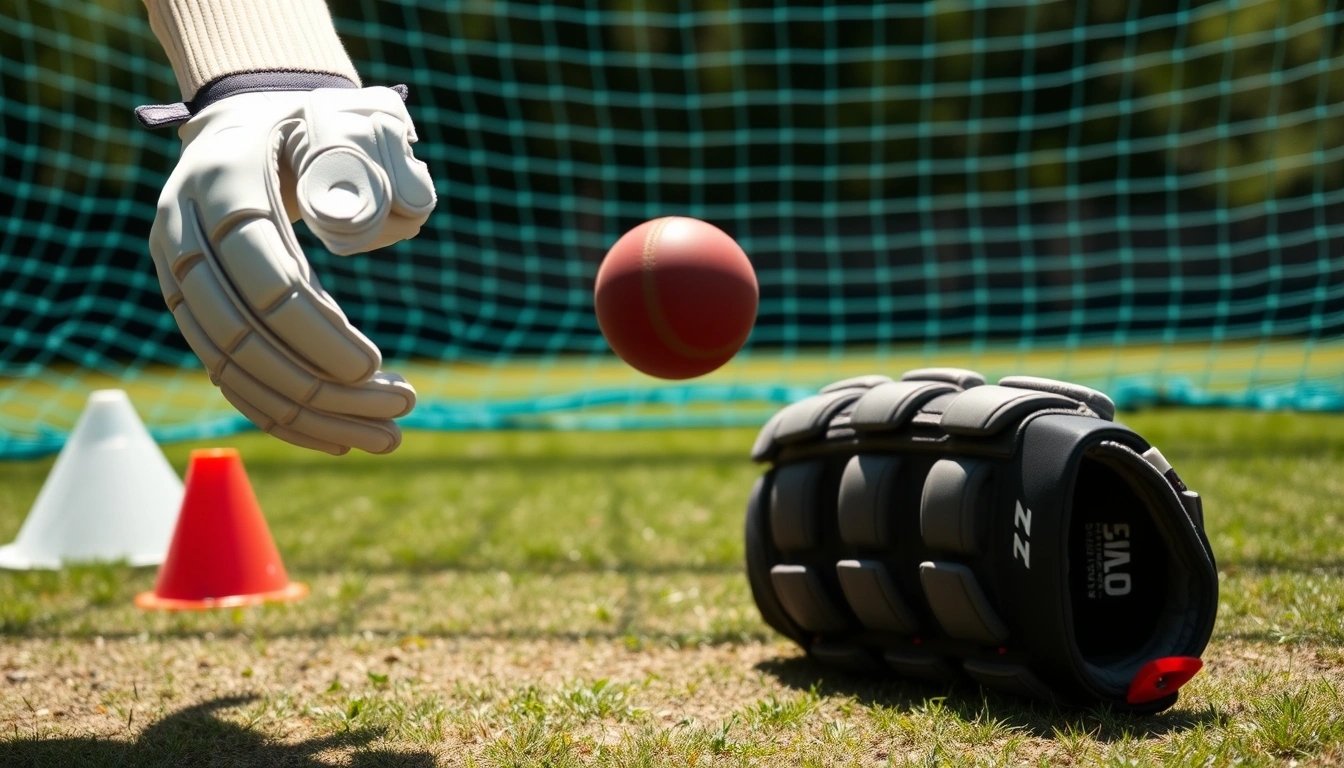
When it comes to cricket, fielding is often the unsung hero of the game. Sure, batsmen and bowlers grab the headlines, but let’s be honest — a sharp fielder can turn the tide faster than you can say “caught behind.” The key ingredients? Quick hands and sharp eyes. No, you don’t need to be some superhero, but regular practice with simple drills can make a world of difference. Trust me, even the pros swear by their fielding routines, and you should too.
Now, before you roll your eyes thinking fielding is just about standing there and hoping for a catch, think again. It’s a skill that demands focus, anticipation, and lightning-fast reactions. Here’s the deal: start with the basics — catching and ground fielding drills. They might sound boring, but these are the foundation stones for building reflexes that can save crucial runs or nab those game-changing wickets.
Let’s break down a few drills that’ll get your reflexes buzzing:
- Reaction Catch Drill: Have a partner throw balls randomly at you from short distances. The aim? Catch or stop the ball before it hits the ground. Sounds simple, but add in some unpredictable angles and speed, and suddenly your brain and hands are doing a sprint.
- Wall Ball Drill: Stand about 5-10 meters from a sturdy wall and throw the ball against it at different heights and speeds. Catch it on the rebound. This drill is gold for improving hand-eye coordination and reaction time.
- Ground Fielding Drill: Place cones in a zigzag pattern and have someone hit or roll balls towards you at varying speeds. You need to scoop them up cleanly and quickly. This one’s fantastic for building agility and getting comfortable with low balls.
| Drill Name | Purpose | Equipment Needed | Duration |
|---|---|---|---|
| Reaction Catch Drill | Improve reflex catching | Cricket balls, partner | 10-15 minutes |
| Wall Ball Drill | Hand-eye coordination | Cricket balls, wall | 10 minutes |
| Ground Fielding Drill | Agility and low ball pickup | Cricket balls, cones | 15 minutes |
One thing to remember — don’t get discouraged if you fumble a few times. Fielding is a bit like riding a bike; it looks easy until you’re the one scrambling on the ground for the ball. The trick is consistency. Make these drills part of your regular practice, and you’ll notice your hands getting faster and your eyes sharper. Plus, your mates will start to look at you like you’re some sort of ninja in the field. Bonus!
Oh, and don’t forget to warm up your wrists and fingers before you start. Nothing worse than pulling a muscle while trying to catch a screaming drive. Stretch those fingers, do some wrist rotations, and maybe even shake out the nerves with a few light tosses.
In the end, fielding isn’t just about physical skills — it’s a mental game too. Anticipating where the ball might go, reading the batsman’s body language, and staying alert throughout the innings are just as crucial. So, mix these drills with some game awareness, and you’re well on your way to becoming a fielding ace.
Quick recap:
- Start simple: reaction and catching drills
- Use varied drills like wall ball and ground fielding for all-round skills
- Practice regularly to build muscle memory and confidence
- Warm up properly to avoid injuries
- Stay mentally alert and anticipate the game
Fielding might not be glamorous, but it’s definitely one of the most rewarding parts of cricket. So grab that ball, get stuck in, and watch your reflexes sharpen like never before. Your team will thank you — and hey, who doesn’t want to be the one pulling off the spectacular catch?
Common mistakes to avoid in your first session
Jumping into your first cricket net session with sky-high expectations? Hold your horses! While enthusiasm is great, many beginners unwittingly stumble into some classic blunders that can easily be dodged with a bit of know-how. Trust me, avoiding these pitfalls not only saves you from turning bright red with embarrassment but also fast-tracks your progress on the pitch.
- Overgripping the Bat: It’s tempting to squeeze the bat like it owes you money, but a death grip kills your fluidity. Loosen up and let the bat do the talking – a relaxed grip helps with better control and shot execution.
- Ignoring Footwork: Cricket isn’t just about swinging wildly. Your feet need to be nimble to get into the right position. Stiff or lazy footwork is a surefire way to miss those juicy deliveries or get bowled out embarrassingly.
- Skipping Warm-ups: You might think you’re too cool for warm-ups, but skipping them is an invitation to injuries. A quick 10-minute warm-up primes your muscles and keeps those nasty strains at bay.
Now, let’s be honest – sometimes beginners get too hung up on technique and forget the simple stuff. Like, showing up late or not paying attention to the coach’s instructions. Yeah, it happens. But hey, learning is a messy business. Just don’t make it a habit.
| Mistake | Why It Happens | Quick Fix |
|---|---|---|
| Standing too close to the stumps | Fear of missing the ball or lack of confidence | Practice stance with coach; focus on balance |
| Not watching the ball | Distraction or nervousness | Keep eyes glued to bowler’s hand and ball |
| Over-bowling without rest | Excitement to impress | Take breaks; quality over quantity |
| Ignoring safety gear | Underestimating risks | Always wear pads, gloves, and helmet |
| Forgetting net etiquette | Newcomer nerves or lack of awareness | Listen to seniors; respect space and turns |
Also, don’t fall into the trap of trying to hit every ball for six. It’s cricket, not baseball! Patience is your best mate here. Focus on timing and placement rather than brute force. And yes, sometimes you’ll get bowled out or mess up a catch — welcome to the club! Even legends had their off days.
Here’s a quick checklist to keep handy before you hit the nets:
- Gear check: Pads, gloves, helmet, and a bat that suits your size.
- Warm-up routine: Stretch those legs, arms, and shoulders.
- Focus: Watch the ball, listen to advice, and keep calm.
- Patience: Cricket is a marathon, not a sprint.
- Hydration: Bring water — you’ll thank yourself later.
To wrap it up, your first cricket net session is a rollercoaster ride. You’ll trip, stumble, maybe even face-plant metaphorically (or literally), but that’s part of the charm. Avoiding these beginner mistakes isn’t about being perfect; it’s about making your journey smoother and way more fun. So gear up, keep your chin up, and enjoy every ball that comes your way!
How to handle nerves and build confidence
Feeling jittery before your first cricket net session? Oh, you’re not alone. It’s like that first day at a new school — butterflies doing somersaults in your stomach, wondering if you’ll trip over your own feet or embarrass yourself in front of everyone. But hey, nerves aren’t the enemy; they’re just your body’s way of saying, “Hey, something exciting’s about to happen!” The trick is to not let those jitters run the show.
Let’s get real for a moment: walking into a cricket net for the first time can feel like stepping into a gladiator arena. Balls whizzing past, seasoned players showing off their skills, and you’re there wondering if you’ll even connect with the ball. The good news? You absolutely will, once you get the hang of it. Here’s how to calm those nerves and actually enjoy the game.
| Tips to Calm Nerves | Why It Works |
|---|---|
| Deep Breathing Exercises | Slows your heart rate and clears your mind, making you less anxious. |
| Visualize Success | Imagining yourself hitting a great shot boosts confidence and reduces fear of failure. |
| Arrive Early | Gives you time to get familiar with the environment and warm up properly. |
| Focus on Learning, Not Perfection | Removes pressure, allowing you to enjoy the process rather than stressing over mistakes. |
| Chat with Fellow Players | Helps you feel part of the group and less isolated in your nervousness. |
Now, confidence isn’t something you just wake up with—it’s built, bit by bit. One of the sneakiest ways to boost it? Celebrate the small wins. Did you just connect the bat with the ball? Boom, win! Managed to bowl without tripping over? Another win! Keep a mental scoreboard of these moments, and before you know it, that nervous energy turns into excitement.
- Practice Makes Imperfectly Perfect: Nobody’s a pro from day one. Mess up, laugh it off, and try again.
- Set Tiny Goals: Maybe today’s target is just to get your stance right or bowl a decent line. Small goals keep you motivated.
- Remember Why You Started: Cricket’s fun, social, and a great way to stay active. Don’t lose sight of that.
Here’s a quick pre-session checklist to help you walk in with your head held high:
- Wear comfortable gear- Do a light warm-up- Bring a water bottle (hydration is key!)- Smile and say hello to others- Keep a positive mindset
And if the nerves hit hard during the session, take a break. Step aside, breathe, and remind yourself that every player was a beginner once. Even the legends started with shaky hands and missed catches.
In the end, cricket nets are your playground for growth. Embrace the awkward moments, the near misses, and the funny mishaps. They’re all part of the game. So next time you feel your heart racing, don’t fight it — channel it, play with it, and let it fuel your journey to becoming the cricketer you’re meant to be.
Good luck out there, and remember: even the pros had to start somewhere!
Understanding net etiquette and safety rules
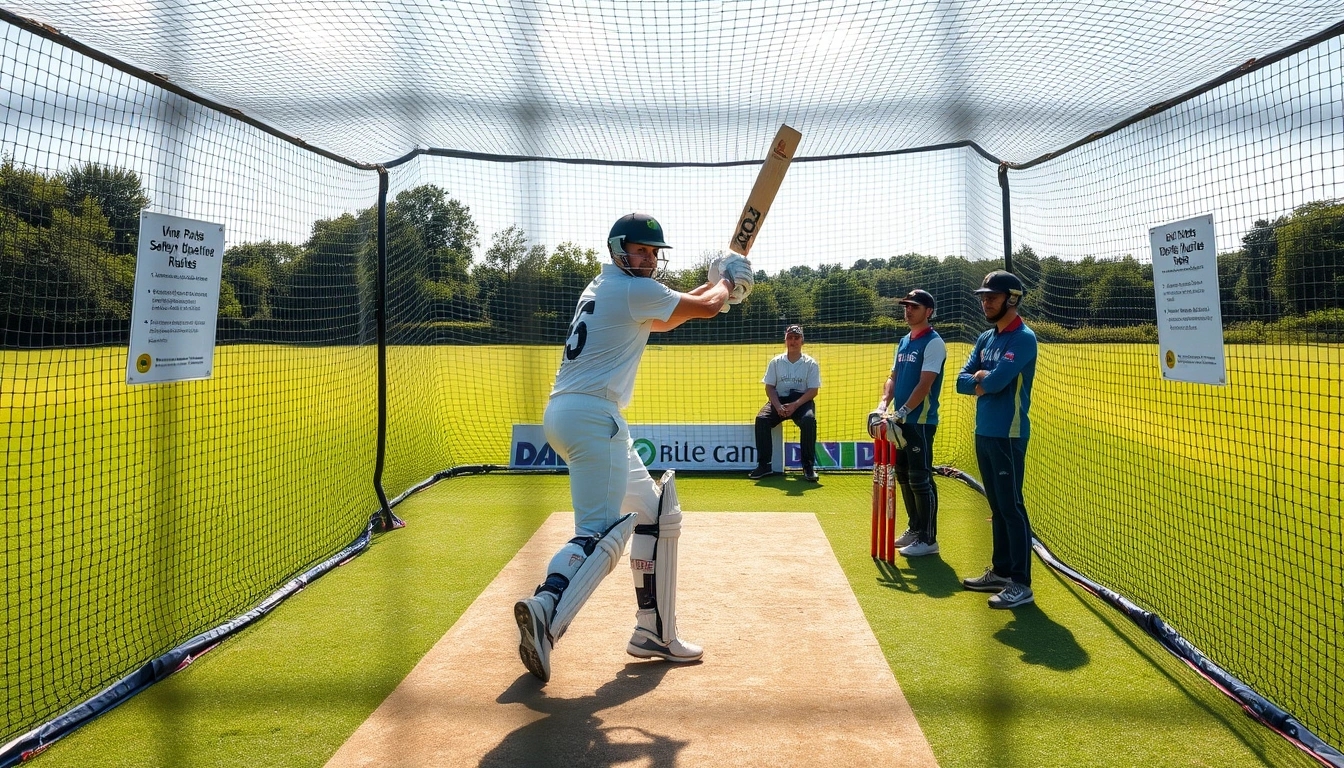
Jumping into your first cricket net session can be a bit like stepping into a lion’s den if you don’t know the ropes. Now, the thing that often gets overlooked (and trust me, it’s a biggie) is net etiquette and safety. It’s not just about swinging your bat wildly or bowling like there’s no tomorrow. No, mate, it’s about respect—respect for others, the space, and the gear. Without this, the whole session can turn into chaos faster than you can say “Howzat!”
- Respect personal space: Cricket nets are usually narrow strips where several players might be practicing simultaneously. You don’t want to be the guy who barges in front of someone mid-shot or bowling run-up. Always wait your turn and keep a safe distance. Nobody likes a helmet to the face because you were too eager to get your shot in.
- Listen to the coach or session leader: They’re there to keep things running smoothly and safely. Ignoring instructions can lead to accidents or slow down everyone’s progress.
- Wear the right gear: Pads, gloves, helmet—don’t skimp here. It’s not a fashion show; it’s about protecting yourself and others. A stray ball can cause serious injury, so gear up properly.
| Common Safety Rules | Why It Matters |
|---|---|
| Never bowl directly at someone warming up | Prevents injuries and keeps the session safe for everyone |
| Use only designated nets for practice | Ensures players don’t accidentally interfere with each other |
| Keep the net area tidy | Reduces tripping hazards and keeps equipment safe |
| Communicate clearly before bowling or batting | Avoids surprise deliveries and potential accidents |
Look, cricket nets are meant to be a place where you can let loose, learn, and improve without the fear of getting clobbered or annoying your mates. But if you ignore safety protocols, you’re basically asking for trouble. Imagine a fast ball flying at someone who’s not paying attention—ouch, right? So, always keep your head on a swivel and respect others’ practice time.
One thing I’ve noticed with beginners is the tendency to hog the nets or get impatient. Chill out! Cricket is a team sport, and the nets are shared spaces. If you’re done with your turn, step aside and let the next player have a crack. Plus, it’s polite to offer encouragement rather than snide remarks. Everyone’s learning here.
Practical Tips for Net Etiquette:- Arrive on time and be ready to start- Avoid distracting others while they’re batting or bowling- Keep your phone on silent or away from the nets- Clean up your gear after use- Speak up if you see unsafe behaviour
In the end, respecting net etiquette and following safety rules isn’t just about avoiding injuries. It’s about creating a positive environment where everyone can enjoy the game and improve their skills. So, next time you hit the nets, remember: a bit of common sense and courtesy goes a long way. You’ll not only keep yourself safe but also earn the respect of your fellow cricketers. And hey, that’s half the battle won before you even face your first ball!
Tracking your progress effectively
Alright, let’s be honest here—keeping an eye on how you’re doing in cricket isn’t exactly the most glamorous part of the game. But if you’re serious about improving, it’s absolutely crucial. Think of it like this: if you don’t know what’s working and what’s not, you’re basically swinging in the dark. And no one wants to be that guy who keeps making the same mistakes over and over, right?
So, how do you keep tabs on your progress without turning into a stats-obsessed robot? First off, start simple. Jot down what you did in each net session—how many balls you faced, what shots you nailed, or how many wickets you took if you’re bowling. Sounds basic, but trust me, it’s a game changer. Over time, these notes become a goldmine for spotting patterns.
- Note your strengths: Maybe your cover drives are looking sharp, or your yorkers are landing just right.
- Spot the weaknesses: Perhaps you’re struggling with short balls or your footwork is a bit off.
- Set small goals: Instead of “become a pro,” aim for “hit 5 boundaries in the next session” or “bowl 10 accurate deliveries.”
Now, if you’re a bit tech-savvy (or just love an excuse to play with gadgets), there are apps and tools that can help track your cricket stats. Some even allow you to film your sessions, so you can review your stance or bowling action later. Watching yourself can be… well, a little cringe-worthy at first, but it’s one of the fastest ways to catch those sneaky bad habits.
| What to Track | Why It Matters | How to Track |
|---|---|---|
| Batting shots played | Identify which shots work best | Write down successful and failed shots |
| Bowling accuracy | Improves consistency and control | Count how many balls hit the target area |
| Fielding drills completed | Boost reaction times and catching skills | Record drill types and success rates |
One thing to remember: progress isn’t always a straight line. Some days you’ll feel like a cricketing legend, smashing every ball; other days, you might wonder if you’ve accidentally joined a circus instead. That’s normal. The key is to keep tracking, keep adjusting, and not get discouraged by the occasional off day.
Also, don’t be shy about sharing your progress with a coach or even a mate who’s been around the block. Sometimes, an outside perspective can highlight things you’d never notice yourself. Plus, it’s always nice to have someone cheer you on when you finally crack that tricky shot or nail a perfect delivery.
In short: tracking your performance isn’t about obsessing over every little detail. It’s about giving yourself a clear picture of where you stand so you can train smarter, not just harder. And trust me, your future self (and your cricket mates) will thank you for it.
Finding local clubs and coaches for ongoing support
Jumping into cricket nets for the first time is one thing, but sticking with it and actually improving? That’s a whole different ball game. And here’s the kicker: you can’t really do it alone. Sure, YouTube tutorials and Instagram clips are handy, but nothing beats the real deal — connecting with local clubs and coaches. These folks aren’t just about drills and scores; they’re your ticket to guidance, motivation, and sometimes, a good old-fashioned kick up the backside when you need it most.
Now, finding the right club isn’t about just picking the closest one or the fanciest looking website. It’s about vibe, community, and what you want out of the game. Some clubs are ultra-competitive, where it’s all about winning and stats. Others are more laid-back, focusing on fun, social cricket, and learning the ropes without pressure. So, before you sign up, do a bit of homework. Drop by a session, chat to members, and see if it feels like your kind of place.
| Key Factors to Consider When Choosing a Cricket Club | Why It Matters |
|---|---|
| Location and Accessibility | Easy to get to, so you’re more likely to turn up regularly. |
| Level of Competition | Matches your skill and ambition level to keep you challenged but not overwhelmed. |
| Coaching Quality | Good coaches can spot your weaknesses and help you improve faster. |
| Club Culture | A supportive environment makes practice and matches more enjoyable. |
| Facilities and Equipment | Proper nets, pitches, and gear availability enhance your training experience. |
Speaking of coaches, these legends are worth their weight in gold. A decent coach won’t just drill you endlessly; they’ll tailor sessions to your strengths and weaknesses, keep you motivated when you’re ready to throw in the towel, and push you to levels you didn’t think possible. But beware — not all coaches are created equal. Some might be old-school and rigid, while others are more chill and adaptive. Find one who clicks with your style and personality.
- Tip 1: Don’t be shy to ask for trial sessions — most clubs and coaches offer these to see if it’s a good fit.
- Tip 2: Look for coaches with certifications or proven track records; it’s not just about passion but knowledge.
- Tip 3: Group coaching can be cheaper and social, but one-on-one sessions often speed up your progress.
Also, keep in mind that clubs and coaches often open doors beyond just practice. They can connect you to local leagues, tournaments, and even talent scouts if you’re serious about taking your game up a notch. Plus, being part of a club means you get to rub shoulders with players of all ages and skills, which can be inspiring and a bit humbling (in a good way).
Remember:- Networking in cricket is as important as networking in business.- The right people can offer advice that YouTube never will.- Motivation often comes from the camaraderie you build, not just from personal goals.
So, if you’re serious about cricket beyond the nets, don’t just practice hard — practice smart by plugging yourself into a community that supports and challenges you. Because, let’s face it, cricket’s a team sport, even when you’re batting alone in the nets.
Summary:
Finding the right club and coach isn’t just about skill development; it’s about becoming part of a cricketing family that propels you forward. Take your time, do your research, and don’t settle for less. Your cricket journey deserves the best support out there.

Setting realistic goals for your cricket journey
is one of those things that sounds simple but, honestly, can be a bit of a headache if you dive in without a plan. You know, everyone wants to hit those glorious sixes and bowl like a pro, but without breaking down the journey into manageable chunks, it’s easy to get overwhelmed or, worse, lose steam altogether.
First off, let’s get one thing straight: setting goals isn’t about dreaming big and then crashing hard because you aimed too high too fast. Nope, it’s about being smart, patient, and consistent. Imagine this as building your cricket skills brick by brick rather than trying to erect a mansion overnight. You want to keep your eyes on the prize but don’t forget to celebrate the small wins along the way.
| Milestone | Focus Area | Timeframe | Why It Matters |
|---|---|---|---|
| Mastering Basic Batting Stance | Technique | 2 weeks | Foundation for all batting skills |
| Consistent Bowling Line and Length | Bowling | 1 month | Improves control and pressure on batsmen |
| Fielding Catching Drills | Reflexes & Agility | 3 weeks | Essential for saving runs and boosting team morale |
Now, here’s the kicker — don’t be fooled into thinking that progress is always linear. Some days you’ll feel like you’re smashing it, and others you might just want to chuck the bat and call it a day. That’s normal! What separates the weekend warriors from the cricket buffs is sticking to those realistic goals even when motivation dips.
- Write your goals down: There’s magic in seeing your targets on paper or screen. It makes them real and harder to ignore.
- Break them into bite-sized chunks: Want to improve your batting? Start with footwork drills before moving to shot selection.
- Review and adjust: If something’s not working, tweak it. Flexibility is key.
One practical tip? Use a simple progress tracker. It doesn’t have to be fancy — a notebook or a spreadsheet will do. Track things like your batting average in nets, bowling accuracy percentages, or even how many catches you’ve taken during practice. Over time, these numbers tell a story of improvement and help you spot where you need to put in more graft.
Sample Weekly Progress Tracker:| Day | Activity | Focus Area | Notes ||-----------|------------------|---------------------|--------------------------|| Monday | Batting nets | Stance & Footwork | Felt stable, good balance|| Wednesday | Bowling practice | Line & Length | Need to work on pace || Friday | Fielding drills | Catching | Improved reaction time |
And hey, don’t forget the mental side of things. Setting realistic goals helps keep your confidence intact. Nothing’s worse than setting a target so high that you end up feeling like a total muppet every time you miss it. Instead, aim for goals that challenge you but are still within reach. That way, every time you tick one off, you get a little boost — and trust me, those small wins add up fast.
So, whether you’re just stepping into the nets for the first time or you’ve been playing for a while but feel stuck, take a moment to reflect on what you want from your cricket journey. Then, set goals that make sense for your current level, lifestyle, and ambitions. It’s not a race — it’s a marathon, and pacing yourself with realistic milestones is the secret sauce to keeping cricket fun and rewarding.
Frequently Asked Questions
- What should I wear to my first cricket net session?
Comfort is key! Opt for breathable sportswear and proper cricket shoes to give you grip and agility. Don’t forget your protective gear like pads and a helmet if you’re batting—safety first, always.
- How long does a typical cricket net session last?
Sessions usually run between 60 to 90 minutes. This gives you enough time to warm up, practice batting, bowling, and fielding without feeling rushed or exhausted.
- Do I need to bring my own equipment?
It depends. Some clubs provide gear for beginners, but having your own bat and gloves can boost your confidence and comfort. Check with your venue beforehand to avoid surprises.
- How can I overcome nerves before my first session?
Feeling jittery is totally normal! Try deep breathing, visualize your success, and remember everyone starts somewhere. Focus on enjoying the game rather than perfection.
- What’s the best way to warm up before nets?
Start with light jogging or skipping to get your blood flowing, followed by dynamic stretches targeting your arms, legs, and back. This combo helps prevent injuries and primes your muscles for action.
- How do I know if I’m improving?
Track your progress by noting down your batting accuracy, bowling consistency, or fielding reaction times after each session. Small improvements add up and keep your motivation sky-high.
- Is it okay to ask for help during the session?
Absolutely! Coaches and experienced players expect questions. Asking shows eagerness to learn and can fast-track your skills development.
- What are common beginner mistakes to avoid?
Watch out for poor grip, stiff stance, and rushing shots. These can hamper your progress and lead to injury. Focus on fundamentals and take your time to build solid habits.
- How do I find local clubs or coaches?
Start by searching online or visiting community sports centers. Many clubs offer trial sessions or beginner courses—perfect for meeting like-minded players and getting expert guidance.
- What’s net etiquette I should follow?
Be respectful: wait your turn, listen to instructions, and keep the area tidy. Also, always wear your helmet when batting and watch out for others to keep everyone safe.