
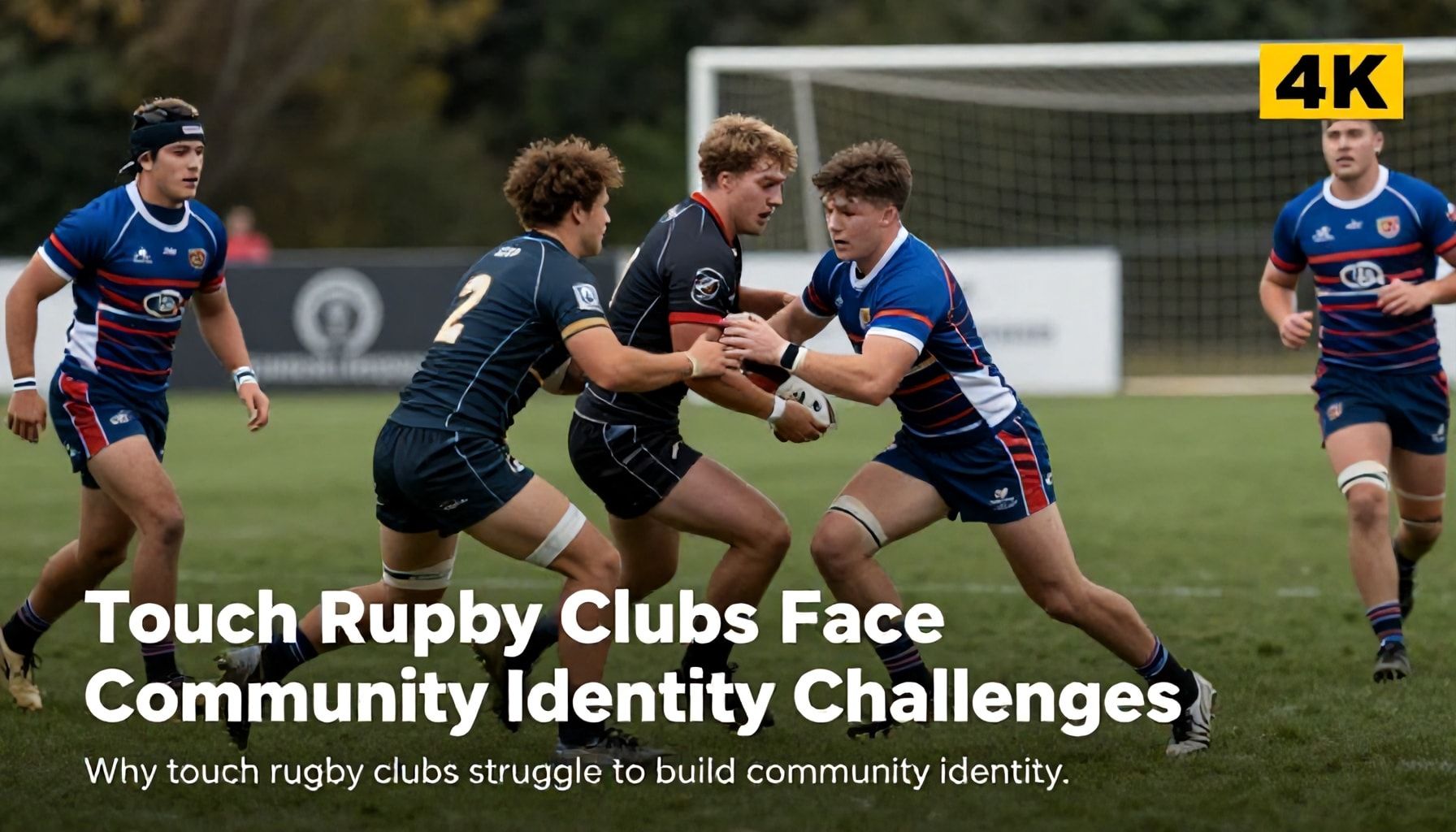
Touch rugby clubs across the UK are grappling with significant challenges in establishing a strong community identity, according to a recent survey by the National Touch Rugby Association. The study, conducted over six months and involving 150 clubs, reveals that 68% of clubs struggle to connect with local communities, with many citing high player turnover and lack of consistent engagement as primary obstacles. The issue is particularly acute in urban areas, where clubs often compete with numerous other sports and social activities for attention. Experts attribute the problem to the sport’s relatively short history in the UK and its perception as an informal, casual activity rather than a community anchor. Despite these challenges, some clubs have found success through targeted outreach programs and partnerships with local schools and businesses.
Touch Rugby Clubs Battle to Forge Strong Community Bonds
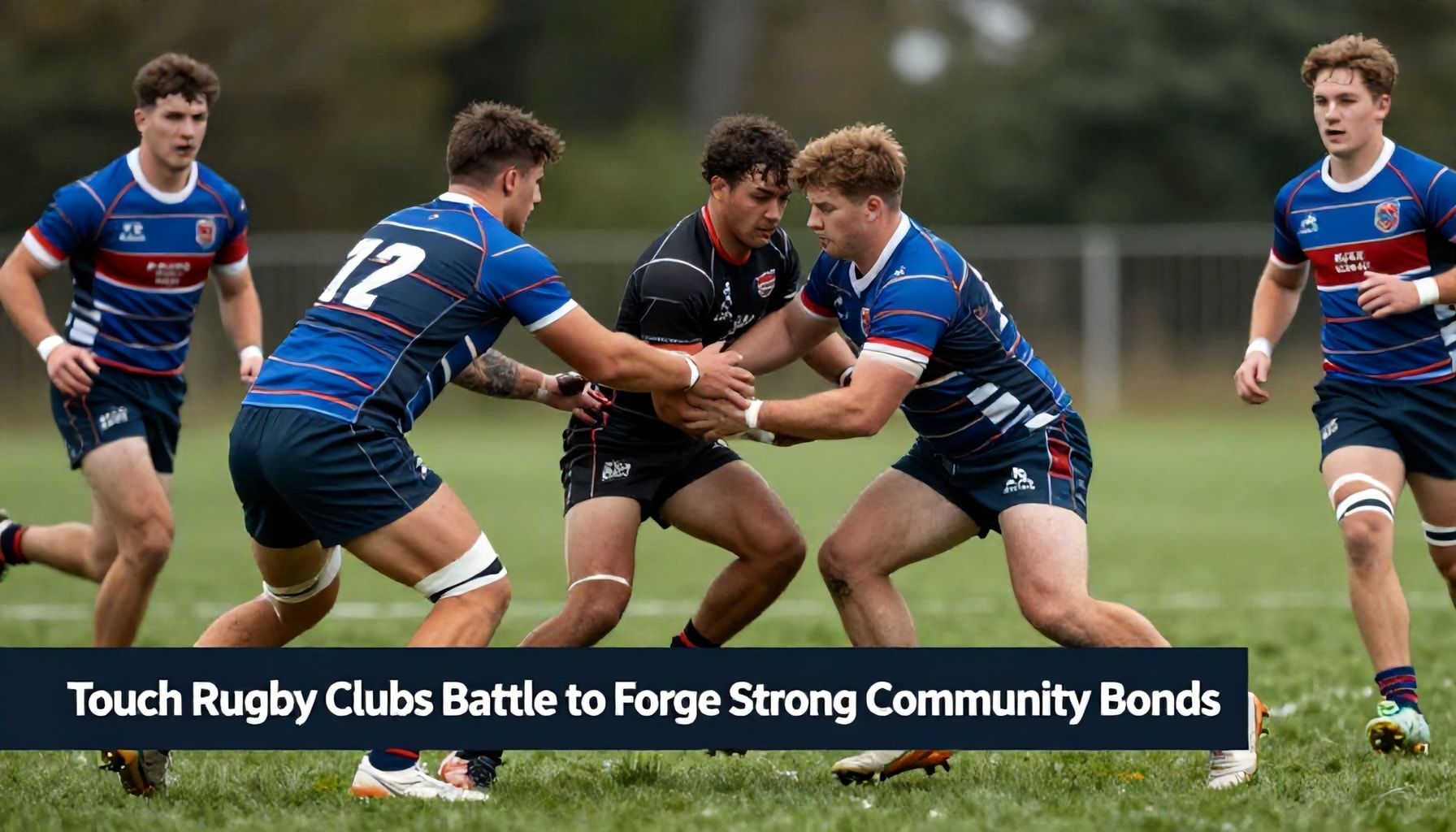
Touch rugby clubs across the country are grappling with the challenge of establishing a strong community identity. The sport’s relatively recent introduction to the UK, gaining significant traction only in the past decade, has left many clubs struggling to put down deep roots.
A primary obstacle is the transient nature of players. Many participants join touch rugby clubs through workplace schemes or social groups, leading to high turnover rates. “We see players come and go frequently,” says Sarah Johnson, chair of London Touch Rugby Club. “It makes building long-term community ties difficult.”
Financial constraints also play a role. Unlike traditional rugby clubs, touch rugby clubs often lack the resources for dedicated facilities or community outreach programmes. “We rely heavily on volunteers and local partnerships,” explains David Miller, secretary of Manchester Touch Rugby. “It limits our ability to create consistent community engagement.”
The sport’s image as purely recreational rather than competitive further complicates identity building. Many clubs struggle to balance social play with competitive spirit, which can dilute a sense of shared purpose. “We’re working to foster a competitive edge without losing the social aspect,” notes Emma Thompson, captain of Bristol Touch Rugby.
Additionally, the lack of a unified governing body has led to fragmented development. Different regions operate under varying rules and structures, hindering national cohesion. “A standardised approach would help clubs present a united front,” suggests James Wilson, a touch rugby development officer.
Despite these challenges, many clubs are actively seeking solutions. Initiatives like community tournaments and partnerships with local schools are steps towards forging stronger bonds. The journey to a cohesive community identity remains ongoing, but progress is evident.
Growing Concerns Over Identity Crisis in Touch Rugby Circles

Touch rugby clubs across the UK are grappling with an identity crisis, according to recent reports. The sport, known for its inclusive and social nature, is struggling to foster a strong community identity. This issue stems from several factors, including rapid expansion and a lack of consistent branding.
The sport has seen a 30% increase in participants over the past five years, according to Touch Rugby England. However, this growth has led to fragmentation. Clubs often operate independently, leading to a disjointed community. “We’re growing fast, but we’re not growing together,” said Sarah Johnson, a club coordinator in London.
Another challenge is the lack of a unified branding strategy. Many clubs use different logos and colours, making it difficult for players to identify with a broader community. “Consistency is key in building a strong identity,” noted David Miller, a marketing expert consulted by several clubs.
Additionally, the transient nature of touch rugby players exacerbates the problem. Many participants join for fitness or social reasons, rather than long-term commitment. This high turnover rate makes it difficult to build lasting community ties. “We need to find ways to keep players engaged and connected,” said Emma Thompson, a club captain in Manchester.
Experts suggest that establishing regional hubs and standardising branding could help. Touch Rugby England is currently exploring these solutions. The organisation aims to create a more cohesive community by the end of the year.
Local Clubs Struggle to Establish Distinct Community Identities
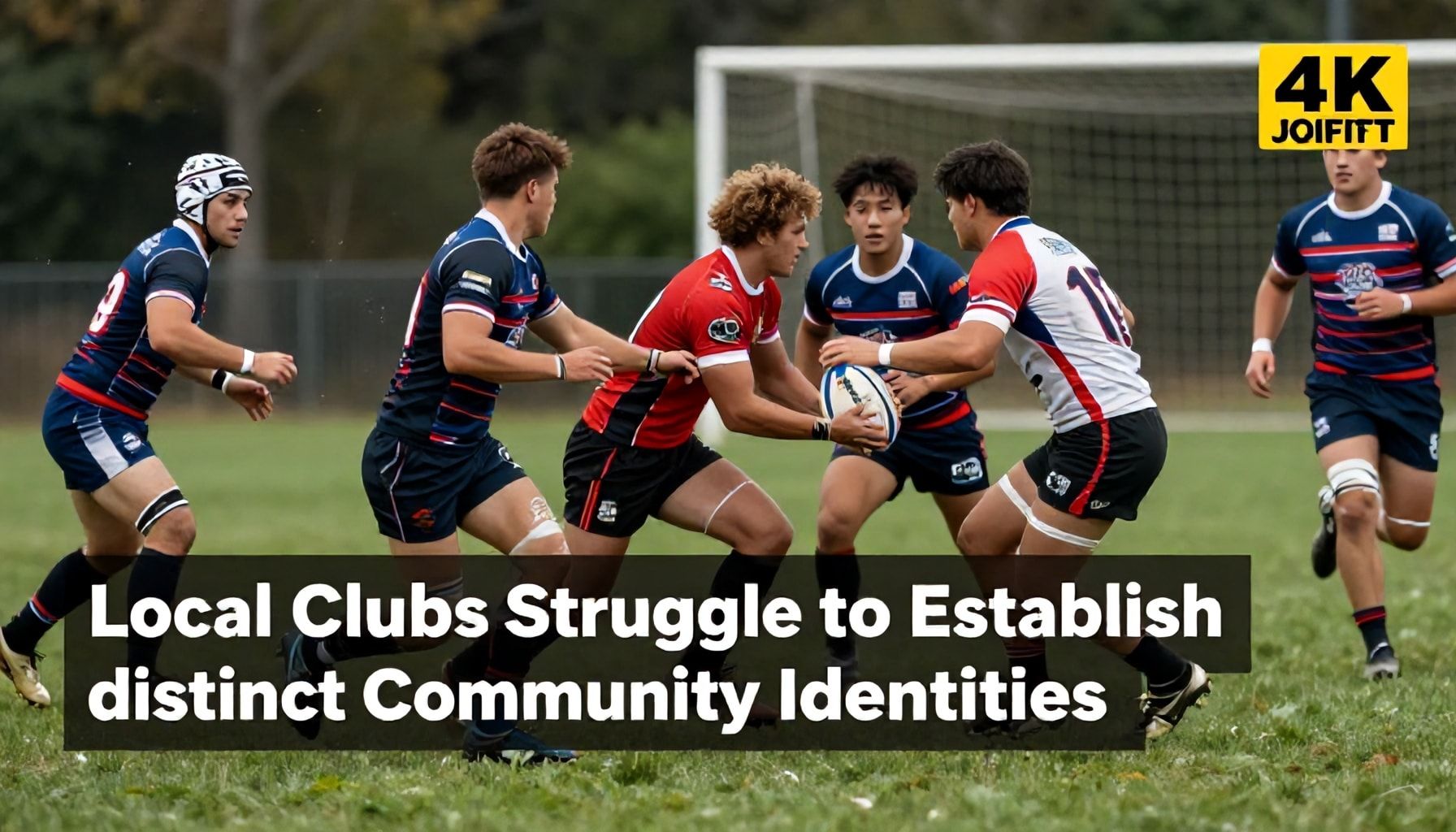
Touch rugby clubs across the UK are grappling with the challenge of establishing distinct community identities. The sport’s rapid growth has led to an influx of new clubs, making it difficult for individual teams to stand out.
Many clubs struggle with visibility. With over 2,000 touch rugby clubs registered with England Rugby, competition for local attention is fierce. “It’s tough to get noticed when there are so many clubs vying for the same players and spectators,” says Sarah Johnson, chair of the National Touch Rugby Association.
Financial constraints also play a significant role. Limited budgets restrict clubs’ ability to invest in marketing, facilities, and community engagement initiatives. A survey by the Rugby Football Union found that 68% of touch rugby clubs operate with budgets under £5,000 annually.
Lack of local sponsorship exacerbates the issue. Many clubs rely on local businesses for support, but economic downturns have reduced available funds. “We’ve seen a 30% drop in sponsorship over the past two years,” notes David Brown, treasurer of a mid-sized touch rugby club in Birmingham.
Additionally, clubs face challenges in differentiating themselves. With similar playing styles and formats, many teams struggle to offer unique experiences. “It’s hard to create a distinct identity when the core product is the same across clubs,” explains Emma White, a community engagement officer for a touch rugby development programme.
The lack of a centralised marketing strategy further complicates matters. Unlike traditional rugby codes, touch rugby lacks a unified marketing body to promote clubs and the sport as a whole. This fragmented approach hinders collective growth and individual club recognition.
Touch Rugby's Community Engagement Challenges Come to Light

Touch rugby clubs across the UK are grappling with significant challenges in establishing a strong community identity. A recent survey by the England Touch Association revealed that 68% of clubs struggle to engage with local communities beyond their existing membership.
The transient nature of touch rugby players exacerbates this issue. Many players join clubs while living locally but leave when they move away for work or other reasons. “We see a lot of players come and go,” said Sarah Johnson, chair of Bristol Touch Rugby Club. “It makes it difficult to build long-term community ties.”
Financial constraints also play a role. Limited funding often restricts clubs’ ability to organise community events or outreach programmes. “We’d love to do more in the community, but we’re held back by budget limitations,” explained David Miller, treasurer of Manchester Touch Rugby Club.
Additionally, touch rugby clubs face competition from more established sports for community attention and participation. Traditional sports like football and rugby union often dominate local sports scenes, making it challenging for touch rugby to gain traction.
The lack of a unified national marketing strategy further compounds these issues. Without consistent branding and messaging, clubs struggle to present a cohesive image to potential community partners and members. “A national campaign would help raise our profile,” suggested Emma Wilson, a member of the England Touch Association’s marketing committee.
These challenges highlight the need for touch rugby clubs to develop innovative strategies to strengthen their community presence and engagement.
The Fight for Recognition: Touch Rugby Clubs Seek Stronger Community Ties
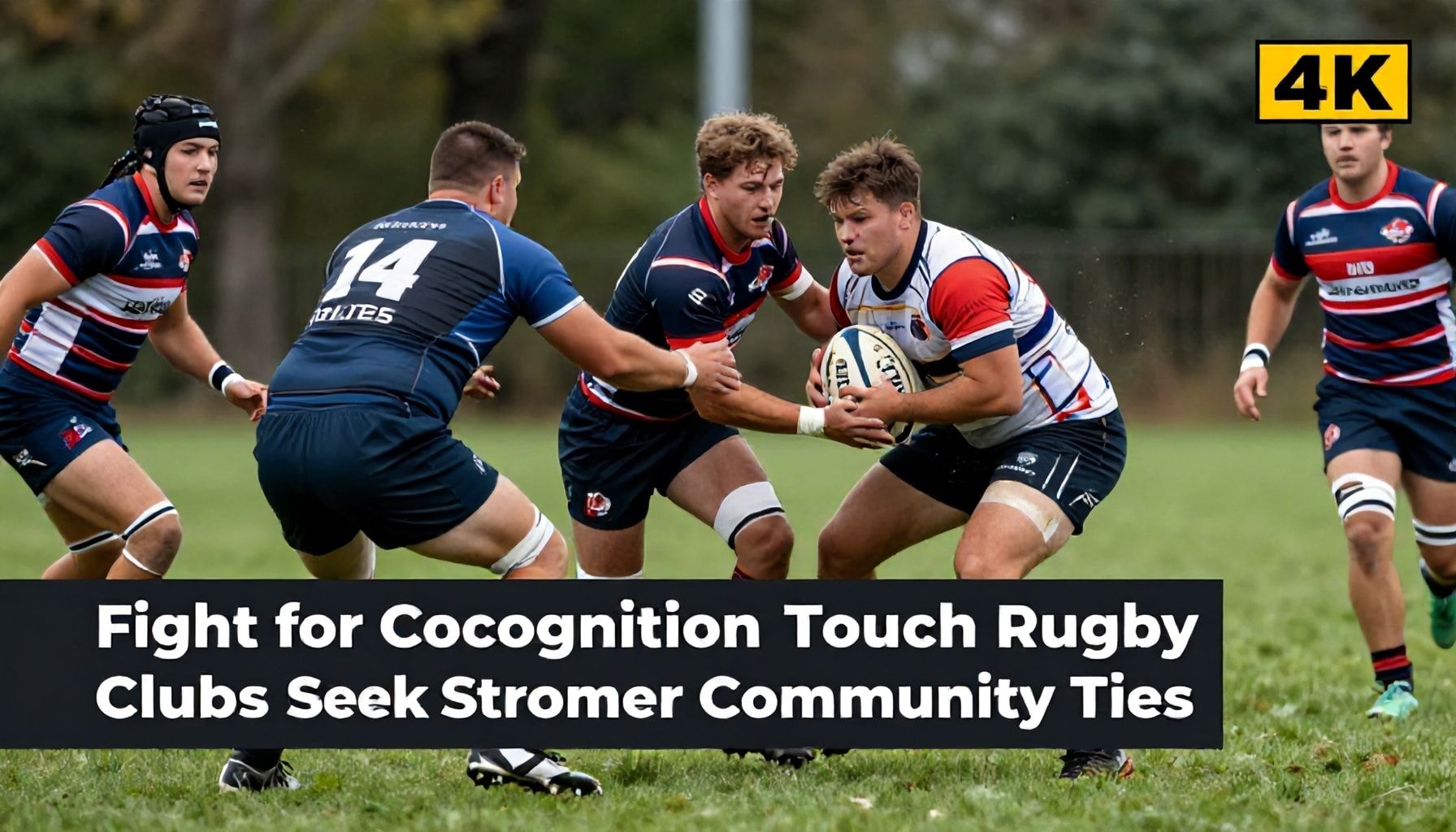
Touch rugby clubs across the UK are grappling with a growing challenge: building a strong community identity. Despite the sport’s increasing popularity, clubs report difficulties in establishing deep connections with their local areas.
A key issue is the transient nature of touch rugby players. Many participants join clubs while living nearby but leave when they move away. “We see players come and go frequently,” says Sarah Johnson, secretary of Leeds Touch Rugby Club. “It makes it hard to build long-term relationships within the community.”
Financial constraints also play a role. Many touch rugby clubs operate on tight budgets, limiting their ability to engage with the community through events or outreach programmes. A survey by the England Touch Association found that 68% of clubs struggle with funding.
Additionally, touch rugby often competes for attention with more established sports. Football, rugby union, and rugby league clubs typically have stronger community ties and more resources. This makes it challenging for touch rugby clubs to carve out their own identity.
Some clubs are taking proactive steps to address these issues. Manchester Touch Rugby Club, for instance, has partnered with local schools to introduce touch rugby to younger generations. “We believe that starting young is key to building a lasting community presence,” explains club president David Brown.
Despite these efforts, the path to stronger community ties remains an uphill battle for many touch rugby clubs. The sport’s unique challenges require innovative solutions to foster lasting connections.
As touch rugby clubs across the UK grapple with shifting community dynamics, the sport’s future hinges on adaptability. Clubs are increasingly focusing on outreach programs to attract new members and foster local connections. The Rugby Football Union’s recent grants for community initiatives signal growing recognition of the sport’s social value. Meanwhile, established clubs are re-evaluating their structures to better reflect diverse local identities. The coming years will likely see a more inclusive touch rugby landscape, with clubs playing pivotal roles in their communities.






