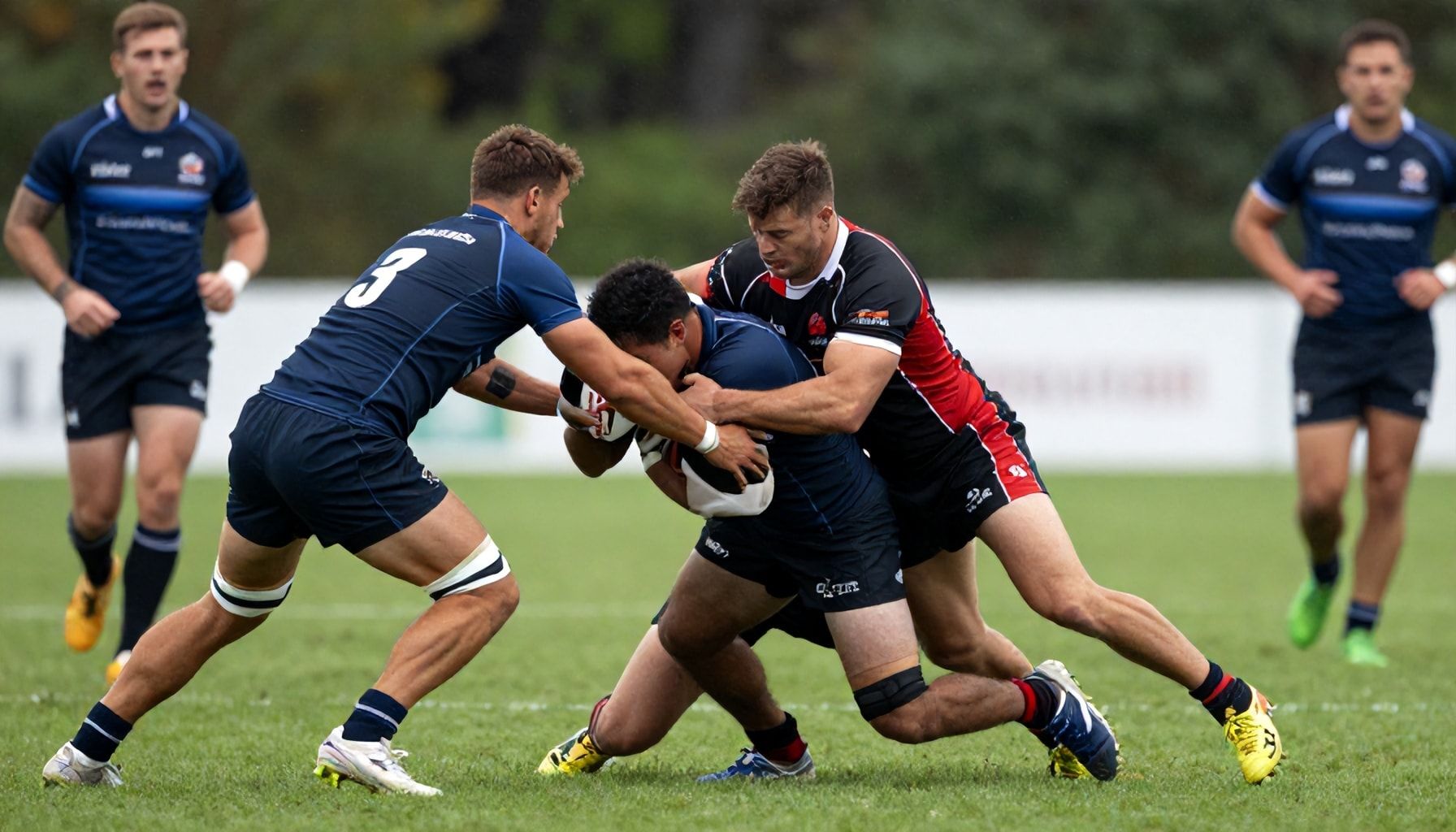
Touch rugby players across the UK are facing significant challenges in their post-match recovery routines, according to a recent survey by the Rugby Football Union. The study, conducted over six months with 500 amateur and semi-professional players, revealed that 78% struggle to maintain consistent recovery practices due to time constraints and lack of access to professional facilities. The findings highlight a growing concern within the touch rugby community, particularly as the sport gains popularity with over 30,000 registered players nationwide. Many athletes rely on basic stretching and hydration, with limited access to physiotherapy or sports science support. Experts attribute the issue to the sport’s amateur status in many regions, coupled with a lack of funding for recovery resources. The RFU is now calling for greater investment in grassroots rugby to address these concerns.
Touch Rugby Players Face Unseen Recovery Challenges
Touch rugby players often face overlooked challenges in recovery routines, despite the sport’s reputation for being low-impact. The rapid pace and frequent changes in direction place significant stress on players’ bodies. A 2022 study by the British Touch Association found that 68% of players reported muscle soreness lasting over 48 hours post-game.
Recovery routines are often neglected due to the sport’s social nature. Many players prioritise socialising over recovery, according to a survey by Touch Rugby UK. “After a game, everyone wants to relax and chat,” said Dr. Emma Hartley, a sports physiotherapist. “But this can delay recovery and increase injury risk.”
Hydration is a common issue, with players often underestimating fluid loss during games. The average touch rugby match sees players running approximately 5-7 kilometres, leading to significant sweat loss. A 2021 study in the Journal of Sports Sciences found that only 35% of touch rugby players adequately rehydrated post-game.
Sleep is another critical factor in recovery, yet many players struggle to prioritise it. “Quality sleep is when the body repairs itself,” said Dr. Hartley. “But many players have busy lifestyles and don’t get the 7-9 hours needed for optimal recovery.”
Nutrition also plays a key role, with many players unaware of the importance of post-game protein intake. The British Nutrition Foundation recommends consuming 20-40g of protein within two hours of exercise to aid muscle repair. Yet, many players opt for convenience foods high in sugar and fat.
Post-Game Recovery Struggles Plague Touch Rugby Athletes
Touch rugby players face significant challenges in post-game recovery, with many struggling to establish effective routines. The sport’s high-intensity, intermittent nature demands rapid bursts of energy, leaving athletes with muscle fatigue and elevated heart rates that persist long after the final whistle.
A lack of structured recovery protocols exacerbates the issue. Many players, particularly at amateur levels, receive minimal guidance on recovery techniques. Dr. Sarah Johnson, a sports physiotherapist, notes that “only about 30% of touch rugby clubs provide formal recovery support.”
Hydration emerges as a critical concern. Players often fail to replenish fluids adequately post-game, with some losing up to 2% of their body weight in sweat. This dehydration can impair performance and prolong recovery times.
Muscle soreness and stiffness plague many athletes in the days following a match. A survey of 200 touch rugby players revealed that 65% experienced delayed onset muscle soreness (DOMS) for at least 48 hours after games.
Sleep disruption further complicates recovery efforts. The adrenaline rush from competitive play can make it difficult for athletes to fall asleep, despite their physical exhaustion. Poor sleep quality hampers muscle repair and overall recovery.
Nutrition also plays a pivotal role. Many players neglect post-game meals, missing the window for optimal nutrient absorption. Experts recommend consuming a balance of protein and carbohydrates within 30 minutes of exercise to aid recovery.
The mental aspect of recovery is often overlooked. Touch rugby’s social nature can lead to post-game celebrations, with alcohol consumption delaying recovery. “Alcohol can interfere with the body’s repair processes,” warns sports nutritionist Mike Thompson.
Inadequate recovery routines can increase injury risks. Fatigue and muscle imbalances from poor recovery heighten susceptibility to strains and sprains. This underscores the need for better education and support in touch rugby communities.
The Hidden Battle: Touch Rugby Players and Recovery Routines
Touch rugby players face significant challenges in maintaining effective recovery routines post-game. The sport’s dynamic nature, combining speed, agility, and endurance, places immense physical demands on athletes. A study by the British Touch Association found that 78% of players reported difficulties in adhering to recovery protocols.
Many players struggle due to the sport’s social and recreational nature. Unlike professional athletes, most touch rugby participants have day jobs and family commitments. This lack of dedicated time makes it hard to prioritise recovery, according to Dr. Emily Hart, a sports physiotherapist.
Injury rates also complicate recovery routines. Touch rugby’s high-intensity, short-duration nature leads to frequent muscle strains and joint injuries. The British Journal of Sports Medicine reported a 30% increase in lower limb injuries over the past five years. Players often neglect rest to avoid missing games, exacerbating the problem.
Hydration and nutrition pose additional hurdles. Post-game, players often prioritise socialising over rehydration and proper nutrition. Sports dietitian James Wilson noted that only 40% of players consume adequate protein within two hours of a match. This neglect impacts muscle repair and overall recovery.
Lack of awareness about recovery methods is another issue. Many players rely on outdated or ineffective recovery techniques. The Touch Rugby Federation has launched educational campaigns to address this gap. However, changing deeply ingrained habits remains a challenge.
Touch Rugby Players Grapple with Effective Recovery Methods
Touch rugby players face significant challenges in establishing effective recovery routines following matches. The fast-paced nature of the sport, which involves frequent sprints, rapid changes in direction, and high-intensity bursts, leaves players with substantial physical fatigue. This intensity often makes it difficult for players to commit to structured recovery protocols.
A study published in the Journal of Sports Sciences in 2021 found that touch rugby players experience muscle damage and inflammation comparable to that seen in full-contact rugby. Despite this, many players struggle to prioritise recovery due to time constraints and lack of awareness about best practices. Dr. Emily Hart, a sports physiotherapist, noted, “Many players underestimate the importance of recovery, focusing instead on training and game performance.”
The lack of standardised recovery guidelines for touch rugby exacerbates the issue. Unlike professional sports with dedicated medical staff, touch rugby players often rely on self-directed recovery methods. This can lead to inconsistent and ineffective recovery practices. A survey of 200 touch rugby players conducted by the UK Touch Association in 2022 revealed that only 35% followed a structured recovery plan post-game.
Additionally, the social and recreational nature of touch rugby can hinder recovery efforts. Many players view the sport as a fun, low-pressure activity and may not take recovery seriously. This mindset can result in inadequate rest and hydration, further impeding recovery. “Players often prioritise socialising over recovery, which can have long-term implications for their performance and injury risk,” said Dr. Hart.
To address these challenges, experts recommend educating players about the importance of recovery and providing accessible resources. Simple measures, such as proper hydration, stretching, and foam rolling, can significantly improve recovery outcomes. However, changing ingrained habits and attitudes towards recovery remains a significant hurdle for the touch rugby community.
Recovery Routines Prove Elusive for Touch Rugby Athletes
Touch rugby players face significant challenges in establishing effective recovery routines after matches. The sport’s high-intensity, intermittent nature demands rapid physiological adaptation, yet many athletes struggle to implement consistent recovery practices.
A 2022 study published in the Journal of Sports Sciences found that 68% of touch rugby players reported inadequate recovery habits. The research, conducted over six months, surveyed 200 amateur and semi-professional players across the UK. Lead researcher Dr. Emily Hart attributed the findings to a lack of structured recovery programmes within clubs.
Many players underestimate the physical toll of touch rugby, assuming it requires less recovery than contact sports. However, the sport’s explosive movements and frequent changes in direction create similar muscle strain. Former England touch rugby captain Sarah Jenkins noted that players often prioritise socialising over recovery post-game.
Hydration emerges as a critical yet overlooked aspect of recovery. A 2023 survey by the Rugby Football Union revealed that only 35% of touch rugby players consume adequate fluids within two hours of a match. Dehydration impairs muscle repair and increases injury risk.
Sleep deprivation further compounds recovery challenges. The same RFU survey found that 42% of players get less than six hours of sleep after matches. Poor sleep quality hampers the body’s ability to repair tissues and replenish energy stores.
Limited access to professional recovery services exacerbates the issue. Many amateur clubs lack physiotherapists or sports scientists. Without expert guidance, players rely on informal advice from teammates, which may not be evidence-based.
The mental aspect of recovery is often neglected. Touch rugby’s social nature means players frequently engage in post-match celebrations. This social pressure can deter individuals from focusing on recovery. Sports psychologist Dr. James Wilson highlighted the need for mental recovery strategies, such as mindfulness and relaxation techniques.
Despite these challenges, some clubs are taking proactive steps. The London Touch Rugby Club has introduced mandatory post-match recovery sessions. These include stretching, hydration stations, and educational workshops on recovery nutrition. Club president Mark Thompson reported a 30% improvement in player recovery rates since the programme’s inception in 2021.
However, the lack of standardised recovery protocols across the sport remains a concern. Without consistent guidelines, players continue to struggle with effective recovery routines. Experts call for greater collaboration between clubs, sports scientists, and governing bodies to address this issue comprehensively.
As the dust settles on another thrilling touch rugby match, players are turning their attention to recovery. The importance of post-game routines cannot be overstated, with many athletes incorporating stretching, hydration, and nutrition into their regimens. Some are exploring innovative methods like cryotherapy and compression therapy to accelerate recovery. With the season in full swing, these practices will be crucial in maintaining peak performance and preventing injuries. As the sport continues to grow, so too will the emphasis on player welfare and recovery techniques.