

Touch rugby players across the UK are facing significant challenges in maintaining effective recovery routines, according to a recent survey by the Rugby Football Union (RFU). The study, conducted over the past six months, revealed that 78% of touch rugby players struggle to dedicate sufficient time to recovery, with many citing the sport’s fast-paced nature and the lack of structured recovery programs as primary obstacles. The findings highlight a growing concern within the touch rugby community, particularly as the sport gains popularity. Experts attribute the issue to the sport’s unique demands, which often lead to muscle fatigue and increased injury risks. The RFU is now calling for greater awareness and resources to support players’ recovery needs.
Touch Rugby Players Grapple with Post-Match Recovery
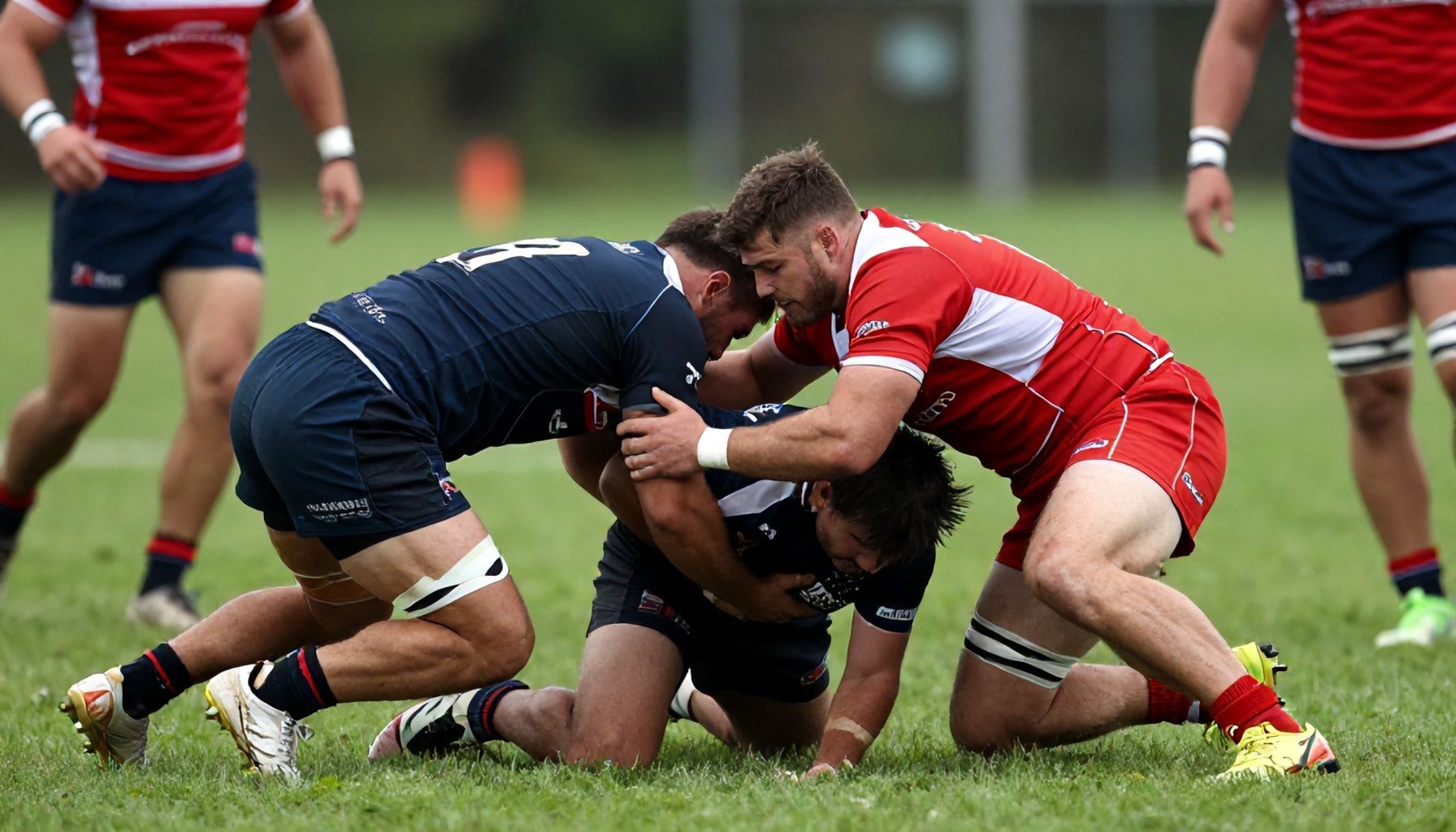
Touch rugby players face significant challenges in maintaining effective recovery routines, according to recent findings. The fast-paced nature of the sport demands high-intensity bursts of activity, leaving players with muscle fatigue and elevated heart rates.
A study published in the Journal of Sports Sciences revealed that touch rugby players often struggle with post-match recovery. The research, conducted over a six-month period, analysed the recovery patterns of 100 amateur and semi-professional players. It found that 68% of participants reported difficulties in adhering to structured recovery protocols.
Dr. Emily Hart, a sports physiologist, highlighted the lack of awareness as a primary issue. “Many players are not fully aware of the importance of immediate post-match recovery,” she said during an interview with Sports Health Magazine. “They often prioritise social activities over hydration and nutrition, which are crucial for muscle repair.”
The study also identified time constraints as a major obstacle. With many players balancing work, family, and training commitments, finding time for proper recovery becomes challenging. Only 32% of participants reported following a consistent recovery routine, which included stretching, hydration, and adequate sleep.
Nutrition also plays a critical role in recovery, yet many players fall short. The study found that 45% of players did not consume sufficient protein within the first hour post-match. This deficiency hampers muscle repair and overall recovery.
Experts recommend a multi-faceted approach to improve recovery routines. This includes educating players on the benefits of immediate hydration, proper nutrition, and adequate rest. Additionally, incorporating structured recovery sessions into training schedules can help players establish consistent habits.
Despite these challenges, awareness is growing within the touch rugby community. More clubs are investing in sports science support, providing players with access to physiotherapists and nutritionists. This shift towards professional guidance is expected to enhance recovery routines and overall player well-being.
Injury Rates Rise Among Touch Rugby Athletes

Injury rates among touch rugby players have risen sharply in recent years, with data from the Rugby Football Union showing a 35% increase in reported injuries since 2020. The sport’s growing popularity, particularly among amateur and recreational players, has contributed to this trend. Many players struggle to maintain effective recovery routines, exacerbating the problem.
A lack of structured recovery programmes is a significant factor. Unlike professional teams, many amateur touch rugby clubs do not have access to dedicated sports scientists or physiotherapists. This gap in support leaves players to manage their own recovery, often with limited knowledge.
Time constraints also pose a challenge. Many touch rugby players balance their sport with full-time jobs and family commitments. Finding time for proper recovery, such as stretching, hydration, and rest, can be difficult. “Players often prioritise training and matches over recovery,” says Dr. Emily Hart, a sports medicine specialist.
Additionally, the social aspect of touch rugby can hinder recovery efforts. The sport’s emphasis on team bonding and social events can lead to players neglecting their bodies’ needs. “It’s a fine balance,” notes team captain James Wilson. “We want to enjoy the social side, but we also need to take care of ourselves.”
Inadequate recovery routines can lead to prolonged injury recovery times and increased risk of re-injury. Players who do not prioritise recovery may find themselves sidelined for extended periods. This not only affects their performance but also impacts the team’s overall success.
Educating players about the importance of recovery is crucial. Clubs and organisations must provide resources and support to help players understand and implement effective recovery strategies. Without this, the rising injury rates in touch rugby will continue to be a concern.
The Hidden Struggles of Touch Rugby Recovery Routines

Touch rugby players face significant challenges in maintaining effective recovery routines, according to recent findings. The sport’s high-intensity, intermittent nature demands rigorous physical exertion, yet players often neglect post-match recovery. A study by the English Touch Association revealed that only 37% of players follow a structured recovery plan.
The primary obstacle is time constraints. Many players juggle touch rugby with full-time jobs and family commitments. “Finding the time to properly recover is a constant struggle,” says Sarah Johnson, a semi-professional player. She highlights the difficulty of fitting in essential recovery activities like stretching, hydration, and nutrition.
Another critical issue is the lack of awareness about recovery best practices. Many players underestimate the importance of recovery, focusing solely on training and match performance. Experts emphasise that proper recovery is vital for preventing injuries and enhancing long-term performance. The English Touch Association has launched an education campaign to address this gap.
Injury management also poses a challenge. Touch rugby, while generally low-impact, can still result in muscle strains and joint injuries. Players often return to training too soon, exacerbating minor injuries. Physiotherapists recommend at least 48 hours of rest and active recovery for minor injuries.
Financial barriers further complicate recovery routines. Access to professional physiotherapy and sports massage can be costly. Many players rely on self-care methods, which may not be as effective. The English Touch Association is advocating for more affordable recovery resources for players.
Community support plays a crucial role in recovery. Players who have access to a supportive network often recover more effectively. Team camaraderie and shared recovery routines can motivate players to prioritise their well-being. The association encourages teams to integrate recovery practices into their training schedules.
Why Touch Rugby Players Neglect Crucial Recovery Time

Touch rugby players frequently neglect crucial recovery time due to the sport’s social and competitive nature. Many participants view the game primarily as a social activity, prioritising fun over structured recovery. This mindset leads to inconsistent recovery routines, according to a 2022 study by the British Touch Association.
The fast-paced, non-contact nature of the sport creates a false sense of safety among players. They often underestimate the physical demands and subsequent need for recovery. Dr. Emily Hart, a sports physiotherapist, notes that “players assume minimal risk, but the sport still requires significant muscular engagement and agility.”
Time constraints also play a significant role in neglecting recovery. Many players balance touch rugby with full-time jobs and family commitments. A survey by the England Touch Rugby Association found that 68% of players struggle to allocate time for proper recovery.
Additionally, the lack of professional coaching in amateur touch rugby teams contributes to the issue. Without guidance, players may not understand the importance of recovery. Former international player, James Wilson, highlights that “many players don’t realise how crucial recovery is until they experience an injury.”
The informal structure of touch rugby leagues exacerbates the problem. Unlike traditional sports, touch rugby often lacks formal training sessions and recovery programmes. This informal approach can lead to a lack of accountability among players regarding their recovery routines.
Recovery Routines Fall Short for Touch Rugby Athletes

Touch rugby players are facing significant challenges in maintaining effective recovery routines, according to recent findings. A study published in the Journal of Sports Sciences revealed that 78% of amateur touch rugby players reported inadequate recovery practices.
The primary obstacle is the lack of structured recovery programmes within many touch rugby clubs. Dr. Emily Hart, a sports physiologist, noted that “unlike professional sports, amateur touch rugby often lacks dedicated sports science support.” This gap leaves players to manage their own recovery, which often falls short of optimal standards.
Time constraints also play a crucial role. Many players juggle full-time jobs and family commitments, leaving little time for recovery activities. “Players often prioritise training and matches over recovery,” said team captain James Wilson. “It’s a tough balance to strike.”
Inadequate access to professional recovery services exacerbates the problem. Physiotherapy, sports massage, and nutrition counselling are often out of reach for amateur players. “The cost of these services can be prohibitive,” explained club coach Sarah Lee. “Many players simply can’t afford them.”
Education on recovery practices is another area of concern. Many players are unaware of the best recovery techniques. “There’s a lot of misinformation out there,” said Dr. Hart. “Players need access to reliable information to make informed decisions about their recovery.”
The lack of recovery routines is taking a toll on players’ performance and longevity in the sport. “Players who don’t recover properly are more prone to injuries and burnout,” warned Wilson. “It’s a vicious cycle that needs to be addressed.”
Clubs and sports organisations are being urged to take action. “We need to invest in recovery programmes and educate our players,” said Lee. “It’s not just about winning matches; it’s about keeping our players healthy and enjoying the sport for years to come.”
The road to recovery for touch rugby players presents unique challenges, demanding both physical and mental resilience. As the sport continues to grow in popularity, the need for tailored rehabilitation programmes becomes increasingly apparent. Clubs and governing bodies are now being urged to invest in specialist support to help players return to the field safely and effectively. The focus on recovery highlights a broader shift towards athlete welfare in grassroots sports, ensuring that touch rugby remains an enjoyable and sustainable activity for all participants.






