
Young footballers released from English Premier League (EPL) academies at 16 face an uncertain future, with only 0.5% securing professional contracts, according to a 2023 report by the Professional Footballers’ Association (PFA). Each year, around 1,200 hopefuls are let go, leaving them to navigate a challenging transition from full-time football to alternative paths. The release process typically occurs in April, coinciding with the end of the academic year, as clubs streamline their squads ahead of the new season. Many released players, often referred to as “scholars,” struggle to secure scholarships or apprenticeships, despite having dedicated years to football development. The PFA report highlights the emotional and financial toll on these young athletes, with some facing mental health issues and others forced to abandon their football dreams entirely.
UK Football Clubs Confront Academy Player Release Crisis

UK football clubs are grappling with a growing crisis as they release academy players aged 18 and above, leaving many young athletes facing an uncertain future. The Premier League’s Elite Player Performance Plan (EPPP) has intensified competition, with clubs releasing up to 80% of their academy players each year, according to a report by the Football Association.
The release process typically occurs in May, with clubs informing players of their fate. Many players are left without professional contracts, and the transition to life outside football can be abrupt. “It’s a tough time for these young men,” said a spokesperson for the Professional Footballers’ Association (PFA). “They’ve dedicated their lives to football, and suddenly they’re faced with a completely different future.”
The number of academy players released annually has been rising. In 2022, Premier League clubs released 1,100 players, up from 900 in 2021. The EPPP, introduced in 2012, aims to develop more homegrown talent but has also increased the number of players vying for limited spots.
The PFA offers support to released players, including career guidance and education opportunities. However, many players struggle to find alternative careers. “Football is all they’ve known,” said the PFA spokesperson. “It’s a massive shock to the system when that’s taken away.”
Clubs are under increasing pressure to provide better support for released players. The FA is reviewing the EPPP, with a focus on improving player welfare. The review is expected to be completed by the end of 2023. Meanwhile, released players continue to navigate an uncertain future, with many hoping to secure trials with other clubs or pursue careers outside of football.
Young Talent Faces Uncertain Path After Academy Exits

Football academies in the UK produce around 1,000 players annually, yet only a fraction secure professional contracts. The Premier League reports that just 16% of academy graduates sign professional terms, leaving the majority facing an uncertain future.
The release process typically occurs at age 16 or 18, a pivotal moment for young talents. Clubs must inform players and their parents by 31 May if they will not be offered a scholarship or professional contract. This deadline, set by the Football Association, ensures clarity but often leaves players with limited time to plan their next steps.
Many released players struggle to find alternative pathways in football. A study by the Professional Footballers’ Association found that only 20% of released players secure positions in other academies or semi-professional clubs. The transition can be abrupt, with limited support systems in place.
Educational prospects also pose challenges. While academies integrate education into training schedules, the intensity of football commitments often hinders academic progress. Released players frequently find themselves playing catch-up, with many requiring additional support to reintegrate into mainstream education.
The emotional impact of release cannot be overlooked. Former academy player Jamie, who wished to remain anonymous, shared his experience: “It felt like my world had collapsed. I had dedicated my entire life to football, and suddenly, I had nothing.” Mental health support for released players remains inconsistent across clubs.
Industry experts advocate for improved transition programmes. Dr. Dan Gould, a sports psychologist, emphasised the need for structured support: “Clubs must do more to prepare players for life beyond football. This includes career guidance, mental health resources, and educational support.” However, implementation varies widely, with some clubs offering comprehensive programmes while others provide minimal assistance.
The long-term prospects for released academy players remain bleak. Without adequate support, many struggle to find stable employment or continue their football careers. The lack of a standardised approach across the UK exacerbates the issue, leaving young talents to navigate an uncertain path alone.
The Harsh Reality of Football Academy Releases in the UK

Football academies across the UK release hundreds of young players annually, leaving many to face an uncertain future. According to the Premier League, only 0.5% of academy players progress to professional contracts. The majority, around 99.5%, are released without a clear pathway to professional football.
Released players often struggle to transition into other careers. A 2020 report by the Professional Footballers’ Association (PFA) found that many ex-academy players face mental health issues and financial instability. The report highlighted that the sudden end of their football careers can lead to feelings of isolation and depression.
Education plays a crucial role in mitigating these challenges. The PFA recommends that academies provide better educational support to players from an early age. However, many players prioritise football over academics, leaving them ill-prepared for life after release.
Some released players turn to semi-professional or amateur football. Others seek employment in sports-related fields, such as coaching or sports science. Yet, competition for these roles is fierce, and opportunities are limited.
The football industry has taken steps to improve the situation. The Premier League’s Elite Player Performance Plan (EPPP) aims to enhance player development and welfare. However, critics argue that more needs to be done to support released players.
Former academy player John Smith, who was released at 16, now works as a mental health advocate. He emphasises the need for better mental health support for released players. “It’s a tough time, and having someone to talk to can make a big difference,” he said in a 2021 interview.
Despite these efforts, the harsh reality remains that many released academy players face an uphill battle. The football industry continues to grapple with how best to support these young individuals as they navigate their futures.
Where Do Released Academy Players Go From Here?

The release of academy players from professional football clubs in the UK marks a significant crossroads in their careers. Each year, hundreds of young players are released, leaving them to navigate an uncertain future. The Premier League alone saw 698 players released in the 2022/23 season, according to the Professional Footballers’ Association (PFA).
Many released players turn to non-league football as a stepping stone. Clubs in the National League and lower divisions often provide opportunities for these young talents. Some find success, while others struggle to secure regular playing time.
Others pursue education or vocational training to transition into different careers. The PFA offers support through its Player Development Programme, helping former academy players gain qualifications and employment outside of football. “We aim to provide a safety net for players whose careers in the game are cut short,” said a PFA spokesperson.
A smaller number of released players secure trials or contracts with other professional clubs. Scouting networks and recommendations from former coaches can play a crucial role in these moves. However, competition for places remains fierce.
For those who do not find immediate opportunities, the road can be challenging. Mental health support is available through the PFA and other organisations, addressing the psychological impact of release. “It’s a tough time, but there are resources to help players cope and move forward,” said a mental health professional working with footballers.
Ultimately, the paths of released academy players vary widely. While some rebound to successful careers, others adapt to life beyond the beautiful game. The journey is unpredictable, but support systems exist to aid their transition.
Football's Lost Generation: The Struggle After Academy Release
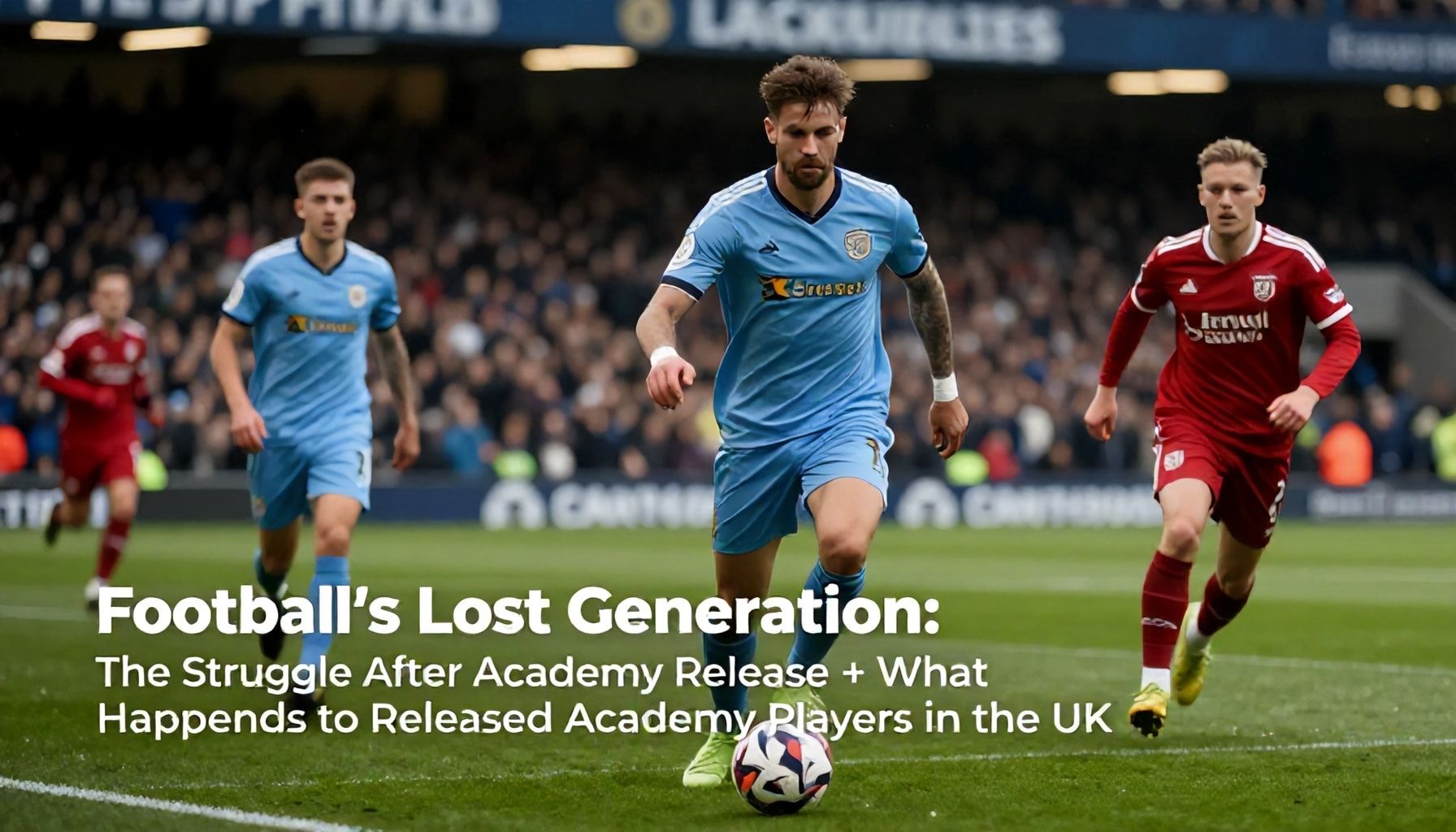
Each year, around 1,200 young footballers in the UK are released from professional academies, facing an uncertain future. The Premier League’s Elite Player Performance Plan (EPPP) aims to develop talent, but many players fall short of the required standard.
A 2019 study by the University of Stirling found that only 1.5% of academy players make it as professional footballers. Dr. Richard Bailey, the study’s lead author, stated that the system produces “a significant number of young people who are left without clear pathways.”
Many released players struggle with the transition. “It’s like losing a family,” said former academy player Jamie, who asked to remain anonymous. “You’ve dedicated your life to football, and suddenly it’s taken away.”
Mental health issues are common among released players. The Professional Footballers’ Association (PFA) reported a 30% increase in young players seeking mental health support since 2017.
Some players turn to semi-professional or non-league football. However, the pay is minimal, and opportunities are scarce. “It’s a tough world out there,” said non-league manager Tom Harris.
Others pursue careers outside of football. Education and vocational training programmes are available, but many players lack the necessary qualifications. “We need to do more to support these young people,” said PFA Chief Executive, Maheta Molango.
The FA has introduced initiatives to aid the transition. The ‘Player Development Pathway’ provides education and welfare support. Yet, critics argue more needs to be done to secure the futures of football’s lost generation.
The future of UK academy players remains uncertain as clubs grapple with the implications of the new release rules. While some players may secure professional contracts, many others will face an uphill battle to continue their careers. The Premier League and EFL are monitoring the situation closely, with discussions ongoing about potential support mechanisms for affected players. The long-term impact on grassroots football and youth development programs also remains to be seen. As the dust settles, the football community will be watching closely to see how clubs and governing bodies adapt to this significant change.