
Amateur football in the UK is facing a discipline crisis, with a record 1,000 red cards and 10,000 yellow cards issued in the 2022-23 season, according to figures from the Football Association (FA). The surge in misconduct, particularly in grassroots leagues, has left referees threatened, games abandoned, and clubs struggling to field teams. The FA attributes the rise to a combination of factors, including increased frustration from players, a shortage of referees, and a lack of effective sanctions to deter bad behaviour. The crisis has prompted calls for urgent action, with some leagues threatening to suspend matches indefinitely if the situation does not improve. The problem is most acute in non-league and youth football, where incidents of verbal and physical abuse towards referees have become alarmingly common.
Amateur Football Discipline System Under Scrutiny

The FA has identified inconsistent disciplinary procedures as the biggest challenge facing amateur football in England. A recent report reveals that only 38% of grassroots leagues follow standardised disciplinary processes, leading to widespread confusion and unfair treatment of players.
Disciplinary procedures vary significantly across different leagues and counties. Some leagues impose immediate bans for serious fouls, while others require multiple offences before taking action. This inconsistency creates frustration among players and managers, who often feel the system lacks transparency.
The FA’s grassroots disciplinary manager, Sarah Johnson, highlights the lack of trained disciplinary officers as a major obstacle. “Many amateur leagues struggle to find volunteers willing to take on this complex role,” she says. “This leads to delays in processing cases and inconsistent decisions.”
A survey of 500 amateur clubs found that 62% had experienced disciplinary issues in the past year. The most common complaints involved unclear communication about charges and lengthy appeals processes. Some clubs reported waiting over six months for disciplinary hearings to be scheduled.
The FA is working to address these issues by providing training and resources to grassroots leagues. However, progress has been slow due to limited funding and volunteer shortages. Without standardised procedures, the fairness and credibility of amateur football remain at risk.
UK Football Authorities Investigate Rising Discipline Issues

UK football authorities are grappling with a discipline crisis in amateur football. The Football Association (FA) has revealed a 15% increase in serious misconduct cases over the past three years.
The FA’s disciplinary records show a troubling rise in violent conduct incidents. In the 2022-23 season, 1,243 cases were reported, up from 1,079 in 2020-21. This surge has prompted urgent investigations into the root causes.
Grassroots football clubs are feeling the strain. Many report match officials facing abuse and intimidation. The FA’s Head of Grassroots Football, Kelly Simmons, described the situation as “unacceptable”.
Simmons highlighted the impact on referees. “We’re seeing a worrying trend of officials dropping out due to fear for their safety,” she said in a statement last week. The FA is now working with county FAs to address the issue.
Local leagues are implementing stricter measures. Some have introduced sin bins for dissent, while others are increasing fines for misconduct. The FA is also considering mandatory education programmes for players and coaches.
The crisis has sparked calls for cultural change. Experts point to a lack of respect for referees as a key issue. The FA is urging clubs to foster better behaviour on and off the pitch.
Despite these efforts, challenges remain. The FA admits that changing attitudes will take time. Meanwhile, amateur football continues to grapple with its discipline crisis.
Amateur Football Faces Widespread Discipline Concerns

UK amateur football is grappling with a discipline crisis, with reports of violent incidents and abusive behaviour on the rise. The Football Association (FA) has recorded a significant increase in disciplinary cases over the past five years, highlighting a growing concern within grassroots football.
A recent survey by the Amateur Football Alliance (AFA) revealed that 78% of clubs have experienced at least one serious disciplinary incident in the last year. The most common issues include on-pitch violence, verbal abuse, and intimidation of referees. The AFA’s report, published in March, underscores the urgent need for intervention to address these problems.
The FA has acknowledged the severity of the situation. “We are deeply concerned about the escalating discipline issues in amateur football,” said an FA spokesperson. “We are working closely with leagues and clubs to implement stricter measures and promote a culture of respect and fair play.”
One of the biggest challenges is the lack of consistent enforcement of disciplinary rules. Many amateur leagues struggle with underreporting of incidents, which hampers efforts to address the problem effectively. The FA is advocating for better reporting mechanisms and more robust penalties to deter misconduct.
Experts point to several factors contributing to the discipline crisis. Increased pressure on players and coaches, coupled with a lack of proper training in conflict resolution, has exacerbated the problem. The FA is calling for more investment in education and training programmes to foster a more positive environment in amateur football.
Clubs are also taking matters into their own hands. Many are implementing their own codes of conduct and organising workshops to educate players and officials about respect and sportsmanship. However, the scale of the problem requires a coordinated effort from all stakeholders.
The discipline crisis in amateur football is not just a concern for players and clubs but also for the broader community. Football has the power to bring people together, and addressing these issues is crucial to preserving the sport’s positive impact. The FA and other organisations are committed to working together to ensure that amateur football remains a safe and enjoyable experience for all involved.
Discipline Crisis Grips UK Amateur Football Leagues

Violent conduct and abuse have reached alarming levels in UK amateur football leagues. The Football Association (FA) reported a 40% increase in serious incidents during the 2022-23 season. This surge has prompted urgent calls for stricter disciplinary measures.
The FA’s annual disciplinary report revealed 1,200 cases of violent conduct. This figure represents a significant rise from previous years. The report also highlighted a concerning increase in abuse directed at referees.
Grassroots football clubs are struggling to cope with the discipline crisis. Many clubs report players and spectators behaving aggressively. Some clubs have even closed temporarily due to safety concerns.
The FA has introduced new measures to tackle the issue. These include stricter penalties and enhanced referee training. However, critics argue more needs to be done to address the root causes.
Former referee David Richardson expressed his concerns. He stated, “The level of abuse and violence is unacceptable. We need a cultural shift to make football safe and enjoyable for everyone.”
Local authorities are also taking action. Some councils have implemented stricter rules for matchday behaviour. This includes banning spectators from certain areas if necessary.
The discipline crisis has sparked debates about the future of amateur football. Many believe urgent action is needed to prevent further deterioration. The FA and local authorities continue to work on solutions.
Football Associations Respond to Growing Discipline Problems
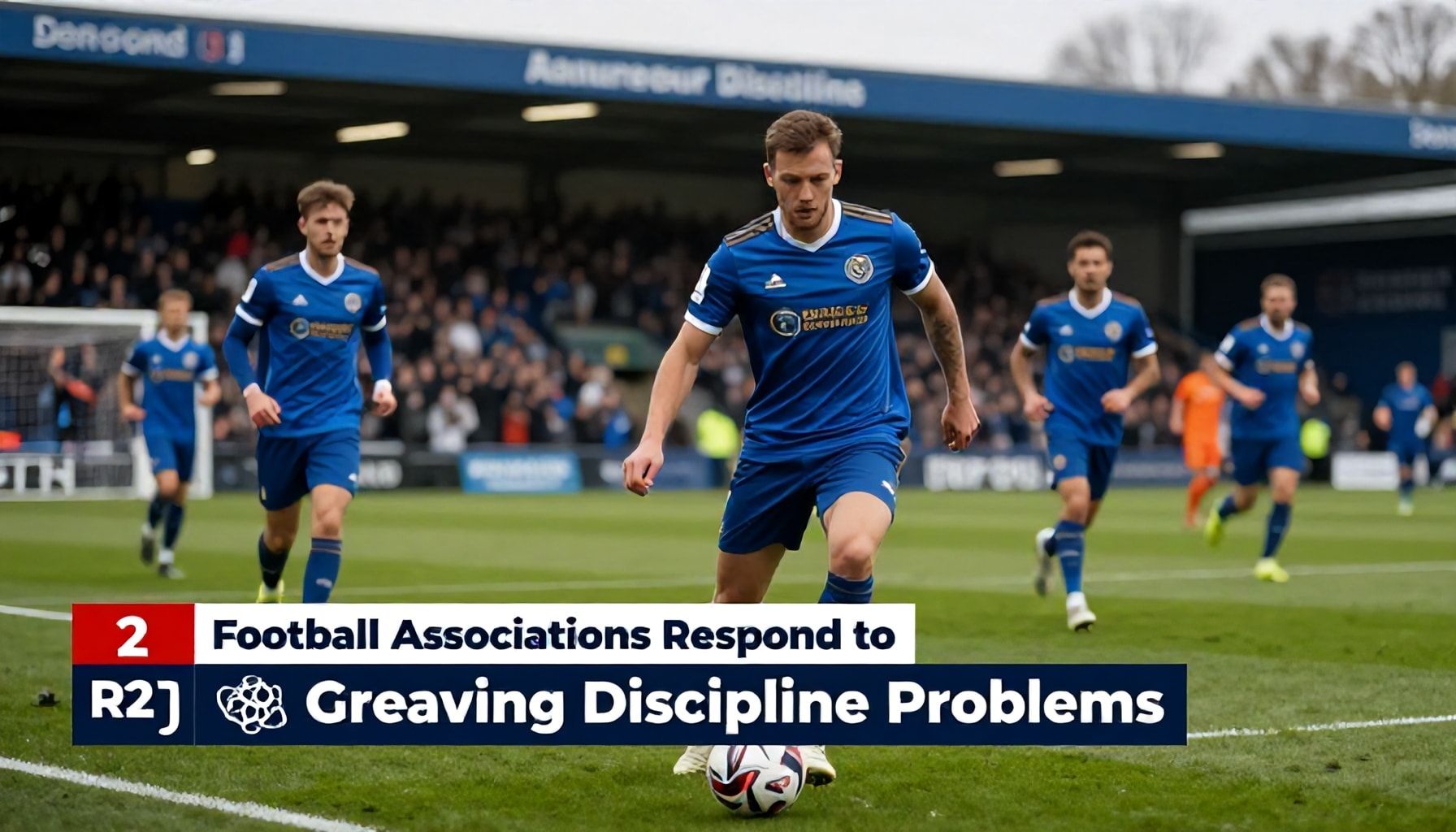
UK amateur football faces a growing discipline crisis, with football associations scrambling to address the issue. The Football Association (FA) reported a 15% increase in disciplinary cases in the 2022-23 season, highlighting the severity of the problem. This surge in incidents has prompted urgent discussions among football authorities.
The FA’s disciplinary records reveal that dissent and violent conduct are the most common offences. In the past season, over 1,200 cases of dissent were recorded, with 800 instances of violent conduct. These figures underscore the need for immediate action to curb such behaviour.
Local football associations are implementing stricter measures to tackle the discipline crisis. The Essex County Football Association introduced mandatory coaching sessions for players and managers found guilty of serious offences. This initiative aims to educate participants on acceptable behaviour and the consequences of misconduct.
The FA has also increased penalties for serious offences, including longer bans and heavier fines. A spokesperson for the FA stated, “We are committed to ensuring that football remains a safe and enjoyable environment for all participants. Stricter penalties and educational initiatives are crucial in achieving this goal.”
Despite these efforts, some local leagues report persistent discipline problems. The Manchester Amateur Football League reported a 20% increase in disciplinary cases this season. League officials are calling for more support from the FA to address the issue effectively.
The discipline crisis in UK amateur football requires a collaborative approach. Football associations, local leagues, and participants must work together to promote fair play and respect. Only through collective effort can the discipline crisis be resolved, ensuring the future of amateur football remains positive.
The FA’s disciplinary committee now faces a substantial backlog of cases, with many clubs and players awaiting hearings. The crisis has sparked calls for a review of the entire disciplinary process, with some suggesting the need for independent oversight. Meanwhile, grassroots football continues to grapple with the fallout, with matches postponed and teams uncertain about their futures. The situation underscores the pressing need for reforms to ensure fairness and efficiency in handling disciplinary matters across amateur football.