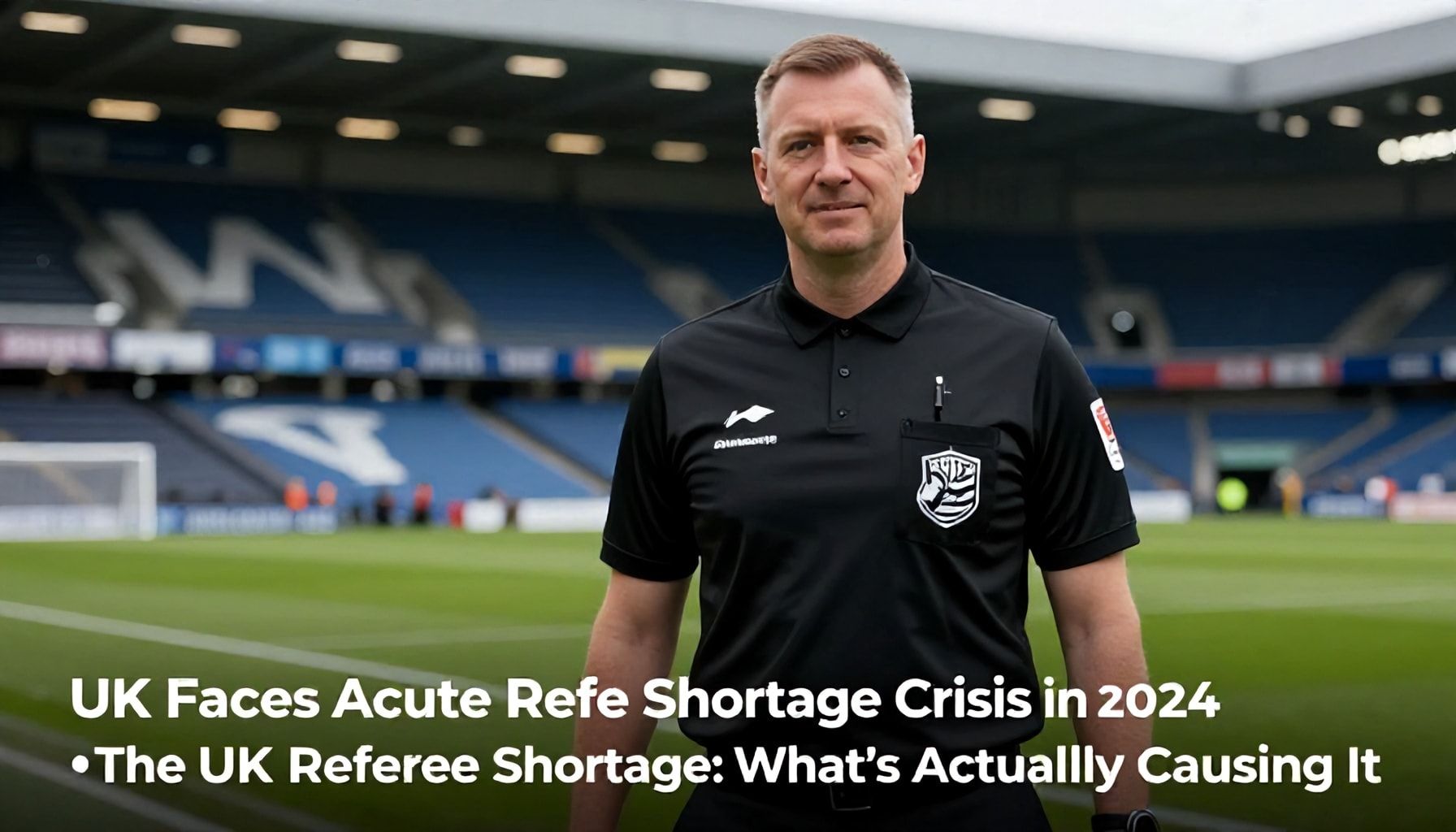
The UK is grappling with a severe shortage of referees, with grassroots football leagues struggling to find officials for matches in 2024. The crisis, exacerbated by a 30% drop in new recruits over the past three years, has left over 1,000 fixtures without referees each weekend, according to The Football Association (FA). The shortage is most acute in rural areas and among youth leagues, where volunteer numbers have plummeted. The FA attributes the decline to a combination of factors, including increasing abuse from players and spectators, lack of financial incentives, and the demanding nature of the role. With the season in full swing, clubs are facing cancellations and rescheduling challenges, raising concerns about the future of amateur football in the country.
UK Faces Acute Referee Shortage Crisis in 2024
The UK is grappling with a severe shortage of referees, threatening the future of grassroots football. The Football Association (FA) reports a 20% decline in registered referees over the past five years, leaving thousands of matches without officials.
Abuse and violence directed at referees are primary drivers of this crisis. A 2023 survey by the FA found that 70% of referees had experienced verbal abuse, with 30% facing physical threats. Many are quitting due to safety concerns, particularly at youth and amateur levels.
The average age of referees is rising, with few young people stepping forward to replace retiring officials. The FA attributes this to a lack of awareness about refereeing pathways and the perceived intimidating environment.
Grassroots football clubs are struggling to find referees for matches. In some regions, up to 40% of fixtures are being cancelled due to a lack of officials. The situation is most acute in youth leagues, where volunteer referees are hardest to find.
The FA and county football associations are implementing initiatives to address the shortage. These include improved training programmes, better support systems, and campaigns to promote refereeing as a rewarding activity.
Despite these efforts, the crisis persists. Experts warn that without significant cultural change, the shortage will worsen, impacting the entire football community. The FA continues to urge clubs and players to respect referees and create a safer environment for officials.
Football Leagues Struggle as Referee Numbers Plummet
The UK is grappling with a severe shortage of referees, with football leagues across the country struggling to find officials for matches. The Football Association (FA) has reported a 25% decline in the number of registered referees over the past five years. This shortage is particularly acute at grassroots level, where many leagues are forced to postpone or cancel matches due to a lack of available officials.
The FA’s Head of Refereeing, Mark Clattenburg, has attributed the decline to a combination of factors. “The main reasons are abuse from players and coaches, the time commitment required, and the lack of recognition and reward for the role,” Clattenburg said in an interview with BBC Sport. He added that the pandemic has also played a part, with many referees retiring or taking a break during lockdowns.
A survey conducted by the FA found that 40% of referees had experienced verbal abuse in the past year. The survey also revealed that 60% of referees were aged over 40, highlighting a lack of younger officials coming through the ranks. The FA is now working to address these issues through initiatives aimed at recruiting and retaining referees.
One such initiative is the FA’s new “Respect” campaign, which aims to promote good behaviour and sportsmanship in football. The campaign includes workshops for coaches, players, and parents, as well as a new whistle-blowing system for reporting abuse. The FA is also offering financial incentives for new referees, including a £100 sign-up bonus and free training.
Despite these efforts, the shortage of referees continues to pose a significant challenge for football leagues across the UK. The FA has warned that without urgent action, the situation could worsen, with potentially serious consequences for the future of the game.
The Alarming Decline of Referees in British Sports
The UK is grappling with a severe shortage of referees across various sports, with estimates suggesting a 25% decline in numbers over the past five years. This crisis threatens the fabric of grassroots and professional sports, with leagues struggling to find qualified officials.
The English Football League (EFL) has reported a 30% drop in registered referees since 2019. The Rugby Football Union (RFU) echoes this trend, noting a 20% decrease in referees over the same period. The decline is not limited to these sports; badminton, basketball, and hockey are also feeling the pinch.
Experts point to a combination of factors driving this exodus. The National Referee Association (NRA) cites abuse and intimidation as primary reasons. A 2023 survey by the NRA found that 60% of referees had experienced verbal abuse, with 20% facing physical threats. This hostile environment is pushing many officials to quit.
Financial constraints also play a significant role. Many referees, particularly at the grassroots level, are volunteers. The cost of training, equipment, and travel often outweighs the minimal compensation they receive. The NRA advocates for better remuneration to retain and attract referees.
The impact of the pandemic cannot be overlooked. Lockdowns and restrictions led to the cancellation of many sporting events, causing a hiatus in refereeing activities. This break disrupted the pipeline of new referees, exacerbating the current shortage.
Efforts to address the crisis are underway. The EFL has launched initiatives to recruit and train new referees, while the RFU is working on improving the support system for existing officials. However, the road to recovery remains long and arduous.
Why Are Referees Leaving the Game in Droves?
The UK is grappling with a severe shortage of referees, with grassroots football leagues struggling to find officials for matches. The crisis has left many games unplayed, with some leagues reporting up to 30% of fixtures being cancelled due to a lack of referees.
At the heart of the problem is a significant drop in the number of people willing to take up refereeing. The Football Association (FA) reports a 25% decline in the number of registered referees over the past five years. This trend is mirrored across other sports, with rugby and basketball also facing similar challenges.
One of the primary reasons for this exodus is the increasing abuse and violence directed at referees. A survey by the FA found that 70% of referees have experienced verbal abuse, while 20% have faced physical threats. The situation has become so dire that many referees are quitting out of fear for their safety.
The COVID-19 pandemic has also played a role in the shortage. With matches suspended for months, many referees took the opportunity to step away and never returned. The FA’s Chief Executive, Mark Bullingham, has described the situation as “critical,” warning that the lack of referees could threaten the future of grassroots football.
Efforts to address the crisis include improved training programmes and better support for referees. The FA has also launched campaigns to promote the positive aspects of refereeing and to encourage more people to take up the role. However, the road to recovery remains long, with the shortage expected to persist into 2024.
The Immediate Impact of the UK's Referee Shortage
The UK is grappling with an acute shortage of referees, with grassroots football leagues struggling to find officials for matches. The Football Association (FA) has reported a 25% decline in the number of registered referees since 2019, leaving many clubs scrambling to find officials.
The shortage is particularly severe at the grassroots level, where local leagues are forced to postpone or cancel matches due to a lack of referees. The FA estimates that over 1,000 matches were cancelled in the first half of 2024 alone, disrupting the season for thousands of players.
Experts point to a combination of factors driving the shortage. The FA’s Director of Refereeing, Mark Clattenburg, cited abuse and intimidation as significant contributors. “The behaviour of some players, coaches, and spectators is driving referees away,” he stated in a recent interview.
Financial incentives also play a role. Many referees, particularly at the grassroots level, are volunteers or receive minimal compensation. The average pay for a referee in the lower leagues is around £25-£30 per match, which many argue is insufficient given the responsibilities and risks involved.
The FA has launched initiatives to address the crisis, including improved training programmes and better support for referees. However, critics argue that more needs to be done to tackle the root causes of the shortage, including stronger measures to combat abuse and better financial incentives.
The impact of the shortage is felt across all levels of the game. Youth leagues, amateur clubs, and even some semi-professional teams are struggling to find referees, raising concerns about the future of grassroots football in the UK.
As the 2024 season approaches, the acute referee shortage in the UK threatens to disrupt grassroots and professional football alike. With fewer officials available, fixture congestion and postponements could become commonplace. The FA and county FAs are scrambling to implement recruitment drives and fast-track training programmes to address the crisis. Meanwhile, the long-term implications for the sport’s development and safety remain a pressing concern. Without significant intervention, the shortage could have lasting effects on the game at all levels.