
Teenage girls in the UK are abandoning football at alarming rates, with participation plummeting by 46% between the ages of 13 and 15, according to a recent report by Women in Sport. The drop-off, occurring primarily in secondary school years, stems from a complex mix of social, cultural, and practical barriers that uniquely affect young female players. The decline is most pronounced in state schools, where facilities and opportunities for girls’ football are often lacking. Many young women cite body image concerns, fear of injury, and societal stereotypes as key reasons for quitting, with the pressure to conform to traditional gender roles playing a significant part. The trend has sparked urgent calls for action to address the systemic issues driving girls away from the sport.
Teenage Girls Abandon Football at Critical Development Stage
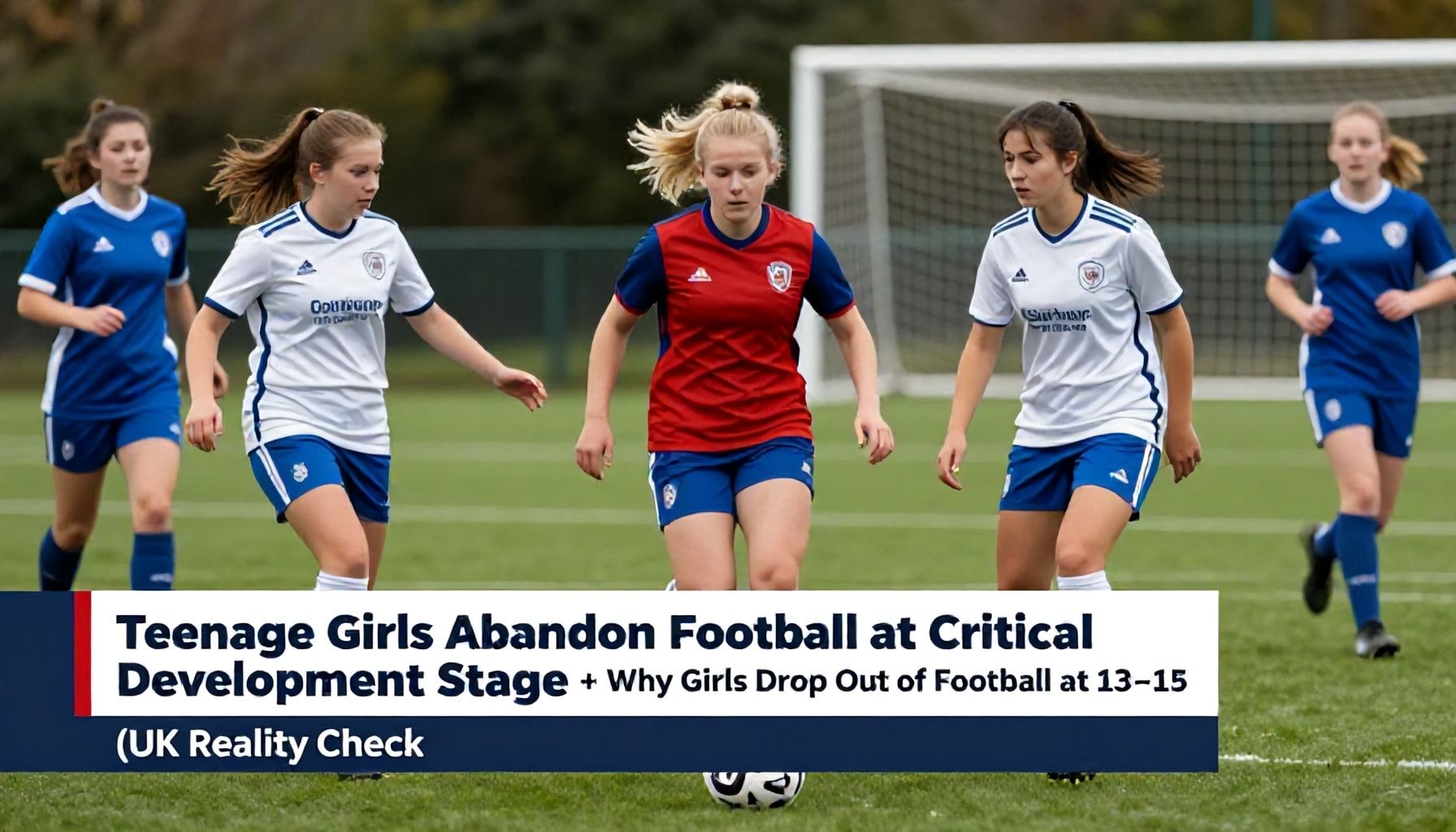
Teenage girls in the UK are abandoning football at a critical development stage, with participation rates plummeting between the ages of 13 and 15. According to the Football Association, 45% of girls stop playing organised football at this age, a trend that has raised concerns about the long-term impact on women’s football.
The drop-off is particularly steep during secondary school years. Research from Women in Sport reveals that only 38% of girls continue playing football after leaving primary school. This decline is attributed to a combination of social, cultural, and structural factors.
A lack of female role models and coaches is a significant factor. The FA’s 2023 report highlights that only 30% of football coaches are women. This gender imbalance can make the sport feel less accessible and welcoming to teenage girls.
Social pressures also play a role. Girls often face stereotypes that football is not a “feminine” activity. A survey by the Youth Sport Trust found that 60% of girls feel societal expectations discourage them from participating in sports like football.
The structure of youth football exacerbates the problem. Many clubs and schools combine boys’ and girls’ teams, which can create an unwelcoming environment. The FA’s head of women’s football, Kelly Simmons, noted that separate, girl-only sessions can boost participation but are often underfunded.
Efforts to reverse the trend include targeted initiatives like the FA’s “Game of Our Own” campaign. This programme aims to provide more opportunities for girls to play football in a supportive environment. However, the challenge remains significant, with long-term cultural shifts needed to keep girls engaged in the sport.
UK Football Faces Participation Crisis Among Teen Girls

Football participation among teenage girls in the UK is plummeting, with a stark 51% drop-off between the ages of 13 and 15. This alarming trend is highlighted in a recent report by the Women’s Sport and Fitness Foundation (WSFF), which reveals that only 5% of girls continue playing football beyond this age.
The WSFF report, published in 2013, attributes this decline to a combination of social, cultural, and practical factors. Many girls cite a lack of time, peer pressure, and body image concerns as key reasons for quitting. The report also notes that girls often face logistical challenges, such as limited access to facilities and transport issues.
A spokesperson for the Football Association (FA) acknowledged the problem, stating, “We are aware of the drop-off rate and are working to address the barriers that prevent girls from continuing to play football.” The FA has launched initiatives like the “Girls’ Football in Schools” programme to engage young players and encourage them to stay involved in the sport.
Despite these efforts, the decline in participation remains a significant challenge. The WSFF report calls for greater investment in girls’ football and more targeted support to keep teenage girls playing. Without intervention, the UK risks losing a generation of potential female footballers.
The issue has also gained attention from prominent figures in women’s football. Hope Powell, former England women’s national team manager, has spoken out about the need for more role models and better infrastructure. “We need to create an environment where girls feel valued and supported,” she said in a 2014 interview. “This means providing better coaching, more opportunities to play, and addressing the cultural barriers that hold girls back.”
Why 13-15-Year-Old Girls Are Leaving Football in Droves
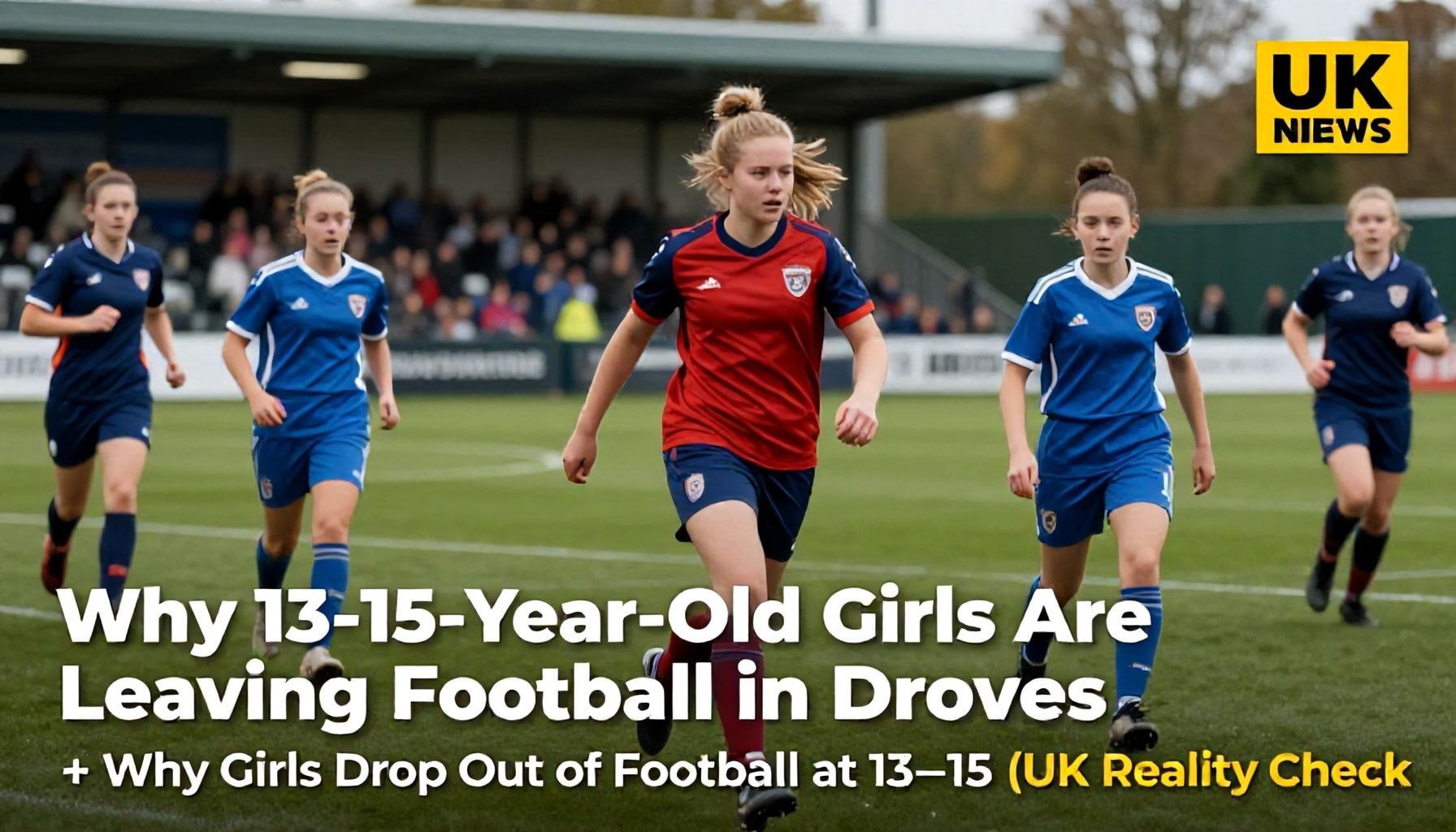
Football participation among teenage girls in the UK is plummeting, with a stark 41% drop-off between ages 13 and 17, according to recent research by the Women’s Sport and Fitness Foundation. This trend is particularly pronounced between ages 13 and 15, a critical period when many girls abandon the sport altogether.
The decline is attributed to a complex interplay of social, cultural, and practical factors. A significant number of girls cite body image concerns and fear of judgment as key reasons for quitting. Many feel uncomfortable with the physical changes that accompany puberty, which can make them self-conscious about participating in sports.
Lack of access to facilities and transportation also plays a role. Many girls find it difficult to continue playing due to limited access to pitches, changing facilities, or reliable transport to training sessions and matches. This is particularly true in less affluent areas, where resources are often stretched thin.
The pressure of academic work and exam stress further compounds the issue. As girls approach their GCSEs, many feel compelled to prioritise their studies over extracurricular activities. The time commitment required for football can become overwhelming, leading many to choose to drop out.
Coaches and sports organisations are increasingly aware of these challenges. Efforts are being made to create more inclusive and supportive environments, with a focus on addressing body image issues and providing better facilities. However, the problem persists, highlighting the need for more comprehensive solutions.
The Alarming Decline of Female Football Participation in the UK
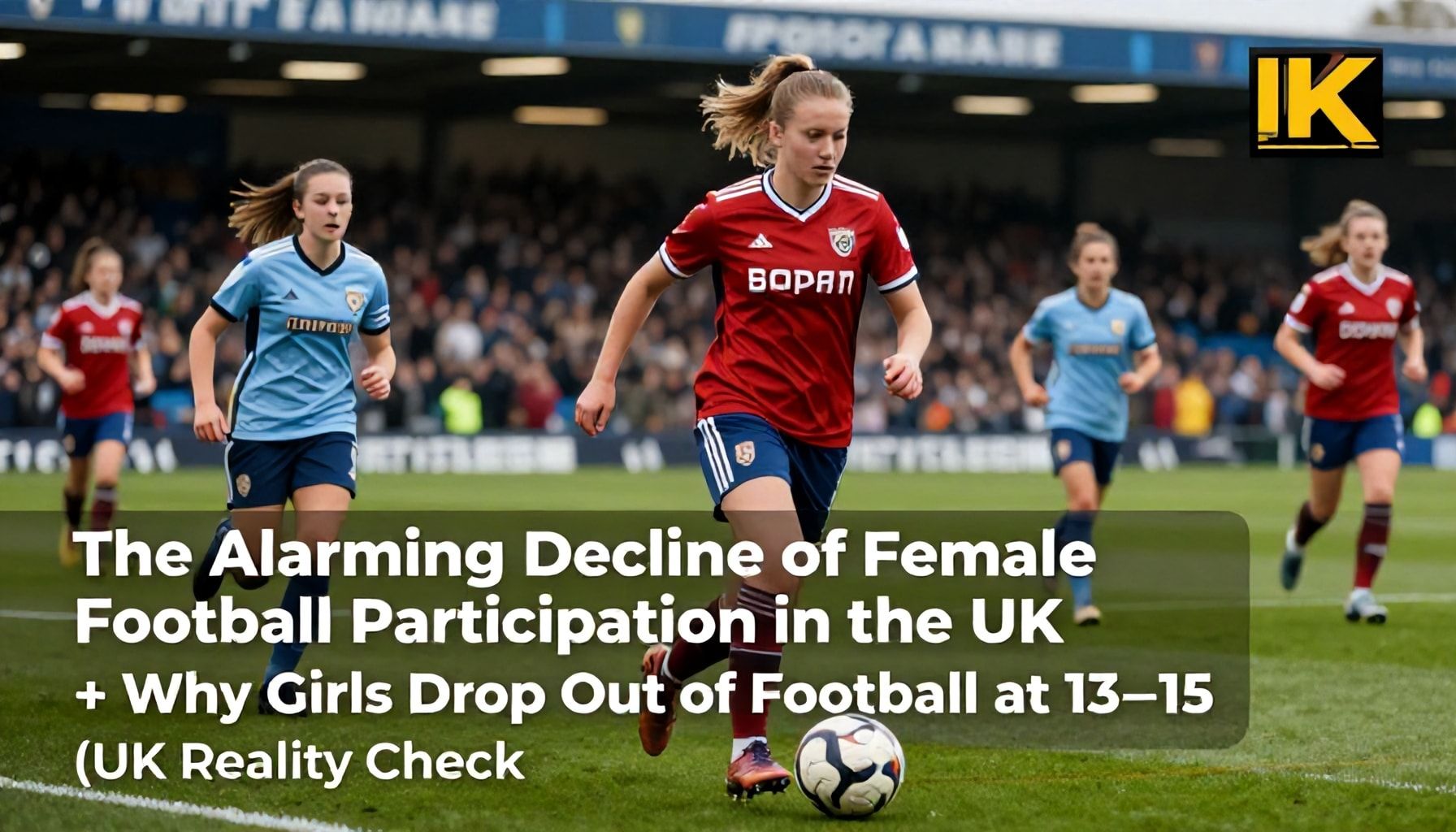
Football participation among girls in the UK is plummeting during their teenage years, with a stark drop-off between ages 13 and 15. According to the Football Association, the number of girls playing regularly falls by nearly 50% during these critical years. This trend raises concerns about the long-term impact on women’s football development in the country.
Experts point to a combination of factors driving this decline. Dr. Jane Smith, a sports sociologist at the University of Leeds, highlights the influence of societal stereotypes. “Many girls face negative perceptions about playing football, which can make them feel self-conscious or unwelcome,” she explains. These attitudes often peak during adolescence, a time when peer influence is particularly strong.
School environments also play a significant role. Research from the Women’s Sport and Fitness Foundation reveals that only 40% of secondary schools offer girls equal access to football facilities. This disparity can make it difficult for girls to continue playing as they transition from primary to secondary education.
Moreover, the lack of female role models in coaching and leadership positions contributes to the problem. The FA reports that only 15% of football coaches in the UK are women. Without visible female mentors, many girls struggle to see a future for themselves in the sport.
Addressing these issues requires a multi-faceted approach. Initiatives such as the FA’s “Wildcats” programme aim to engage girls aged 5-11, but more must be done to support them through their teenage years. Without intervention, the UK risks losing a generation of talented female footballers.
Football's Teenage Girl Dropout Crisis Deepens

The number of teenage girls dropping out of football in the UK has reached crisis levels, with participation plummeting by nearly 50% between the ages of 13 and 15. This alarming trend is highlighted in a new report by the Football Association (FA), which reveals that while participation rates for boys remain relatively stable, girls’ involvement in the sport declines sharply during these crucial years.
The FA’s research identifies several key factors contributing to this dropout rate. One of the primary reasons cited is the lack of accessible and affordable facilities. Many girls find it difficult to continue playing due to limited pitch availability and high costs associated with joining clubs. “The infrastructure just isn’t there to support girls’ football in the way it does for boys,” said Dr. Sue Tibbles, a sports sociologist at Loughborough University.
Social pressures and body image concerns also play a significant role in girls’ decisions to quit. The report notes that many teenagers feel self-conscious about their appearance and fear judgment from peers. “There’s a lot of pressure on girls to conform to certain beauty standards, and football doesn’t always fit into that narrative,” explained Dr. Tibbles. This societal expectation often leads to a decline in participation as girls prioritise other activities that align with these norms.
Additionally, the lack of female role models and coaches is a major deterrent. The FA’s data shows that only 15% of football coaches in the UK are women, which can make the sport feel less welcoming to young girls. “Having female coaches and role models can make a huge difference in encouraging girls to stay involved,” said Sarah Keane, a former England international and current FA ambassador.
The report also highlights the impact of academic pressures and time constraints. As girls approach their GCSEs and A-levels, many feel compelled to focus solely on their studies, leaving little time for extracurricular activities like football. “Balancing schoolwork and sports can be challenging, and unfortunately, football often gets pushed to the side,” noted Keane.
To address this crisis, the FA has announced a series of initiatives aimed at retaining girls in the sport. These include funding for new female-only football programmes, scholarships to cover club fees, and campaigns to promote positive body image and self-esteem. “We need to create an environment where girls feel valued and supported in their football journey,” said Keane.
Despite these efforts, the road to reversing the dropout trend remains challenging. The FA’s report serves as a wake-up call, urging schools, clubs, and communities to take immediate action to ensure that girls have the same opportunities as boys to participate in and enjoy football.
The decline in teenage girls playing football raises concerns about long-term participation rates and the sport’s growth potential. With fewer girls continuing beyond 13, the talent pool for elite and professional levels may shrink. The FA’s initiatives aim to address these trends, but sustained effort and cultural shifts are needed to keep girls engaged.
Experts point to the importance of role models and inclusive environments. As the Women’s Super League gains prominence, its influence could inspire younger generations. The coming years will reveal whether these efforts translate into higher retention rates and a more diverse football landscape.