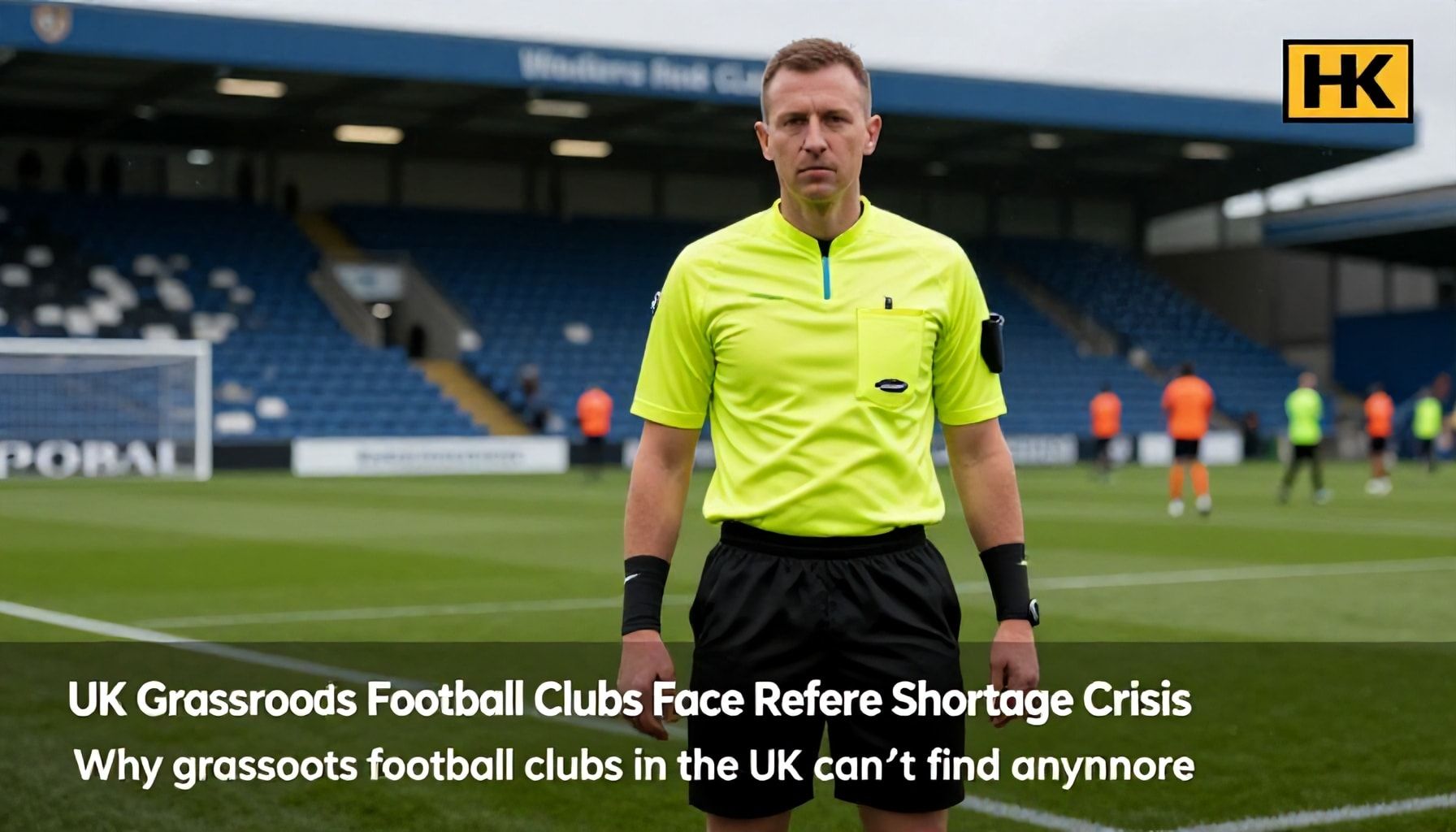
Grassroots football clubs across the UK are facing a severe referee shortage, leaving hundreds of matches without officials to oversee games. The crisis, which has worsened since the COVID-19 pandemic, has seen the number of registered referees drop by nearly 25% in some regions, according to the Football Association (FA). The shortage is particularly acute in youth leagues, where matches are frequently postponed or cancelled due to a lack of available referees. The FA attributes the decline to a combination of factors, including the pandemic’s disruption of training programmes, increased abuse directed at referees, and a lack of recruitment and retention strategies. With over 40,000 registered referees nationwide, the FA is now urging communities to support and encourage new referees to join the ranks to ensure the future of grassroots football.
Grassroots football clubs struggle to find referees

Grassroots football clubs across the UK are facing a severe shortage of referees, threatening the future of local leagues. The Football Association (FA) reports a 25% drop in registered referees over the past five years, leaving many clubs struggling to field teams.
The decline is attributed to a combination of factors, including increased abuse from players and spectators. A recent survey by the FA found that 60% of referees had experienced verbal abuse, with 20% reporting physical threats. Many are leaving the profession due to the hostile environment.
Financial incentives are also a significant issue. Grassroots referees often work for free or minimal expenses, making it difficult to attract and retain officials. The FA offers a £100 training fee, but many argue this is insufficient to compensate for the time and effort required.
The shortage is particularly acute in rural areas, where fewer people are available to officiate matches. Clubs in these regions are forced to cancel games or merge with others, reducing competition and opportunities for local players.
Efforts to recruit new referees have had limited success. The FA launched a “Referee Recruitment Drive” in 2021, but only 1,500 new officials were registered, far below the target of 5,000. The organisation is now exploring alternative solutions, including online training and better support for existing referees.
Without immediate action, the crisis could worsen, with more clubs facing closure and young players losing access to the game. The FA and local authorities are urged to address the underlying issues to ensure the sustainability of grassroots football.
UK's grassroots football faces referee shortage crisis
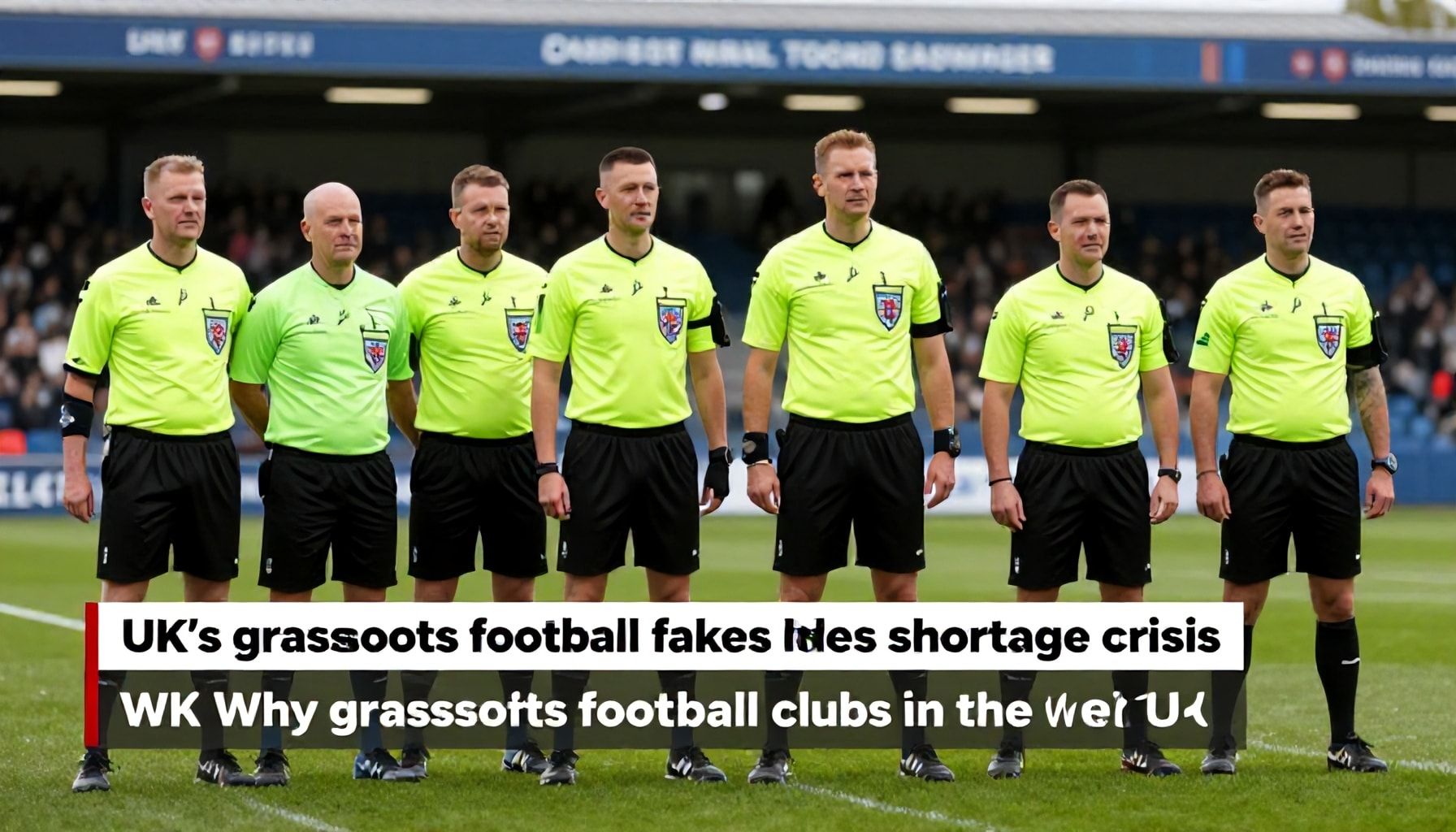
Grassroots football clubs across the UK are grappling with a severe shortage of referees, threatening the future of amateur leagues. The crisis stems from a combination of factors, including declining recruitment, increasing abuse, and a lack of retention strategies.
The Football Association (FA) has reported a 25% drop in registered referees over the past five years. This decline has left many local leagues struggling to find officials for matches, leading to cancellations and disrupted schedules. The FA’s Head of Refereeing, Mark Clattenburg, described the situation as “critical,” urging immediate action to address the shortage.
One of the primary reasons for the decline is the rising level of abuse directed at referees. A survey by the FA found that 70% of referees had experienced verbal abuse, with many also reporting physical threats. This hostile environment has deterred potential recruits and driven existing referees to quit.
Retention is another significant issue. Many referees leave within their first year due to a lack of support and training opportunities. The FA has acknowledged this problem and is working on initiatives to improve the referee experience. However, critics argue that more needs to be done to create a sustainable pipeline of officials.
Local clubs are also feeling the strain. Many have resorted to combining leagues or reducing the number of matches to cope with the shortage. Some clubs have even taken matters into their own hands, training parents and volunteers to officiate matches.
The crisis has sparked calls for greater investment in referee development and support. The FA has pledged to increase funding for referee training and welfare programs. However, the long-term impact of these measures remains to be seen.
Football associations scramble to address referee shortage
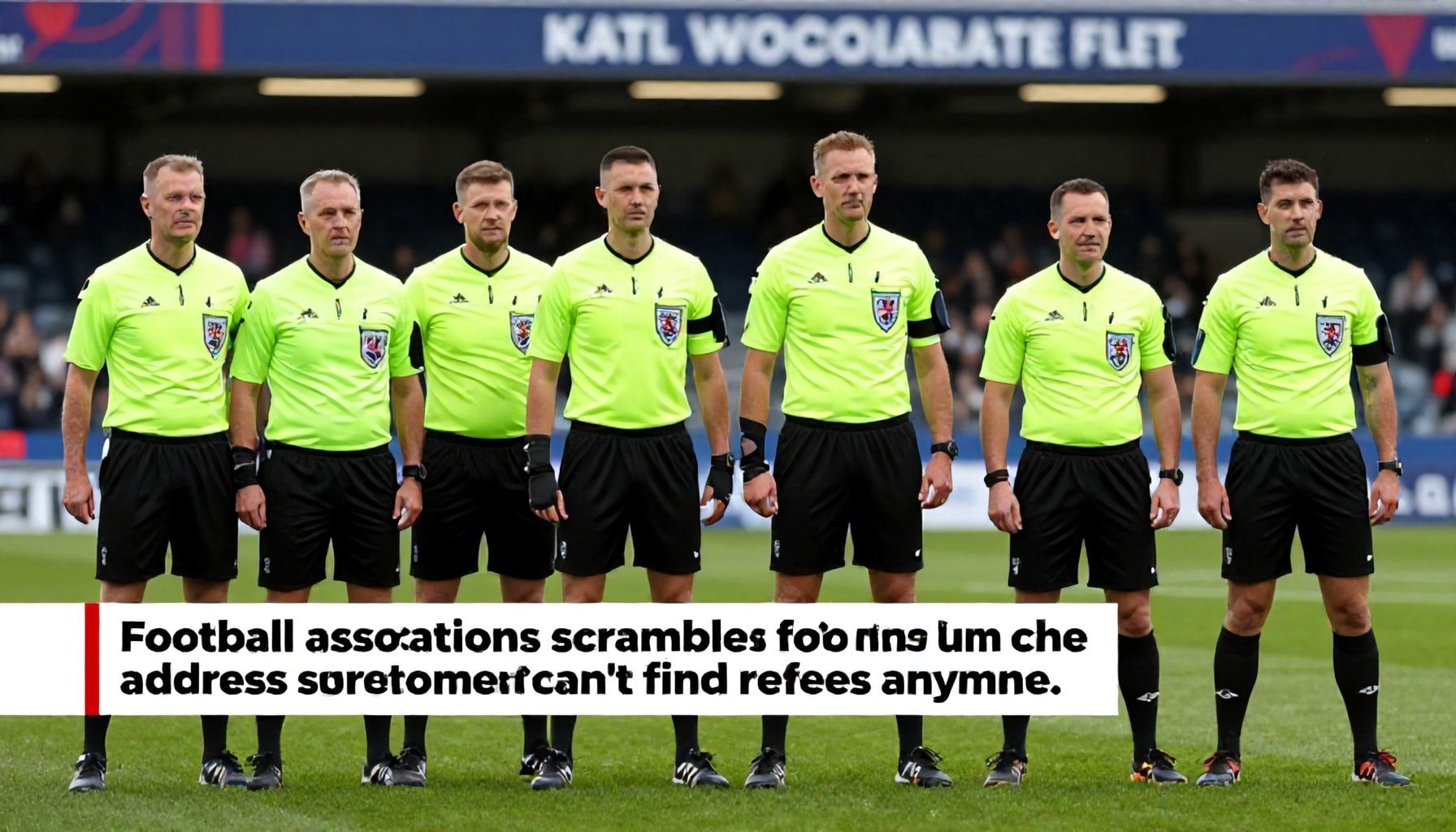
Grassroots football clubs across the UK are struggling to find referees, with the shortage reaching critical levels. The Football Association (FA) reports a 25% drop in registered referees over the past five years, leaving many local leagues and youth teams without officials for matches.
The decline in referee numbers stems from several factors, including increased abuse and intimidation. A 2023 survey by the FA found that 60% of referees had experienced verbal abuse, with 20% reporting physical threats. This has led to many officials quitting, with some leaving the sport altogether.
The COVID-19 pandemic also played a significant role in the shortage. Many referees stepped back during lockdowns, and a considerable number did not return when grassroots football resumed. The FA estimates that around 15,000 referees left the game during this period.
Additionally, recruitment efforts have failed to keep pace with the demand. The FA has launched initiatives to attract new referees, but the number of new recruits has not been sufficient to offset the losses. Many potential referees are deterred by the perceived lack of support and the negative experiences of current officials.
Local football clubs are now urging the FA to take stronger action to address the crisis. Some clubs have resorted to cancelling matches or playing without referees, which poses safety risks and undermines the integrity of the game. Without immediate intervention, the shortage threatens the future of grassroots football in the UK.
Grassroots football clubs grapple with referee recruitment crisis
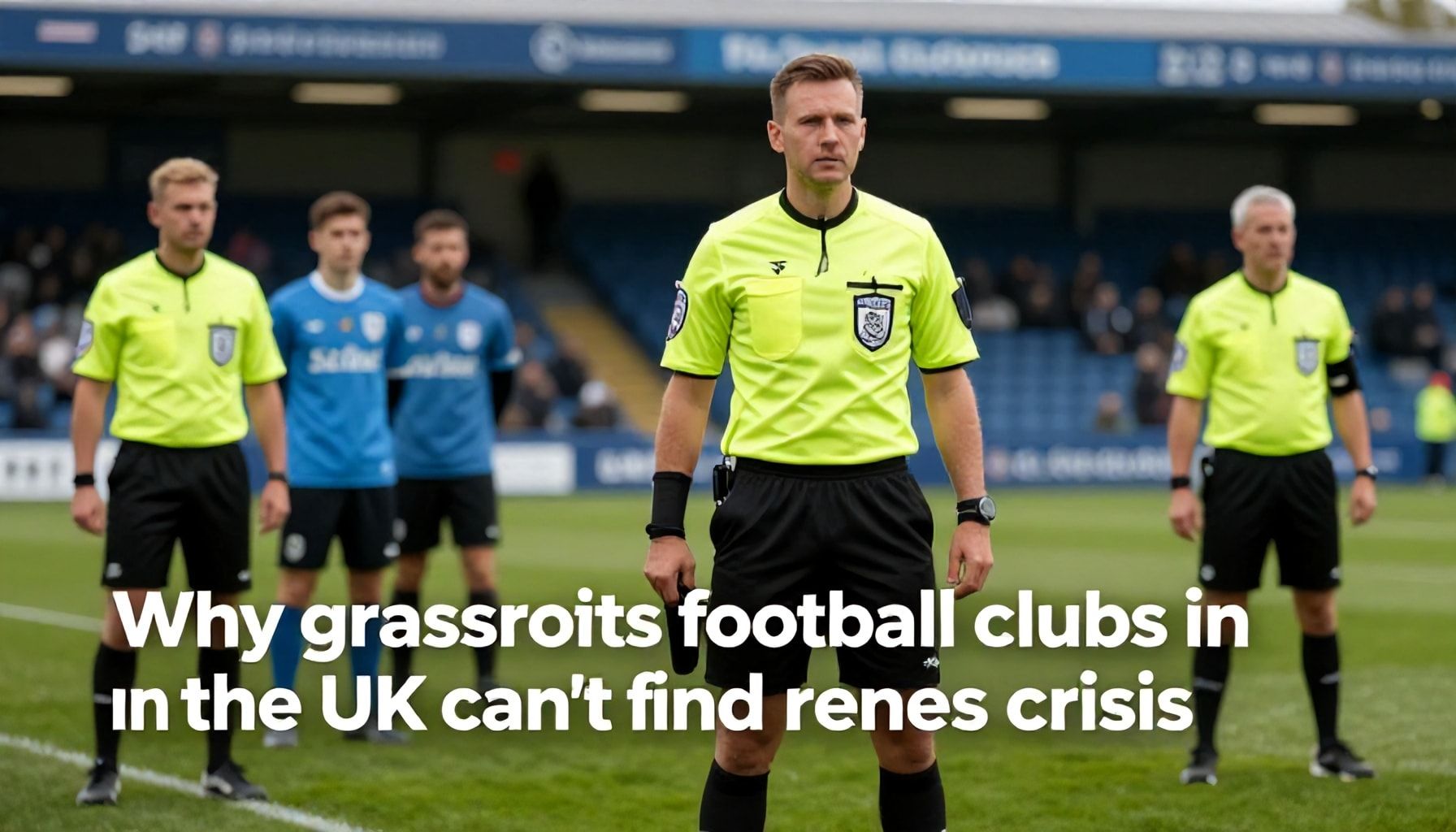
Grassroots football clubs across the UK are facing a critical shortage of referees, threatening the future of local leagues. The Football Association (FA) reports a 25% drop in registered referees over the past five years, leaving many clubs struggling to field matches.
The decline in referee numbers stems from multiple factors, including a lack of new recruits and an increasing number of officials leaving the profession. According to the FA, the average age of a grassroots referee is now 42, with fewer young people taking up the whistle.
One major deterrent is the abuse referees face on the pitch. A survey by the FA found that 67% of referees had experienced verbal abuse in the past year, with many citing this as a reason for quitting. The FA’s Head of Refereeing, Mark Courtney, stated, “The behaviour of some players and spectators is unacceptable and is driving good referees away.”
The cost of training and equipment also poses a barrier. Prospective referees must complete a basic course, which can cost up to £150, and purchase their own kit. The FA is working to address this by offering subsidies and free courses in some regions.
Despite these challenges, the FA remains committed to supporting grassroots football. They have launched campaigns to recruit and retain referees, including mentoring programmes and improved safeguarding measures. However, the crisis persists, with many clubs forced to cancel matches or merge leagues due to the shortage.
Local football clubs are calling for greater community support and understanding to help tackle the issue. Without intervention, the future of grassroots football in the UK hangs in the balance.
UK's amateur football leagues hit by referee shortage
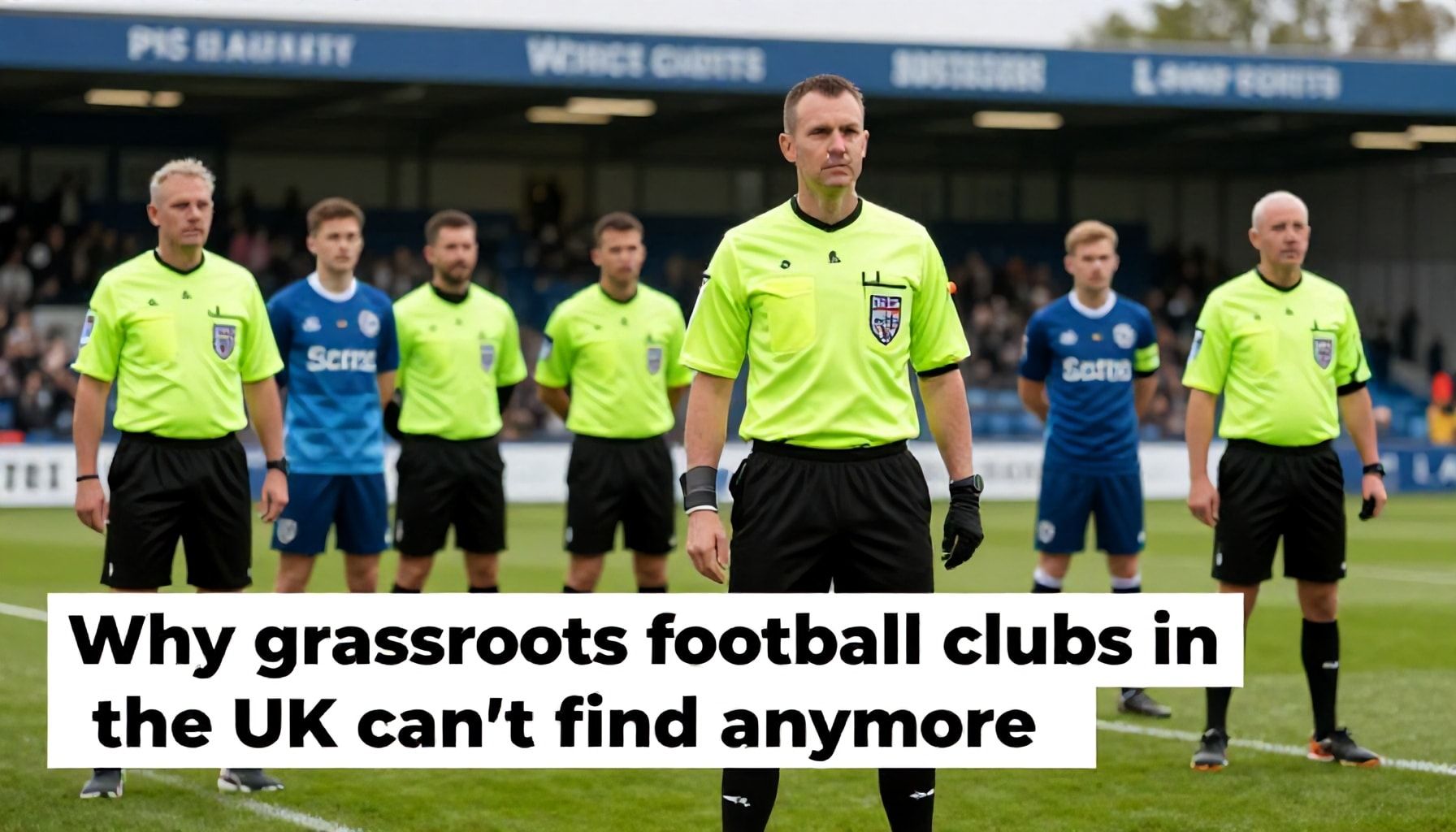
Grassroots football clubs across the UK are facing a severe shortage of referees, threatening the future of amateur leagues. The English Football Association (FA) has identified a 25% drop in registered referees over the past five years. This decline has left many local leagues struggling to find officials for matches.
The FA attributes the shortage to several factors, including the physical and verbal abuse referees often face. A 2023 survey by the FA found that 72% of referees had experienced abuse in the previous 12 months. This has deterred many from continuing or taking up the role.
Financial concerns also play a significant role. Many referees, particularly at the grassroots level, are volunteers or receive minimal compensation. The cost of training and equipment further discourages potential recruits. The FA’s head of grassroots football, Kelly Simmons, stated in a recent interview, “We need to make refereeing more attractive and ensure that those who step forward are properly supported.”
The shortage has led to matches being postponed or cancelled, disrupting local leagues and frustrating players. In some cases, clubs have resorted to using unqualified individuals to officiate matches, raising concerns about fairness and safety. The FA is actively working to address the issue through recruitment drives and improved support for referees.
Despite these efforts, the crisis highlights deeper issues within grassroots football. The FA and local leagues are calling for greater community involvement and respect for referees to ensure the sustainability of amateur football. Without immediate action, the future of grassroots football in the UK remains uncertain.
The FA is actively working to address the shortage, with initiatives to recruit and retain referees at the grassroots level. While the situation remains challenging, efforts to improve working conditions and increase awareness of the role’s importance continue.
The crisis highlights the vital role referees play in the fabric of community football. Without them, matches cannot take place, leaving players and clubs without the opportunity to compete. The hope is that through targeted recruitment and support, the shortage can be alleviated, ensuring the future of grassroots football remains robust.