Grassroots football referees across the UK are resigning in unprecedented numbers, driven by escalating abuse and a severe shortage of officials. The Football Association (FA) reports a 20% drop in registered referees over the past year, with local leagues struggling to find replacements. The crisis has left hundreds of matches unofficiated, disrupting grassroots football from youth leagues to amateur adult competitions. Referees, many of whom are volunteers, cite verbal and physical abuse from players, coaches, and spectators as the primary reason for leaving. A recent survey by the FA found that 78% of referees had experienced abuse in the past year, with 40% considering quitting as a result. The situation has prompted calls for stronger action to protect officials and improve the culture within grassroots football.
Grassroots Referees Abandon UK Football Amid Abuse Crisis
Grassroots football referees across the UK are walking away from the game at an alarming rate, citing abuse and harassment as the primary reason for their departure. The Football Association (FA) reports a 25% increase in referees leaving the sport in the past year alone. This exodus is exacerbating an already critical shortage of officials, threatening the future of grassroots football.
The abuse faced by referees ranges from verbal harassment to physical threats, with many officials reporting incidents from both players and spectators. A recent survey by the FA found that 78% of referees had experienced some form of abuse in the past 12 months. The situation has become so severe that many referees are refusing to officiate matches alone, further straining resources.
The FA has acknowledged the crisis, with CEO Mark Bullingham stating, “The abuse of referees is unacceptable and must stop.” The organisation has launched a campaign to tackle the issue, including stricter penalties for abusive behaviour and increased support for referees. However, many believe more needs to be done to address the root causes of the problem.
Local football associations are also taking action, with some implementing zero-tolerance policies and working with clubs to promote respect and fair play. Despite these efforts, the number of referees leaving the sport continues to rise, raising concerns about the long-term sustainability of grassroots football.
The impact of the referee shortage is already being felt, with matches being postponed or cancelled due to a lack of officials. This not only disrupts the football calendar but also deprives players of the opportunity to participate in the sport they love. The crisis highlights the urgent need for a cultural shift in grassroots football to ensure a safe and enjoyable environment for all involved.
Shortages Worsen as Referees Quit Over Rising Abuse
Grassroots football in the UK faces a deepening crisis as referee shortages worsen. The Football Association (FA) reports a 25% drop in registered referees over the past five years. The decline is attributed to rising abuse and intimidation from players, coaches, and spectators.
Local leagues struggle to find officials for matches. The Amateur Football Alliance states that one in three games now face cancellation due to a lack of referees. This disrupts fixtures and leaves teams without competitive play.
Referees cite verbal and physical abuse as primary reasons for quitting. A survey by the FA found that 82% of grassroots referees had experienced abuse in the past year. Many feel unsupported and unprotected.
The FA has launched initiatives to combat the issue. These include improved reporting systems and stricter penalties for abuse. However, many referees argue that more needs to be done to ensure their safety.
Local communities are stepping in to address the shortage. Some leagues have introduced referee mentoring programmes. Others are offering financial incentives to attract new officials.
Despite these efforts, the crisis continues to grow. Without immediate action, grassroots football risks losing a vital part of its fabric. The FA and local leagues must work together to find a solution.
UK Football Faces Referee Exodus Due to Abuse and Shortages
Grassroots football in the UK is facing a critical shortage of referees, with alarming numbers walking away due to abuse and a lack of support. The situation has reached a tipping point, threatening the future of amateur football leagues across the country.
According to the latest figures from the Football Association (FA), the number of registered referees has dropped by 25% over the past five years. This decline has left many grassroots leagues struggling to find officials for matches, with some games being cancelled due to a lack of referees.
The primary reason for this exodus is the increasing abuse and harassment directed at referees, both on and off the pitch. A survey conducted by the FA found that 70% of referees had experienced verbal abuse, while 20% had faced physical threats. Many referees, particularly younger ones, are simply not willing to put up with this behaviour.
“The abuse is relentless,” said one referee who wished to remain anonymous. “Parents, players, even coaches—it comes from all angles. It’s not worth the hassle anymore.”
The FA has acknowledged the problem and has launched initiatives to tackle abuse and retain referees. However, many believe more needs to be done to address the root causes of the issue. Without urgent action, the future of grassroots football in the UK hangs in the balance.
Grassroots Football Referees Walk Away Amid Abuse Surge
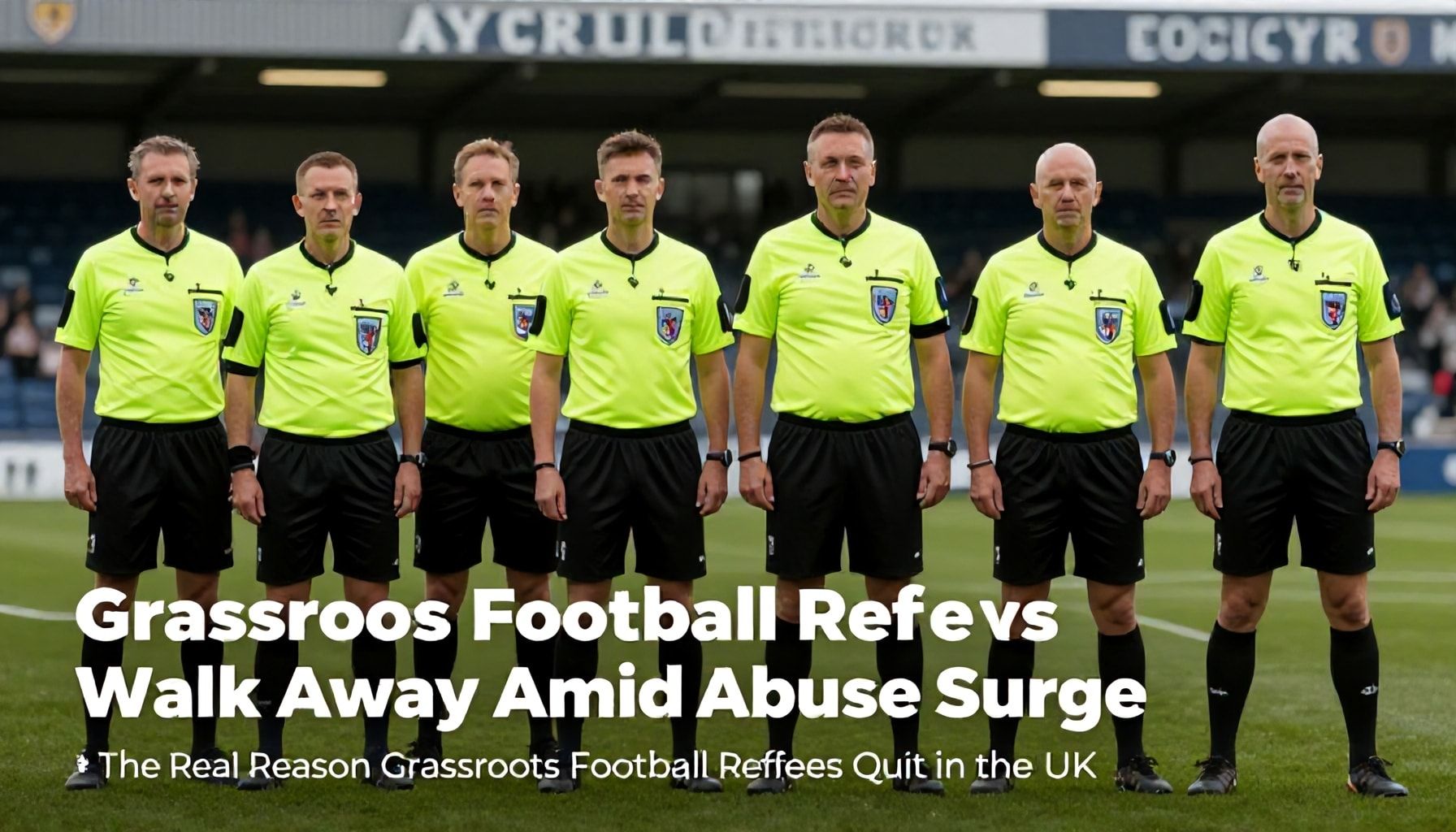
Grassroots football referees in the UK are leaving the game in alarming numbers, citing a surge in abuse and violence as the primary reason. The situation has reached a critical point, with many officials refusing to return to the pitch after experiencing verbal and physical attacks.
The Football Association (FA) has acknowledged the severity of the issue, with reports of abuse rising by 35% in the past year. This has led to a significant shortage of referees, particularly in youth and amateur leagues, where the problem is most acute.
A recent survey by the FA found that 70% of referees had experienced some form of abuse, ranging from verbal insults to physical altercations. The survey also revealed that many referees feel unsupported by clubs and leagues, with some even receiving threats from players and parents.
The FA has launched a campaign to tackle the issue, including a new whistle-blowing hotline for referees to report abuse. However, many in the grassroots football community believe more needs to be done to protect referees and ensure their safety.
One referee, who wished to remain anonymous, told a local newspaper, “I love the game, but I can’t continue to put myself in harm’s way. The abuse is getting worse, and it’s not just coming from players. Parents and spectators are also involved, and it’s becoming unbearable.”
The FA has urged clubs and leagues to take a zero-tolerance approach to abuse and to provide better support for referees. Without immediate action, the shortage of referees is likely to worsen, putting the future of grassroots football at risk.
UK Football's Referee Crisis Deepens with Rising Abuse Reports
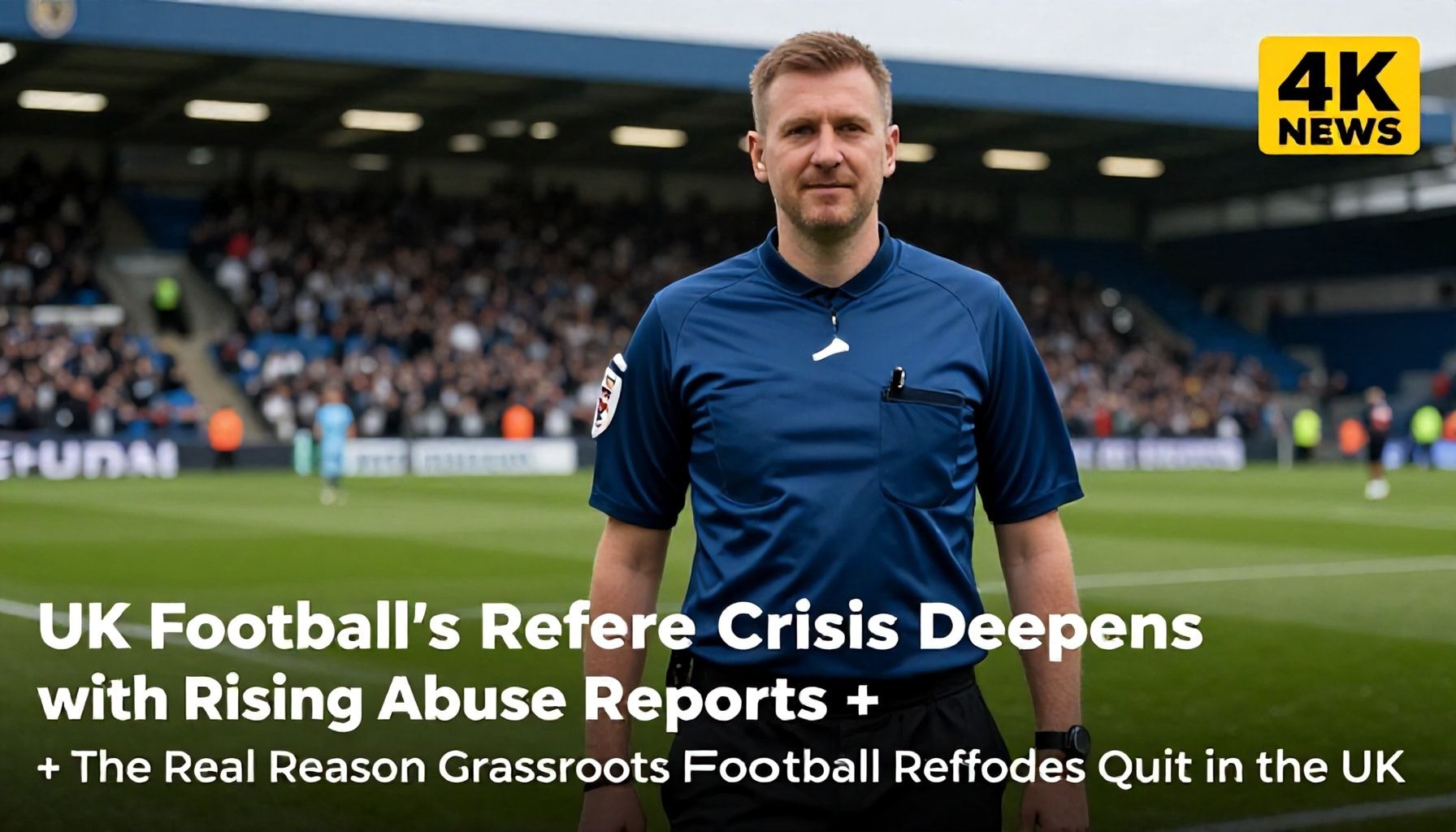
The number of grassroots football referees in the UK is plummeting, with abuse and shortages driving many away from the game. The latest figures from the Football Association (FA) show a 25% drop in registered referees over the past five years. This decline is leaving thousands of matches without officials, disrupting local leagues and youth football.
A recent survey by the Referees’ Association revealed that 60% of grassroots referees have experienced verbal abuse. Nearly 30% reported physical threats or intimidation. These figures have prompted calls for urgent action to address the crisis.
Former referee Mark Clattenburg, now an FA ambassador, stated, “The abuse is relentless. It’s not just the players; it’s the parents, the coaches, even spectators.” He made these comments during an interview with BBC Sport last week.
The FA has acknowledged the problem but insists it is taking steps to improve referee welfare. A spokesperson said, “We are committed to supporting our referees and have introduced new initiatives to tackle abuse.” These initiatives include online training modules and a dedicated helpline for referees facing abuse.
Despite these efforts, many referees feel the measures are insufficient. Local leagues report that matches are being postponed or cancelled due to a lack of officials. In some areas, entire youth leagues are at risk of collapse.
The crisis has also highlighted the need for better recruitment and retention strategies. The FA is working with local clubs to promote refereeing as a rewarding and enjoyable experience. However, without significant changes, the future of grassroots football in the UK remains uncertain.
The exodus of grassroots referees in the UK highlights a deepening crisis in amateur football. With fewer officials willing to endure verbal and physical abuse, local leagues face mounting challenges in finding qualified personnel. The situation threatens grassroots football’s future, potentially leaving matches unofficiated and young players without the structured environment they need. Football authorities must act swiftly to implement robust safeguards and support systems to protect referees and ensure the game’s viability at the community level. Without intervention, the sport risks losing its foundation, with long-term consequences for participation and development.