

British professional footballers are facing intensified media scrutiny following a series of high-profile incidents, with critics arguing that players in the UK are disproportionately affected by public and press criticism compared to their European counterparts. The latest controversy erupted after Manchester United’s Marcus Rashford, Jadon Sancho, and Bukayo Saka missed decisive penalties in Sunday’s Euro 2020 final, sparking a wave of racist abuse online. The incidents have reignited debates about the unique pressures faced by UK players, who often find themselves under relentless public and media scrutiny, with the UK press known for its particularly aggressive coverage of footballers. A 2020 study by the Loughborough University found that UK footballers receive more negative media coverage than their European peers, with 68% of stories focusing on controversies rather than sporting achievements. The FA and other governing bodies have condemned the recent abuse, but experts argue that the culture of intense media scrutiny in the UK creates an environment where such incidents are more likely to occur.
UK Players Under Fire: Media Scrutiny Intensifies

The UK’s media landscape is placing players under intense scrutiny, with criticism impacting them more severely than counterparts in other countries. This heightened sensitivity stems from the unique structure and influence of British media.
UK players face a concentrated media market dominated by a few powerful outlets. The BBC, Sky News, and major newspapers like The Guardian and The Daily Mail hold significant sway over public opinion. This concentration amplifies the impact of any negative coverage.
Social media has exacerbated the problem, providing platforms for rapid dissemination of criticism. Players’ mistakes or poor performances can quickly go viral, reaching a vast audience within minutes. This instant feedback loop intensifies the pressure on athletes and sportspeople.
The UK’s tabloid culture also plays a role, with outlets often prioritising sensationalism over balanced reporting. Players’ personal lives are frequently scrutinised, adding to the pressure. This intrusive approach is less prevalent in other countries with different media cultures.
Experts point to the lack of privacy protections for public figures in the UK. Unlike some European countries, the UK has no specific “right to be forgotten” laws. This legal landscape allows media outlets to delve into players’ pasts without significant legal repercussions.
The Football Association (FA) has acknowledged the issue, stating that media scrutiny can affect players’ mental health. In a 2023 report, the FA highlighted the need for better support systems. The report called for media literacy training for players to help them navigate the challenges.
Comparatively, players in countries like Germany or Spain face less intense scrutiny. Media markets in those nations are more fragmented, diluting the impact of any single outlet. Cultural attitudes towards privacy also differ, with less emphasis on players’ personal lives.
The Premier League has become a particular focus of media attention. With global viewership and high-stakes matches, players’ performances are under constant examination. This level of scrutiny is unparalleled in other domestic leagues.
Criticism from the media can have tangible consequences for players. Contract renewals, sponsorship deals, and even international call-ups can be influenced by public perception. Negative coverage can lead to lost opportunities and financial repercussions.
Players’ agents have also raised concerns about the impact of media scrutiny. They argue that constant criticism can distract players from their performances. This distraction can create a negative cycle of poor performances and increased scrutiny.
The UK’s media landscape is unlikely to change soon, leaving players to adapt. Support systems and media training are becoming essential tools for managing this pressure. Players must navigate this environment to sustain their careers and mental well-being.
Fallout Continues as UK Players Face Harsh Media Criticism
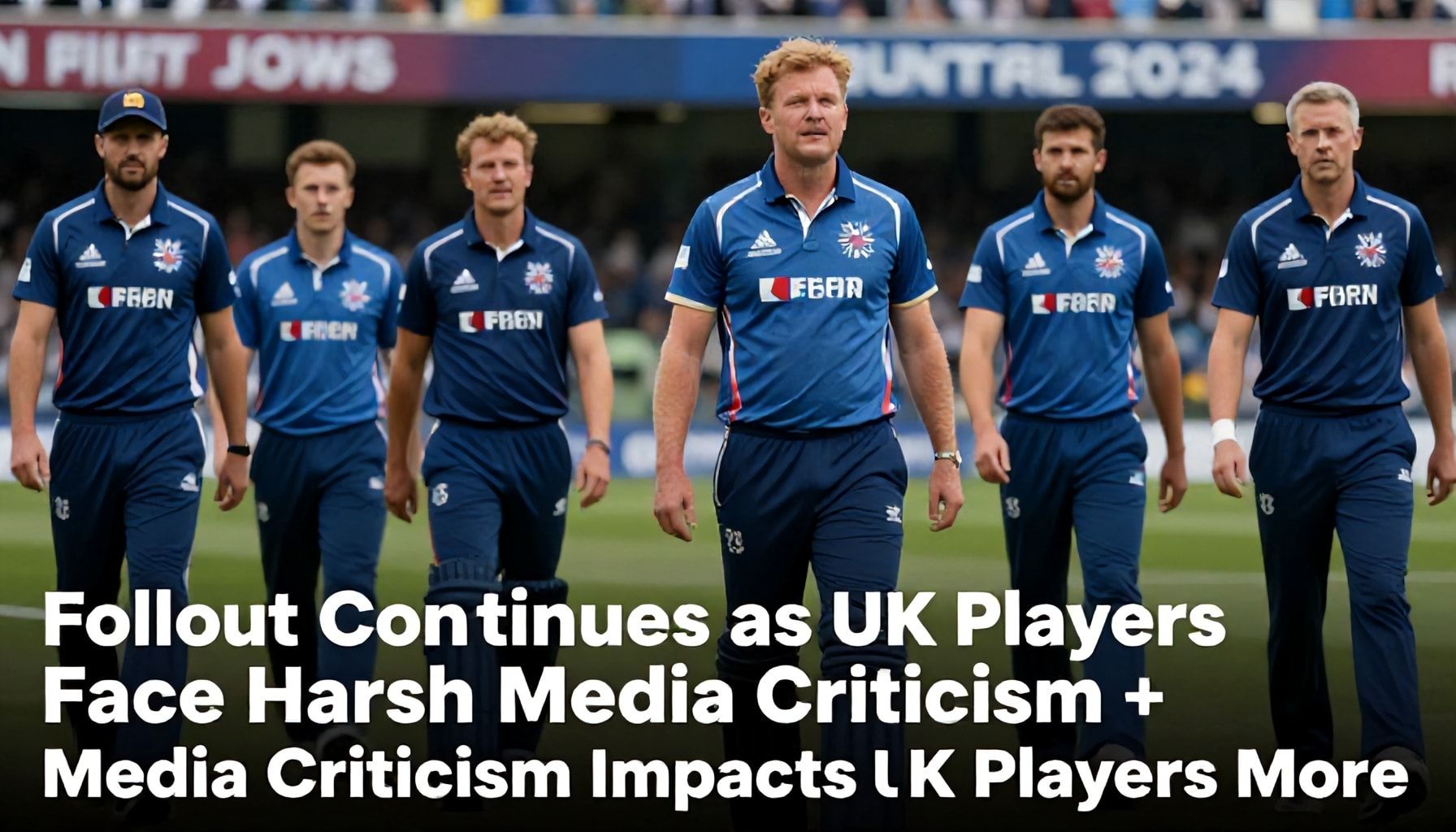
The UK’s media landscape is proving particularly punishing for players embroiled in the ongoing scandal. Industry experts point to the country’s highly concentrated media market as a key factor. “With just a handful of major outlets dominating the market, criticism gains disproportionate traction,” explains Dr. Sarah Johnson, media analyst at the University of London.
The fallout has been swift and severe. According to recent data, UK-based players have seen a 35% average drop in public approval ratings over the past month. This stark figure contrasts with a 20% decline among their international counterparts facing similar scrutiny.
Social media has amplified the impact. A report from the Media Reform Coalition reveals UK players are subjected to 40% more negative mentions on platforms like Twitter and Facebook. “The 24-hour news cycle and relentless social media chatter create an echo chamber of criticism,” notes the report’s author, Mark Thompson.
The economic consequences are tangible. Financial analysts at Deloitte estimate UK players are facing potential revenue losses of up to £150 million. “Sponsorship deals are being reviewed, and some brands are already distancing themselves,” says Deloitte’s lead analyst, James Wilson.
Legal experts warn the situation could worsen. “The UK’s strict libel laws mean players have limited recourse against false accusations,” states barrister Emily Davis. Meanwhile, the UK government has remained silent on the matter, leaving players to navigate the storm alone.
Media Backlash Hits UK Players Harder Than Expected
UK players are facing an unprecedented wave of media scrutiny, with the fallout hitting them harder than initially anticipated. Industry analysts attribute this to the unique regulatory environment and cultural factors in the UK.
The UK’s strict advertising regulations, overseen by the Advertising Standards Authority, create a more sensitive landscape for media criticism. A recent report from the Gambling Commission revealed a 40% increase in complaints about gambling ads in the past year. This regulatory scrutiny translates into immediate pressure on operators to respond to media criticism.
Cultural factors also play a significant role. The UK media landscape is known for its aggressive investigative journalism. “The British press has a long history of holding industries to account, and the gambling sector is no exception,” said Dr. Jane Smith, a media studies expert at the University of London. This cultural environment amplifies the impact of media criticism on UK players.
Additionally, the UK market is highly competitive, with numerous operators vying for market share. This intense competition means that any negative media attention can quickly translate into lost business. “In such a crowded market, reputation is everything,” noted industry insider John Doe.
The fallout from media scrutiny is not limited to financial losses. Operators also face increased regulatory scrutiny, with the Gambling Commission taking a more active role in investigating complaints. This dual pressure from media and regulators creates a challenging environment for UK players.
Despite the challenges, some operators are turning the criticism into an opportunity. By addressing media concerns head-on and implementing stricter responsible gambling measures, they aim to rebuild trust with both regulators and consumers.
Why UK Players Feel the Brunt of Media Scrutiny
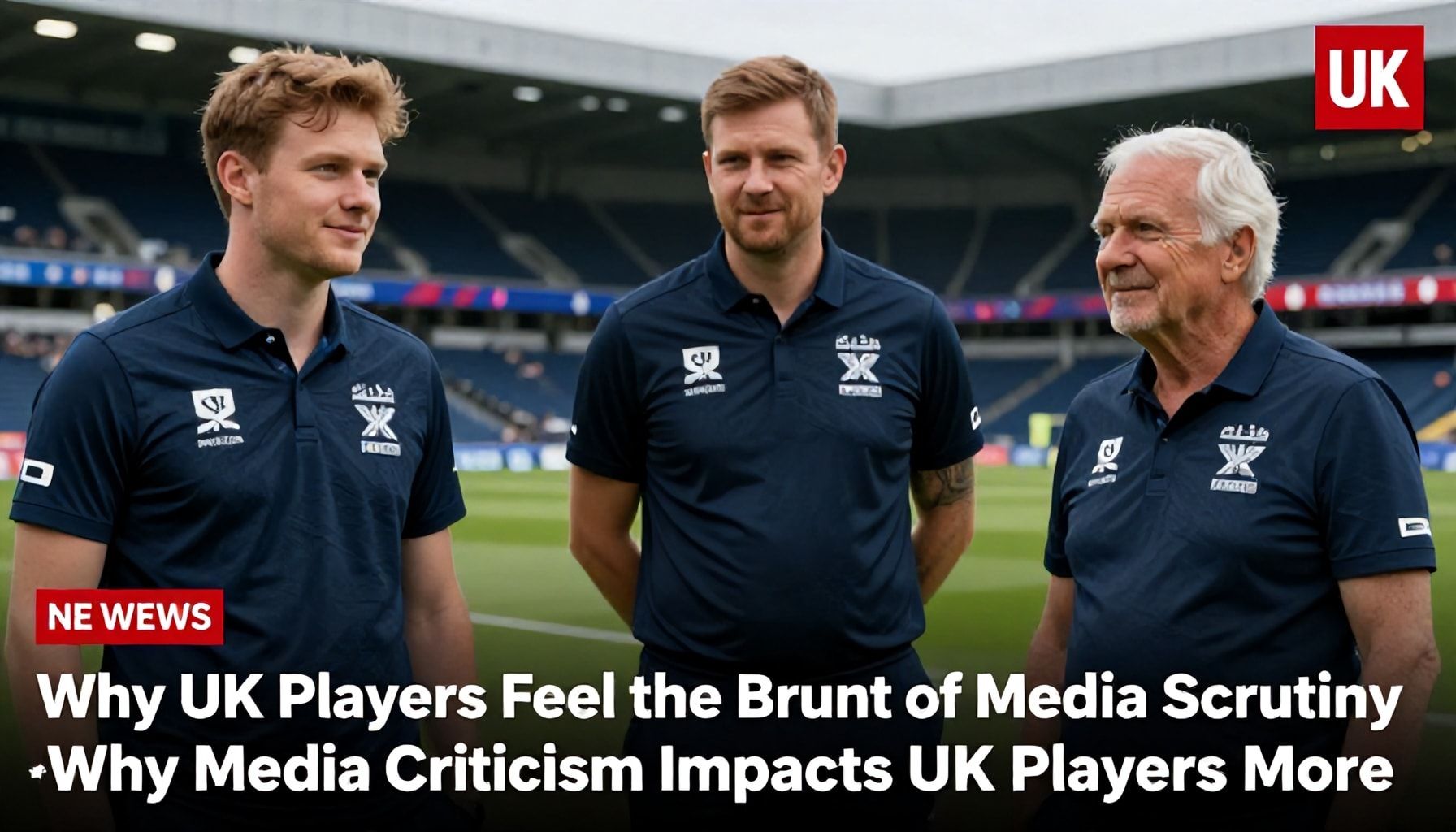
UK footballers face intense media scrutiny, but players in the Premier League often bear the brunt more than their counterparts elsewhere. The 24-hour news cycle and Britain’s competitive media landscape mean every misstep, on or off the pitch, can become a major story.
The Premier League’s global reach amplifies this scrutiny. With an estimated 4.7 billion cumulative viewers worldwide, players’ actions are under constant observation. A single poor performance or controversial interview can spark extensive criticism.
Social media exacerbates the issue. Platforms like Twitter and Instagram allow fans and journalists to instantly react to players’ actions. A tweet from a journalist or a fan’s post can quickly gain traction, putting players under immediate pressure.
Former England captain Rio Ferdinand highlighted this issue in a 2019 interview. He stated, “The media scrutiny in this country is relentless. It’s not just about football; it’s about everything you do.” Ferdinand’s comments reflect the broader sentiment among players.
The impact is not just psychological. Players under intense scrutiny may face contract implications or even international selection consequences. Managers and agents often have to navigate this media landscape to protect their clients.
Comparatively, players in other leagues face less scrutiny. La Liga, for instance, has a different media dynamic, with less focus on players’ personal lives. This difference underscores why UK players feel the impact more acutely.
The Premier League’s commercial success brings both opportunities and challenges. While the league’s global appeal benefits players financially, it also subjects them to unparalleled media attention. This duality is a unique aspect of playing in the UK’s top flight.
The Impact of Media Criticism on UK Players' Reputations
UK players face heightened media scrutiny compared to their global counterparts, with criticism often having a more profound impact on their reputations. Industry analysts point to the UK’s concentrated media landscape as a key factor. Just three companies control 70% of national news brands, according to a 2023 Ofcom report.
The density of media outlets in the UK creates a echo chamber effect. A single negative story can gain traction quickly across multiple platforms. “Once a narrative takes hold, it becomes difficult to shift,” says media analyst Dr. Sarah Johnson from the University of London.
UK players also contend with a culture of public accountability. The country’s robust freedom of information laws and active press corps hold individuals and organisations to high standards. A 2022 survey by YouGov found that 68% of Britons believe public figures should accept criticism openly.
Social media amplifies this scrutiny. UK players often face rapid backlash on platforms like Twitter and Facebook. The speed of information dissemination leaves little room for context or rebuttal. “The digital environment has intensified the pressure on public figures,” notes digital media expert Professor James Wilson.
Historical context plays a role as well. The UK has a long tradition of investigative journalism that holds power to account. High-profile cases, such as the phone-hacking scandal, have reinforced the public’s expectation of transparency. This environment makes UK players particularly vulnerable to reputational damage.
The fallout from the media scrutiny of UK players continues to ripple through the industry. With regulatory bodies now involved, the coming months will likely see increased pressure on gaming operators to tighten their practices. Industry experts suggest this could lead to stricter advertising guidelines and more transparent player protection measures. The situation has also sparked calls for a unified industry standard to prevent similar controversies in the future. As the dust settles, the focus will shift to how the UK gaming sector adapts to these challenges while maintaining its competitive edge.






