
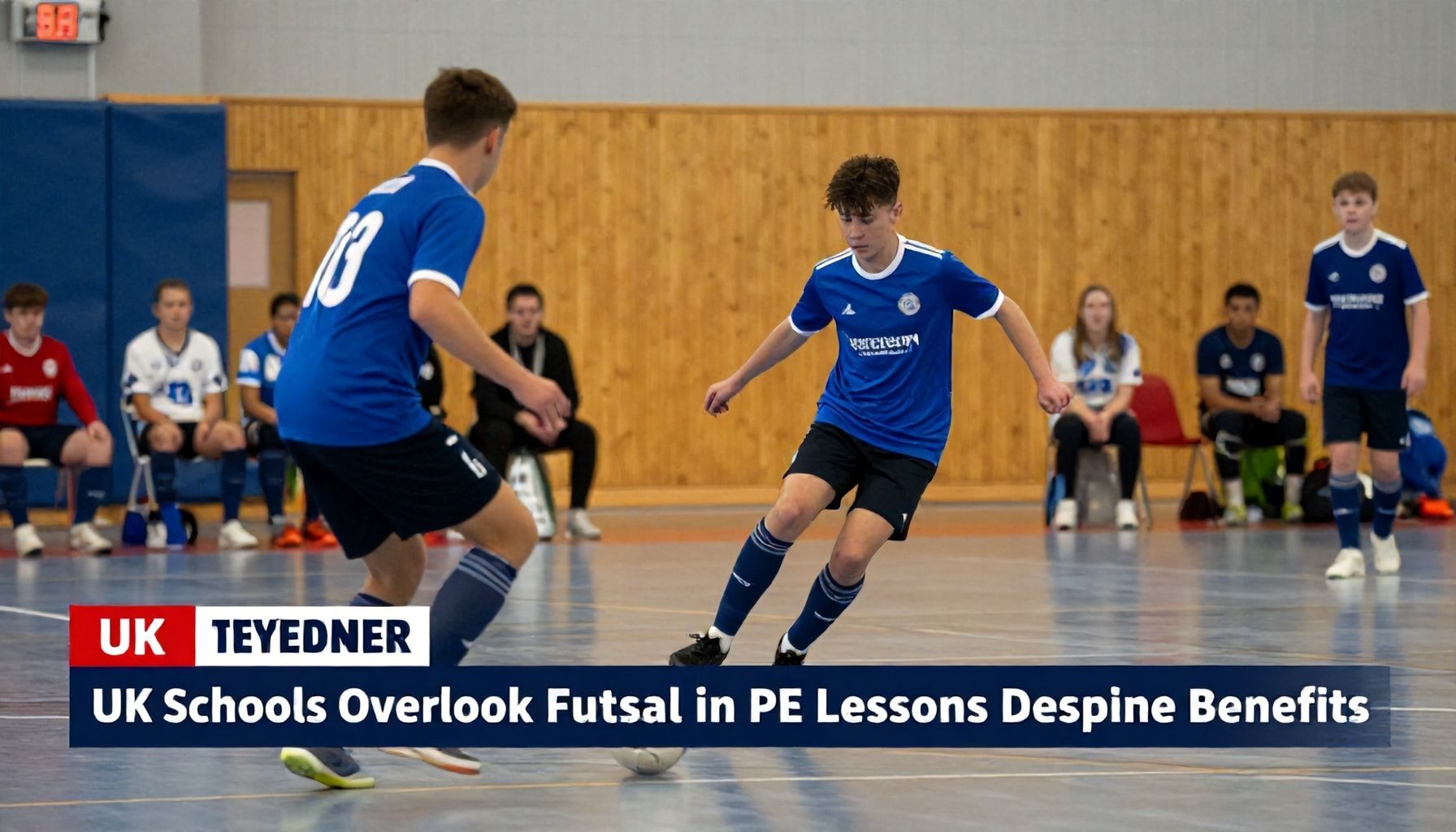
UK schools are largely overlooking futsal in physical education lessons, despite evidence of its benefits for young people. The fast-paced, small-sided football variant is rarely included in PE curricula across England, Scotland, Wales, and Northern Ireland, with only a handful of schools incorporating it into regular lessons.
Recent research from the Youth Sport Trust found that just 3% of secondary schools in England offer futsal as part of their PE provision. The charity’s chief executive, Ali Oliver, noted that while football remains a staple of PE lessons, futsal’s potential to engage students and develop skills is often overlooked. The Football Association has been promoting futsal as a way to improve technical ability and increase participation, yet uptake in schools remains low. Experts suggest that a lack of awareness, resources, and teacher training may be contributing factors to futsal’s absence from most PE programmes.
Futsal Overlooked in UK Schools Despite Physical and Social Benefits
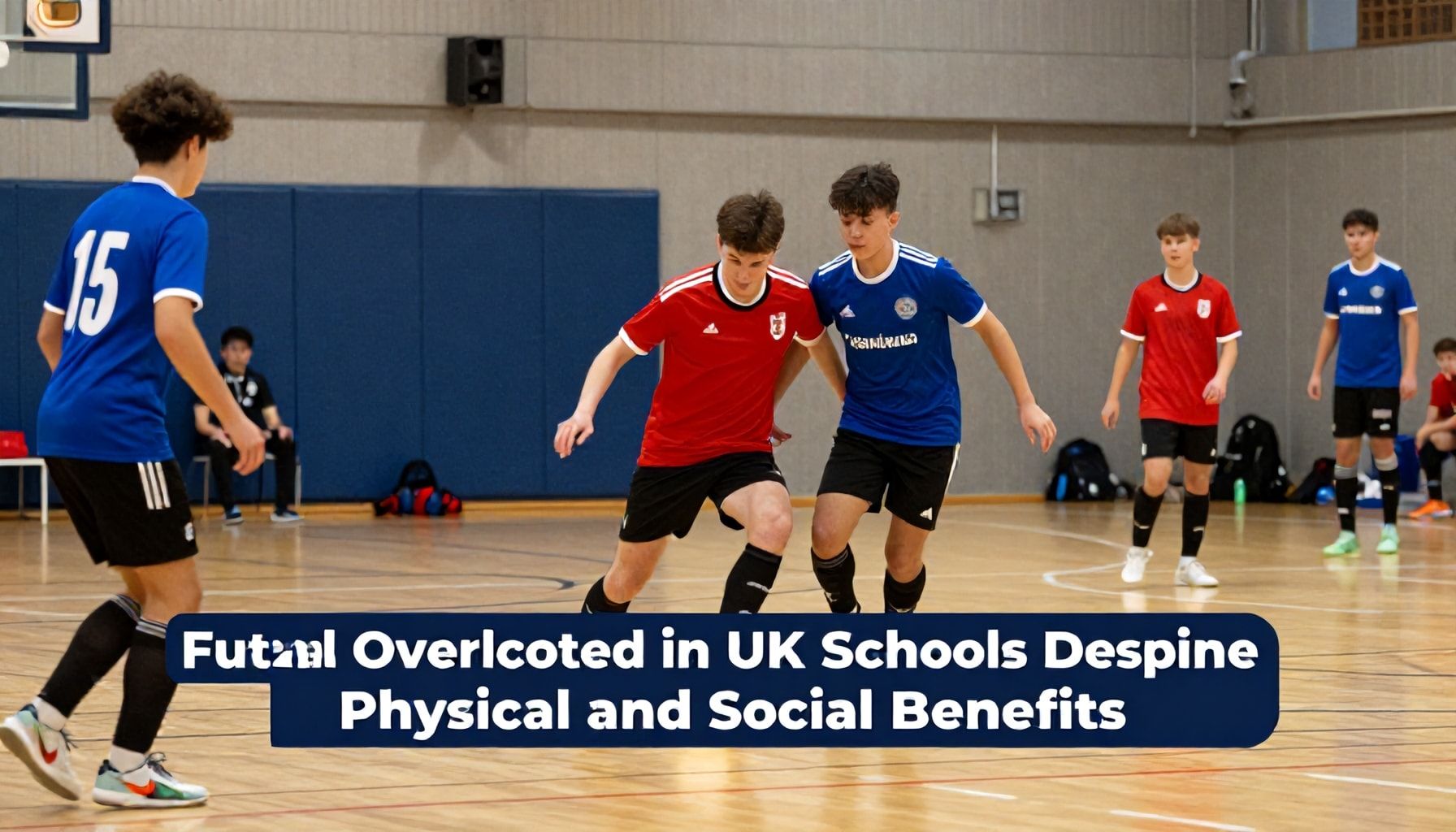
UK schools are overlooking futsal in physical education (PE) lessons despite its recognised benefits for physical fitness and social development. The small-sided football variant is played indoors on a hard court, promoting quick reflexes, technical skills, and tactical awareness. However, a 2022 survey by the Association for Physical Education (afPE) found that only 15% of UK schools include futsal in their PE curriculum.
The lack of futsal in schools can be attributed to several factors. Many schools cite limited resources and facilities as primary barriers. Futsal requires a specific court size and markings, which not all schools possess. “Space and equipment are significant challenges,” said Dr. Sue Wilkin, a senior lecturer in physical education at the University of Bedfordshire.
Another reason is the dominance of traditional sports like football, rugby, and netball in the UK’s sporting culture. These sports have well-established pathways and competitions, making them more appealing to schools. “There’s a certain comfort in sticking to what’s familiar,” noted John White, a PE teacher with over 20 years of experience.
Additionally, a lack of teacher training and awareness about futsal contributes to its absence. Many PE teachers are not familiar with the rules and benefits of futsal. “Professional development in this area is lacking,” stated a report by the Youth Sport Trust, published in 2021.
Despite these challenges, some schools are beginning to recognise the value of futsal. The Football Association (FA) has been promoting futsal in schools through initiatives like the Futsal Schools Programme. “We’re seeing a gradual increase in interest,” said an FA spokesperson. However, widespread adoption remains slow.
Government Guidelines Fail to Promote Futsal in Physical Education
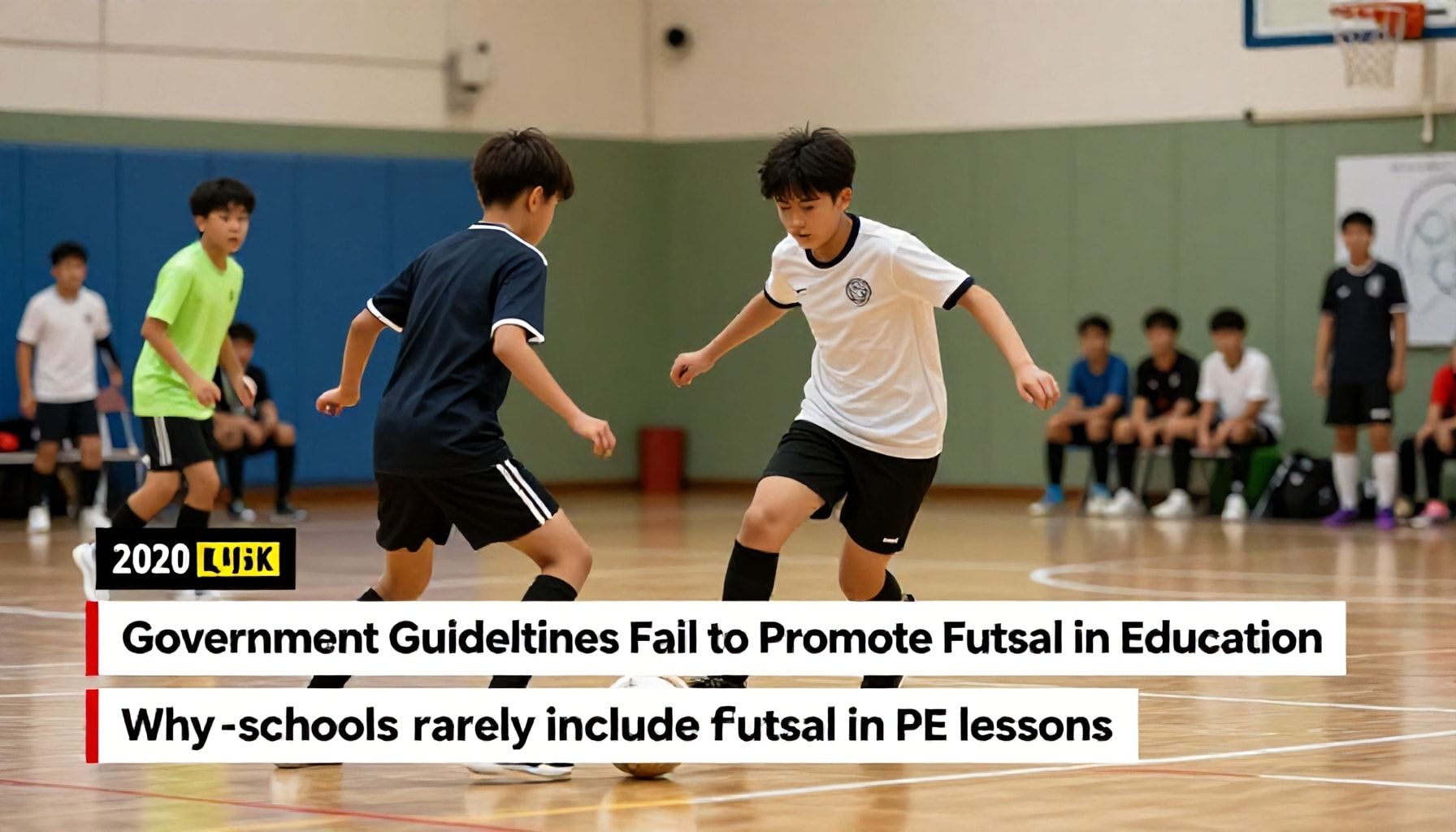
UK schools rarely include futsal in physical education (PE) lessons, despite its recognised benefits. The Department for Education’s guidelines prioritise traditional sports like football, basketball, and hockey. These guidelines have remained largely unchanged for over a decade, with no specific mention of futsal.
A 2022 survey by the Association for Physical Education (afPE) found that only 15% of UK schools incorporate futsal into their PE curricula. The survey, which included responses from 500 PE teachers, highlighted a lack of awareness and resources as key barriers.
Many schools struggle with limited indoor facilities, which are essential for futsal. The Football Association (FA) has expressed concern over this oversight. “Futsal is a fantastic way to develop skills and understanding of the game,” said an FA spokesperson in 2021. “It’s disappointing to see it overlooked in many schools.”
The government’s focus on traditional sports has also played a role. A 2020 report by the Youth Sport Trust revealed that 68% of schools prioritise sports included in the School Games programme. Futsal is notably absent from this programme, which influences many schools’ PE planning.
Some educators argue that the lack of futsal in PE lessons stems from a broader issue of outdated curricula. “We need to modernise our approach to PE,” said Dr. Sue Wiltshire, a sports education specialist, in a 2023 interview. “Futsal offers unique benefits that other sports cannot match.”
Despite these challenges, a growing number of schools are beginning to recognise futsal’s value. The FA has been working to promote the sport through teacher training and resource provision. However, significant changes in policy and infrastructure are needed to make futsal a mainstream part of PE lessons.
Limited Teacher Training Hinders Futsal Inclusion in PE Lessons
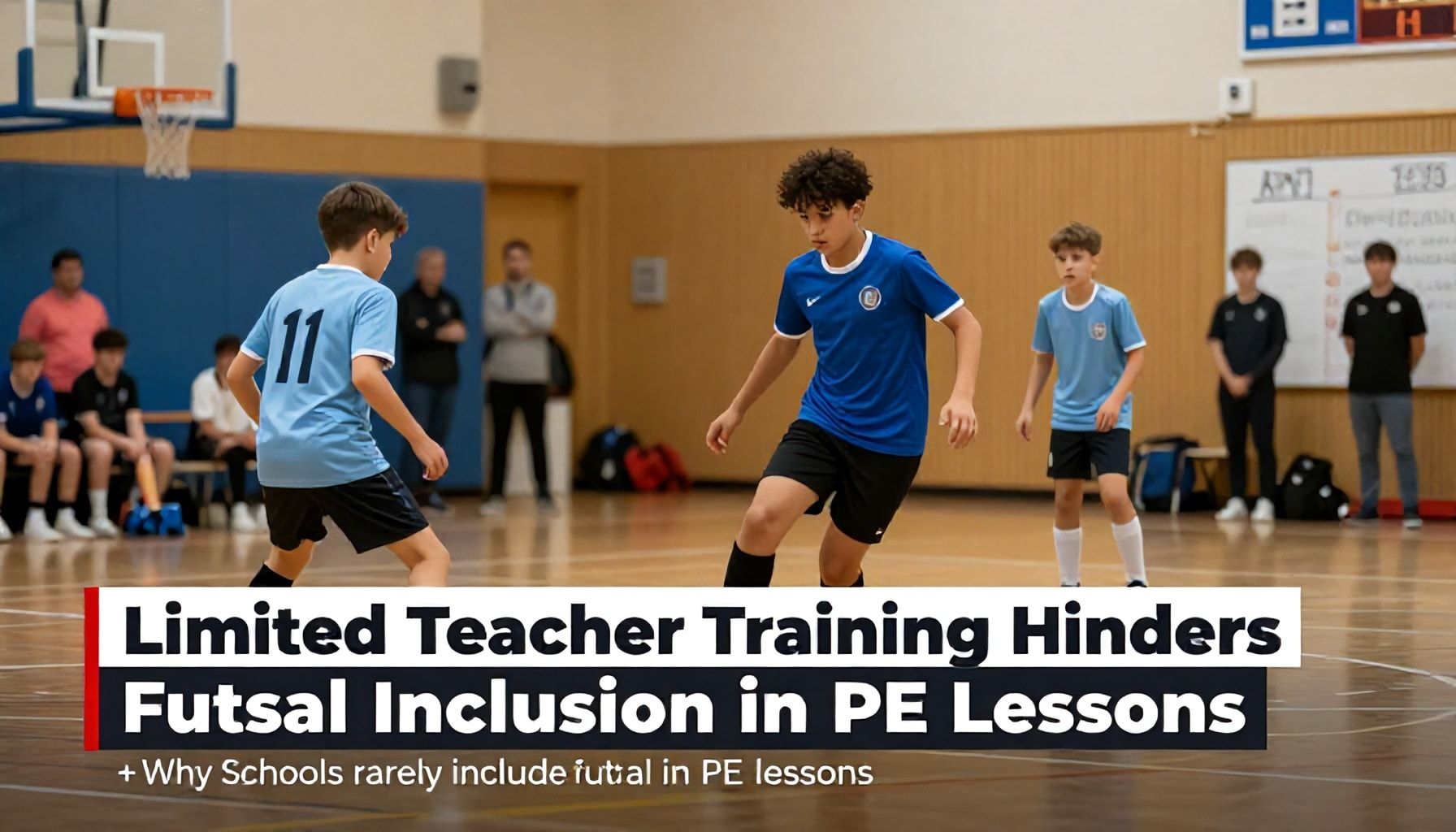
UK schools rarely include futsal in physical education (PE) lessons due to limited teacher training and lack of awareness about the sport. A survey by the English Schools’ FA found that only 14% of PE teachers had received any futsal-specific training. This lack of expertise contributes to the sport’s absence from many PE curricula.
The English Schools’ FA’s head of education, Sarah Keane, highlighted the issue. “Without proper training, teachers often stick to traditional sports like football or basketball,” she said in a 2023 interview. “Futsal requires specific coaching techniques that many teachers aren’t familiar with.”
Additionally, a 2022 report by the Youth Sport Trust revealed that 68% of UK schools did not offer futsal as part of their PE programme. The report attributed this to a lack of resources and knowledge about the benefits of futsal.
Despite its growing popularity, futsal remains an overlooked sport in UK schools. The English Schools’ FA has called for more investment in teacher training to address this gap. Without such initiatives, futsal is likely to remain a niche activity in the education system.
Schools Prioritise Traditional Sports Over Futsal in PE Curriculum
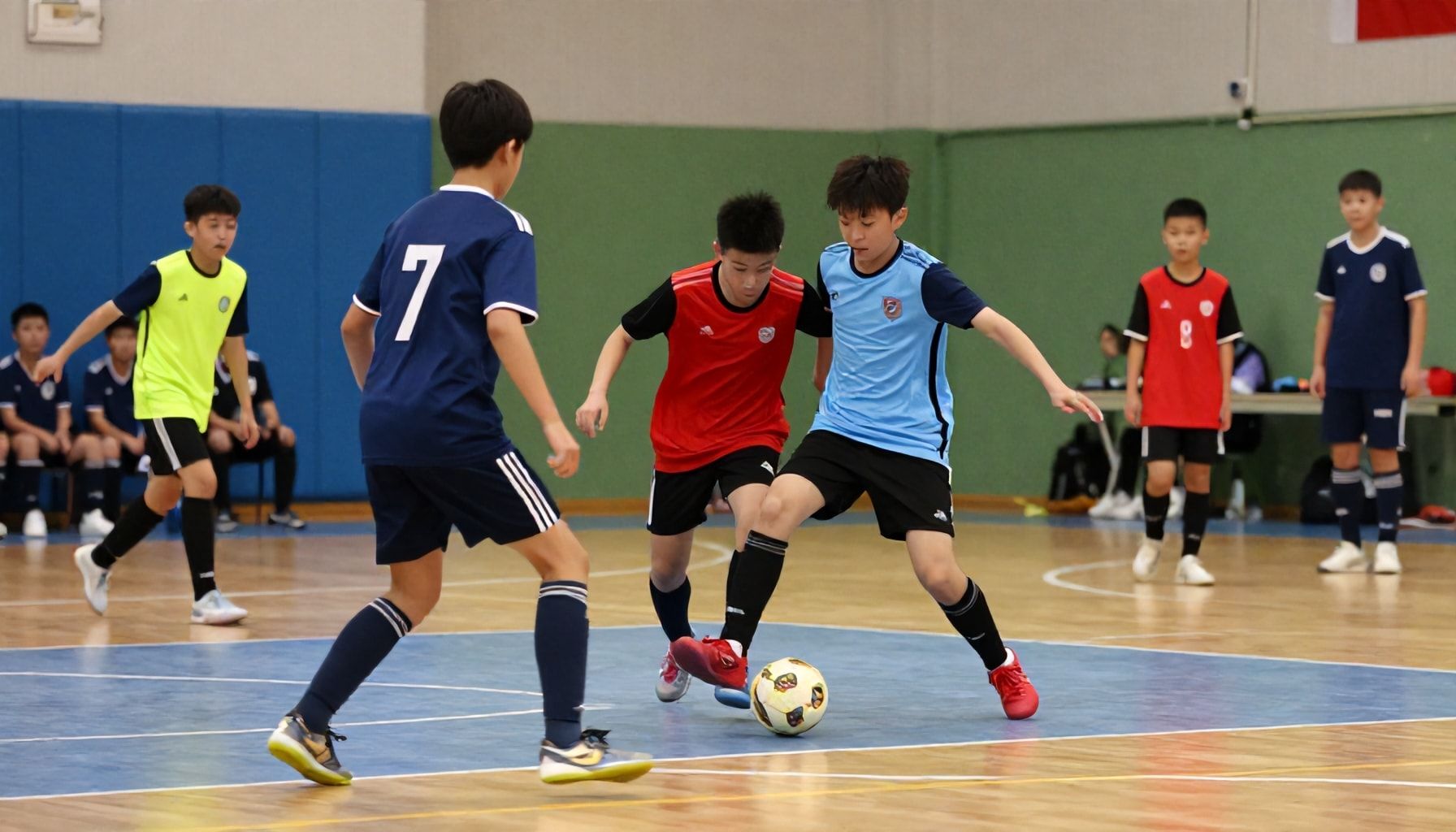
UK schools overwhelmingly prioritise traditional sports like football, rugby, and netball in their physical education (PE) curricula, leaving little room for futsal. According to a 2022 survey by the Association for Physical Education (afPE), 87% of secondary schools focus on conventional team sports, with futsal rarely featured.
The lack of futsal in PE lessons stems from several factors. Traditional sports have long been entrenched in the UK education system, with established facilities and coaching programmes. “Schools often stick to what they know,” says Dr. Sue Wilkin, afPE’s chair. “There’s a reluctance to deviate from established sports due to resource and training constraints.”
Additionally, futsal’s smaller playing area and modified rules require specific equipment and training. Many schools lack the necessary space and resources to accommodate futsal alongside traditional sports. A 2021 report by the Youth Sport Trust found that only 12% of UK schools had dedicated futsal courts or equipment.
The English Football Association (FA) has promoted futsal in recent years, introducing school programmes and coach education initiatives. However, uptake remains low. “While we’ve seen interest from some schools, the majority still prefer traditional football,” an FA spokesperson said in 2023.
Critics argue that futsal’s benefits—improved technical skills, tactical awareness, and inclusivity—are overlooked. Despite these advantages, traditional sports continue to dominate PE curricula, leaving futsal on the sidelines.
Futsal Advocates Call for Greater Recognition in UK Education System
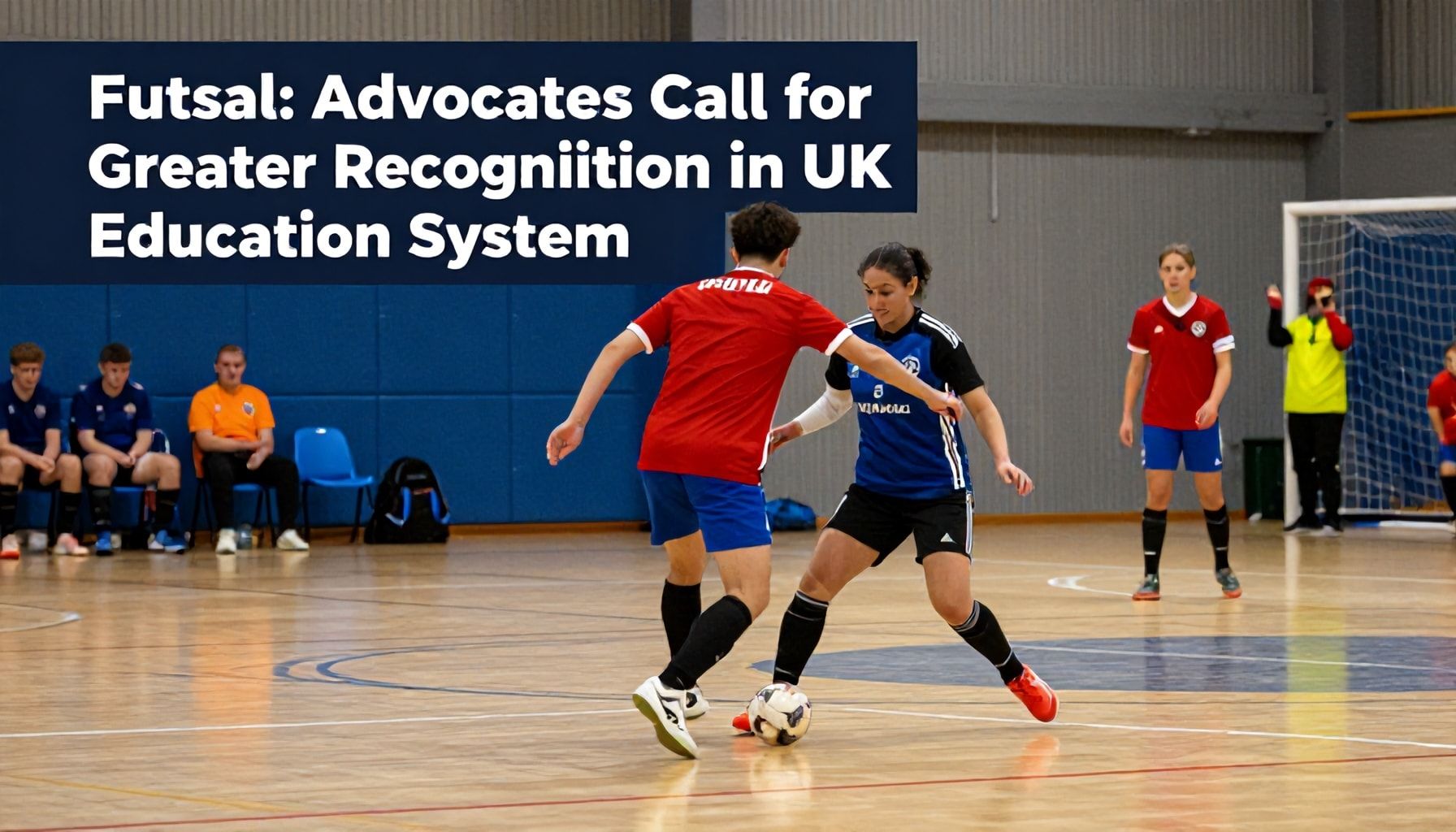
UK schools rarely include futsal in physical education (PE) lessons, despite its growing popularity and recognised benefits. The Football Association (FA) estimates that over 10,000 futsal sessions take place weekly across England, yet the sport remains largely absent from school curricula.
A lack of awareness and understanding of futsal among educators contributes to its exclusion. Many PE teachers are unfamiliar with the sport’s rules and benefits, according to a survey by the English Futsal Association (EFA). The survey, conducted in 2022, found that only 15% of PE teachers had received training in futsal.
Facilities also pose a barrier to futsal’s integration into PE lessons. Futsal requires a specific court size and markings, which many schools lack. The EFA suggests that schools could adapt existing sports halls or multi-use games areas to accommodate futsal, but this would require investment and planning.
Time constraints further hinder futsal’s inclusion in PE lessons. The National Curriculum requires schools to cover a broad range of sports, leaving limited time for less familiar activities. The FA recommends that schools could introduce futsal as an extracurricular activity to alleviate time pressures.
Despite these challenges, advocates argue that futsal’s benefits—such as improved technical skills, tactical understanding, and inclusivity—make it a valuable addition to PE lessons. The EFA and FA continue to push for greater recognition of futsal in UK education.
As the debate over PE curricula continues, the Department for Education has yet to announce plans to include futsal in national guidelines. While some schools may independently adopt the sport, widespread change appears unlikely without official endorsement. The benefits of futsal—improved technical skills, increased participation, and inclusive nature—remain largely untapped in UK physical education. Without a shift in policy, many students will continue to miss out on this valuable sporting opportunity.






