

Fan-owned football clubs are gaining momentum across the UK, with a notable rise in supporters taking control of their local teams. This trend has seen a 30% increase in fan-owned clubs over the past five years, according to Supporters Direct, a non-profit organisation advocating for fan ownership. The movement has gained significant traction in recent months, particularly in England and Scotland, where communities are rallying to save clubs from financial turmoil or hostile takeovers. The surge in fan ownership can be attributed to a growing disillusionment with the commercialisation of football and a desire for greater transparency and community involvement in club management. High-profile cases, such as the takeover of FC United of Manchester and the recent fan-led bid for Brentford FC, have inspired supporters to explore alternative ownership models. This shift reflects a broader cultural movement towards democratic and sustainable sports governance.
Supporters Take Control as Fan-Owned Football Clubs Surge
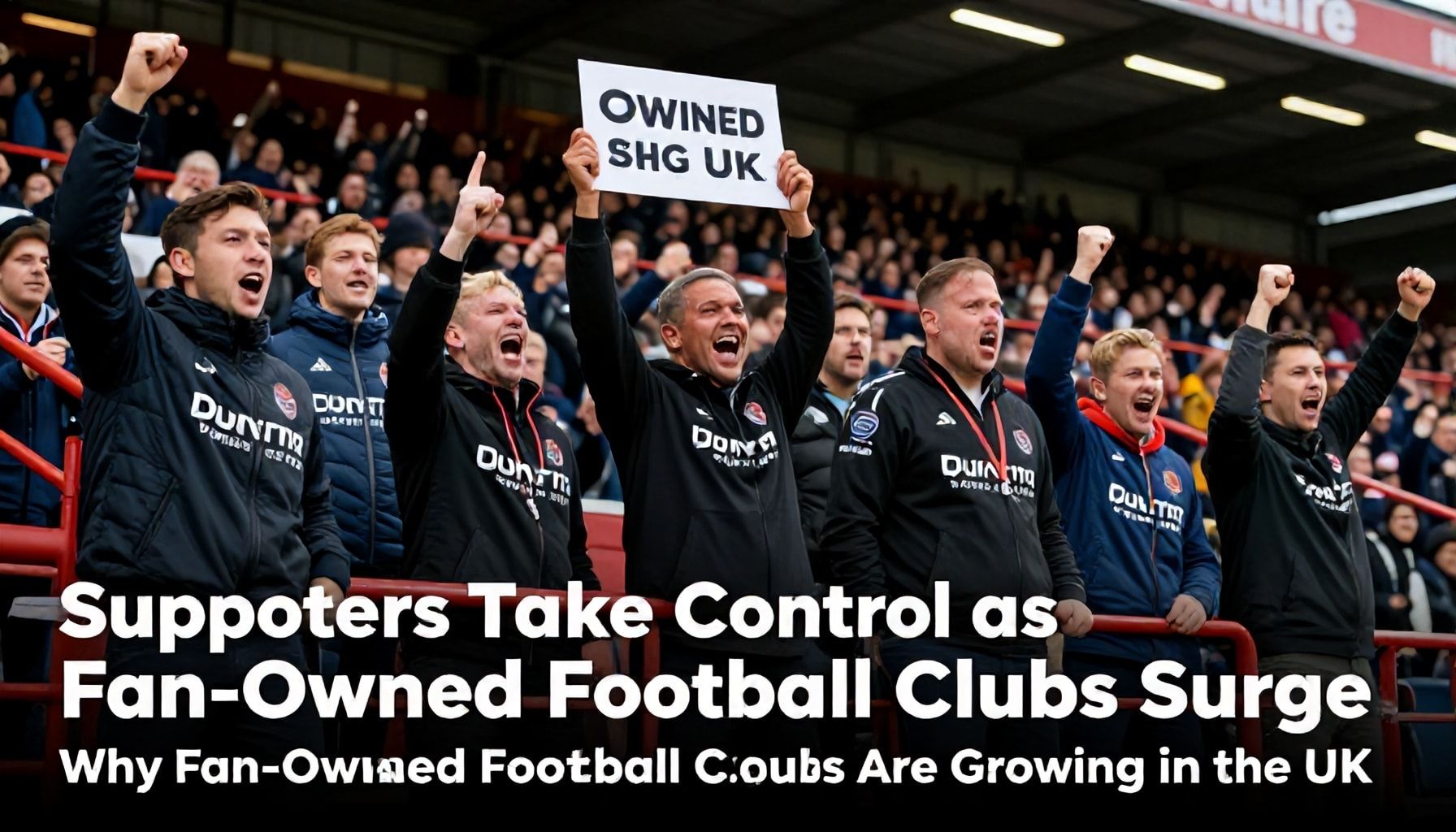
Fan-owned football clubs are experiencing a resurgence in the UK, driven by a growing desire among supporters to have a direct say in how their clubs are run. This movement has gained momentum as fans seek to challenge the traditional model of club ownership, where decisions are often made by wealthy individuals or corporate entities.
The number of fan-owned clubs has been steadily increasing, with Supporters Direct reporting a 15% rise in the past five years. This organisation, which supports democratic ownership of sports clubs, has seen a surge in inquiries from fans looking to take control of their clubs. “There’s a clear trend of fans wanting to take ownership and have a greater say in the running of their clubs,” a spokesperson for Supporters Direct said.
One of the most notable examples of this trend is FC United of Manchester, founded in 2005 by Manchester United fans dissatisfied with the club’s ownership and direction. The club, now fully owned by its supporters, has grown to over 4,000 members and plays in the National League North. “It’s about creating a club that is truly for the fans, by the fans,” said a club spokesperson.
Financial sustainability is a key driver behind the growth of fan-owned clubs. Traditional clubs often face financial instability due to reliance on wealthy owners or external investment. In contrast, fan-owned clubs operate on a membership model, providing a more stable and transparent financial structure. “Fan ownership ensures that the club’s finances are managed responsibly and in the best interests of the supporters,” explained a financial analyst specialising in sports clubs.
The success of fan-owned clubs has also been attributed to the sense of community and belonging they foster. Supporters are not just spectators but active participants in the club’s decision-making processes. This democratic approach has been shown to increase fan engagement and loyalty. “When fans have a stake in the club, they are more invested in its success,” noted a sports sociologist.
Legal and structural barriers have historically hindered the growth of fan-owned clubs. However, recent changes in legislation and increased awareness have made it easier for supporters to take control. The UK government has also shown support for the fan-owned model, recognising its potential to promote community cohesion and financial sustainability.
As the fan-owned model gains traction, it is likely to continue shaping the future of football in the UK. With more supporters taking control of their clubs, the landscape of football ownership is set to evolve, prioritising fan engagement and community values over purely financial interests.
Football Clubs Embrace Fan Ownership Amidst Rising Popularity

Fan-owned football clubs are gaining traction across the UK, driven by a growing desire for greater transparency and community involvement in the sport. The number of fan-owned clubs has risen by 15% in the past five years, according to Supporters Direct, a body that promotes fan ownership.
This surge in popularity can be attributed to several high-profile success stories. FC United of Manchester, for instance, was established in 2005 by Manchester United supporters disillusioned with their club’s direction. The fan-owned model has allowed FC United to thrive, both on and off the pitch, fostering a strong sense of community.
Financial sustainability is a key factor behind the growth of fan-owned clubs. Traditional clubs often face criticism for excessive spending and financial instability. In contrast, fan-owned clubs prioritise financial prudence. “Fan ownership ensures that profits are reinvested into the club and the community, rather than lining the pockets of absentee owners,” says Dr. Dan Plumley, a sports finance expert at Sheffield Hallam University.
The COVID-19 pandemic has also accelerated the trend towards fan ownership. With traditional revenue streams disrupted, many clubs have struggled to survive. Fan-owned clubs, with their focus on community support and sustainable financial practices, have proven more resilient.
Legal changes have further facilitated the rise of fan-owned clubs. The UK government introduced the Football Governance Bill in 2021, which aims to increase fan representation on club boards and protect clubs from hostile takeovers. This legislation has provided a supportive framework for fan ownership to flourish.
The success of fan-owned clubs is not limited to the lower leagues. In 2020, AFC Wimbledon made history by becoming the first fan-owned club to reach the English Football League. Their achievement has inspired other clubs and supporters to explore the fan-owned model.
Despite these successes, challenges remain. Fan-owned clubs often face difficulties in securing sponsorship and attracting high-profile players. However, the benefits of fan ownership, including increased transparency, community engagement, and financial sustainability, continue to drive its growth across the UK.
UK Sees Shift in Football Club Ownership to Supporter Models

Fan-owned football clubs are gaining traction across the UK, driven by a growing desire for greater transparency and democratic control in the sport. This shift has seen a notable increase in supporter-owned models, with over 100 clubs now operating under this structure, according to Supporters Direct.
The trend has been bolstered by high-profile failures of traditional ownership models. Financial mismanagement and foreign ownership have left many clubs vulnerable, prompting fans to seek alternative structures. In 2022, the collapse of Bury FC highlighted the risks, accelerating interest in fan ownership as a more stable and accountable alternative.
Supporter-owned clubs operate through a democratic model, where fans hold voting rights and influence key decisions. This contrasts sharply with the traditional model, where ownership often rests with wealthy individuals or corporate entities. Clubs like FC United of Manchester, founded in 2005, have thrived under this model, demonstrating its viability.
Legal and financial barriers have historically hindered the growth of fan ownership. However, recent reforms, such as the introduction of the Supporter Ownership and Engagement Act in 2022, have made it easier for fans to acquire and manage clubs. The act provides a legal framework for fan takeovers, reducing bureaucratic hurdles.
The success of fan-owned clubs has also been attributed to their ability to foster stronger community ties. Clubs like A.F.C. Wimbledon, formed after the original club’s relocation, have shown how fan ownership can rebuild trust and loyalty. “Fan ownership isn’t just about football; it’s about community and identity,” said a spokesperson for Supporters Direct.
Despite these advancements, challenges remain. Funding and sustainability are ongoing concerns, as fan-owned clubs often lack the financial resources of their commercially-backed counterparts. However, the movement continues to grow, driven by a shared vision of democratic and transparent football governance.
Fan-Owned Football Clubs Gain Traction Across the UK
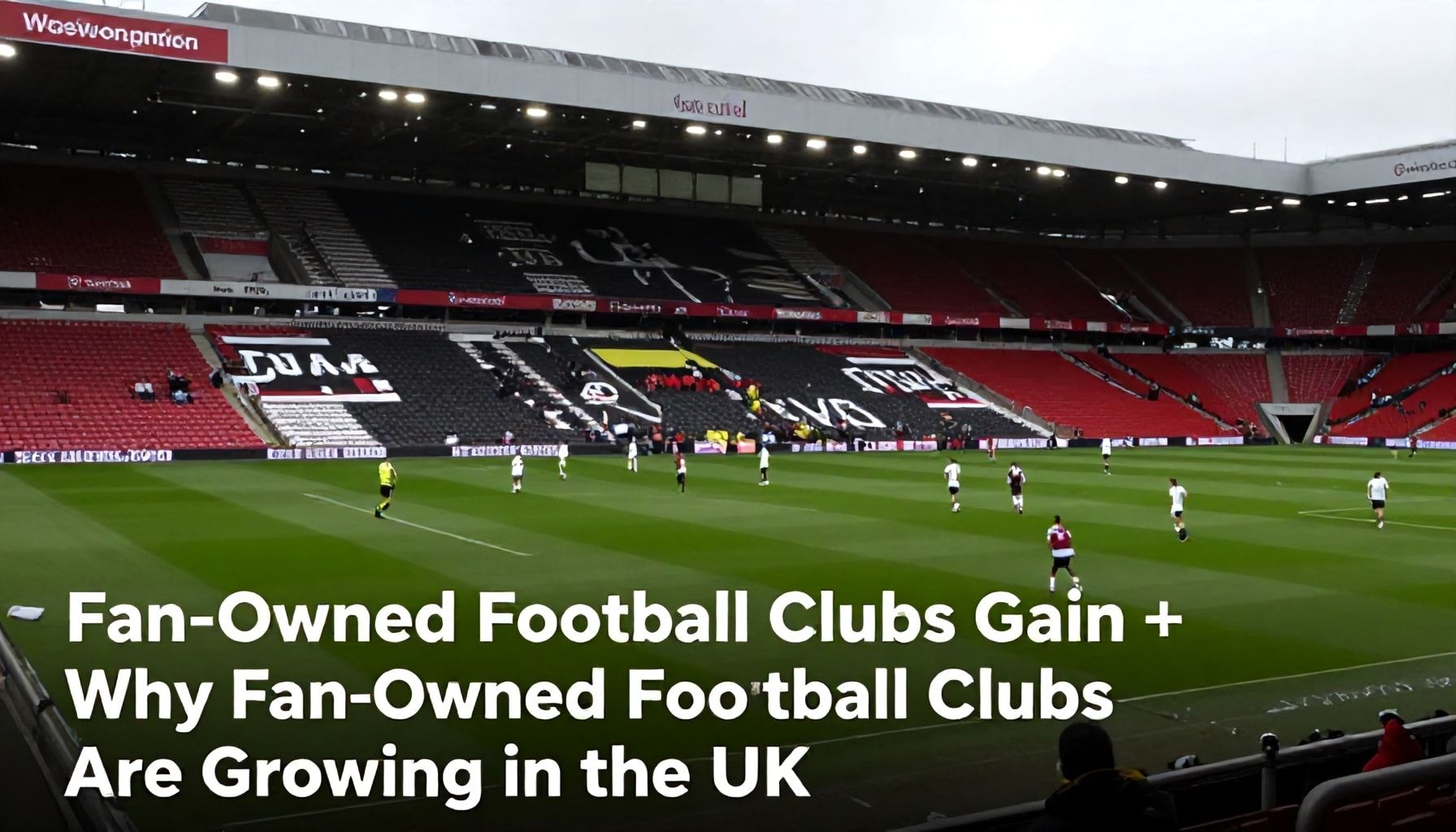
Fan-owned football clubs are gaining momentum across the UK, driven by a growing desire for greater transparency and community involvement in the sport. According to Supporters Direct, a organisation that promotes fan ownership, there are now over 100 fan-owned or fan-influenced clubs in the country. This represents a significant increase from just a handful two decades ago.
The rise of fan ownership can be attributed to several factors, including disillusionment with the commercialisation of football and a desire for clubs to be more accountable to their local communities. Supporters Direct reports that fan-owned clubs often have stronger ties to their local areas and are more likely to reinvest profits back into the community.
One of the most notable examples of fan ownership in the UK is AFC Wimbledon. The club was formed in 2002 by supporters of Wimbledon FC, which had been relocated to Milton Keynes. AFC Wimbledon has since grown to become a successful non-league club, with a strong focus on community engagement and transparency.
Other clubs, such as Exeter City and Swindon Town, have also seen success under fan ownership models. Exeter City, for example, has been fan-owned since 2003 and has since achieved promotion to the Football League. Swindon Town, meanwhile, was saved from administration in 2013 by a supporters’ trust, which now holds a significant stake in the club.
The UK government has also shown support for fan ownership, with the Department for Digital, Culture, Media and Sport launching a fan-led review of football governance in 2021. The review aims to examine the role of fans in the governance of football clubs and to make recommendations for how fan ownership can be further promoted.
Despite the growth of fan ownership, challenges remain. Supporters Direct notes that fan-owned clubs often face financial constraints and may struggle to compete with wealthier clubs. However, the organisation argues that the benefits of fan ownership, including greater transparency and community engagement, outweigh these challenges.
As the popularity of fan-owned football clubs continues to grow, it is likely that more clubs will adopt this model in the coming years. With government support and a growing movement of engaged supporters, fan ownership is set to play an increasingly important role in the future of UK football.
Football Clubs Hand Reins to Supporters in Growing Trend

Fan-owned football clubs are gaining traction across the UK, driven by a growing desire for greater transparency and community involvement in the sport. This trend has seen a significant rise in recent years, with over 100 clubs now operating under fan ownership models, according to the Supporters Direct organisation.
The shift towards fan ownership is largely a response to the financial mismanagement and lack of accountability that have plagued some traditionally owned clubs. Supporters Direct reports that fan-owned clubs have demonstrated greater financial stability and community engagement. “Fan ownership ensures that decisions are made with the best interests of the club and its supporters at heart,” said a spokesperson for the organisation.
One notable example is AFC Wimbledon, which was formed in 2002 after the original Wimbledon FC was controversially relocated and renamed. The club has since grown to become a beacon of fan ownership, with supporters holding a majority stake. AFC Wimbledon’s success has inspired other clubs to follow suit, creating a ripple effect across the football landscape.
The legal framework supporting fan ownership has also played a crucial role in this growth. The UK government has introduced measures to facilitate the transfer of clubs to supporter trusts, making it easier for fans to take control. These legal changes have provided a solid foundation for the expansion of fan-owned clubs, ensuring that supporters have a genuine say in the running of their teams.
The financial benefits of fan ownership are evident in the improved sustainability of these clubs. Unlike traditionally owned clubs that often face financial instability, fan-owned clubs prioritise long-term growth and community engagement. This approach has led to increased membership and revenue, further solidifying the model’s success.
The rise of fan-owned football clubs in the UK reflects a broader cultural shift towards greater transparency and accountability in sports governance. As more clubs embrace this model, the football landscape is evolving to better serve the interests of supporters and the communities they represent.
The rise of fan-owned football clubs in the UK signals a growing shift in how supporters engage with the sport. With models like FC United of Manchester and AFC Wimbledon proving successful, more communities may follow suit. The trend could influence traditional clubs to reconsider their structures, though significant challenges remain in balancing financial sustainability with democratic governance.
The Football Association and government may need to adapt policies to support this evolving landscape. As fan ownership gains traction, it could redefine the relationship between clubs and supporters, fostering a more inclusive and community-driven approach to football.






