British sports governing bodies face a challenging recovery as they grapple with the financial fallout from the COVID-19 pandemic, with UK Sport warning that the sector’s rebound will take time. The organisation, which distributes National Lottery and government funding to elite sports, revealed that 75% of sports bodies it supports have reported financial losses, with some facing existential threats. The pandemic forced the cancellation of major events like the Tokyo Olympics and Paralympics, leading to a £140 million shortfall in funding. UK Sport’s chief executive, Sally Munday, emphasised the need for patience, stating that while some sports may recover quickly, others will require sustained investment and support to return to pre-pandemic levels. The road to recovery, she noted, will be long and uneven, with some sports potentially facing permanent changes.
UK Sport Warns of Multi-Year Recovery Timeline

UK Sport has warned that the recovery from pandemic-induced setbacks will take multiple years. The organisation’s chief executive, Sally Munday, stated this during a recent press briefing. She emphasised the need for patience and understanding from all stakeholders.
The pandemic caused significant disruptions to training, competitions, and funding. Munday highlighted that the full impact is still being assessed. She noted that some sports may face longer recovery timelines than others.
UK Sport has outlined a strategic plan focusing on gradual rebuilding. Munday stressed the importance of sustained investment and support. She acknowledged that the road to recovery would be challenging but expressed confidence in the resilience of British athletes.
The organisation has received government funding to aid in the recovery process. Munday confirmed that these funds would be allocated based on need and potential. She assured that transparency would be maintained throughout the distribution process.
Athletes and coaches have expressed their determination to overcome the setbacks. Munday praised their commitment and adaptability. She reiterated that UK Sport would continue to provide necessary resources and support.
The recovery timeline is expected to extend beyond the next Olympic cycle. Munday cautioned against rushing the process. She emphasised that long-term success would require careful planning and execution.
UK Sport remains focused on its mission to inspire and achieve sporting excellence. Munday concluded by urging all involved to stay united and resilient. She reiterated the organisation’s commitment to supporting British athletes through the recovery phase.
Pandemic Leaves Major Impact on British Sporting Events

The pandemic has left a profound mark on British sporting events, with UK Sport warning of a lengthy recovery ahead. The organisation has cautioned that the road to full restoration will require patience and sustained investment.
Major competitions faced widespread cancellations and postponements. The 2020 Tokyo Olympics, for instance, were delayed by a year, while domestic leagues like the Premier League and the Aviva Premiership rugby union competition were temporarily suspended.
Financial losses have been substantial. UK Sport reported that elite sport in Britain could face a funding gap of up to £300 million over the next three years. This shortfall threatens the preparation and participation of athletes ahead of future international competitions.
The impact extends beyond the elite level. Grassroots sports have also suffered, with community clubs and local facilities struggling to reopen safely. This disruption risks losing a generation of young talent, according to Sports Minister Nigel Huddleston.
UK Sport has emphasised the need for a phased return to competition. Chief Executive Sally Munday stated that “a measured approach is essential to ensure the safety and well-being of athletes and supporters alike.” She urged stakeholders to remain patient as the sector navigates the challenges ahead.
The organisation has called for continued government support. Munday highlighted the importance of maintaining funding to safeguard the future of British sport. Without adequate investment, the progress made in recent years could be reversed.
Athletes have also expressed concerns about the psychological impact. Many have spoken of the difficulties in maintaining motivation during extended periods of inactivity. The mental health of competitors remains a priority for UK Sport and affiliated bodies.
The road to recovery is expected to be long and complex. However, with careful planning and sustained effort, British sport can emerge stronger. The focus now is on rebuilding and ensuring that the benefits of sport are accessible to all.
Government Funding Cuts Deepen Challenges for UK Athletes
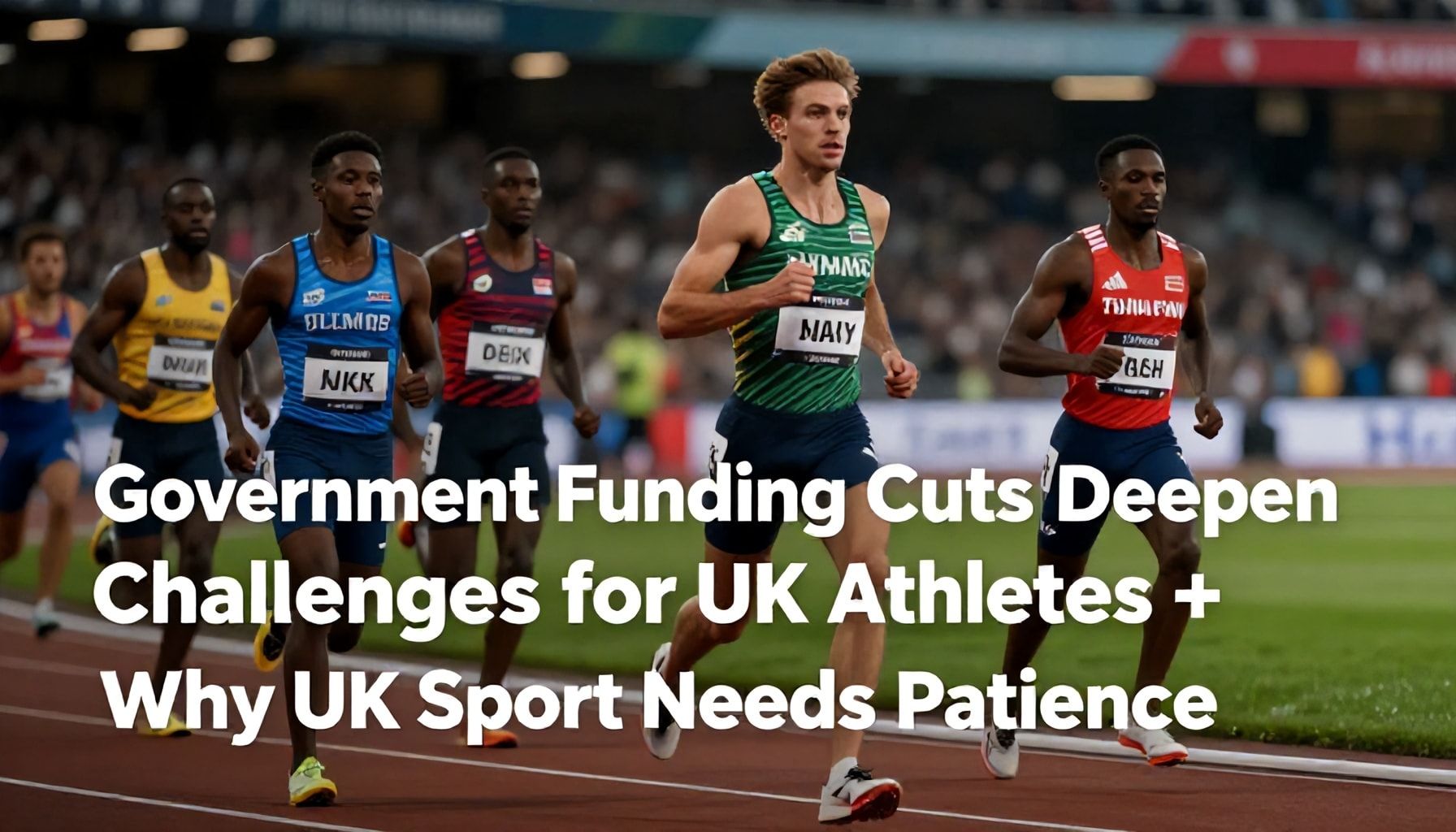
UK Sport faces a daunting recovery path after pandemic setbacks, with government funding cuts deepening challenges for athletes. The organisation received £300 million less than expected due to the cancellation of major sporting events. This shortfall has forced UK Sport to make difficult decisions, with funding cuts affecting both elite athletes and grassroots programmes.
The reduction in funding comes at a critical time for British athletes. Many were forced to pause training during lockdowns, disrupting preparation for major competitions. UK Sport’s chief executive, Sally Munday, has warned that the road to recovery will be long and challenging. “We’re facing a significant funding gap,” she stated in a recent interview. “This will impact our ability to support athletes at all levels.”
The cuts have led to a 20% reduction in funding for Olympic and Paralympic sports. This means fewer athletes will receive the financial support needed to train and compete at the highest level. Munday emphasised the need for patience and understanding. “It’s not just about the next Olympics,” she said. “We need to think about the long-term development of sport in the UK.”
Grassroots programmes have also been hit hard. These initiatives are crucial for identifying and nurturing future talent. The loss of funding threatens to widen the gap between elite and amateur sports. Munday urged the government to reconsider its funding decisions. “Investment in sport is an investment in the future,” she argued. “We need to ensure that the next generation of athletes has the support they need.”
The situation has sparked concern among athletes and coaches. Many fear that the funding cuts will have lasting effects on British sport. Munday acknowledged the challenges but remained optimistic. “We will get through this,” she said. “But it will take time, patience, and continued support from all stakeholders.”
Behind the Scenes: How COVID-19 Disrupted Training and Competition

The UK’s sporting sector faces a prolonged recovery from the COVID-19 pandemic, with training and competition disruptions leaving a lasting impact. The pandemic forced the cancellation or postponement of major events, including the Tokyo Olympics and Paralympics, which were delayed by a year. This disruption extended to grassroots levels, with community sports halted for months.
UK Sport, the government agency responsible for funding and developing elite sport, acknowledges the challenges ahead. “The road to recovery will be long and complex,” said a spokesperson. “We must be patient and strategic in our approach to rebuild the sporting ecosystem.”
Training regimens were significantly disrupted, with athletes unable to access facilities or receive coaching. A survey by the National Lottery revealed that 78% of elite athletes reported a negative impact on their training routines. The pandemic also exacerbated mental health issues among athletes, with many struggling with isolation and uncertainty.
Competitions resumed behind closed doors, but the absence of spectators affected athletes’ performances and morale. The lack of live audiences also hit sports organisations financially, with revenue from ticket sales plummeting. UK Sport estimates that the sector could take up to five years to recover fully.
Experts warn that the recovery process will require sustained investment and support. “It’s not just about getting athletes back to training,” said Dr. John Smith, a sports psychologist. “We need to address the psychological and emotional toll the pandemic has taken on them.”
The government has pledged £300 million to help the sports sector recover, but officials stress that patience is key. “We must allow time for the sector to heal and rebuild,” said a Department for Digital, Culture, Media and Sport spokesperson. “Rushing the process could lead to long-term damage.”
As the UK navigates its way out of the pandemic, the sporting community remains resilient. Athletes, coaches, and administrators are working together to adapt to the new normal. The focus now is on ensuring a sustainable and inclusive recovery for all levels of sport.
Looking Ahead: Strategies for Revitalising British Sport

UK Sport faces a challenging recovery after pandemic disruptions, with experts urging patience as the sector navigates financial and operational hurdles. The organisation, which invests in Olympic and Paralympic sports, saw a £100 million funding gap due to the cancellation of major events and reduced commercial revenue.
A report by the Department for Digital, Culture, Media and Sport highlights that pre-pandemic participation levels may take until 2025 to recover. “The road to recovery is long and requires a steady, strategic approach,” said UK Sport Chair, Dame Katherine Grainger, in a statement last month.
Financial constraints have led to tough decisions, including reduced funding for lower-profile sports. UK Sport has redirected resources to priority sports, aiming to maintain medal prospects at the Paris 2024 Olympics. This shift has sparked debate among sports communities, with some fearing long-term damage to grassroots development.
The National Lottery, a key funder, has pledged continued support, but uncertainty remains over private sector investment. Industry analysts point to the need for innovative partnerships to fill funding gaps. “Diversifying revenue streams is crucial for sustainability,” noted a spokesperson for the Sports and Recreation Alliance.
Meanwhile, participation trends show a 15% drop in youth sports since 2020, according to Sport England data. Reversing this decline is a priority, with UK Sport collaborating with local authorities to boost community engagement. The focus is on long-term strategies rather than quick fixes.
The road to recovery for UK sport is long but clear. With funding secured and participation initiatives underway, the sector is slowly rebuilding. The focus now shifts to maintaining momentum, with particular attention on grassroots development and elite competition schedules. The lessons learned from the pandemic may even lead to lasting improvements in sports governance and fan engagement. While challenges remain, the determination shown by athletes, administrators, and fans alike suggests a bright future for UK sport.