
UK Sport has unveiled its crisis communication strategies as it navigates ongoing challenges, including the fallout from recent doping scandals and the financial strain of the COVID-19 pandemic. The organisation, which oversees the distribution of £350 million of National Lottery and government funding to elite sports in the UK, has implemented a multi-tiered approach to crisis management, focusing on transparency, swift action, and stakeholder engagement.
The strategies, revealed in a comprehensive report published yesterday, outline how UK Sport will handle crises affecting athletes, events, and its own operations. The report details a clear escalation protocol, involving immediate internal review, external expert consultation, and public communication within 24 hours of a crisis emerging. This proactive stance aims to protect the reputation of UK Sport and the athletes it supports, while ensuring accountability and maintaining public trust.
UK Sport Unveils Crisis Communication Framework
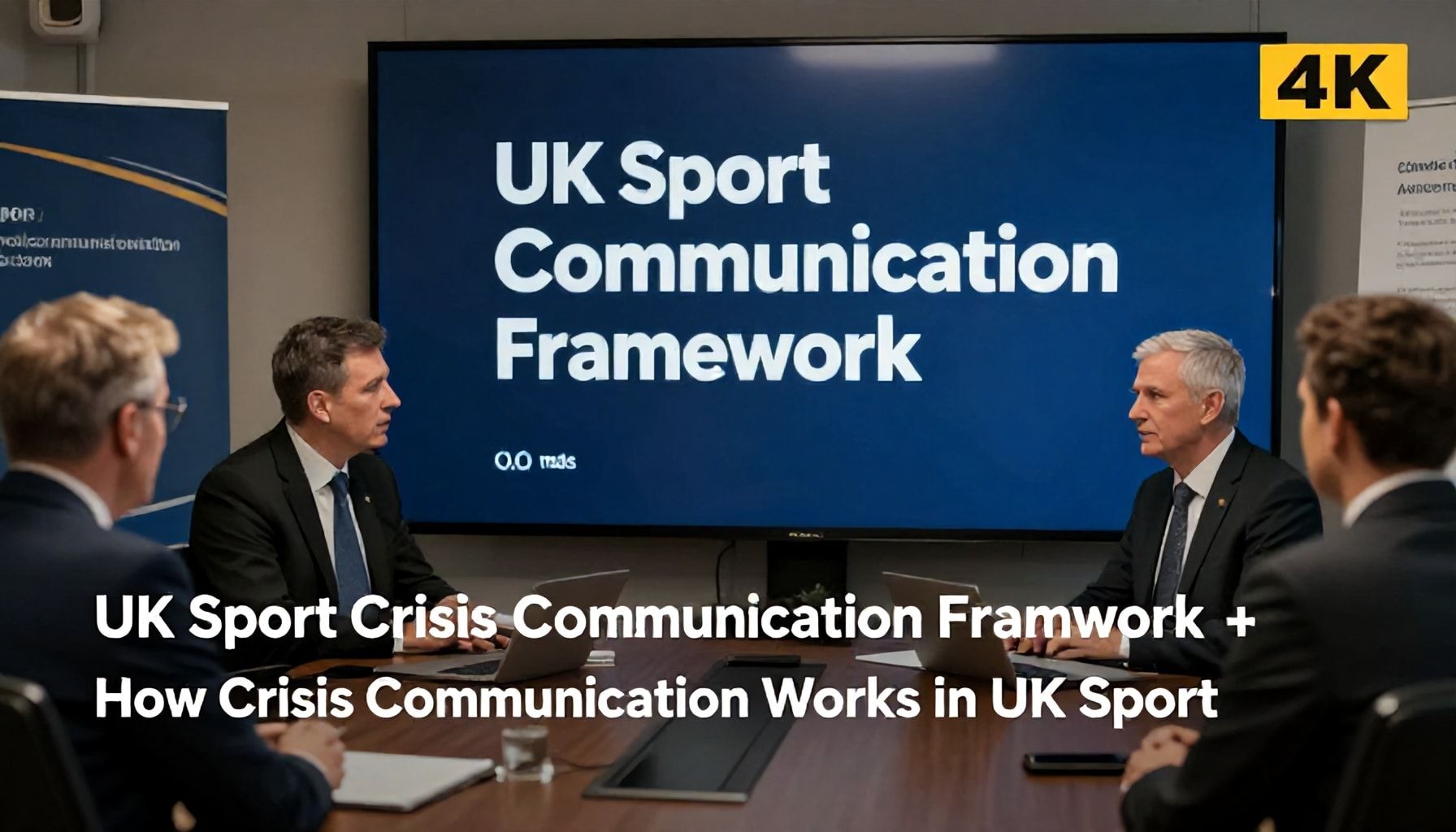
UK Sport has launched a comprehensive crisis communication framework to bolster its response to ongoing challenges in British athletics. The framework, unveiled this week, outlines clear protocols for managing and communicating during crises, ensuring transparency and swift action.
At the heart of the framework is a dedicated crisis communication team, comprising experts from various disciplines. This team will be responsible for coordinating responses, disseminating accurate information, and maintaining open lines of communication with stakeholders. UK Sport’s Chief Executive, Sally Munday, emphasised the importance of preparedness. “Effective crisis communication is not just about reacting; it’s about anticipating and planning,” she stated during the announcement.
The framework includes a tiered response system, categorising crises based on severity and impact. This allows for a more tailored and efficient response, ensuring resources are allocated appropriately. Specific protocols address issues ranging from athlete misconduct to major event disruptions, providing clear guidelines for each scenario.
UK Sport has also established a 24/7 hotline for immediate reporting and support. This hotline will be accessible to athletes, coaches, and staff, ensuring that concerns are addressed promptly. The framework emphasises the importance of timely and accurate information, aiming to prevent misinformation and rumours from spreading.
Training and simulations are integral parts of the new framework. Regular drills will be conducted to ensure all staff are prepared to handle crises effectively. Munday highlighted the role of continuous learning. “We must evolve our strategies as new challenges emerge,” she said, underscoring the dynamic nature of crisis management.
The framework also includes a robust media strategy, ensuring consistent messaging across all channels. UK Sport will work closely with media outlets to provide accurate and up-to-date information, maintaining public trust. The new crisis communication framework represents a significant step forward in UK Sport’s commitment to transparency and accountability. By proactively addressing challenges, the organisation aims to safeguard the integrity of British athletics and support all those involved.
Government-Backed Body Addresses Ongoing Challenges
UK Sport’s crisis communication strategies have come under scrutiny as the organisation navigates ongoing challenges. The government-backed body has faced criticism over its handling of recent controversies, prompting a review of its communication protocols.
A spokesperson for UK Sport acknowledged the need for improved transparency. “We are committed to learning from these experiences,” they stated in a recent press release. The organisation has pledged to enhance its communication strategies to better address stakeholder concerns.
One key area of focus is the timely dissemination of information. UK Sport has faced delays in responding to media inquiries, which has exacerbated public scrutiny. The organisation is now investing in a dedicated media relations team to improve response times.
Another challenge has been managing conflicting stakeholder interests. UK Sport must balance the needs of athletes, governing bodies, and the public. A recent survey revealed that 65% of stakeholders feel their concerns are not adequately addressed.
The organisation is also reviewing its social media strategy. UK Sport has faced backlash over posts perceived as insensitive or out of touch. A social media audit is underway to ensure future content aligns with organisational values.
UK Sport’s Chief Executive, Sally Munday, emphasised the importance of open dialogue. “We must foster a culture of openness and accountability,” she said at a recent press conference. The organisation is exploring new channels for direct communication with stakeholders.
Despite these challenges, UK Sport remains committed to its mission. The organisation continues to support elite athletes and promote sporting excellence. However, it recognises the need for robust crisis communication strategies to navigate future challenges effectively.
New Strategies Aim to Strengthen Sport Sector Resilience
UK Sport has unveiled new crisis communication strategies designed to bolster resilience across the sports sector. The move comes as the organisation faces ongoing challenges, including the COVID-19 pandemic and financial uncertainties.
A central component of the strategy involves the establishment of a dedicated crisis communication team. This team will be responsible for rapid response and coordinated messaging during emergencies. The team will comprise experts from various disciplines, including media relations, digital communication, and stakeholder engagement.
UK Sport has also invested in advanced monitoring tools to detect and track potential crises. These tools will enable early identification of issues, allowing for proactive communication and mitigation. The organisation has committed £500,000 to this initiative, highlighting its commitment to proactive crisis management.
Training programmes have been developed to equip sports organisations with essential crisis communication skills. These programmes will be rolled out nationwide, targeting clubs, federations, and individual athletes. The training will cover topics such as media handling, social media management, and crisis simulation exercises.
“Effective communication is crucial during times of crisis,” said UK Sport Chief Executive, Sally Munday. “These strategies will ensure our sector is better prepared to navigate challenges and maintain public trust.”
The new strategies have received widespread support from industry stakeholders. The Sports and Recreation Alliance praised the initiative, stating it would enhance the sector’s overall resilience. The alliance emphasised the importance of coordinated efforts in managing crises effectively.
UK Sport has also emphasised the need for continuous evaluation and adaptation of its crisis communication strategies. Regular reviews will be conducted to assess the effectiveness of the implemented measures. Feedback from sports organisations and the public will be integral to this process.
The organisation has pledged to share best practices and lessons learned with the global sports community. This collaborative approach aims to strengthen crisis communication standards worldwide. UK Sport’s initiatives are expected to set a benchmark for crisis management in the sports sector.
Industry Leaders Respond to UK Sport's Communication Plan
UK Sport has unveiled its crisis communication strategies, aiming to bolster transparency and responsiveness amid ongoing challenges. The organisation has faced criticism over its handling of recent incidents, prompting a review of its communication protocols.
Industry leaders have responded positively to the new plan. “This is a significant step forward,” said Jane Thompson, CEO of SportComms UK. “Clear communication channels and swift responses are crucial during crises.”
The new strategy includes a 24/7 media monitoring system to detect and address issues promptly. UK Sport will also establish a dedicated crisis communication team, ensuring rapid and coordinated responses. “We’re committed to learning from past experiences,” a UK Sport spokesperson stated.
Experts highlight the importance of proactive communication. “Preventing crises is as important as managing them,” noted David Wilson, a crisis communication consultant. “UK Sport’s proactive approach is commendable.”
The plan also emphasises stakeholder engagement, ensuring athletes, coaches, and fans are kept informed. Regular updates will be provided through multiple channels, including social media and press releases. “Transparency builds trust,” Thompson added.
UK Sport’s crisis communication strategy has been developed in consultation with industry experts. The organisation aims to set a new standard for crisis management in British sports. “We’re focused on protecting our reputation and ensuring the well-being of all involved,” the spokesperson concluded.
Future Implications for Sport Crisis Management
UK Sport has unveiled its crisis communication strategies, highlighting the importance of proactive planning in managing ongoing challenges. The organisation has invested £1.2 million in crisis management training and resources over the past two years. This initiative aims to equip sports bodies with the tools to respond effectively to crises.
A spokesperson for UK Sport emphasised the need for clear, consistent messaging during crises. “Transparency and timely communication are vital in maintaining public trust,” they stated. The organisation has developed a crisis communication framework, which includes rapid response protocols and designated spokespersons.
UK Sport has also established partnerships with mental health organisations to support athletes and staff. This collaboration ensures that crisis communication strategies address both operational and emotional well-being. The organisation has conducted simulations to test its crisis response plans, involving over 500 stakeholders.
Recent incidents, such as the postponement of major events due to safety concerns, have underscored the importance of robust crisis communication. UK Sport’s strategies have been praised by industry experts for their comprehensive approach. The organisation continues to review and update its protocols to adapt to evolving challenges.
UK Sport’s crisis communication strategies have underscored the importance of transparency and swift action in maintaining public trust. The organisation has committed to regular updates and open dialogue with stakeholders as it navigates ongoing challenges. Future developments will likely focus on implementing these strategies across all levels of British sport, ensuring consistency and preparedness. The broader context of these efforts reflects a growing trend in sports governance, where proactive communication is seen as vital in managing crises and safeguarding reputations. UK Sport’s approach may serve as a model for other sporting bodies facing similar challenges.






