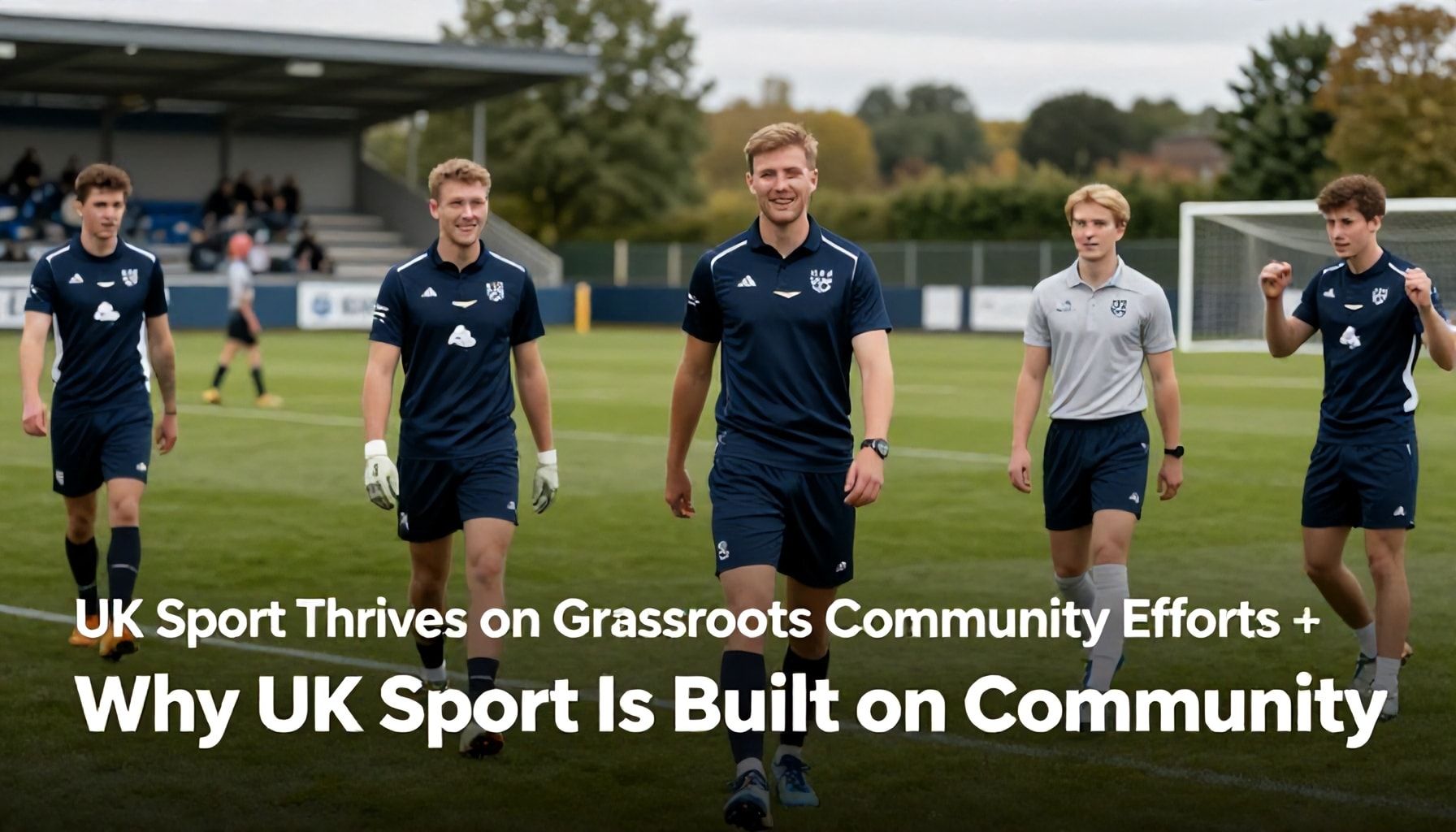
The UK’s sporting success story is being rewritten at a grassroots level, with over 15 million adults now playing sport regularly as a direct result of community-led initiatives. This surge in participation, reported by Sport England, coincides with a decade of strategic investment in local clubs and facilities, with £1 billion allocated since 2010. From the rolling hills of Yorkshire to the urban parks of London, these efforts have transformed the nation’s sporting landscape. The driving force behind this phenomenon is the collective effort of 2.8 million volunteers, who dedicate their time to coaching, organising events, and fostering a culture of inclusivity. This community-centric approach has not only boosted participation rates but also cultivated a new generation of talent, with 70% of elite athletes crediting their initial development to local clubs and schools.
Grassroots Efforts Propel UK Sports to New Heights
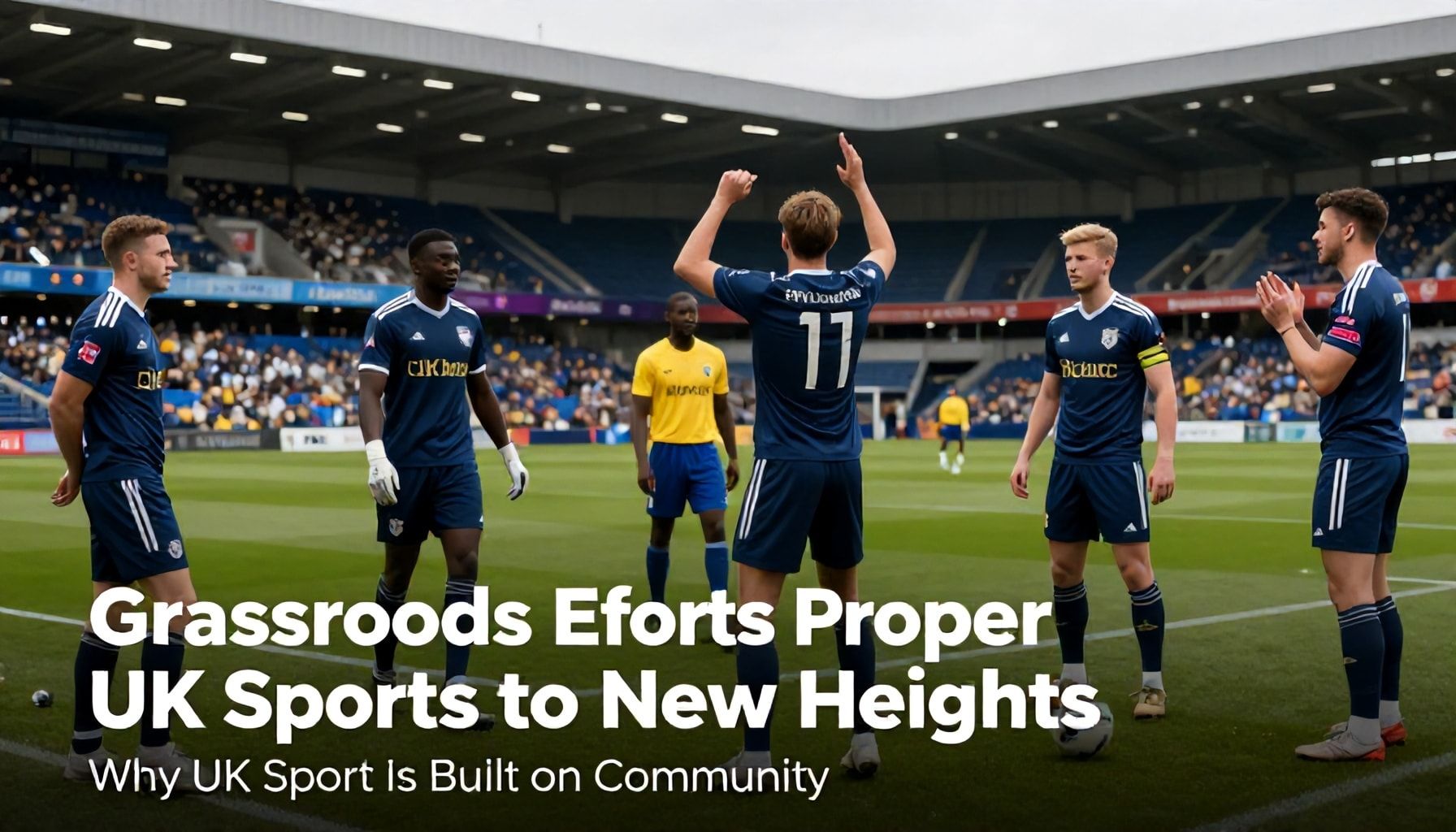
The UK’s sporting success is deeply rooted in grassroots community efforts, according to a recent report by UK Sport. Over 15 million people participate in regular sports activities at the community level, providing a solid foundation for elite performance.
Local clubs and volunteers play a crucial role in nurturing talent. The report highlights that 70% of current Olympic and Paralympic athletes began their journey in community sports programmes. This pipeline of talent has been instrumental in the UK’s recent medal successes.
Funding has been a key driver in this growth. The National Lottery has invested over £1 billion into grassroots sports since 1997. This investment has led to the development of over 10,000 community sports facilities nationwide.
Community engagement has also seen a significant boost through school sports initiatives. The Department for Education reports a 24% increase in primary school children participating in sports clubs since 2013. This trend is expected to continue with the government’s commitment to fund PE and sports premiums.
Local authorities are also stepping up their efforts. Councils across the UK have allocated £500 million annually to improve sports infrastructure. This includes the creation of new pitches, swimming pools, and gyms, making sports more accessible to all.
The impact of these efforts is evident in the rising participation rates. Sport England data shows a 12% increase in regular sports participation over the past decade. This growth is not just in traditional sports but also in emerging activities like parkour and paddleboarding.
Experts attribute this success to the collaborative efforts of various stakeholders. “The synergy between national governing bodies, local clubs, and volunteers is what makes the UK’s sports ecosystem unique,” said a spokesperson for UK Sport. This collaborative approach ensures that talent is identified early and nurtured effectively.
The future looks promising with continued investment and community engagement. The government has pledged an additional £300 million to support grassroots sports over the next five years. This funding will focus on increasing participation among underrepresented groups and improving facilities.
The UK’s sporting achievements are a testament to the power of community efforts. From local clubs to national initiatives, the collective commitment to sports is driving the nation’s success. As the grassroots network continues to grow, the UK is poised to achieve even greater heights in the world of sports.
Community Initiatives Fuel Growth in UK Sports Participation
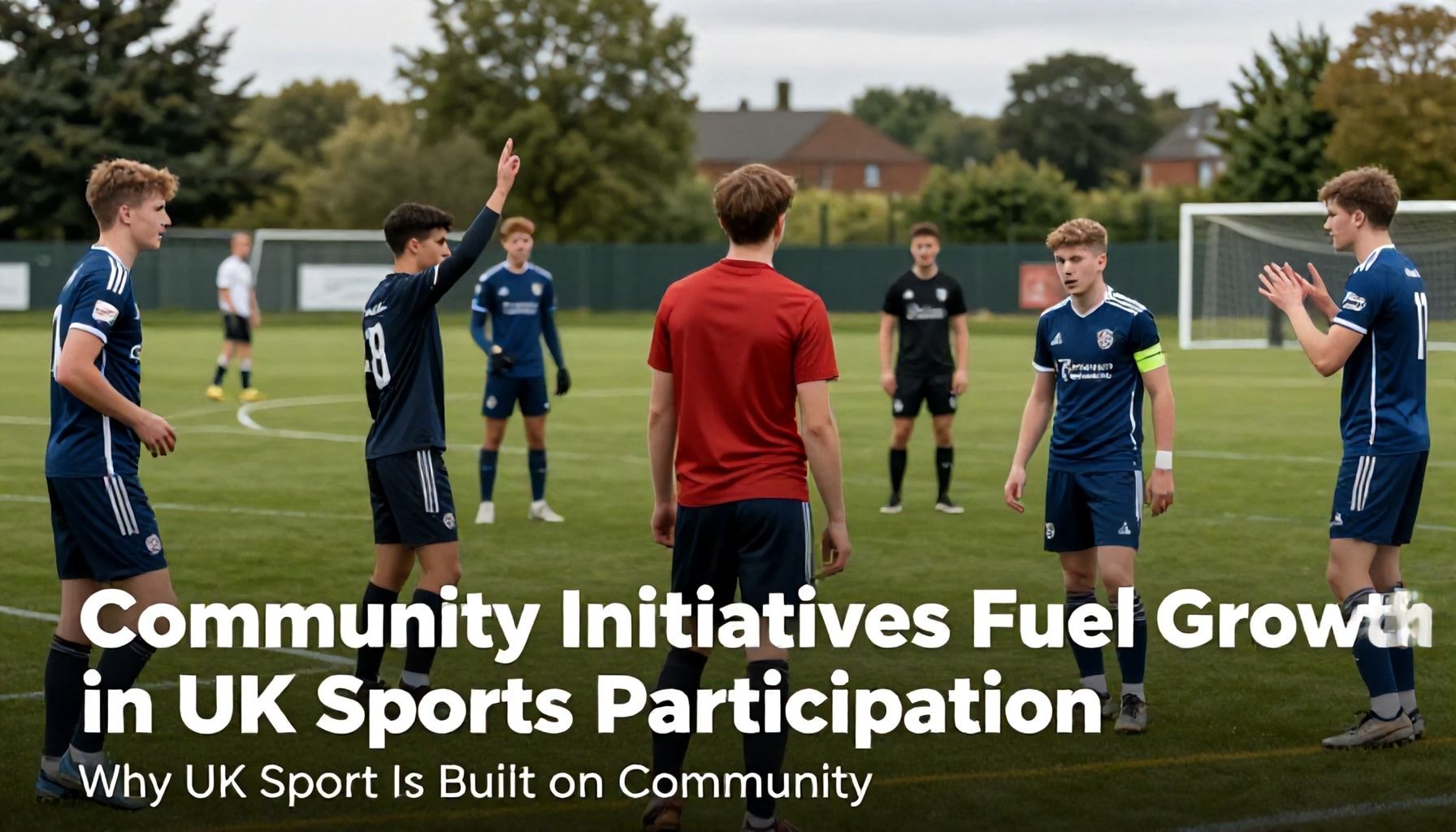
UK sports participation has surged, driven by grassroots community initiatives. According to Sport England, over 15 million people engaged in community sports programmes in the past year. This growth underscores the vital role local clubs and volunteers play in fostering national sporting culture.
Local sports clubs have expanded their reach through targeted outreach programmes. Many clubs report increased memberships, with some seeing up to a 30% rise in participation. These initiatives often focus on underrepresented groups, ensuring broader access to sports facilities and coaching.
Community-led events have also boosted participation rates. The annual “Big Weekend” initiative, organised by Sport England, drew over 200,000 attendees last year. Events like these provide free or low-cost opportunities for people to try new sports, fostering lifelong habits.
Volunteers remain the backbone of these efforts, contributing over 100 million hours annually. Without their dedication, many community sports programmes would struggle to operate. Their work highlights the importance of grassroots support in sustaining the UK’s sporting ecosystem.
Government funding has played a crucial role in supporting these initiatives. The Department for Culture, Media and Sport allocated £300 million to grassroots sports in the latest budget. This investment has enabled clubs to upgrade facilities, hire coaches, and run outreach programmes.
The success of these community efforts has not gone unnoticed. UK Sport CEO, Sally Munday, praised the impact of grassroots initiatives. “Community sports are the foundation of our national success,” she stated in a recent interview. “They inspire the next generation of athletes and keep millions active.”
The ripple effects of these initiatives extend beyond participation rates. Local economies benefit from increased foot traffic and event hosting. Additionally, community sports programmes promote social cohesion and mental well-being, addressing broader societal challenges.
As the UK continues to invest in grassroots sports, the future looks bright. With sustained support from volunteers, clubs, and government, community initiatives will remain central to the nation’s sporting success. This collaborative effort ensures that sport remains accessible and enjoyable for all.
Local Clubs Drive Success of UK's Sporting Culture
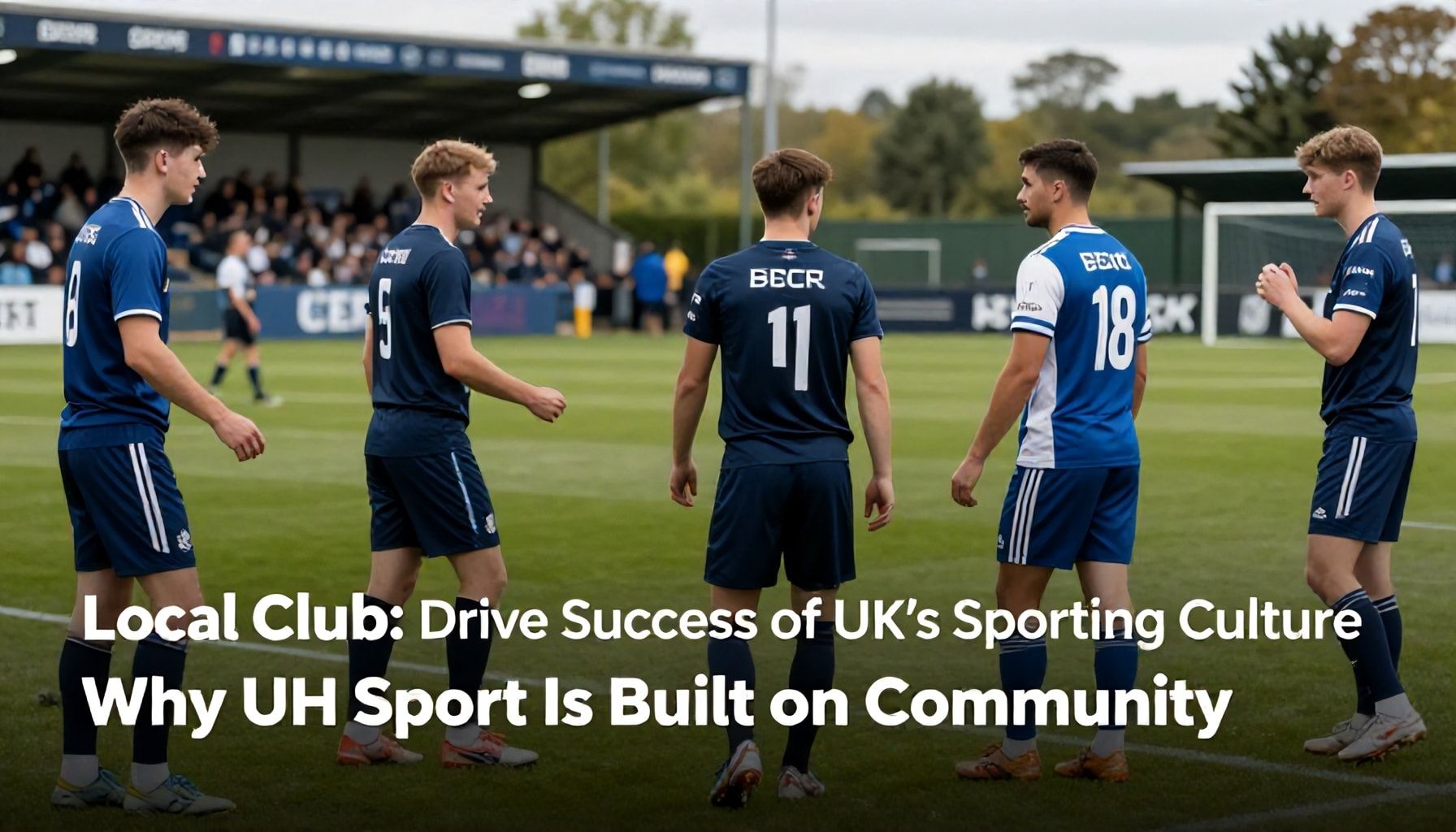
The UK’s sporting culture thrives on the dedication of local clubs, which form the backbone of the nation’s athletic success. These grassroots organisations provide essential training and development opportunities for athletes of all ages and abilities. According to Sport England, there are over 85,000 sports clubs across the country, engaging more than 15 million participants annually.
Local clubs play a pivotal role in nurturing talent. Many elite athletes credit their early development to community-based coaching and facilities. The Lawn Tennis Association, for instance, reports that 80% of professional British tennis players began their careers at local clubs.
Financial constraints often challenge these clubs’ operations. However, innovative fundraising and sponsorship initiatives help sustain their activities. The Football Association revealed that grassroots football clubs generate around £500 million annually through community efforts and local business partnerships.
Volunteers are the lifeblood of these organisations. Over 6 million people volunteer in UK sports clubs, contributing approximately 300 million hours of service each year. “Without volunteers, many clubs simply wouldn’t exist,” stated a spokesperson for the Charity Commission.
The impact of these clubs extends beyond sports. They foster social cohesion, improve health, and boost local economies. Research by UK Coaching indicates that community sports clubs contribute over £14 billion to the national economy annually.
Despite their significance, many clubs struggle with facility access and funding. Addressing these issues is crucial for maintaining the UK’s sporting heritage. The government and sporting bodies continue to explore solutions to support these vital community hubs.
Volunteers and Local Heroes Shape UK's Sporting Landscape

The UK’s sporting success story is deeply rooted in grassroots community efforts, with volunteers and local heroes playing a pivotal role. According to Sport England, there are over 2.8 million volunteers contributing to sports in the UK, dedicating approximately 230 million hours annually.
Local sports clubs serve as the backbone of this community-driven approach. Many elite athletes credit their early development to these grassroots environments. Manchester City’s Phil Foden, for instance, honed his skills at local club Stockport Sports Village before rising through the ranks.
Volunteers provide essential support, from coaching and refereeing to organising events and maintaining facilities. Their contributions help sustain over 150,000 affiliated sports clubs across the country. The National Lottery, a key funder, has invested over £1 billion into community sports projects since 1994.
The impact of these efforts extends beyond participation rates. Grassroots initiatives foster social cohesion and improve public health. A 2022 report by the Sport and Recreation Alliance highlighted that regular participation in community sports reduces social isolation and improves mental well-being.
Local heroes often emerge from these community settings. Individuals like Paul Stewart, a former professional footballer turned anti-racism campaigner, exemplify the transformative power of grassroots involvement. Stewart’s work with the Professional Footballers’ Association has been instrumental in promoting diversity and inclusion in the sport.
The UK’s sporting landscape continues to thrive due to this collective effort. The government’s School Games programme, launched in 2012, has engaged over 17 million young people in competitive sports. This initiative underscores the importance of community-driven sports development.
In summary, the UK’s sporting success is built on the dedication of volunteers and local heroes. Their contributions ensure that sports remain accessible and inclusive, fostering a healthier and more connected society.
UK Sports Flourish Through Strong Community Foundations
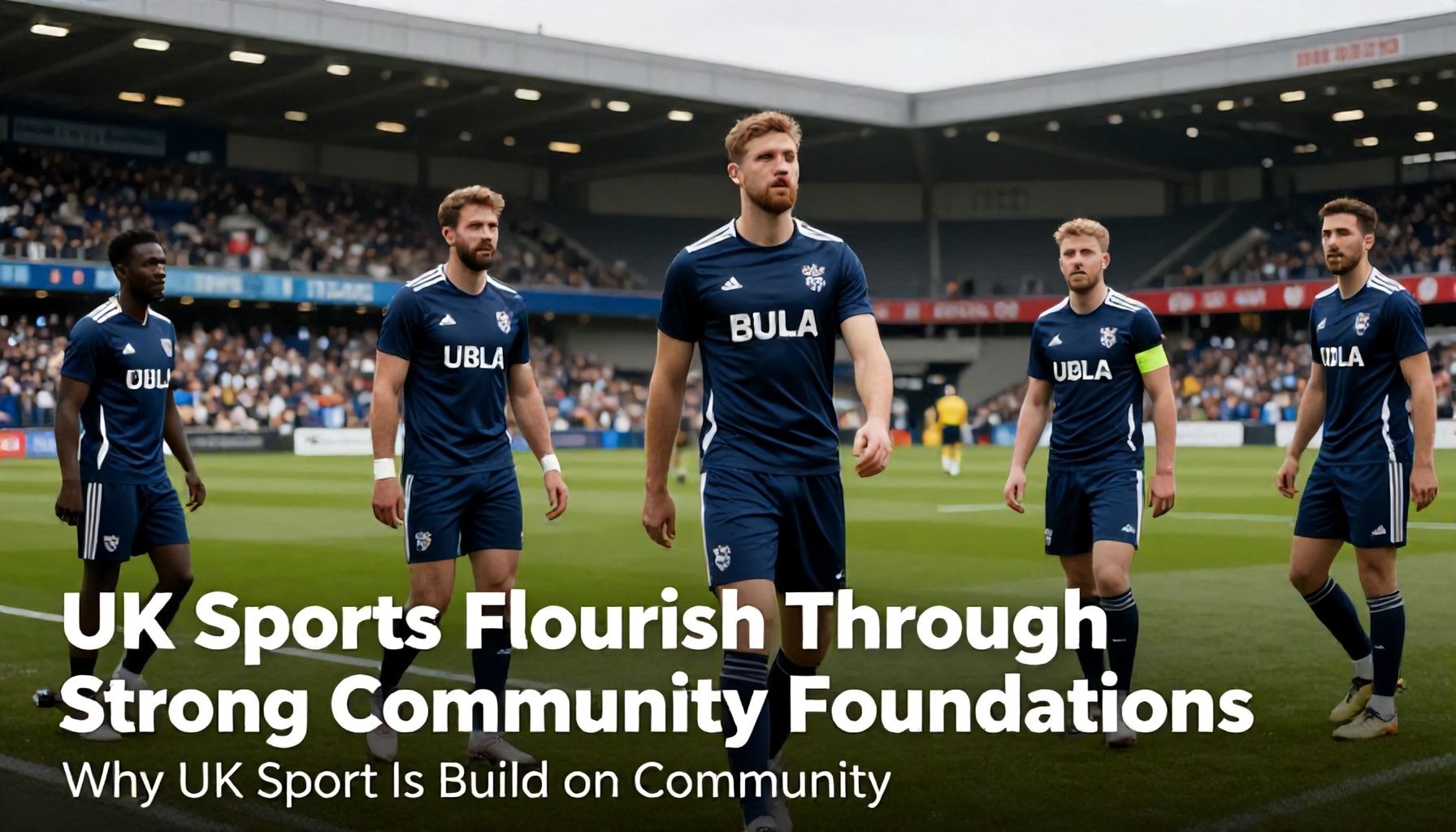
UK sport thrives on strong community foundations, with grassroots efforts playing a pivotal role in its success. According to Sport England, over 15 million people participate in community sports weekly, highlighting the sector’s significance.
Local clubs and volunteers form the backbone of this system. The Football Association reports that 40,000 grassroots football clubs operate nationwide, with 300,000 volunteers ensuring their survival. These clubs nurture talent and foster a lifelong love for the sport.
Community initiatives also address health and social issues. Public Health England found that regular participation in local sports reduces obesity rates and improves mental well-being. This aligns with the government’s strategy to combat sedentary lifestyles.
Funding and infrastructure are critical to these efforts. The National Lottery Community Fund has invested £1.5 billion in grassroots sports facilities since 1994. This investment has created over 3,000 new sports hubs, benefiting millions.
The impact extends beyond physical health. The Charity Commission notes that community sports projects reduce social isolation and promote integration. Initiatives like StreetGames engage over 50,000 young people annually in disadvantaged areas.
Despite challenges, the sector continues to grow. The Department for Digital, Culture, Media and Sport reports a 10% increase in grassroots participation over the past decade. This growth underscores the community’s commitment to sport.
Experts attribute this success to collaboration. “Partnerships between local authorities, clubs, and volunteers are key,” said a spokesperson for UK Coaching. This collective effort ensures sustainable growth and accessibility.
The future looks promising. With continued investment and community engagement, UK sport is set to flourish. Grassroots efforts remain the driving force behind this success, ensuring sport’s accessibility and inclusivity for all.
The success of UK sports at the grassroots level underscores the vital role of community efforts in fostering talent and promoting physical activity. With local clubs and volunteers driving participation, the future of sports in the UK looks promising. Continued investment and support for these initiatives will be crucial in maintaining this momentum, ensuring that the next generation of athletes has the opportunity to thrive. The collaborative spirit seen at the grassroots level not only enhances individual well-being but also strengthens community bonds, creating a lasting impact on the nation’s sporting landscape.